

 Pregledaj u prostoru
 Pošalji
 Podeli
 Detalji o delu

 Преузми
 Slični predmeti
 Rendgenski snimak
 Slajdovi
The Battle of Aboukir


 Pročitaj više
Giclee štampa / Umetnički otisak
Giclée štampa ili print na platnu muzejskog kvaliteta uz brzu proizvodnju i fleksibilne opcije završne obrade. ( Kupi ručno naslikanu sliku Kupi digitalnu sliku)




































Izaberite jednu od naših unapred definisanih veličina koje odgovaraju originalnim proporcijama umetničkog dela.

Možete uneti sopstvene dimenzije kako biste umetničko delo prilagodili specifičnom okviru ili prostoru. Ako odabrani format ne odgovara proporcijama originalne slike, mi ćemo ili iscrtati deo dela ili proširiti sliku pomoću ogledane ivice ili jednobojnog popunjavanja. Digitalni prikaz će vam biti poslat na odobrenje pre početka proizvodnje.
Imajte na umu da pregled na ekranu ne odražava stvarno iscrtavanje ili proširivanje. Samo će prikaz (mockup) precizno pokazati finalnu kompoziciju.
Iako su prilagođene dimenzije dostupne, preporučujemo da odaberete dimenziju sa unapred definisane liste kako biste očuvali originalne proporcije.
Dostava širom sveta () za 2 nedelje umesto uobičajenih 4/5 nedelja. (7 септембар)

Besplatna ekspresna dostava širom sveta

Visokokvalitetno laneno platno

Kompletno osiguranje transporta

Garancija povraćaja carine i uvoznih dažbina

Garancija vernosti boja

Politika povraćaja u roku od 100 dana (isključivo u slučaju nedostataka)

Garancija povrata novca od 100%

Popust pri grupnoj kupovini
 Opcija sa staklom dostupna je samo za dimenzije manje od 110 cm

The Battle of Aboukir
Giclee štampa / Umetnički otisak
Dimenzije reprodukcije
-


Konačna cena
$ 62
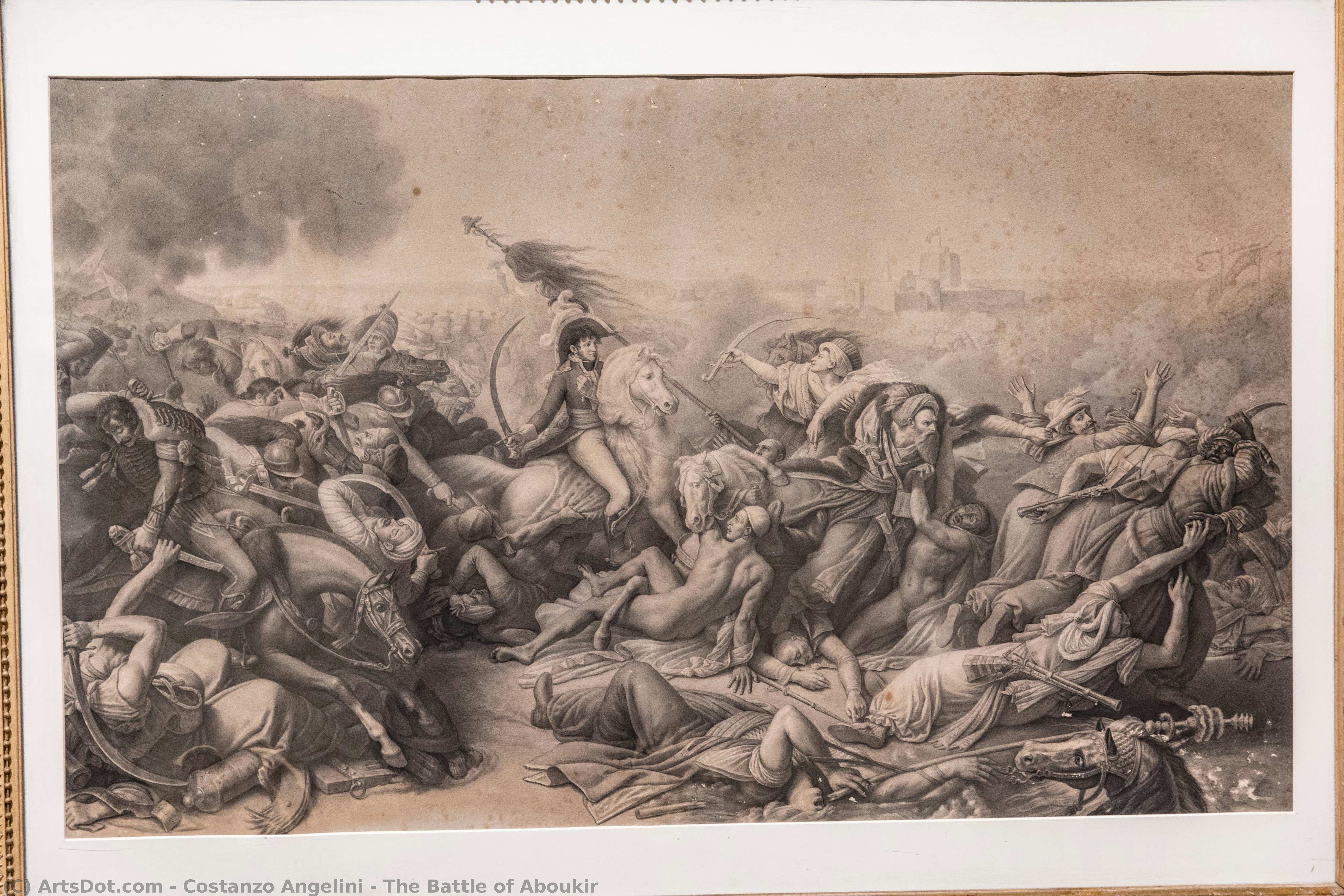
A Symphony of Chaos: The Visceral Intensity of The Battle of Aboukir
In the realm of historical prints, few works capture the raw, unbridled ferocity of Napoleonic warfare as profoundly as Costanzo Angelini’s 1813 engraving, The Battle of Aboukir. This monochrome masterpiece serves as a window into a moment of profound historical upheaval, transporting the viewer directly into the heart of a conflict defined by smoke, steel, and sacrifice. The composition is a masterclass in controlled chaos; rather than offering a detached, panoramic view of the battlefield, Angelini pulls us into a tightly packed, dynamic arena where every inch of the frame vibrates with movement. Through the meticulous application of cross-hatching and stippling, the artist breathes life into a landscape of struggle, creating a sense of depth that feels both claustrophobic and epic in scale.
The technique employed here is characteristic of the high-level engraving traditions of the early 19th century. By utilizing precise, etched lines to define the muscular tension of soldiers and the sharp edges of weaponry, Angelini achieves a sculptural quality within a two-dimensional medium. The play of light and shadow—rendered through varying densities of ink—creates an atmospheric haze that suggests the choking dust and gunpowder smoke of the battlefield. This use of texture does more than just provide visual interest; it builds a tactile reality where one can almost feel the grit of the earth and the cold weight of the blades. For the discerning collector, this piece offers a sophisticated interplay of light and line that commands attention in any curated collection.
Neoclassical Precision Meets Historical Drama
While Angelini was deeply rooted in the Neoclassical tradition—a movement defined by its reverence for classical order, clarity, and grandeur—The Battle of Aboukir demonstrates his ability to bend those formal principles to serve a much more turbulent subject. The geometric precision found in his training at the Accademia di San Luca is evident in the structured way he organizes the mass of figures, yet this order is intentionally disrupted by the frantic energy of combat. This tension between classical discipline and the visceral reality of war creates a unique emotional resonance. It is not merely a documentation of a battle, but an exploration of mortality and the heavy cost of imperial ambition.
Symbolically, the work is rich with the somber themes of loss and heroism. The fallen soldiers, scattered amidst the wreckage of war, serve as poignant reminders of the human toll behind historical triumphs. There is a profound sense of tragedy woven into the very texture of the paper, making the piece an evocative choice for those who appreciate art that provokes deep reflection. For interior designers seeking to add a sense of history, gravity, and intellectual depth to a space, this reproduction offers a powerful focal point. It brings with it a narrative weight that can anchor a room, providing a sophisticated conversation piece that bridges the gap between historical documentation and high-art expression.
Srodna umetnička dela
Biografija umetnika
Early Life and Background
- Born: October 22, 1760, Santa Giustina, Rieti, Italy
- Died: June 22, 1853, Naples, Italy
- Costanzo Angelini was born in a small town in the province of Rieti. Details about his early family life are scarce but he showed artistic promise from a young age.
- He received initial training at the Accademia di San Luca in Rome, studying under Domenico Corvi. This foundational period exposed him to established artistic practices and principles.
Artistic Development and Neoclassical Influences
- Angelini's artistic style was profoundly shaped by the prevailing Neoclassical movement. This movement emphasized a return to classical forms, simplicity, and a sense of grandeur, drawing inspiration from ancient Greek and Roman art.
- He collaborated with Giovanni Volpato and Raffaello Morghen on Principi del disegno tratti dalle più eccellenti statue antiche (Rome, 1786), a significant work in disseminating Neoclassical ideals through artistic education.
- Key influences included Jacques-Louis David and Jean Auguste Dominique Ingres, prominent figures of the Neoclassical movement known for their emphasis on clarity, order, and idealized forms.
Career Highlights and Patronage
- In 1790, Angelini moved to Naples at the invitation of William Hamilton, the British Consul. He gained prominence for his Neoclassic paintings and engraving skills.
- He became renowned for engraving the Greek vases from the Hamilton Collection (1795), showcasing his technical mastery and contributing to the wider appreciation of classical antiquities.
- Angelini enjoyed patronage from the aristocracy and court, becoming a sought-after portrait painter. Notable commissions included a portrait of Joseph Bonaparte in 1809.
- He held various important positions throughout his career: superintendent and restorer for the Museo Borbonico (from 1813), professor of design at the Real Accademia delle Belle Arti di Naples, and secretary of the academy (in 1841).
Notable Works and Artistic Contributions
- The Battle of Aboukir (1813): A dramatic monochrome engraving depicting Napoleonic warfare, demonstrating his skill in capturing dynamic scenes.
- Portraits: Angelini was celebrated for his naturalistic portraiture, characterized by a strong sense of psychological analysis. His self-portrait is particularly noteworthy.
- Engravings of Greek Vases: His work on the Hamilton Collection's vases significantly contributed to the study and appreciation of classical art.
Legacy and Historical Significance
- Costanzo Angelini played a crucial role in promoting Neoclassicism in Naples, influencing generations of artists.
- His dedication to artistic education is evident through his long tenure at the Real Accademia delle Belle Arti di Naples, where he trained numerous students including Filippo Balbi, Michele de Napoli, and Giuseppe Marsigli.
- His son, Tito Angelini, continued the family's artistic legacy as a sculptor in the Neoclassic-Romantic style. His daughter, Teresa Angelini (born 1803), was also a painter.
- Angelini’s work reflects the broader cultural shift towards classical ideals and his contributions helped shape the artistic landscape of 19th-century Italy.
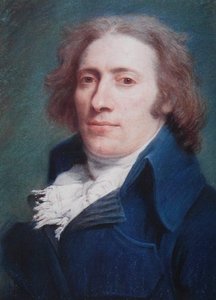
Costanzo Angelini
1760 - 1853 , Italy
Osnovne informacije
- Artistic Movement Or Style: Neoclassicism
- Artists Or Movements Influenced By This Artist:
- Filippo Balbi
- Michele de Napoli
- Giuseppe Marsigli
- Tito Angelini
- Artists Who Influenced This Artist:
- Giovanni Volpato
- Raffaello Morghen
- Jacques-Louis David
- Jean Auguste Dominique Ingres
- Date Of Birth: October 22, 1760
- Date Of Death: June 22, 1853
- Full Name: Costanzo Angelini
- Nationality: Italian
- Notable Artworks: ['The Battle of Aboukir']
- Place Of Birth: Santa Giusta, Italy
Povezani članci

Giclée Prints: Archival Quality & Aesthetic Nuances for the Discerning Collector
Explore the world of giclée prints with ArtsDot. Learn about archival quality, aesthetic nuances & investment potential. Expert guidance for discerning art collectors seeking museum-quality reproductions and lasting value.

Echoes of Time: Exploring the Enduring Appeal & Historical Context of Vintage Art Prints
Explore the captivating world of vintage art prints! Discover their history, collecting tips & enduring appeal. Expert insights on chromolithography and building a legacy collection with ArtsDot.

The Enduring Legacy of Fine Art Prints: Technique, History & Aesthetic Impact
Explore the rich history & techniques of fine art prints. Discover investment potential, assess authenticity, and learn how to preserve your collection with expert guidance. Trusted insights for discerning collectors.

19th Century Masterpieces: 10 Paintings That Defined an Era | ArtsDot
Journey through 19th century art with ArtsDot! Explore 10 iconic paintings – from Monet & Renoir to Courbet – and discover the stories behind Romanticism, Realism & Impressionism. Find museum-quality reproductions for your home decor. Explore the full collection online!

The Enduring Legacy of Printmaking: Techniques, Themes & Artistic Innovation Across Centuries
Explore the rich history of printmaking with ArtsDot. Discover techniques from intaglio to lithography, learn about collecting valuable prints & find museum-quality reproductions. Expert insights for art enthusiasts and collectors.