

 Pregledaj u prostoru
 Pošalji
 Podeli
 Detalji o delu

 Преузми
 Slični predmeti
 Rendgenski snimak
 Slajdovi
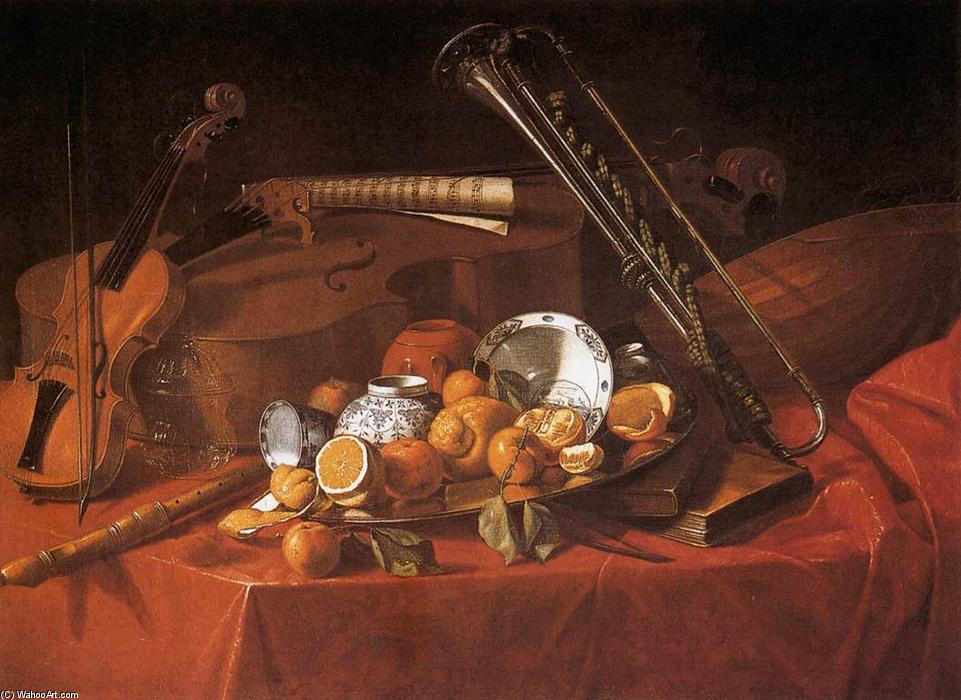
Still-Life with Musical Instruments


 Pročitaj više
Ručno rađena uljana reprodukcija
Ručno oslikano uljanim bojama na platnu u dimenzijama i okviru po vašem izboru, izrađeno po porudžbini od strane naših umetnika. ( Kupi print Kupi digitalnu sliku)




P118B $10

P118H $10

P118W $10

P438Z $10

P508JH $12

P508YH $12

P805H $10

P805Z $10

P919BZ $10

P919G $10

P919XJ $10

P959ZH $10

P968JZ $12

W106C $8

W218G $10

W218JH $8

W218Y $10

W307PJ $10

W316G $10

W316PJ $8

W316Y $10

W398PJ $8

W4111J $10

W500HY $15

W500JH $15

W692G $12

W849H $8

W940BG $15

W953PJ $8




Izaberite jednu od naših unapred definisanih veličina koje odgovaraju originalnim proporcijama umetničkog dela.

Можете унети сопствене димензије како бисте прилагодили дело одређеном оквиру или простору. Ако одабрана величина не одговара пропорцијама оригинала, слика ће бити исечена или проширена додатним елементима који се ручно насликавају. Дигитални prikaz ће вам бити послат на одобрење пре почетка производње.
Имајте на уму да преглед на екрану не одражава стварно исецање или проширење. Само приказ (mockup) ће тачно приказати коначну композицију.
Иако су доступне прилагођене величине, препоручујемо да одаберете димензију из дефинисане листе како бисте сачували оригиналне пропорције.
Nakon narudžbine, tim ArtsDot.com će klijentu putem e-pošte poslati uputstva i dostaviti prikaz predloženog rešenja
Isporuka širom sveta () za 3/4 nedelje umesto uobičajenih 5 nedelja. (20 август). Bez kompromisa po pitanju kvaliteta.

Besplatna ekspresna dostava širom sveta

Visokokvalitetno laneno platno

Kompletno osiguranje transporta

Garancija povraćaja carine i uvoznih dažbina

Garancija vernosti boja

Politika povrata u roku od 60 dana (samo u slučaju nedostataka)

Garancija povrata novca od 100%

Popust pri grupnoj kupovini
 Opcija sa staklom dostupna je samo za dimenzije manje od 110 cm

Still-Life with Musical Instruments
Tehnika reprodukcije
Dimenzije reprodukcije
-


Konačna cena
$ 263
Opis umetničkog dela
The Painting's Composition and Symbolism
The painting features a variety of objects arranged on a table draped in red fabric, including musical instruments such as a violin or viola, a cello, and possibly a flute or piccolo. These instruments are placed against the backdrop of a dark background that contrasts with their lighter colors. In front of the musical instruments, there's a bowl filled with fruit, which includes apples and oranges. The fruits add a splash of vibrant color to the composition. To the right of the bowl, there is a teapot with a lid, suggesting a domestic setting. Still-Life with Musical Instruments is not only a beautiful painting but also a representation of the cultural and social context of 18th-century Italy. The combination of musical instruments and everyday items suggests themes of leisure, culture, and domestic life.Artist's Background and Style
Cristoforo Munari was an Italian painter of the late-Baroque period, specializing in still-life paintings. His initial training was in Reggio Emilia, his birthplace, and he came under the patronage of Rinaldo d'Este, Duke of Modena. In 1703-1706, he lived in Rome, then moved to Florence. Munari's style is characterized by his use of light and shadow, which creates a sense of depth and three-dimensionality.- Visit Cristoforo Munari's Still-Life with Musical Instruments on ArtsDot.com to learn more about this painting.
- Discover the Uffizi Gallery, where the original painting is housed.
- Read more about Cristoforo Munari on Wikipedia.
Cristoforo Munari's Still-Life with Musical Instruments is a masterpiece that showcases the artist's exceptional skill and attention to detail. This painting is a must-see for anyone interested in still-life paintings and Italian art.
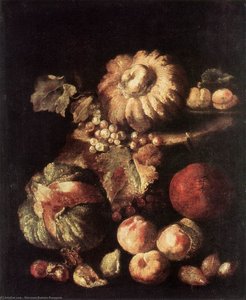
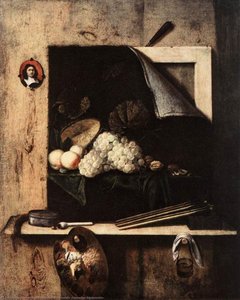
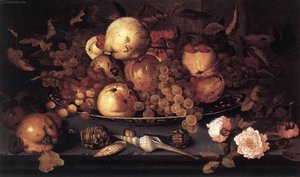
Srodna umetnička dela
Biografija umetnika
Cristoforo Munari: A Painter of Medici Excess
Cristoforo Munari, born in Reggio Emilia in 1667 and tragically passing away in Pisa in 1720, remains a captivating figure within the late Baroque art world. Often referred to as Cristofano Monari, he was an Italian painter whose specialty lay in meticulously rendered still life compositions – a genre where he skillfully captured both the beauty and the decadent remnants of opulent lifestyles. His work offers a unique window into the extravagance of the Medici court, particularly through his evocative depictions of scattered porcelain, gleaming glassware, and the bounty of a lavish table. Munari’s artistic journey began in his birthplace, receiving his initial training in Reggio Emilia before attracting the patronage of Rinaldo d'Este, Duke of Modena. This early exposure to noble circles undoubtedly shaped his aesthetic sensibilities.Early Years and Florentine Patronage
Following his time in Modena, Munari relocated to Rome between 1703 and 1706, a period during which he honed his skills under the influence of Northern still life artists – including the German painter Christian Berentz. This exposure to diverse artistic traditions likely contributed to the subtle nuances within his compositions. However, it was his decade-long association with the Medici court in Florence that proved pivotal to his development. Serving Ferdinand de' Medici and later Cosimo III and Cardinal Francesco Maria de’ Medici, Munari became intimately familiar with the lavish lifestyle of these powerful figures. His still lifes began to reflect this experience, incorporating elements of disarray – a deliberate choice, some art historians suggest – that alluded to the excesses and fleeting pleasures associated with the Medici court's opulent feasts. These weren’t simply arrangements; they were visual echoes of a joyful, perhaps slightly chaotic, surfeit.Style and Influences: Baschenis and Beyond
Munari’s artistic style is often compared to that of Evaristo Baschenis, another prominent Italian still life painter of the era. Like Baschenis, Munari possessed a remarkable ability to render detail with precision, capturing the textures and reflections of various materials – from the delicate sheen of porcelain to the subtle gleam of silver cutlery. However, unlike Baschenis’s more formal arrangements, Munari frequently introduced an element of controlled chaos into his compositions. The inclusion of scattered foodstuffs, broken fragments of pottery, and discarded glass created a sense of immediacy and realism, as if the viewer were witnessing the aftermath of a particularly boisterous celebration. This deliberate disarray served to amplify the narrative of indulgence and excess that permeated his work. His meticulous attention to light and shadow further enhanced the three-dimensionality of his subjects, creating a captivating illusion of reality.Later Years and Artistic Restoration
As his career progressed, Munari moved away from courtly commissions and focused primarily on art restoration in Pisa, beginning in 1715. This shift reflected both a change in patronage and perhaps a desire for greater stability. Despite this move, he continued to produce still lifes that retained the hallmarks of his distinctive style – the meticulous detail, the subtle play of light, and the evocative depiction of opulent decay. In 1998, an exhibition showcasing Munari’s paintings in Reggio Emilia garnered significant attention and was hailed as a national success, bringing renewed recognition to this often-overlooked artist.Legacy and Significance
Cristoforo Munari's contribution to Baroque still life painting lies not only in his technical skill but also in his ability to capture the atmosphere of a particular era – the decadent splendor of the Medici court. His works offer a poignant commentary on wealth, excess, and the ephemeral nature of pleasure. His paintings are now held in collections such as the Uffizi Galleries, where they continue to fascinate viewers with their intricate details and evocative narratives. Munari’s legacy endures as a testament to his artistic talent and his unique ability to transform everyday objects into compelling works of art. His work stands as a subtle yet powerful reminder of a bygone era, inviting us to contemplate the beauty and the folly of human indulgence.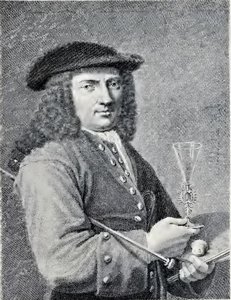
Cristoforo Munari
1667 - 1720 , Italy
Osnovne informacije
- Artistic Movement Or Style: Baroque Still Life
- Artists Who Influenced This Artist: ['Evaristo Baschenis']
- Date Of Birth: 1667, Reggio Emilia
- Date Of Death: 1720, Pisa
- Full Name: Cristoforo Munari
- Nationality: Italian
- Notable Artworks:
- Still Life with Musical Instruments
- Still Life with Porcelain
- Place Of Birth: Reggio Emilia, Italy
Povezani članci
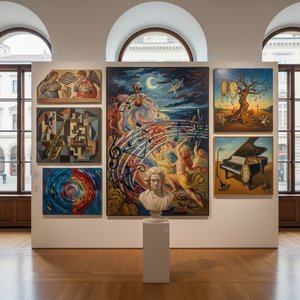
Harmonies on Canvas: Exploring the Visual Representation of Music in Art History
Explore the fascinating history of music's visual representation in art! From ancient symbolism to modern abstraction, discover how artists have captured sound and emotion on canvas. Expert insights & stunning examples.

Barok Majstor dela: Top 10 Umjetničkih Remeka za Vaš Dom
Otkrijte 10 remek dela koja su definisala baroknu umetnost! Karavagio, Bernini i više – istražite priče iza ovih ikoničnih slika. Inspiracija za vaš dom? Pogledajte kolekciju na ArtsDot.com!

Барокна драма: Уношење величине и емоција у савремене ентеријере
Откријте барокну драму и унесите величину у ваш ентеријер! ArtsDot нуди ручно насликане репродукције, персонализоване портрете и стручне консултације за љубитеље класичне уметности. Потражите савршено дело већ данас!

The Dramatic Flourish: Exploring the Baroque Movement's Enduring Legacy in Art History
Explore the dramatic world of Baroque art! Discover iconic artists like Caravaggio & Rubens, defining techniques, and its lasting impact on art history. Expert insights for collectors & enthusiasts at ArtsDot.

The Enduring Power of Painting: A Historical & Contemporary Exploration of Form and Emotion
Explore the rich history & enduring techniques of oil painting with ArtsDot. Discover masterpieces, learn about art collecting, and find authentic handmade reproductions crafted by skilled artists.

