

 Pregledaj u prostoru
 Pošalji
 Podeli
 Detalji o delu

 Преузми
 Slični predmeti
 Rendgenski snimak
 Slajdovi
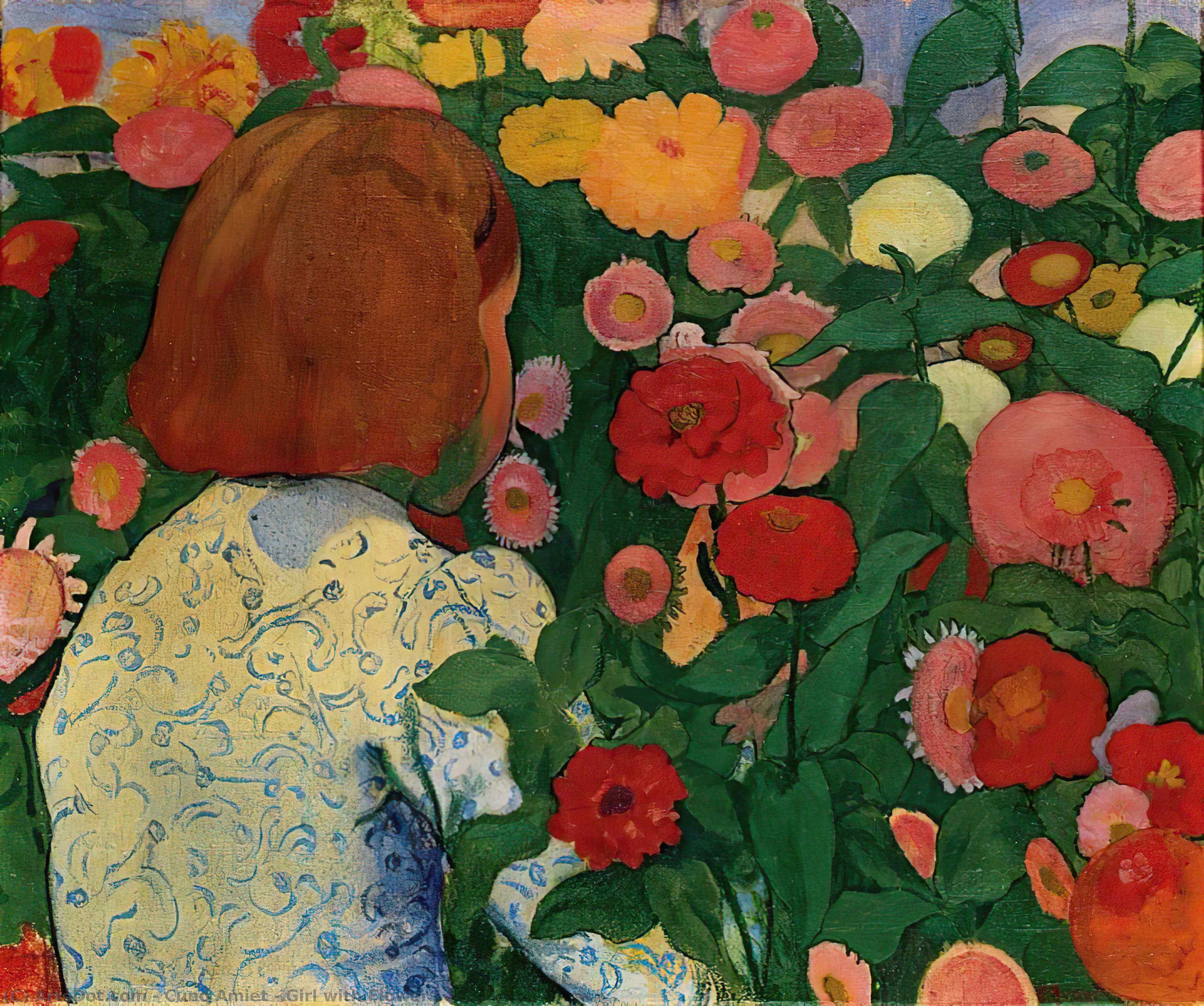
Girl with Flowers

 Pročitaj više
Ručno rađena uljana reprodukcija
Ručno oslikano uljanim bojama na platnu u dimenzijama i okviru po vašem izboru, izrađeno po porudžbini od strane naših umetnika. ( Kupi print Kupi digitalnu sliku)




































Izaberite jednu od naših unapred definisanih veličina koje odgovaraju originalnim proporcijama umetničkog dela.

Можете унети сопствене димензије како бисте прилагодили дело одређеном оквиру или простору. Ако одабрана величина не одговара пропорцијама оригинала, слика ће бити исечена или проширена додатним елементима који се ручно насликавају. Дигитални prikaz ће вам бити послат на одобрење пре почетка производње.
Имајте на уму да преглед на екрану не одражава стварно исецање или проширење. Само приказ (mockup) ће тачно приказати коначну композицију.
Иако су доступне прилагођене величине, препоручујемо да одаберете димензију из дефинисане листе како бисте сачували оригиналне пропорције.
Nakon narudžbine, tim ArtsDot.com će klijentu putem e-pošte poslati uputstva i dostaviti prikaz predloženog rešenja
Isporuka širom sveta () za 3/4 nedelje umesto uobičajenih 5 nedelja. (7 септембар). Bez kompromisa po pitanju kvaliteta.

Besplatna ekspresna dostava širom sveta

Visokokvalitetno laneno platno

Kompletno osiguranje transporta

Garancija povraćaja carine i uvoznih dažbina

Garancija vernosti boja

Politika povraćaja u roku od 100 dana (isključivo u slučaju nedostataka)

Garancija povrata novca od 100%

Popust pri grupnoj kupovini
 Opcija sa staklom dostupna je samo za dimenzije manje od 110 cm

Girl with Flowers
Tehnika reprodukcije
Dimenzije reprodukcije
-


Konačna cena
$ 263
The Composition
The painting features a young girl surrounded by vibrant flowers in a garden setting. The girl, dressed in a blue dress, stands amidst a sea of red flowers, with other types of flowers such as pink and yellow ones adding to the colorful tapestry. A chair in the background enhances the garden atmosphere, while another person is partially visible on the left side of the painting.Symbolism and Influence
"Cuno Amiet's "Girl with Flowers" can be seen as a reflection of the Symbolist movement, which emphasized subjectivity and the depiction of the occult and irrational. This style was a reaction to the naturalism of realist painting and Impressionist trends. The use of vibrant colors and dreamlike settings in this painting aligns with the Symbolist aesthetic.Artistic Context
Symbolist painting, as described on Wikipedia, was characterized by its emphasis on dreams, mysticism, and counterculture. Artists like Gustave Moreau and Pierre Puvis de Chavannes were prominent figures in this movement. The diversity within Symbolist painting is evident when comparing the works of these artists.Relevance to Modern Art Movements
Symbolism was linked to other movements such as Pre-Raphaelitism, Expressionism, and Post-Impressionism. Artists like Edvard Munch and James Ensor were influenced by Symbolist ideas, while Paul Gauguin's work with the Pont-Aven School and Cloisonnism also played a significant role in shaping this style.Conclusion
"Cuno Amiet's "Girl with Flowers" is a beautiful representation of the serenity and beauty that art can evoke. This painting, available for reproduction at ArtsDot, offers a glimpse into the Symbolist movement and its influence on modern art. For those interested in exploring more works from this era, ArtsDot provides an extensive collection of handmade oil painting reproductions, including pieces by Wassily Kandinsky, Pierre-Auguste Renoir, and Paul Cezanne. This painting is a testament to the enduring power of art to capture and convey serenity, making it a valuable addition to any collection.Srodna umetnička dela
Biografija umetnika
The Architect of Color: The Life and Legacy of Cuno Amiet
In the grand tapestry of European modernism, few threads are as vibrant or as transformative as those woven by Cuno Amiet. A pioneer who dared to elevate color above all other formal elements, Amiet did not merely paint landscapes; he reimagined the very language of Swiss art. Born in Solothurn in 1868, his early life was steeped in an intellectual atmosphere shaped by his father, Josef Ignaz Amiet, the chancellor of the canton. This foundation of humanist ideals provided the quiet strength behind a career that would eventually shatter the rigid boundaries of academic tradition and introduce a revolutionary, expressive vitality to the Swiss landscape.
Amiet’s artistic journey was one of constant movement and profound discovery, traversing the great art capitals of Europe. His early training under Frank Buchser led him to the prestigious Munich Academy of Fine Arts, where he forged lasting bonds with contemporaries like Giovanni Giacometti. However, it was his time in Paris that truly ignited his creative spirit. Immersed in the academic rigor of masters such as Adolphe William Bouguereau, Amiet simultaneously found himself drawn to the radical whispers of the Pont-Aven School. Influenced by the likes of Émile Bernard and Paul Sérusier, he began to move away from the heavy reliance on tonal shading, instead embracing a philosophy where pure, unadulterated color became the primary vehicle for emotion and composition.
A Symphony of Light and Expression
The true genius of Amiet lies in his ability to synthesize these diverse influences into a singular, unmistakable style. Upon returning to Switzerland in 1893, he established a studio in Hellsau, creating a sanctuary for artistic experimentation. His work from this period reflects a fascinating tension between the delicate precision of etching and the bold, sweeping gestures of modernism. In pieces such as Breton Woman with Jug, one can witness his mastery of line and the quiet, Symbolist spirit that sought to mirror internal emotional states through the external world.
As his career progressed, Amiet’s palette grew increasingly daring. He became a master of the Expressionist idiom, utilizing thick brushstrokes and textural impasto to breathe life into his subjects. Whether capturing the serene glow of a sunset in Evening in Hellsau or the intense, rhythmic energy of a still life like Zinnias on a Blue Cloth, his work remains anchored by a profound respect for nature. His ability to manipulate light and pigment allowed him to transform ordinary scenes into extraordinary experiences of color, making him a vital link between the late 19th-century traditions and the burgeoning avant-garde movements of the 20th century.
Historical Significance and Enduring Impact
The legacy of Cuno Amiet is measured not just in the thousands of works he left behind, but in the way he fundamentally altered the trajectory of Swiss painting. By prioritizing color as a dominant compositional force, he paved the way for future generations of artists to explore abstraction and emotional expressionism without the constraints of literal representation. His life was a testament to the power of artistic evolution—a journey from the disciplined halls of Munich and Paris to the creation of a uniquely Swiss modernism.
Today, Amiet is remembered as a monumental figure whose contributions extend far beyond the canvas. His impact can be summarized through several key pillars of his career:
- Revolutionary Color Theory: He was the first Swiss painter to grant precedence to color over line and tone, establishing a new standard for modern composition.
- Bridge Between Movements: His work seamlessly integrated the influences of the Pont-Aven School with the emerging energy of Expressionism.
- Cultural Catalyst: Through his studio in Hellsau, he fostered an artistic community that helped modernize the Swiss art scene.
- Versatility of Medium: From delicate etchings and illustrations to powerful oil paintings and sculptures, his prolific output demonstrated a complete mastery of diverse artistic disciplines.
Cuno Amiet passed away in 1961, leaving behind a world that had been permanently brightened by his vision. His works remain enduring witnesses to a time of great transition, inviting every viewer to pause and experience the profound beauty of a world seen through the lens of pure, expressive color.
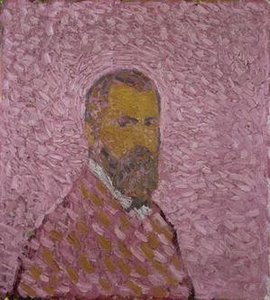
Cuno Amiet
1861 - 1924
Osnovne informacije
- Artistic Movement Or Style: Expressionism
- Artists Or Movements Influenced By This Artist: ['Ferdinand Hodler']
- Artists Who Influenced This Artist:
- Giovanni Giacometti
- Frank Buchser
- Adolphe William Bouguereau
- Date Of Birth: March 28, 1868
- Date Of Death: July 6, 1961
- Full Name: Cuno Amiet
- Nationality: Swiss
- Notable Artworks:
- Evening in Hellsau
- Selbstportrait, 1934
- Zinnias on a Blue Cloth
- Place Of Birth: Solothurn, Switzerland