

 Pošalji
 Podeli
 Detalji o delu

 Преузми
 Slični predmeti
 Slajdovi
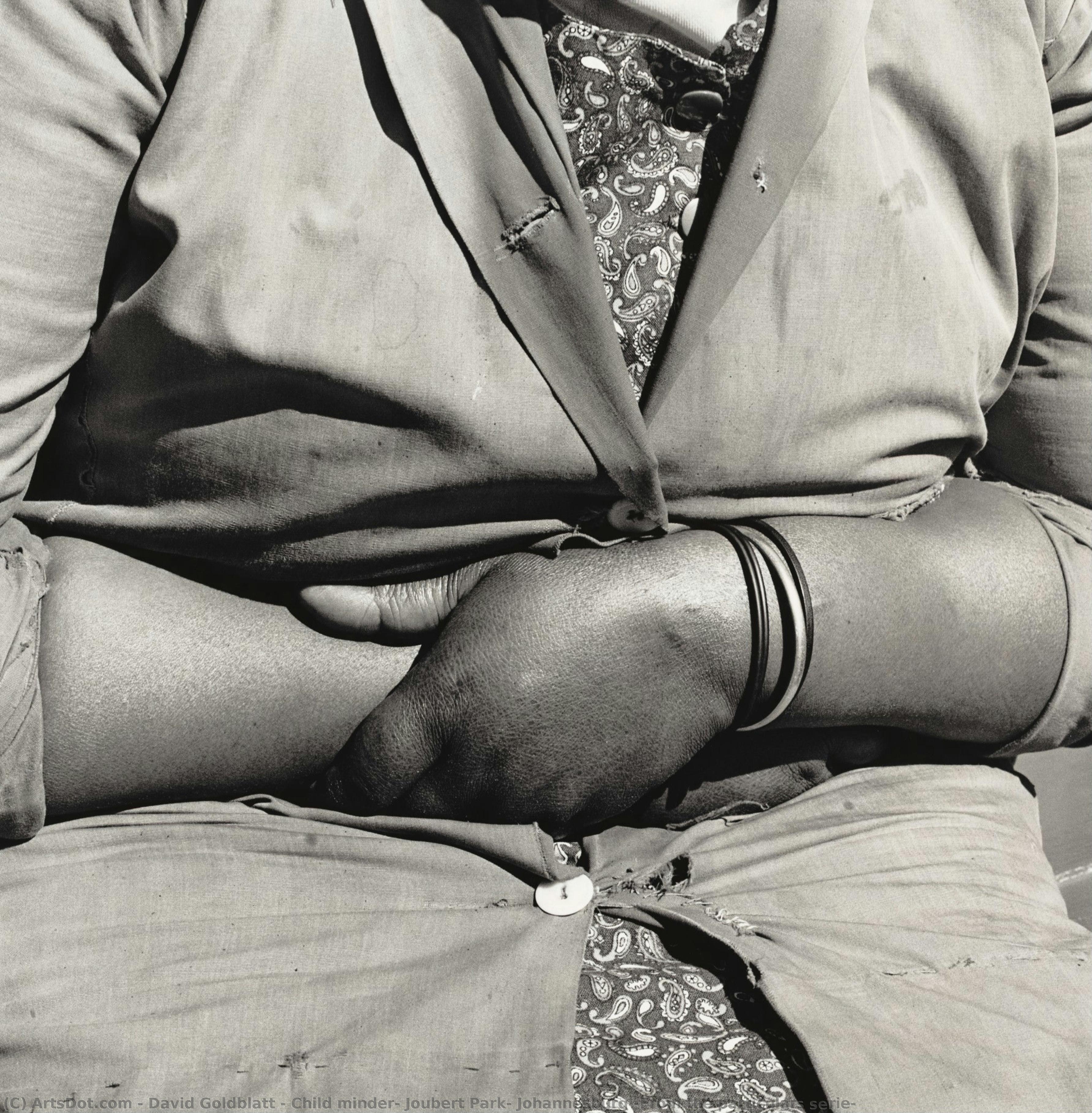
Child minder, Joubert Park, Johannesburg (From the particulars serie)
 Gelatin Silver Print
- Photo
- Documentary Photography
 2007
2007- 19th Century
 48.0 x 47.0 cm
 Fundacija Serralves
 Pročitaj više
Kupite digitalnu sliku visoke rezolucije i poboljšanog kvaliteta, koja je znatno superiornija od onoga što vidite u online prikazu.
Svaka datoteka je pedantno pripremljena od strane naših stručnjaka koristeći napredne alate i profesionalnu ručnu retušu. Osiguravamo da svaka slika ima izuzetnu oštrinu, preciznu reprodukciju boja i fine detalje.
Konačna datoteka se dostavlja putem e-pošte u roku od 72 sata, optimizovana za neposrednu upotrebu u profesionalnim, izdavačkim i štamparskim okruženjima. To je isti kvalitet kojem veruju vrhunski studiji dizajna, izdavači i galerije.
Digitalna slika
Preuzmite datoteku visoke rezolucije za ličnu upotrebu, štampanje i kreativne projekte. ( Kupi print Kupi ručno naslikanu sliku)
Uključeno uz svaku porudžbinu digitalne slike
Profesionalna digitalna isporuka, zagarantovana
Kada odaberete ArtsDot.com, ne dobijate samo sliku – vi primate profesionalno unapređeno digitalno umetničko delo, izrađeno sa najvećom preciznošću i uz garanciju zadovoljstva. Evo svega što automatski dolazi uz vašu porudžbinu:

Brza dostava putem e-pošte
Vaša digitalna slika visoke rezolucije biće vam poslata putem e-pošte u roku od 72 sata od poručivanja – spremna za trenutnu upotrebu.

Digitalna datoteka unapređena veštačkom inteligencijom
Vaše umetničko delo je profesionalno optimizovano korišćenjem naprednih AI alata i ručne obrade, čime se osiguravaju maksimalni detalji, oštrina i preciznost boja.

Besplatna ponovna isporuka doživotno
Slučajno ste obrisali ili izgubili svoju datoteku? Ne brinite – poslaćemo vam je ponovo u bilo kom trenutku, potpuno besplatno.

Bez troškova uvoza – zauvek
Uživajte u svojim umetničkim delima trenutno, bez carine, dažbina ili troškova dostave – digitalni download je uvek bez poreza.

Garancija vernosti boja
Uz pomoć profesionalnih alata i upravljanja bojama, osiguravamo da vaša digitalna slika što vernije odražava originalne boje.

Garancija zadovoljstva u roku od 60 dana
Ako niste zadovoljni svojom digitalnom slikom, revidirat ćemo je ili vratiti 100% novca u roku od 60 dana – bez ikakvih pitanja.

100% garancija povrata novca
Niste zadovoljni? Obezbedite pun povrat novca u roku od 60 dana od trenutka kada ste primili svoju digitalnu datoteku – bez suvišnih pitanja.

Popusti na velike porudžbine
Kupite 3 slike, uštedite 10% - Kupite 5 slika, uštedite 15% - Kupite 10+ slika, uštedite 20%. Odlično za kreativne projekte, galerije i agencije.
Opis kolekcionarskog dela
Srodna umetnička dela

Biografija umetnika
Early Life and Formation of a Critical Eye
David Goldblatt, born in Randfontein, Gauteng Province, South Africa, in 1930, emerged as one of the most profoundly insightful documentary photographers of the twentieth century. His lineage—descended from Lithuanian Jewish immigrants who sought refuge from persecution around 1893—deeply informed his perspective. Growing up in a society rigidly stratified by apartheid, Goldblatt’s early life was marked by an awareness of social injustice and the complexities of belonging. While his father managed a men's outfitter shop and his mother worked as a typist, it was the burgeoning political climate that truly shaped his artistic trajectory. He received a formal education at Krugersdorp High School and later earned a commerce degree from the University of the Witwatersrand, but it was in 1948 that he discovered his true calling: photography. Initially inspired by the photojournalism found in magazines like *Life* and *Picture Post*, Goldblatt began to document the lives unfolding around him, quickly realizing the medium’s power to bear witness and provoke reflection.Documenting Apartheid's Realities
Goldblatt distinguished himself from many contemporaries through his deliberate avoidance of sensationalism or overt political messaging. He wasn’t interested in capturing dramatic confrontations but rather in revealing the subtle yet pervasive ways apartheid permeated everyday life. His early work focused on the often-invisible lives of Black African miners, a population subjected to brutal working conditions and systemic discrimination. This commitment to portraying the human cost of apartheid—not through spectacle, but through quiet observation—became his hallmark. A pivotal project was *The Transported of Kwandebele*, documenting the arduous twice-daily commutes faced by black workers traveling from segregated “homelands” northeast of Pretoria. Goldblatt’s photographs weren't merely records of hardship; they were indictments of a system that forced such conditions upon its citizens. He famously explained his choice to work in black and white during this period, believing color would have been "too sweet a medium" to express the anger, disgust, and fear apartheid inspired. This wasn’t simply an aesthetic decision but a conscious rejection of any visual softening that might diminish the gravity of the subject matter.Beyond Protest: Exploring Structures and Landscapes
Following the dismantling of apartheid, Goldblatt's artistic focus shifted, though his critical gaze remained unwavering. He turned his attention to South Africa’s landscapes—not as idyllic vistas but as sites imbued with history and consequence. His *Structures* series examined the architecture of the country, revealing how buildings reflected the power dynamics and ideologies that had shaped its past. This work wasn't about aesthetic beauty; it was about deciphering the stories embedded within brick and mortar. He began to experiment more with color photography, a transition sparked by a project in northwestern Australia documenting the effects of blue asbestos exposure. The intensity of this subject matter demanded the realism only color could provide, and he found himself “hooked” on its expressive potential. This marked a new phase in his career, allowing him to capture the nuances of post-apartheid South Africa with greater depth and complexity.Legacy and Lasting Impact
David Goldblatt’s contributions extended beyond his photographic oeuvre. In 1989, he founded the Market Photography Workshop in Johannesburg, providing training and opportunities for aspiring photographers from marginalized communities. He became a mentor to many, fostering a new generation of visual storytellers committed to social justice. Throughout his career, Goldblatt received numerous accolades, including honorary doctorates, the Hasselblad Award, and the Henri Cartier-Bresson Award. His work has been exhibited internationally, notably with a solo show at the Museum of Modern Art in New York in 1998 and inclusion in Documenta 11 and 12. Goldblatt’s photographs are held in major collections worldwide, ensuring his legacy as a pivotal figure in documentary photography. He passed away in Johannesburg in 2018, leaving behind a body of work that continues to challenge viewers to confront uncomfortable truths about power, inequality, and the enduring human spirit. His commitment to “avoiding easy judgments” and portraying subjects with dignity established him not just as a photographer but as a profound observer and critic of society—a legacy that resonates powerfully today.A Philosophy of Observation
Goldblatt’s approach was rooted in a deep respect for his subjects and a refusal to impose narratives. He often described himself as a “self-appointed observer,” believing it was his role to present reality without manipulation or agenda. This philosophy is evident in the detailed captions accompanying his photographs, which meticulously identify the location, time, and context of each image. These weren’t mere descriptions; they were invitations to engage with the photograph on multiple levels, prompting viewers to consider the broader social forces at play. He sought not to shock or condemn but to reveal—to expose the complexities of South African life in all its contradictions and subtleties. His work stands as a testament to the power of photography to foster empathy, challenge assumptions, and inspire meaningful dialogue. Goldblatt’s enduring influence lies in his ability to transform observation into a powerful form of social critique—a legacy that continues to shape contemporary photographic practice.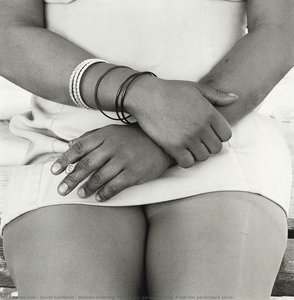
david goldblatt
1930 - 2018
Kratke činjenice
- Artistic Movement Or Style: Social Documentary Photography
- Date Of Birth: 1930
- Date Of Death: 2018
- Full Name: David Goldblatt
- Nationality: South African
- Notable Artworks:
- Wolwekraal-Marabastad Bus at 4am
- Woman smoking, Fordsburg
- Child minder, Joubert Park
- On the Mines (1973)
- Place Of Birth: Randfontein, South Africa

