

 Pregledaj u prostoru
 Pošalji
 Podeli
 Detalji o delu

 Преузми
 Slični predmeti
 Rendgenski snimak
 Slajdovi
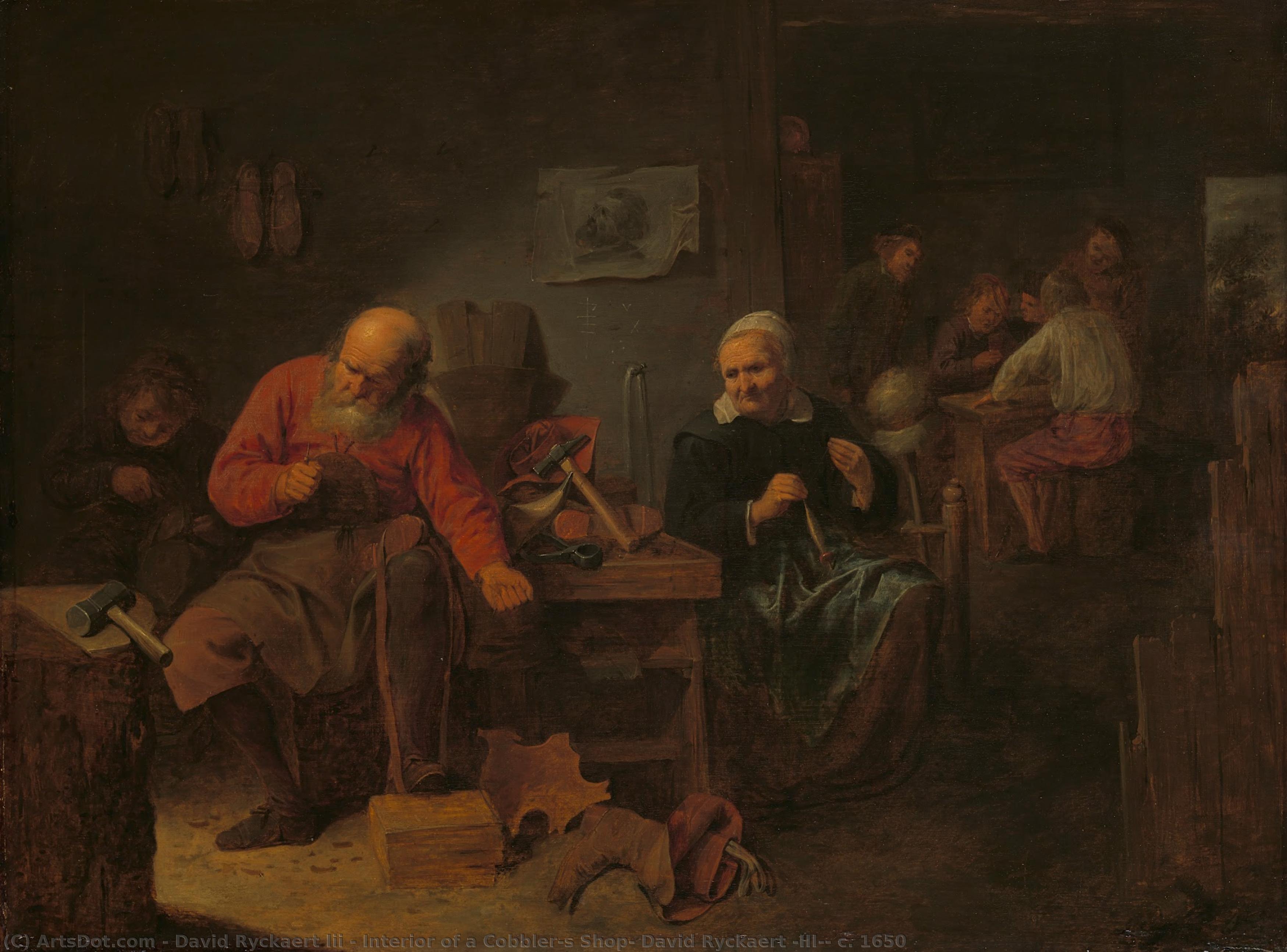
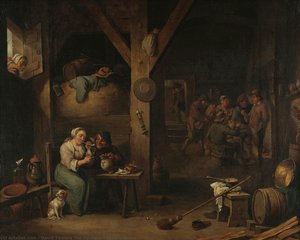
Interior of a Cobbler’s Shop, David Ryckaert (III), c. 1650

 Pročitaj više
Kupite digitalnu sliku visoke rezolucije i poboljšanog kvaliteta, koja je znatno superiornija od onoga što vidite u online prikazu.
Svaka datoteka je pedantno pripremljena od strane naših stručnjaka koristeći napredne alate i profesionalnu ručnu retušu. Osiguravamo da svaka slika ima izuzetnu oštrinu, preciznu reprodukciju boja i fine detalje.
Konačna datoteka se dostavlja putem e-pošte u roku od 72 sata, optimizovana za neposrednu upotrebu u profesionalnim, izdavačkim i štamparskim okruženjima. To je isti kvalitet kojem veruju vrhunski studiji dizajna, izdavači i galerije.
Digitalna slika
Preuzmite datoteku visoke rezolucije za ličnu upotrebu, štampanje i kreativne projekte. ( Kupi print Kupi ručno naslikanu sliku)
Uključeno uz svaku porudžbinu digitalne slike
Profesionalna digitalna isporuka, zagarantovana
Kada odaberete ArtsDot.com, ne dobijate samo sliku – vi primate profesionalno unapređeno digitalno umetničko delo, izrađeno sa najvećom preciznošću i uz garanciju zadovoljstva. Evo svega što automatski dolazi uz vašu porudžbinu:

Brza dostava putem e-pošte
Vaša digitalna slika visoke rezolucije biće vam poslata putem e-pošte u roku od 72 sata od poručivanja – spremna za trenutnu upotrebu.

Digitalna datoteka unapređena veštačkom inteligencijom
Vaše umetničko delo je profesionalno optimizovano korišćenjem naprednih AI alata i ručne obrade, čime se osiguravaju maksimalni detalji, oštrina i preciznost boja.

Besplatna ponovna isporuka doživotno
Slučajno ste obrisali ili izgubili svoju datoteku? Ne brinite – poslaćemo vam je ponovo u bilo kom trenutku, potpuno besplatno.

Bez troškova uvoza – zauvek
Uživajte u svojim umetničkim delima trenutno, bez carine, dažbina ili troškova dostave – digitalni download je uvek bez poreza.

Garancija vernosti boja
Uz pomoć profesionalnih alata i upravljanja bojama, osiguravamo da vaša digitalna slika što vernije odražava originalne boje.

Garancija zadovoljstva u roku od 60 dana
Ako niste zadovoljni svojom digitalnom slikom, revidirat ćemo je ili vratiti 100% novca u roku od 60 dana – bez ikakvih pitanja.

100% garancija povrata novca
Niste zadovoljni? Obezbedite pun povrat novca u roku od 60 dana od trenutka kada ste primili svoju digitalnu datoteku – bez suvišnih pitanja.

Popusti na velike porudžbine
Kupite 3 slike, uštedite 10% - Kupite 5 slika, uštedite 15% - Kupite 10+ slika, uštedite 20%. Odlično za kreativne projekte, galerije i agencije.
Srodna umetnička dela






Biografija umetnika
**life and career**
david ryckaert iii, a prominent flemish painter, was born on december 2, 1612, in antwerp, belgium. he was the second of three children to david rijckaert ii and katelijne de meere. as the only son, he was named after his father, following the family's naming tradition. david ryckaert iii's artistic journey began under the guidance of his father, who was also a painter and art dealer. he became a master of the guild of saint luke in antwerp in 1636-37 and later held the position of dean from 1652-53.**artistic contributions**
david ryckaert iii's work is characterized by his significant contributions to genre painting, particularly through scenes of merry companies and peasants. he also explored hell scenes and images of alchemists. his patrons included prominent figures such as archduke leopold wilhelm of austria, the governor of the southern netherlands.- peasant woman with a cat and peasant with a dog, two companion paintings in the hermitage museum, demonstrate his early genre style, influenced by adriaen brouwer.
- dulle griet (mad griet) in the kunsthistorisches museum, vienna, showcases his ability to create captivating scenes of witches and ghosts.
**notable mentions and collections**
* the museum mauritshuis (netherlands), known for its dutch golden age paintings, is a notable collection that might inspire fans of david ryckaert iii's work. /en/art/show/art-d3bksk-en/ - the museum rockox house (antwerp, belgium), offers a glimpse into the life and art collection of nicolaas rockox. * david ryckaert iii's biography can be further explored on wikipedia: [https://en.wikipedia.org/wiki/david_ryckaert_iii](https://en.wikipedia.org/wiki/david_ryckaert_iii)**legacy and influence**
as a painter to the court of the governor of the southern netherlands, david ryckaert iii's work reflects the artistic nuances of his time. his influence on genre painting is undeniable, making him a notable figure in flemish art history.- view more artworks by david rijckaert iii or david rijckaert the younger at [https://ArtsDot.com/@/david-rijckaert-iii-or-david-rijckaert-the-younger](https://ArtsDot.com/@/david-rijckaert-iii-or-david-rijckaert-the-younger)
- explore the collection of the museum mauritshuis (netherlands) at /en/art/show/art-d3bksk-en/
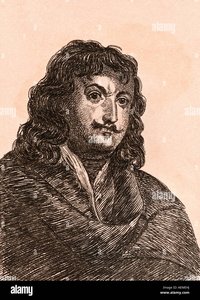
david rijckaert iii or david rijckaert the younger
1612 - 1661 , Belgium
Kratke činjenice
- Artistic Movement Or Style: Genre painting
- Artists Or Movements Influenced By This Artist: ['Baroque art']
- Artists Who Influenced This Artist:
- Adriaen Brouwer
- Pieter Teniers
- Date Of Birth: December 2, 1612
- Full Name: David Ryckaert III
- Nationality: Flemish
- Notable Artworks:
- Interior of a Cobbler’s Shop
- L
- Place Of Birth: Antwerp, Belgium

