 Pregledaj u prostoru
 Pošalji
 Podeli
 Detalji o delu

 Преузми
 Slični predmeti
 Rendgenski snimak
 Slajdovi
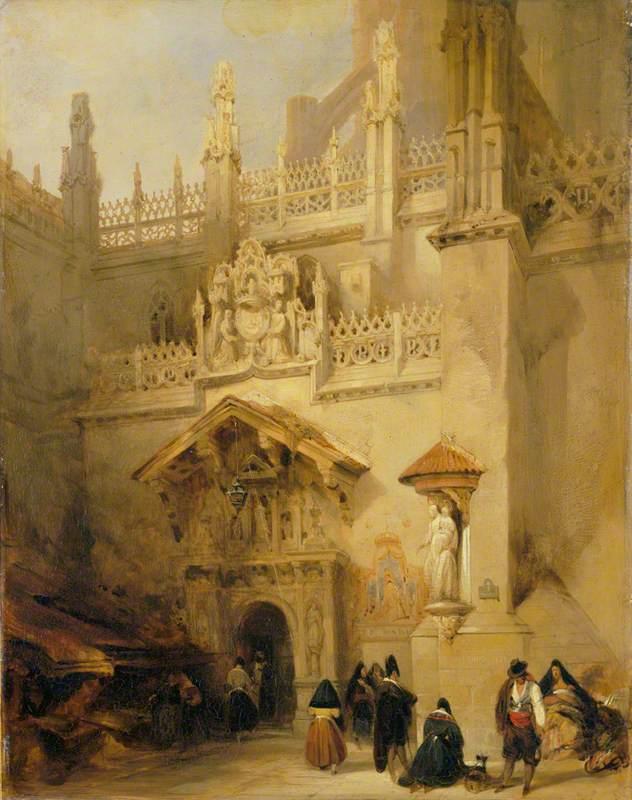
Granada the Chapel of Ferdinand and Isabella


 Pročitaj više
Ručno rađena uljana reprodukcija
Ručno oslikano uljanim bojama na platnu u dimenzijama i okviru po vašem izboru, izrađeno po porudžbini od strane naših umetnika. ( Kupi print Kupi digitalnu sliku)




P118B $10

P118H $10

P118W $10

P438Z $10

P508JH $12

P508YH $12

P805H $10

P805Z $10

P919BZ $10

P919G $10

P919XJ $10

P959ZH $10

P968JZ $12

W106C $8

W218G $10

W218JH $8

W218Y $10

W307PJ $10

W316G $10

W316PJ $8

W316Y $10

W398PJ $8

W4111J $10

W500HY $15

W500JH $15

W692G $12

W849H $8

W940BG $15

W953PJ $8




Izaberite jednu od naših unapred definisanih veličina koje odgovaraju originalnim proporcijama umetničkog dela.

Можете унети сопствене димензије како бисте прилагодили дело одређеном оквиру или простору. Ако одабрана величина не одговара пропорцијама оригинала, слика ће бити исечена или проширена додатним елементима који се ручно насликавају. Дигитални prikaz ће вам бити послат на одобрење пре почетка производње.
Имајте на уму да преглед на екрану не одражава стварно исецање или проширење. Само приказ (mockup) ће тачно приказати коначну композицију.
Иако су доступне прилагођене величине, препоручујемо да одаберете димензију из дефинисане листе како бисте сачували оригиналне пропорције.
Nakon narudžbine, tim ArtsDot.com će klijentu putem e-pošte poslati uputstva i dostaviti prikaz predloženog rešenja
Isporuka širom sveta () za 3/4 nedelje umesto uobičajenih 5 nedelja. (21 август). Bez kompromisa po pitanju kvaliteta.

Besplatna ekspresna dostava širom sveta

Visokokvalitetno laneno platno

Kompletno osiguranje transporta

Garancija povraćaja carine i uvoznih dažbina

Garancija vernosti boja

Politika povrata u roku od 60 dana (samo u slučaju nedostataka)

Garancija povrata novca od 100%

Popust pri grupnoj kupovini
 Opcija sa staklom dostupna je samo za dimenzije manje od 110 cm

Granada the Chapel of Ferdinand and Isabella
Tehnika reprodukcije
Dimenzije reprodukcije
-


Konačna cena
$ 263
Opis umetničkog dela
David Roberts’ Granada: The Chapel of Ferdinand and Isabella – A Window into Spanish Majesty
David Roberts's 1838 painting, “Granada: The Chapel of Ferdinand and Isabella,” isn’t merely a landscape; it’s a meticulously crafted tableau vivant, offering a rare glimpse into the heart of Spain’s golden age. Roberts, a Scottish artist who spent formative years immersed in Orientalist scenes, shifted his focus to Europe during this period, producing works that are both strikingly detailed and imbued with a profound sense of historical awareness. This particular piece transcends simple representation, becoming a poignant meditation on power, faith, and the enduring legacy of the Catholic Monarchs.
The scene unfolds within the Royal Chapel of Granada, a structure built to house the tombs of Ferdinand II and Isabella – the very figures who unified Spain and initiated the era of Spanish exploration. Roberts doesn’t depict the chapel in its full grandeur; instead, he captures a moment of relative quietude, a fleeting glimpse into the sacred space. The composition is carefully orchestrated: a small group of individuals—likely pilgrims or visitors—are scattered across the foreground, their postures suggesting contemplation and reverence. A dog, perhaps a loyal companion, adds a touch of domesticity to this otherwise formal setting.
The Painter’s Technique – A Masterclass in Detail
Roberts' skill lies not just in his ability to capture a scene but in the exquisite detail with which he renders it. Executed in oil on panel, the painting is a testament to his painstaking observation and technical mastery. Notice the subtle variations in light and shadow that define the architecture of the chapel – the rough-hewn stone, the intricate carvings, and the play of sunlight streaming through the windows. Roberts’ use of color is equally noteworthy; he employs muted earth tones—ochres, browns, and grays—to evoke a sense of age and solidity, punctuated by brighter highlights that draw attention to key elements like the figures and architectural details.
The artist's background in scene painting – creating immersive environments for theatrical productions – clearly informs his approach. He meticulously constructs a believable space, layering perspective and detail with remarkable precision. Roberts’ technique is characterized by a smooth, almost velvety application of paint, contributing to the overall sense of realism and depth.
Historical Context & Symbolic Resonance
To fully appreciate “Granada: The Chapel of Ferdinand and Isabella,” it's crucial to understand its historical context. This painting was created during a period of significant political and religious upheaval in Spain – the aftermath of the Reconquista, the expulsion of Jews and Muslims, and the rise of the Spanish Inquisition. The chapel itself is a potent symbol of this era: a testament to the power and piety of Ferdinand and Isabella, who oversaw the unification of Spain and ushered in an age of exploration and conquest.
The figures within the painting are not merely observers; they represent the diverse populace that flocked to Granada to pay homage to the Catholic Monarchs. Their presence underscores the chapel’s role as a focal point for religious devotion and national identity. The inclusion of the dog, a common symbol of loyalty and fidelity, further reinforces this theme.
A Window into the Soul of Spain
Beyond its historical and artistic merits, “Granada: The Chapel of Ferdinand and Isabella” possesses a profound emotional resonance. Roberts’ careful composition and evocative use of light create a sense of quiet contemplation—a feeling that invites the viewer to step back in time and experience the atmosphere of this sacred space. It's not simply a depiction of a building; it’s a portrait of an era, a testament to human ambition, faith, and the enduring power of memory. Reproductions of this work offer a tangible connection to Spain’s rich past, inviting us to reflect on its complexities and appreciate its artistic legacy.
Srodna umetnička dela
Biografija umetnika
Давид Робертс: Живот исписан четком
Давид Робертс (1796-1864), шкотски сликар, оставио је неизбрисив траг у свету уметности захваљујући својим детаљним оријенталистичким сценама и прецизним литографијама. Његово дело представља непроцењив визуелни документ Блиског Истока током 19. века, спајајући уметничку репрезентацију са историјским записом. Робертс није био само сликар; он је био хроничар, истраживач и умештан посматрач који је кроз своје радове отворио прозор у свет који је многима остао непознат.
Рани живот и почеци каријере
Рођен 24. октобра 1796. године у Стокбриџу, недалеко од Единбурга, Робертсов рани живот био је обележен практичном обуком. Већ са десет година започео је учење код сликара и декоратера Гавина Беуга. Ово је поставило чврсту техничку основу коју је касније надоградио вечерашњим студијама уметности. Његов први професионални посао био је редекорисање дворца Скон 1815. године, а затим се посветио сценографији за циркус Џејмса Банистера, где је усавршио вештину стварања импресивних и задивљујућих окружења. Ова рана искуства била су пресудна за његов касни успех као познатог оријенталисте.
Уметнички пут и инспирације
Робертсов уметнички развој био је обликован растућом фасцинацијом различитим културама и пејзажима. Иако се првобитно фокусирао на позоришну сцену, постепено се окренуо самосталним уметничким пројектима. Путовања у Шпанију 1832. године била су преломна тачка, пробудивши његово интересовање за архитектонске детаље и егзотичне локације. Међутим, тек су његове опсежне турнеје по Египту и Блиском Истоку (1838-1840) дефинисале његову каријеру. Ова путовања му је пружила богатство скица и запажања које је касније претворио у своја најпознатија дела. Његов стил није био под јаким утицајем неког посебног уметника, већ се развио кроз пажљиво посматрање и техничку мајсторску израду.
Најистакнутија дела и достигнућа
Робертс је најпознатији по делу Света Земља, Сирија, Идумеја, Арабија, Египат и Нубија – серији прецизних литографских отисака. Ове слике су зауставиле величину древних локалитета и живост савременог живота у региону. Његова способност да дочара атмосферу, светлу и текстуру Блиског Истока била је без премца.
- Литографије: Његове литографије су биле широко распрострањене и имале су велики утицај на обликовање европских перцепција Блиског Истока.
- Слике: Такође је створио бројне уљане слике, често великих размера које приказују простране пејзаже и архитектонска чуда.
1841. године Робертс је изабран за члана Краљевске академије – значајно признање његовог доприноса уметничком свету.
Уметнички стил и карактеристике
Робертсов уметнички стил се карактерише:
- Оријентализам: Јак фокус на приказивању сцена са Блиског Истока, одражавајући европску фасцинацију “Оријентом”.
- Пажња до детаља: Његов рад је познат по прецизности и тачности у рендеровању архитектонских детаља, костима и пејзажа.
- Пејзажи & Градски призори: Вешто је комбиновао романтичну осетљивост са пажљивим посматрањем, стварајући евокативне приказе природних средина и урбаних окружења.
Наслеђе и историјски значај
Дело Давида Робертса играло је кључну улогу у популаризацији Блиског Истока међу европском публиком. Његове слике су пружиле визуелни прозор у регион који је многима остао непознат, утичући на путовања, науку и уметничку репрезентацију.
Његове литографије служиле су као важни историјски документи, чувајући слике локалитета који су се касније променили или изгубили. Оставио је неизбрисив траг у свету уметности, инспиришући наредне генерације уметника и настављајући да задивљује гледаоце и данас.
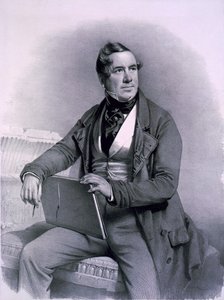
Dejvid Roberts
1796 - 1864 , Ujedinjeno Kraljevstvo
Osnovne informacije
- Artistic Movement Or Style: Orijentalizam
- Artists Or Movements Influenced By This Artist: ['Jenaro Pérez Villaamil']
- Date Of Birth: 24. oktobar 1796.
- Date Of Death: 1864.
- Full Name: David Roberts
- Nationality: Škotlanin
- Notable Artworks (List Of Titles): ['Svetu Zemlju, Siriju…']
- Place Of Birth (City And Country): Stockbridge, Ujedinjeno Kraljevstvo
Povezani članci

Glavna dela koja su definisala Romantični pejzaž: 10 remek-dela za vaš dom
Otkrijte 10 remek-dela romantičnog pejzažnog slikarstva! Uronite u svet Claude Lorraina, Caspara David Friedricha i Turnera. Ispričane priče umetnosti, inspiracija za dekoraciju doma. Kvalitetne reprodukcije na ArtsDot.com – istražite celu kolekciju online!

David Roberts: A Scottish Pioneer of Topographical Art & Orientalist Vision
Explore the captivating world of David Roberts, a pioneering Scottish painter renowned for his detailed Orientalist scenes & stunning Egyptian landscapes. Discover his legacy and find museum-quality reproductions at ArtsDot.

Evocations of Place: A Historical Journey Through Landscape Art
Explore the rich history of landscape art with ArtsDot. Discover renowned artists, movements like Impressionism & Romanticism, and expert guidance for collecting timeless pieces. Find your perfect serene escape today!

25 Remek-dela Džona Konstebla: Lepota Engleske na Platnu | ArtsDot
Uronite u svet Džona Konstebla! Otkrijte 25 remek-dela engleskog pejzaža, romantizma i seoske idile. Kupite reprodukcije slika vrhunskog kvaliteta za dekoraciju enterijera na ArtsDot.com.
David Cox the Elder: Landscape, Light & the Romantic Vision of Rural England
Explore the captivating landscapes of David Cox the Elder, a pivotal figure in British Romanticism. Discover his masterful watercolour techniques, enduring legacy & find timeless art for your home at ArtsDot.