 Pregledaj u prostoru
 Pošalji
 Podeli
 Detalji o delu

 Преузми
 Slični predmeti
 Rendgenski snimak
 Slajdovi
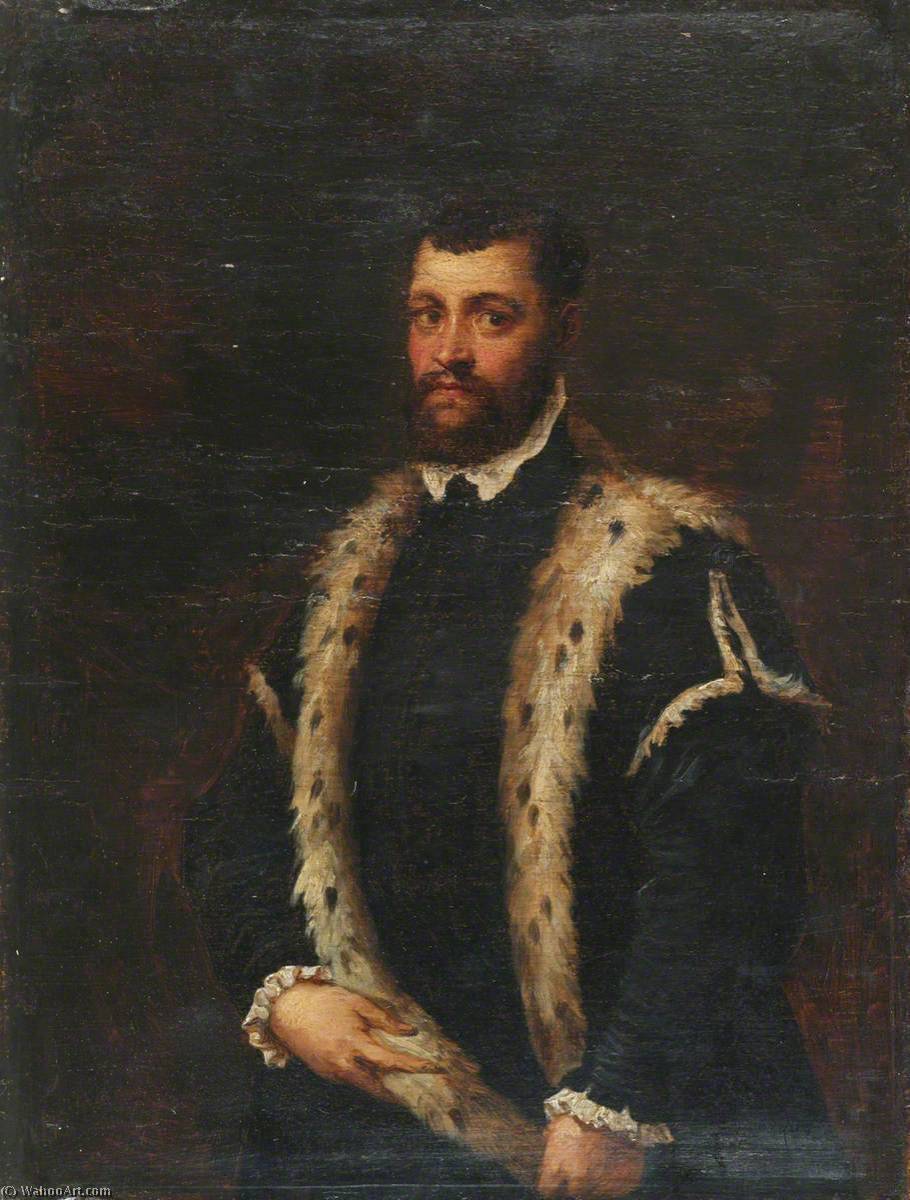
Portrait of a Man (after Titian)
 Oil On Canvas
- WallArt
- Baroque Flemish
 1656
1656 23.0 x 17.0 cm
 Courtauld Gallery
 Pročitaj više
Ručno rađena uljana reprodukcija
Ručno oslikano uljanim bojama na platnu u dimenzijama i okviru po vašem izboru, izrađeno po porudžbini od strane naših umetnika. ( Kupi print Kupi digitalnu sliku)




P118B $10

P118H $10

P118W $10

P438Z $10

P508JH $12

P508YH $12

P805H $10

P805Z $10

P919BZ $10

P919G $10

P919XJ $10

P959ZH $10

P968JZ $12

W106C $8

W218G $10

W218JH $8

W218Y $10

W307PJ $10

W316G $10

W316PJ $8

W316Y $10

W398PJ $8

W4111J $10

W500HY $15

W500JH $15

W692G $12

W849H $8

W940BG $15

W953PJ $8




Izaberite jednu od naših unapred definisanih veličina koje odgovaraju originalnim proporcijama umetničkog dela.

Можете унети сопствене димензије како бисте прилагодили дело одређеном оквиру или простору. Ако одабрана величина не одговара пропорцијама оригинала, слика ће бити исечена или проширена додатним елементима који се ручно насликавају. Дигитални prikaz ће вам бити послат на одобрење пре почетка производње.
Имајте на уму да преглед на екрану не одражава стварно исецање или проширење. Само приказ (mockup) ће тачно приказати коначну композицију.
Иако су доступне прилагођене величине, препоручујемо да одаберете димензију из дефинисане листе како бисте сачували оригиналне пропорције.
Nakon narudžbine, tim ArtsDot.com će klijentu putem e-pošte poslati uputstva i dostaviti prikaz predloženog rešenja
Isporuka širom sveta () za 3/4 nedelje umesto uobičajenih 5 nedelja. (31 август). Bez kompromisa po pitanju kvaliteta.

Besplatna ekspresna dostava širom sveta

Visokokvalitetno laneno platno

Kompletno osiguranje transporta

Garancija povraćaja carine i uvoznih dažbina

Garancija vernosti boja

Politika povrata u roku od 60 dana (samo u slučaju nedostataka)

Garancija povrata novca od 100%

Popust pri grupnoj kupovini
 Opcija sa staklom dostupna je samo za dimenzije manje od 110 cm

Portrait of a Man (after Titian)
Tehnika reprodukcije
Dimenzije reprodukcije
-


Konačna cena
$ 263
Portrait of a Man (After Titian) – A Window into Renaissance Intrigue
David Teniers the Younger’s “Portrait of a Man (after Titian)” is more than just a depiction of an individual; it's a carefully constructed tableau brimming with subtle details that whisper tales of status, wealth, and the burgeoning intellectual currents of 17th-century Flanders. Executed in 1651-1656, this remarkable work stands as a testament to Teniers’ extraordinary versatility – his ability to both faithfully emulate the grandeur of Titian and infuse it with his own distinctive Flemish sensibility. The painting itself is an oil on panel, measuring a modest 911 x 1200 pixels, yet within its relatively small dimensions resides a wealth of visual information that rewards careful observation.
At first glance, the portrait presents a man of considerable presence, clad in the dark formality of a black coat trimmed with luxurious fur. The rich texture of this garment immediately speaks to his social standing – a merchant, perhaps, or a member of the landed gentry. The meticulously rendered details—the subtle sheen of the velvet, the precise stitching of the cuffs—are hallmarks of Teniers’ meticulous approach. However, it's not merely the material that defines him; it’s the way he wears it, with an air of quiet confidence and understated authority. His gaze, directed squarely at the viewer, is both engaging and slightly enigmatic, inviting us to contemplate his thoughts and motivations.
The Echoes of Titian – A Masterful Homage
Teniers’ debt to Titian is undeniable, most strikingly evident in the composition itself. The pose—a turn of the body, a tilt of the head—is directly borrowed from Titian's seminal “A Man with a Quilted Sleeve,” a painting that had captivated artists for decades and served as a model for countless portraits. The use of a parapet – a low wooden ledge projecting slightly beyond the figure – is another key element, mirroring Titian’s innovative approach to creating depth and visual interest within a portrait format. This device subtly shifts the perspective, drawing the viewer into the scene and blurring the boundaries between subject and space.
Yet, Teniers doesn't simply copy Titian; he transforms it. The lighting is softer, more diffused than in the Venetian master’s work, lending a sense of intimacy to the portrait. Furthermore, Teniers adds his own subtle touches – a delicate lace collar, a glimpse of a patterned waistcoat beneath the coat—that imbue the image with a distinctly Flemish character. This skillful blending of influences demonstrates Teniers' deep understanding and appreciation for the artistic traditions he inherited.
Symbolism and Social Commentary
Beyond its formal qualities, “Portrait of a Man” offers glimpses into the social and intellectual landscape of 17th-century Flanders. The man’s attire—the fur trim, the elaborate coat—suggests wealth and status, but also hints at the burgeoning mercantile activity that was transforming the region. The inclusion of details like the patterned waistcoat could be interpreted as a subtle display of taste and refinement – a way for the sitter to signal his membership in the upper echelons of society.
Interestingly, the painting’s provenance suggests a connection to the world of diplomacy and cultural exchange. It was acquired by Archduke Leopold Wilhelm, a renowned art collector who served as curator of the Habsburg Netherlands. This association underscores the importance of art as a tool for political influence and cultural prestige during this period. The portrait likely served not only as a personal memento but also as a symbol of the archdukes’ patronage of Flemish artists.
A Timeless Portrait – Capturing Essence
“Portrait of a Man (after Titian)” is more than just a beautiful painting; it's a window into a bygone era. Through his masterful technique and astute observation, David Teniers the Younger has created an image that transcends its historical context, speaking to universal themes of identity, status, and human connection. Its enduring appeal lies in its ability to capture not only the outward appearance of the sitter but also something deeper—a sense of personality, character, and perhaps even a hint of mystery. Reproductions of this piece offer an exceptional opportunity to bring this captivating portrait into any space, adding a touch of Renaissance elegance and intellectual intrigue.
Srodna umetnička dela
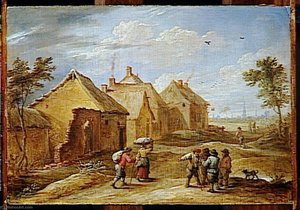
Biografija umetnika
Давид Тенирс Млађи: Живот и наслеђе
Давид Тенирс Млађи, рођен у Антверпену 15. децембра 1610. године, био је водећи фламански барокни сликар чија су дела одишевала живописношћу жанровских сцена, реалистичним приказима сеоског живота и детаљним пејзажима. Потицао је из породице укорењене у уметничкој традицији Фландрије; његов отац, Давид Тенирс Старији, такође сликар, био му је први учитељ и ментор. У почетку су се финансијски проблеми породице одражавали на младог Давида, који је радиo копирајући радове старих мајстора како би допринео приходу домаћинства. Ово рано искуство га је упознало са техникама и стиловима великих претходника, постављајући основу за његов каснији развој.Уметнички развој и утицаји
Тенирсов рани рад био је снажно обликован стилом његовог оца, фокусирајући се на мање кабинетске слике. Међутим, његова пажња није била усмерена само на породичну традицију; он је такође упијао утицаје других фламанских мајстора, посебно Питера Бругела Старијег, чији реалистични прикази сеоског живота су га дубоко импресионирали. Преломни тренутак у његовом развоју дошаo је са повезаношћу са Петром Паулом Рубенсом. Удајом за Ану Бругел, ћерку Јана Бругела Старијег, и уз Рубенса као сведока на венчању, Тенирс је успоставио близак однос са великим мајстором. Ова асоцијација није само ојачала његов уметнички таленат већ га је и подстакла да се специјализује за жанровско сликање – приказивање свакодневног живота – постајући познат по својим живим сценама сеоских фестивала (кермеса), унутрашњости таверни и пејзажа.Жанровске сцене и стил
Најславнији Тенирсови радови су његове жанровске слике, које често приказују бурне сцене сеоског живота испуњене весељем, плесом, пићем и играма. Серија "Фламандски кермес" савршено оличава његов стил – живописне боје, детаљне композиције и оштар осећај за људско понашање. Тенирс је био мајстор у хватању суптилних нијанси свакодневног живота, приказујући радост и немире обичних људи са изванредном прецизношћу. Поред кермеса, производио је шармантне пејзаже, често укључујући фигуре ангажоване у руралним активностима, и тавернске сцене које су посебно запажене по реалистичном приказу свакодневног живота и бурне атмосфере у тим установама. Његов стил карактерише пажња на детаље, динамична композиција и способност да се пренесе живост и енергија приказаних сцена.Дворски сликар и куратор
Тенирсов таленат стекао је признање на Хабсбуршком двору. Постао је дворски сликар и куратор за надвојводу Леополда Вилхелма, гувернера Шпанских Недерланда. Као куратор, био је одговоран за управљање обимном уметничком збирком надвојводе, стварајући инвентар и каталогизујући радове. Ова позиција му је омогућила да се продуби његово познавање уметности и успостави контакте са другим важним колекционарима и уметницима. Тенирс је такође одиграо кључну улогу у оснивању Антверпенске академије финих уметности, чија је сврха била да оживи фламанско сликање након периода пада који је уследио након смрти Рубенса и Ван Дајка. Ово је био значајан допринос културном препороду региона.Историјски значај и наслеђе
Давид Тенирс Млађи се сматра водећим фламанским жанровским сликаром свог времена, који је са изузетним умешћем заухватио суштину живота у 17. веку. Његов рад је имао знатан утицај на касније генерације северноевропских сликара и чак је утицао на француске рококо уметнике, попут Антона Ватоа. Тенирс је био изузетно плодан уметник, производивши велики корпус радова који се и данас диве због свог шарма, детаља и историјског увида. Умро је у Антверпену 25. априла 1690. године, оставивши трајно наслеђе као један од најважнијих барокних сликара Фландрије. Његова дела настављају да инспиришу и очаравају публику широм света, сведочећи о његовом изванредном таленту и уметничкој визији.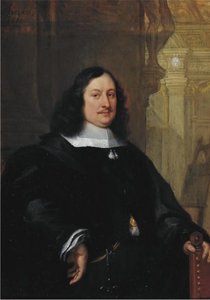
David Tenije Mlađi
1610 - 1690 , Србија
Osnovne informacije
- Datum Rođenja: 15. decembar 1610.
- Datum Smrti: 25. april 1690.
- Mesto Rođenja: Antwerpen, Belgija
- Nacionalnost: Flamanski
- Puno Ime: David Teniers Mlađi
- Umetnici Koji Su Uticali: ['Peter Paul Rubens']
- Umetnici Pod Uticajem: ['Antoine Watteau']
- Umetnički Pokret: Barok
- Značajna Dela:
- Dva pijanca
- Selscena scena
- Kuhinjska scena
- Flamanska kermesa
Povezani članci
David Teniers the Younger: Genre Painting & Social Commentary in Baroque Flanders
Explore the captivating world of David Teniers the Younger, a leading Flemish Baroque painter. Discover his genre scenes, social commentary, and lasting influence on 17th-century art. Learn about his life, techniques & legacy.
David Teniers II: Master of Flemish Genre & Social Commentary
Explore the captivating world of David Teniers II, a leading Flemish Baroque painter renowned for his lively genre scenes & insightful social commentary. Discover his masterpieces and legacy with ArtsDot.
Jacob Jordaens: Baroque Dynamism & Genre Innovation of the Antwerp School
Discover Jacob Jordaens, a leading Flemish Baroque painter renowned for his dynamic compositions & realistic genre scenes. Explore his life, art, and lasting influence with ArtsDot.

The Visceral Stage: Exploring Dramatic Narratives & Emotional Intensity in Baroque Art
Explore the dramatic world of Baroque art! Discover iconic masters like Caravaggio & Rembrandt, their techniques, and the movement's lasting impact. Expert insights for collectors & enthusiasts at ArtsDot.

Барокна драма: Уношење величине и емоција у савремене ентеријере
Откријте барокну драму и унесите величину у ваш ентеријер! ArtsDot нуди ручно насликане репродукције, персонализоване портрете и стручне консултације за љубитеље класичне уметности. Потражите савршено дело већ данас!