 Pregledaj u prostoru
 Pošalji
 Podeli
 Detalji o delu

 Преузми
 Slični predmeti
 Rendgenski snimak
 Slajdovi
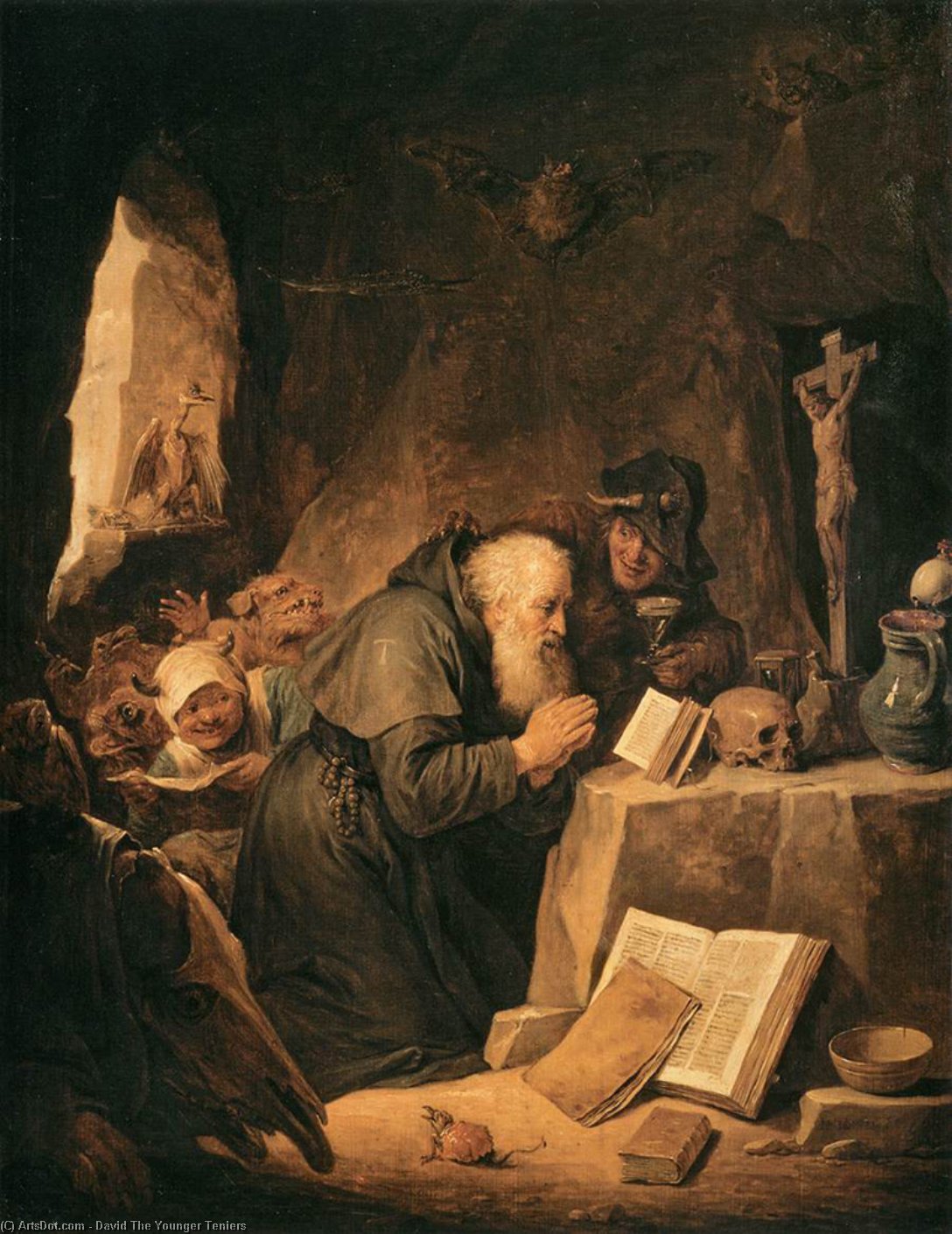
The Temptation of St Anthony
 Acrylic On Canvas
- WallArt
- Baroque Painting
 1640
1640 22.0 x 16.0 cm
 Louvre
 Pročitaj više
Giclee štampa / Umetnički otisak
Giclée štampa ili print na platnu muzejskog kvaliteta uz brzu proizvodnju i fleksibilne opcije završne obrade. ( Kupi ručno naslikanu sliku Kupi digitalnu sliku)




P118B $10

P118H $10

P118W $10

P438Z $10

P508JH $12

P508YH $12

P805H $10

P805Z $10

P919BZ $10

P919G $10

P919XJ $10

P959ZH $10

P968JZ $12

W106C $8

W218G $10

W218JH $8

W218Y $10

W307PJ $10

W316G $10

W316PJ $8

W316Y $10

W398PJ $8

W4111J $10

W500HY $15

W500JH $15

W692G $12

W849H $8

W940BG $15

W953PJ $8




Izaberite jednu od naših unapred definisanih veličina koje odgovaraju originalnim proporcijama umetničkog dela.

Možete uneti sopstvene dimenzije kako biste umetničko delo prilagodili specifičnom okviru ili prostoru. Ako odabrani format ne odgovara proporcijama originalne slike, mi ćemo ili iscrtati deo dela ili proširiti sliku pomoću ogledane ivice ili jednobojnog popunjavanja. Digitalni prikaz će vam biti poslat na odobrenje pre početka proizvodnje.
Imajte na umu da pregled na ekranu ne odražava stvarno iscrtavanje ili proširivanje. Samo će prikaz (mockup) precizno pokazati finalnu kompoziciju.
Iako su prilagođene dimenzije dostupne, preporučujemo da odaberete dimenziju sa unapred definisane liste kako biste očuvali originalne proporcije.
Dostava širom sveta () za 2 nedelje umesto uobičajenih 4/5 nedelja. (24 август)

Besplatna ekspresna dostava širom sveta

Visokokvalitetno laneno platno

Kompletno osiguranje transporta

Garancija povraćaja carine i uvoznih dažbina

Garancija vernosti boja

Politika povrata u roku od 60 dana (samo u slučaju nedostataka)

Garancija povrata novca od 100%

Popust pri grupnoj kupovini
 Opcija sa staklom dostupna je samo za dimenzije manje od 110 cm

The Temptation of St Anthony
Giclee štampa / Umetnički otisak
Dimenzije reprodukcije
-


Konačna cena
$ 62
Opis predmeta
A Descent into Temptation: David Teniers the Younger’s “The Temptation of St. Anthony”
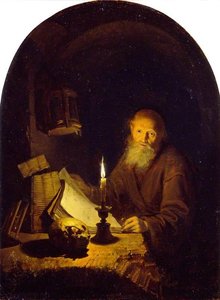
David Teniers the Younger's "The Temptation of St. Anthony," painted in 1640, is more than just a depiction of a biblical scene; it’s a meticulously rendered tableau of human desire and spiritual struggle, steeped in the rich traditions of Flemish art. The painting transports us to an intimate, almost claustrophobic grotto, illuminated by flickering candlelight that casts dramatic shadows across the figures and furnishings. It's a work brimming with detail, inviting close inspection and revealing layers of symbolism that speak volumes about the complexities of faith and temptation.
The scene centers on St. Anthony, kneeling in fervent prayer before a table laden with earthly delights – a bowl, books, and, most strikingly, two human skulls. These aren’t merely props; they represent the very temptations that plague the saint: worldly pleasures, mortality, and the allure of sin. The figures surrounding him are equally significant. A young man, seemingly offering a goblet, embodies sensual indulgence, while another, perhaps representing demonic influence, lurks in the background, his presence subtly unsettling. The setting itself – an underground cave or grotto – reinforces the idea of a solitary battle waged within the soul, removed from the distractions of the outside world.
A Masterclass in Flemish Technique
Teniers’ skill as a painter is immediately apparent in the meticulous rendering of textures and materials. The rough-hewn stone walls of the grotto are convincingly portrayed, while the folds of St. Anthony's robe and the sheen of the table are rendered with remarkable realism. He employed a technique known as *alla prima*, working directly onto the canvas without extensive underpainting, resulting in a vibrant, immediate quality to the colors and forms. The use of chiaroscuro – the dramatic contrast between light and shadow – is particularly effective, heightening the sense of drama and emphasizing the emotional intensity of the scene. The subtle gradations of color and the careful modeling of the figures demonstrate Teniers’ mastery of oil paint, a medium he expertly manipulated to achieve both luminous effects and precise detail.
Historical Context and Artistic Influences
Painted in Antwerp during the Golden Age of Flemish art, “The Temptation of St. Anthony” reflects the prevailing religious piety and artistic conventions of the period. The subject itself – the temptation of St. Anthony by demons – was a popular theme among Northern Renaissance artists, often used to explore moral and spiritual themes. Teniers’ work is deeply rooted in the traditions of his father, David Teniers the Elder, but also demonstrates an influence from Peter Paul Rubens, particularly in his use of color and dynamic composition. Notably, Teniers' early career involved copying older masterworks to support his family, a practice that honed his observational skills and deepened his understanding of artistic principles.
Symbolism and Emotional Resonance
Beyond the immediate narrative, “The Temptation of St. Anthony” is rich in symbolic meaning. The skulls serve as potent reminders of human mortality and the fleeting nature of earthly pleasures. The books represent knowledge and wisdom, yet they are juxtaposed with the temptations that can lead one astray. The act of kneeling in prayer signifies a desperate plea for divine guidance. Ultimately, the painting captures a profound sense of inner turmoil – the struggle between faith and desire, virtue and temptation. It’s not merely a story of a saint's ordeal but an exploration of the universal human condition: our constant battle against our own weaknesses and our yearning for something beyond ourselves.
A Timeless Image for Collectors and Designers
Reproduced faithfully in this exquisite 22 x 16 cm artwork, “The Temptation of St. Anthony” retains its power to move and inspire. Its dramatic composition, masterful technique, and profound symbolism make it a compelling addition to any art collection or interior space. The painting’s evocative atmosphere and exploration of timeless themes ensure that it will continue to resonate with viewers for generations to come. Consider this piece as more than just decoration; it's an invitation to contemplate the complexities of faith, temptation, and the enduring human spirit.
Srodna umetnička dela
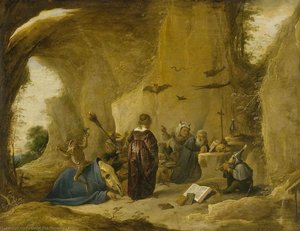
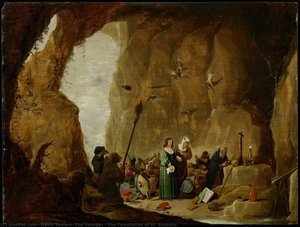
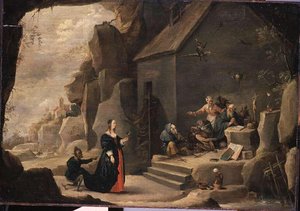
Biografija umetnika
Давид Тенирс Млађи: Живот и наслеђе
Давид Тенирс Млађи, рођен у Антверпену 15. децембра 1610. године, био је водећи фламански барокни сликар чија су дела одишевала живописношћу жанровских сцена, реалистичним приказима сеоског живота и детаљним пејзажима. Потицао је из породице укорењене у уметничкој традицији Фландрије; његов отац, Давид Тенирс Старији, такође сликар, био му је први учитељ и ментор. У почетку су се финансијски проблеми породице одражавали на младог Давида, који је радиo копирајући радове старих мајстора како би допринео приходу домаћинства. Ово рано искуство га је упознало са техникама и стиловима великих претходника, постављајући основу за његов каснији развој.Уметнички развој и утицаји
Тенирсов рани рад био је снажно обликован стилом његовог оца, фокусирајући се на мање кабинетске слике. Међутим, његова пажња није била усмерена само на породичну традицију; он је такође упијао утицаје других фламанских мајстора, посебно Питера Бругела Старијег, чији реалистични прикази сеоског живота су га дубоко импресионирали. Преломни тренутак у његовом развоју дошаo је са повезаношћу са Петром Паулом Рубенсом. Удајом за Ану Бругел, ћерку Јана Бругела Старијег, и уз Рубенса као сведока на венчању, Тенирс је успоставио близак однос са великим мајстором. Ова асоцијација није само ојачала његов уметнички таленат већ га је и подстакла да се специјализује за жанровско сликање – приказивање свакодневног живота – постајући познат по својим живим сценама сеоских фестивала (кермеса), унутрашњости таверни и пејзажа.Жанровске сцене и стил
Најславнији Тенирсови радови су његове жанровске слике, које често приказују бурне сцене сеоског живота испуњене весељем, плесом, пићем и играма. Серија "Фламандски кермес" савршено оличава његов стил – живописне боје, детаљне композиције и оштар осећај за људско понашање. Тенирс је био мајстор у хватању суптилних нијанси свакодневног живота, приказујући радост и немире обичних људи са изванредном прецизношћу. Поред кермеса, производио је шармантне пејзаже, често укључујући фигуре ангажоване у руралним активностима, и тавернске сцене које су посебно запажене по реалистичном приказу свакодневног живота и бурне атмосфере у тим установама. Његов стил карактерише пажња на детаље, динамична композиција и способност да се пренесе живост и енергија приказаних сцена.Дворски сликар и куратор
Тенирсов таленат стекао је признање на Хабсбуршком двору. Постао је дворски сликар и куратор за надвојводу Леополда Вилхелма, гувернера Шпанских Недерланда. Као куратор, био је одговоран за управљање обимном уметничком збирком надвојводе, стварајући инвентар и каталогизујући радове. Ова позиција му је омогућила да се продуби његово познавање уметности и успостави контакте са другим важним колекционарима и уметницима. Тенирс је такође одиграо кључну улогу у оснивању Антверпенске академије финих уметности, чија је сврха била да оживи фламанско сликање након периода пада који је уследио након смрти Рубенса и Ван Дајка. Ово је био значајан допринос културном препороду региона.Историјски значај и наслеђе
Давид Тенирс Млађи се сматра водећим фламанским жанровским сликаром свог времена, који је са изузетним умешћем заухватио суштину живота у 17. веку. Његов рад је имао знатан утицај на касније генерације северноевропских сликара и чак је утицао на француске рококо уметнике, попут Антона Ватоа. Тенирс је био изузетно плодан уметник, производивши велики корпус радова који се и данас диве због свог шарма, детаља и историјског увида. Умро је у Антверпену 25. априла 1690. године, оставивши трајно наслеђе као један од најважнијих барокних сликара Фландрије. Његова дела настављају да инспиришу и очаравају публику широм света, сведочећи о његовом изванредном таленту и уметничкој визији.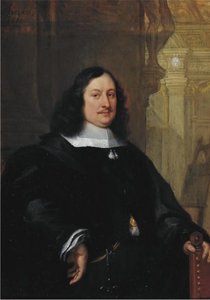
David Tenije Mlađi
1610 - 1690 , Србија
Osnovne informacije
- Datum Rođenja: 15. decembar 1610.
- Datum Smrti: 25. april 1690.
- Mesto Rođenja: Antwerpen, Belgija
- Nacionalnost: Flamanski
- Puno Ime: David Teniers Mlađi
- Umetnici Koji Su Uticali: ['Peter Paul Rubens']
- Umetnici Pod Uticajem: ['Antoine Watteau']
- Umetnički Pokret: Barok
- Značajna Dela:
- Dva pijanca
- Selscena scena
- Kuhinjska scena
- Flamanska kermesa
Povezani članci
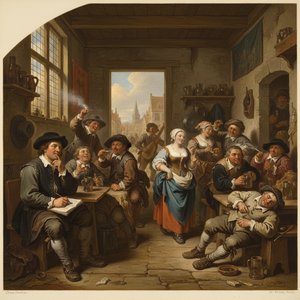
David Teniers the Younger: Genre Painting & Social Commentary in Baroque Flanders
Explore the captivating world of David Teniers the Younger, a leading Flemish Baroque painter. Discover his genre scenes, social commentary, and lasting influence on 17th-century art. Learn about his life, techniques & legacy.
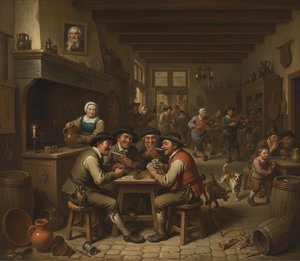
David Teniers II: Master of Flemish Genre & Social Commentary
Explore the captivating world of David Teniers II, a leading Flemish Baroque painter renowned for his lively genre scenes & insightful social commentary. Discover his masterpieces and legacy with ArtsDot.

Барокна драма: Уношење величине и емоција у савремене ентеријере
Откријте барокну драму и унесите величину у ваш ентеријер! ArtsDot нуди ручно насликане репродукције, персонализоване портрете и стручне консултације за љубитеље класичне уметности. Потражите савршено дело већ данас!

The Dramatic Flourish: Exploring the Baroque Movement's Enduring Legacy in Art History
Explore the dramatic world of Baroque art! Discover iconic artists like Caravaggio & Rubens, defining techniques, and its lasting impact on art history. Expert insights for collectors & enthusiasts at ArtsDot.

The Visceral Stage: Exploring Dramatic Narratives & Emotional Intensity in Baroque Art
Explore the dramatic world of Baroque art! Discover iconic masters like Caravaggio & Rembrandt, their techniques, and the movement's lasting impact. Expert insights for collectors & enthusiasts at ArtsDot.