

 Pregledaj u prostoru
 Pošalji
 Podeli
 Detalji o delu

 Преузми
 Slični predmeti
 Rendgenski snimak
 Slajdovi
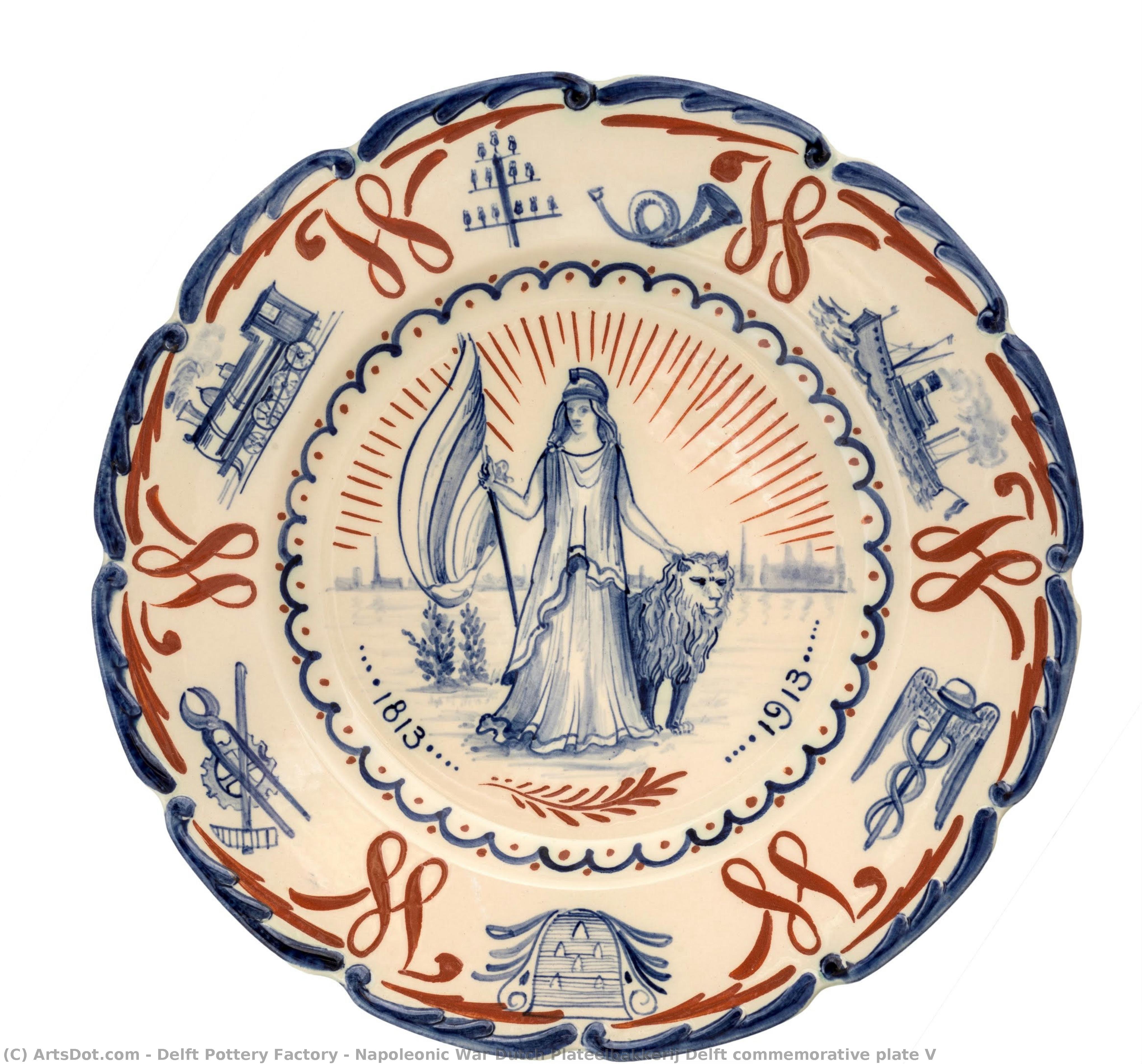
Napoleonic War Dutch Plateelbakkerij Delft commemorative plate V
 1913
1913 23.0 x 3.0 cm
 University of Pretoria Museums
 Pročitaj više
Giclee štampa / Umetnički otisak
Giclée štampa ili print na platnu muzejskog kvaliteta uz brzu proizvodnju i fleksibilne opcije završne obrade. ( Kupi ručno naslikanu sliku Kupi digitalnu sliku)




































Izaberite jednu od naših unapred definisanih veličina koje odgovaraju originalnim proporcijama umetničkog dela.

Možete uneti sopstvene dimenzije kako biste umetničko delo prilagodili specifičnom okviru ili prostoru. Ako odabrani format ne odgovara proporcijama originalne slike, mi ćemo ili iscrtati deo dela ili proširiti sliku pomoću ogledane ivice ili jednobojnog popunjavanja. Digitalni prikaz će vam biti poslat na odobrenje pre početka proizvodnje.
Imajte na umu da pregled na ekranu ne odražava stvarno iscrtavanje ili proširivanje. Samo će prikaz (mockup) precizno pokazati finalnu kompoziciju.
Iako su prilagođene dimenzije dostupne, preporučujemo da odaberete dimenziju sa unapred definisane liste kako biste očuvali originalne proporcije.
Dostava širom sveta () za 2 nedelje umesto uobičajenih 4/5 nedelja. (30 август)

Besplatna ekspresna dostava širom sveta

Visokokvalitetno laneno platno

Kompletno osiguranje transporta

Garancija povraćaja carine i uvoznih dažbina

Garancija vernosti boja

Politika povrata u roku od 60 dana (samo u slučaju nedostataka)

Garancija povrata novca od 100%

Popust pri grupnoj kupovini
 Opcija sa staklom dostupna je samo za dimenzije manje od 110 cm

Napoleonic War Dutch Plateelbakkerij Delft commemorative plate V
Giclee štampa / Umetnički otisak
Dimenzije reprodukcije
-


Konačna cena
$ 62
Srodna umetnička dela


Biografija umetnika
The Enduring Legacy of Delft Pottery Factory
For over four centuries, the name “Delft” has been synonymous with a particular style of earthenware – a delicate blue and white pottery that evokes images of windmills, tulips, and the Golden Age of Holland. However, to speak of "Delft Pottery" is to invoke a complex history, not of a single entity but rather a succession of factories vying for dominance in a market fueled by innovation, imitation, and an insatiable appetite for beauty. The story begins in the early 17th century, as Dutch entrepreneurs sought to replicate the highly prized porcelain arriving from China via the East India Company. While true hard-paste porcelain proved elusive, they discovered a method of creating tin-glazed earthenware – *faience* – that possessed its own unique charm and quickly captured the imagination of European consumers. The earliest Delftware, produced around 1600, was often inspired by Spanish and Italian maiolica pottery. These initial attempts were somewhat crude, but the Dutch potters rapidly refined their techniques, experimenting with different clays, glazes, and decorative motifs. By the mid-17th century, several independent factories had emerged in Delft, a city ideally suited for ceramic production due to its access to waterways for transporting raw materials and finished goods. The most prominent of these early establishments included De Porceleyne Fles (The Porcelain Jar), which remains in operation today, and various smaller workshops that contributed significantly to the burgeoning industry. A key development was the adoption of cobalt blue as a primary color, sourced from Persia, giving rise to the iconic “Delft Blue” aesthetic. This wasn’t merely a stylistic choice; it also allowed for greater precision in painting intricate designs.From Imitation to Innovation: The Rise of Delftware
Initially, much of Delftware was intended as affordable substitutes for Chinese porcelain. Potters meticulously copied the shapes and decorations found on imported examples, catering to a growing middle class eager to display symbols of wealth and sophistication. However, Dutch artisans were not content with mere replication. They began to introduce distinctly Dutch themes into their designs – scenes of everyday life, landscapes featuring windmills and canals, depictions of biblical stories, and heraldic emblems. This shift marked the emergence of Delftware as a uniquely Dutch art form. The demand for personalized pieces also soared, leading to the production of elaborate dinner services adorned with family crests and monograms.- Technological Advancements: The development of manganese purple around 1690 expanded the color palette, followed by the introduction of other hues like yellow, green, and ochre in the early 18th century.
- The Influence of East Asian Art: While initially imitating Chinese porcelain, Delftware also absorbed elements from Japanese Imari ware, particularly in its use of vibrant colors and dynamic compositions.
- <Genre Painting & Storytelling: Delft potters collaborated with painters to create scenes inspired by popular genre paintings of the time, bringing narratives into the domestic sphere.
Decline and Revival: Navigating Changing Tastes
By the late 18th and early 19th centuries, Delftware began to face increasing competition from English Staffordshire pottery, which utilized more efficient production methods and offered a wider range of designs at lower prices. The rise of new ceramic technologies, such as bone china, also contributed to its decline. Many factories were forced to close, and the industry experienced a period of stagnation. However, a renewed interest in traditional crafts during the 19th century led to a revival of Delftware production. De Porceleyne Fles, which had survived the economic downturns, played a crucial role in this resurgence. The factory began to focus on producing high-quality, historically inspired pieces, appealing to collectors and connoisseurs. They also established an art school to train new generations of Delftware painters, ensuring the continuation of traditional techniques. The factory’s commitment to preserving its heritage helped to solidify Delftware's reputation as a symbol of Dutch artistry and craftsmanship.Delft Pottery Today: A Continuing Tradition
Today, Delftware continues to be produced in Delft by De Porceleyne Fles and a handful of smaller workshops. While modern production methods have been adopted to some extent, the fundamental techniques remain largely unchanged. The iconic blue and white pottery is still highly sought after by collectors worldwide, and it serves as a powerful reminder of Holland’s rich artistic heritage. Beyond its aesthetic appeal, Delftware represents a fascinating intersection of trade, technology, and cultural exchange. It embodies the Dutch spirit of innovation, adaptation, and a deep appreciation for beauty – qualities that have ensured its enduring legacy for over four centuries. The factory also continues to collaborate with contemporary artists, demonstrating its commitment to both tradition and artistic evolution. The story of Delft Pottery is not simply about ceramics; it’s a reflection of the Dutch nation itself—resilient, resourceful, and eternally captivating.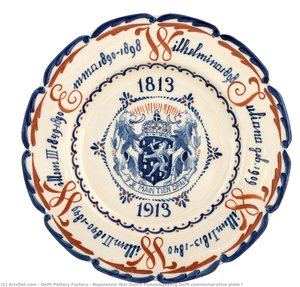
Osnovne informacije
- Artistic Movement Or Style: Delftware pottery
- Date Of Death: Living
- Full Name: Delft Pottery Factory
Povezani članci
Slate Blue Masterpieces: 10 Iconic Paintings & Timeless Home Decor Ideas
Immerse yourself in the captivating world of slate blue! Explore 10 iconic paintings by Monet, Van Gogh & Renoir. Discover their stories, techniques & find museum-quality art reproductions for your home at .
The Allure of Azure: Exploring the Symbolic & Aesthetic Depths of Blue in Art History
Explore the rich history of blue in art! Discover its symbolism, from ancient pigments to modern masterpieces by Kandinsky & Seurat. Uncover the psychological impact and cultural meanings behind this captivating hue.

Crimson Threads of Narrative: Exploring Symbolism & Representation in Artworks Featuring the Red Dress
Explore the rich symbolism of the red dress in art history! From ancient power displays to iconic portraits like Cézanne’s 'Madame Cezanne', discover the cultural and artistic significance behind this captivating color. Expert analysis & insights.
Henri Matisse: 25 Remek-dela koji definišu boju i modernu umetnost | ArtsDot
Uronite u svet Henri Matissea! Istražite 25 remek-dela Fauvizma i moderne umetnosti. Otkrijte priče iza slika, tehnike i inspiraciju slavnog francuskog slikara. Reprodukcije vrhunskog kvaliteta dostupne na ArtsDot.com.
Azure Visions: Exploring Representations of the Blue Dress in Western Art History
Explore the rich history of the blue dress in Western art! Discover its symbolism, from Renaissance masterpieces to modern interpretations by artists like Martin & Schiele. Uncover cultural meanings and artistic techniques.

