

 Pregledaj u prostoru
 Pošalji
 Podeli
 Detalji o delu

 Преузми
 Slični predmeti
 Rendgenski snimak
 Slajdovi
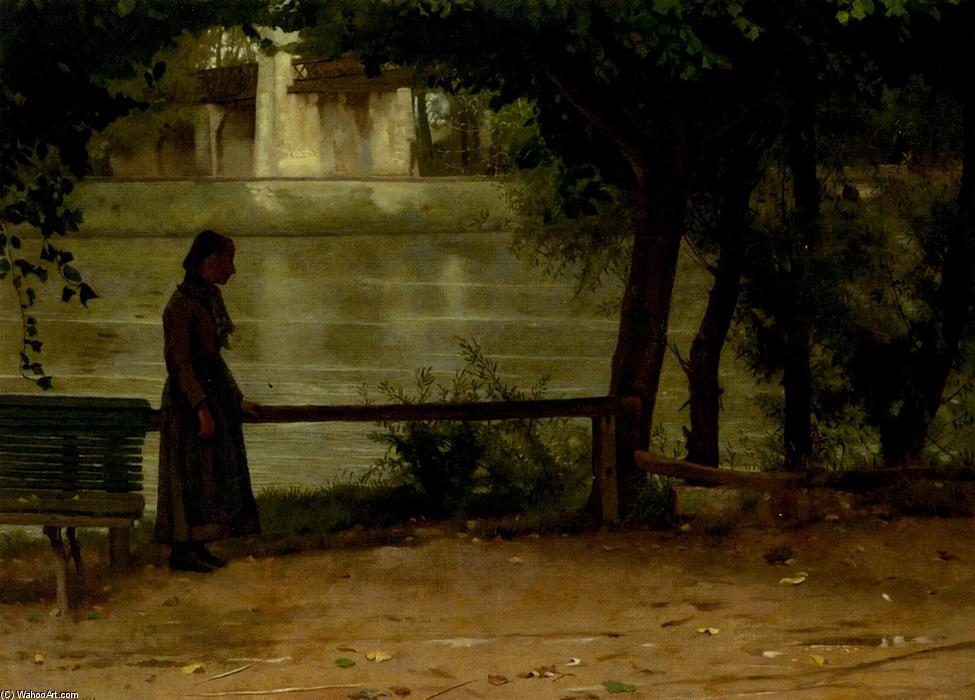
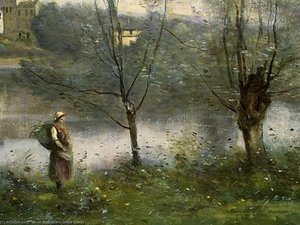
On the Banks of the Oise

 Pročitaj više
Kupite digitalnu sliku visoke rezolucije i poboljšanog kvaliteta, koja je znatno superiornija od onoga što vidite u online prikazu.
Svaka datoteka je pedantno pripremljena od strane naših stručnjaka koristeći napredne alate i profesionalnu ručnu retušu. Osiguravamo da svaka slika ima izuzetnu oštrinu, preciznu reprodukciju boja i fine detalje.
Konačna datoteka se dostavlja putem e-pošte u roku od 72 sata, optimizovana za neposrednu upotrebu u profesionalnim, izdavačkim i štamparskim okruženjima. To je isti kvalitet kojem veruju vrhunski studiji dizajna, izdavači i galerije.
Digitalna slika
Preuzmite datoteku visoke rezolucije za ličnu upotrebu, štampanje i kreativne projekte. ( Kupi print Kupi ručno naslikanu sliku)
Uključeno uz svaku porudžbinu digitalne slike
Profesionalna digitalna isporuka, zagarantovana
Kada odaberete ArtsDot.com, ne dobijate samo sliku – vi primate profesionalno unapređeno digitalno umetničko delo, izrađeno sa najvećom preciznošću i uz garanciju zadovoljstva. Evo svega što automatski dolazi uz vašu porudžbinu:

Brza dostava putem e-pošte
Vaša digitalna slika visoke rezolucije biće vam poslata putem e-pošte u roku od 72 sata od poručivanja – spremna za trenutnu upotrebu.

Digitalna datoteka unapređena veštačkom inteligencijom
Vaše umetničko delo je profesionalno optimizovano korišćenjem naprednih AI alata i ručne obrade, čime se osiguravaju maksimalni detalji, oštrina i preciznost boja.

Besplatna ponovna isporuka doživotno
Slučajno ste obrisali ili izgubili svoju datoteku? Ne brinite – poslaćemo vam je ponovo u bilo kom trenutku, potpuno besplatno.

Bez troškova uvoza – zauvek
Uživajte u svojim umetničkim delima trenutno, bez carine, dažbina ili troškova dostave – digitalni download je uvek bez poreza.

Garancija vernosti boja
Uz pomoć profesionalnih alata i upravljanja bojama, osiguravamo da vaša digitalna slika što vernije odražava originalne boje.

Garancija zadovoljstva u roku od 60 dana
Ako niste zadovoljni svojom digitalnom slikom, revidirat ćemo je ili vratiti 100% novca u roku od 60 dana – bez ikakvih pitanja.

100% garancija povrata novca
Niste zadovoljni? Obezbedite pun povrat novca u roku od 60 dana od trenutka kada ste primili svoju digitalnu datoteku – bez suvišnih pitanja.

Popusti na velike porudžbine
Kupite 3 slike, uštedite 10% - Kupite 5 slika, uštedite 15% - Kupite 10+ slika, uštedite 20%. Odlično za kreativne projekte, galerije i agencije.
Srodna umetnička dela






Biografija umetnika
A Fleeting Glimpse of Brilliance: The Life and Art of Dennis Miller Bunker
Dennis Miller Bunker, a name perhaps less immediately recognized than those of his contemporaries like Sargent or Cassatt, nevertheless occupies a pivotal position in the narrative of American Impressionism. His tragically short life – he succumbed to meningitis at just twenty-nine years old – belies an artistic output brimming with innovation and sensitivity, a testament to a talent that burned intensely but briefly. Born in New York City in 1861, Bunker’s path toward becoming a significant painter was nurtured by a supportive family background; his father held a position with the Union Ferry Company, while his mother came from a lineage of artistic inclination through her brother, the celebrated illustrator Sol Eytinge Jr. This early exposure to creative pursuits undoubtedly played a role in shaping young Dennis's aspirations. He formally began his training at the Art Students League and the National Academy of Design in 1876, laying a foundation steeped in academic tradition that would later be beautifully disrupted by his embrace of more modern techniques.From Barbizon to Brilliance: Artistic Development and Influences
Bunker’s artistic journey was marked by a constant evolution, a willingness to absorb influences and synthesize them into something uniquely his own. A crucial period in this development came with his travels to Paris in 1882, where he studied at the École nationale supérieure des beaux-arts under Jean-Léon Gérôme. However, it wasn’t within the confines of the studio that Bunker truly found his artistic voice. Rather, it was during excursions through France and Brittany alongside fellow artists Charles A. Platt and Kenneth R. Cranford that he encountered the Barbizon school – a group renowned for their direct observation of nature and naturalistic approach to painting. This exposure proved transformative, instilling in Bunker a deep appreciation for *plein air* painting and a commitment to capturing the subtleties of light and atmosphere. His early works reflected this influence, often depicting marine subjects like beached boats with meticulous detail honed through preparatory sketches. Yet, even within these academic exercises, hints of his future direction were emerging. The Brittany period (1883-1884) saw a shift towards softer atmospheric effects and tonal subtleties in scenes featuring church spires, cemetery crosses, and solitary trees against expansive skies. Upon returning to America, Bunker’s landscapes, particularly those painted in South Woodstock, Connecticut, began to demonstrate a bolder palette and more saturated colors – clear indicators of his burgeoning Impressionistic leanings. A pivotal friendship with John Singer Sargent further accelerated this transition; Sargent's influence encouraged Bunker to embrace brighter hues and looser brushwork, pushing him towards a style that was both innovative and deeply personal.Recognition and a Patron’s Embrace
Bunker’s talent did not go unnoticed by the art community. He was elected to the Society of American Artists in 1885, a significant acknowledgment of his growing reputation. That same year marked another milestone: his first solo exhibition at Noyes and Blakeslee Gallery in Boston. Simultaneously, he secured a teaching position at the Cowles Art School in Boston, where he served as chief instructor of figure and cast drawing, artistic anatomy, and composition from 1885 to 1889. This period allowed him to refine his skills while also imparting knowledge to aspiring artists. However, perhaps one of the most impactful relationships of Bunker’s career was his connection with Isabella Stewart Gardner, a prominent art collector and patroness. Gardner recognized Bunker's exceptional talent and became a valuable friend and supporter, providing both financial assistance and encouragement. This patronage allowed him greater artistic freedom and contributed to his ability to explore new avenues in his work. His 1890 exhibition at the St. Botolph Club in Boston showcased his evolving Impressionistic landscapes, further solidifying his position as a rising star within the American art world.A Lasting Legacy: Bunker’s Place in Art History
Though his life was cut short, Dennis Miller Bunker left an indelible mark on late 19th-century American art. He stands as a key figure in the development of American Impressionism, skillfully bridging traditional academic training with emerging modern artistic trends. His ability to seamlessly blend Barbizon influences with the vibrant energy of Impressionism resulted in works that are both technically masterful and emotionally resonant. The memorial exhibition held at the St. Botolph Club in 1891, shortly after his death, served as a poignant tribute to his talent and helped cement his legacy within the art community. His work continues to inspire artists today, demonstrating a transition from academic realism to Impressionistic techniques that paved the way for future generations to explore new modes of expression. Bunker’s paintings are not merely representations of landscapes or portraits; they are evocative glimpses into a fleeting moment in time, imbued with a sense of atmosphere and emotion that transcends their subject matter. He remains a testament to the power of artistic vision and the enduring impact of a life dedicated to beauty, even one tragically abbreviated.
Dennis Miller Bunker
1861 - 1890

