 Pregledaj u prostoru
 Pošalji
 Podeli
 Detalji o delu

 Преузми
 Slični predmeti
 Rendgenski snimak
 Slajdovi
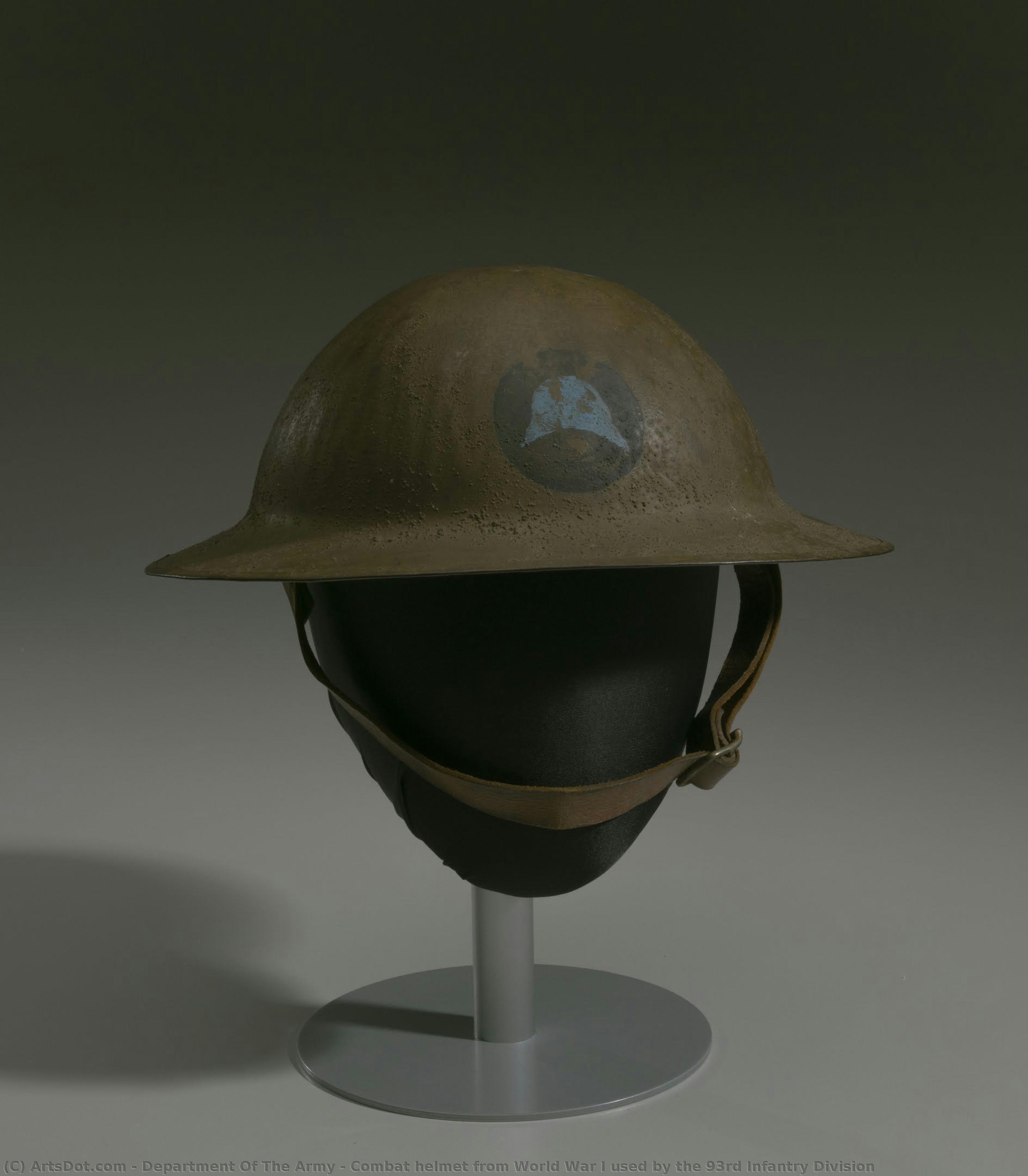
Combat helmet from World War I used by the 93rd Infantry Division
 1918
1918 24.0 x 27.0 cm
 National Museum of African American History and Culture
 Pročitaj više
Kupite digitalnu sliku visoke rezolucije i poboljšanog kvaliteta, koja je znatno superiornija od onoga što vidite u online prikazu.
Svaka datoteka je pedantno pripremljena od strane naših stručnjaka koristeći napredne alate i profesionalnu ručnu retušu. Osiguravamo da svaka slika ima izuzetnu oštrinu, preciznu reprodukciju boja i fine detalje.
Konačna datoteka se dostavlja putem e-pošte u roku od 72 sata, optimizovana za neposrednu upotrebu u profesionalnim, izdavačkim i štamparskim okruženjima. To je isti kvalitet kojem veruju vrhunski studiji dizajna, izdavači i galerije.
Digitalna slika
Preuzmite datoteku visoke rezolucije za ličnu upotrebu, štampanje i kreativne projekte. ( Kupi print Kupi ručno naslikanu sliku)
Uključeno uz svaku porudžbinu digitalne slike
Profesionalna digitalna isporuka, zagarantovana
Kada odaberete ArtsDot.com, ne dobijate samo sliku – vi primate profesionalno unapređeno digitalno umetničko delo, izrađeno sa najvećom preciznošću i uz garanciju zadovoljstva. Evo svega što automatski dolazi uz vašu porudžbinu:

Brza dostava putem e-pošte
Vaša digitalna slika visoke rezolucije biće vam poslata putem e-pošte u roku od 72 sata od poručivanja – spremna za trenutnu upotrebu.

Digitalna datoteka unapređena veštačkom inteligencijom
Vaše umetničko delo je profesionalno optimizovano korišćenjem naprednih AI alata i ručne obrade, čime se osiguravaju maksimalni detalji, oštrina i preciznost boja.

Besplatna ponovna isporuka doživotno
Slučajno ste obrisali ili izgubili svoju datoteku? Ne brinite – poslaćemo vam je ponovo u bilo kom trenutku, potpuno besplatno.

Bez troškova uvoza – zauvek
Uživajte u svojim umetničkim delima trenutno, bez carine, dažbina ili troškova dostave – digitalni download je uvek bez poreza.

Garancija vernosti boja
Uz pomoć profesionalnih alata i upravljanja bojama, osiguravamo da vaša digitalna slika što vernije odražava originalne boje.

Garancija zadovoljstva u roku od 60 dana
Ako niste zadovoljni svojom digitalnom slikom, revidirat ćemo je ili vratiti 100% novca u roku od 60 dana – bez ikakvih pitanja.

100% garancija povrata novca
Niste zadovoljni? Obezbedite pun povrat novca u roku od 60 dana od trenutka kada ste primili svoju digitalnu datoteku – bez suvišnih pitanja.

Popusti na velike porudžbine
Kupite 3 slike, uštedite 10% - Kupite 5 slika, uštedite 15% - Kupite 10+ slika, uštedite 20%. Odlično za kreativne projekte, galerije i agencije.
Srodna umetnička dela








Biografija umetnika
The Unsung Canvas: Art of the Department of the Army
The Department of the Army, as an artistic entity, presents a fascinating paradox. It isn’t a single painter, sculptor, or architect, but rather a collective – a vast and historically rich organization that has, over decades, commissioned, curated, and produced a remarkable body of work reflecting American military life, history, and ideals. To speak of the “Department of the Army” as an artist is to acknowledge the countless individuals—official artists, photographers, cartographers, engineers, and even the soldiers themselves—who have contributed to its visual legacy. This legacy isn’t found in galleries or museums (though increasingly it is), but woven into the fabric of military installations, historical records, training materials, and public spaces. Its art serves not primarily for aesthetic contemplation, but for documentation, morale, recruitment, and the shaping of national narratives.From Topographical Sketches to Modern Documentation
The artistic roots of the Department of the Army stretch back to the 19th century, born from practical necessity. The need to map vast territories during westward expansion and conflicts like the Civil War spurred the development of highly skilled topographical artists. These weren’t simply cartographers; they were visual storytellers who captured not just landforms but also the atmosphere, challenges, and human presence within those landscapes. The Army Topographical Bureau, later evolving into the Corps of Engineers, employed artists whose detailed sketches and paintings provided crucial intelligence for military operations. This early work established a tradition of meticulous observation and realistic representation. As technology advanced, photography became increasingly central. Mathew Brady’s iconic Civil War photographs, though independent, set a precedent for documenting the realities of war – a precedent the Army would later embrace with its own dedicated photographic units. The 20th century saw the rise of official artist programs during both World Wars and subsequent conflicts. These programs deployed artists to the front lines, tasked with recording scenes of combat, camp life, and the human cost of war. Artists like Milton Eisenhower (brother of President Dwight D. Eisenhower) documented the aftermath of WWII in Europe, creating a powerful visual record that went beyond traditional news reporting.Themes of Valor, Sacrifice, and National Identity
The art produced under the Department of the Army’s auspices consistently revolves around several core themes: valor, sacrifice, duty, and national identity. Monumental sculptures adorning military academies and cemeteries celebrate heroism and commemorate fallen soldiers. Paintings depict scenes of courageous battles, emphasizing strategic brilliance and unwavering resolve. However, a closer examination reveals a nuanced approach. While glorifying the ideals of service, many works also subtly acknowledge the hardships and emotional toll of war. The portraits of soldiers, often commissioned after conflicts, strive for realism, capturing individual character alongside their military bearing. The art isn’t simply propaganda; it's an attempt to grapple with complex experiences and create a lasting memorial to those who served. This is particularly evident in the works created during the Vietnam War era, where artists often focused on the psychological impact of conflict rather than solely celebrating battlefield victories. The depiction of landscapes also plays a significant role, frequently symbolizing both the challenges faced by soldiers and the beauty they were defending.Influences and Development: From Academic Realism to Contemporary Approaches
Initially, the artistic style favored by the Department of the Army leaned heavily towards academic realism – detailed, historically accurate depictions that emphasized narrative clarity. This was partly due to the practical need for documentation but also reflected the prevailing aesthetic tastes of the time. However, as art movements evolved throughout the 20th and 21st centuries, so too did the artistic approaches employed by Army-commissioned artists. The influence of Impressionism can be seen in some landscape paintings, while later works incorporated elements of Abstract Expressionism and Pop Art. The Gulf War era saw a shift towards more contemporary styles, with artists experimenting with different media and perspectives. Today, the Department of the Army’s art collection is remarkably diverse, encompassing painting, sculpture, photography, digital art, and even installation pieces. This reflects a growing recognition that there isn't one single way to represent military experience – and an openness to exploring new artistic forms.Historical Significance and Legacy
The Department of the Army’s artistic legacy is profoundly significant for several reasons. First, it provides an invaluable visual record of American military history, offering insights into past conflicts, technological advancements, and the evolving role of soldiers in society. Second, it serves as a powerful tool for shaping public perception of the military – influencing attitudes towards service, sacrifice, and national defense.- The art collection is increasingly being used for educational purposes, providing students with a unique perspective on American history.
- Efforts are underway to digitize and make more accessible the Department of the Army’s vast artistic holdings.
- Contemporary artists commissioned by the Army continue to grapple with complex issues facing soldiers today, such as PTSD, moral injury, and the challenges of reintegration into civilian life.