

 Pregledaj u prostoru
 Pošalji
 Podeli
 Detalji o delu

 Преузми
 Slični predmeti
 Rendgenski snimak
 Slajdovi
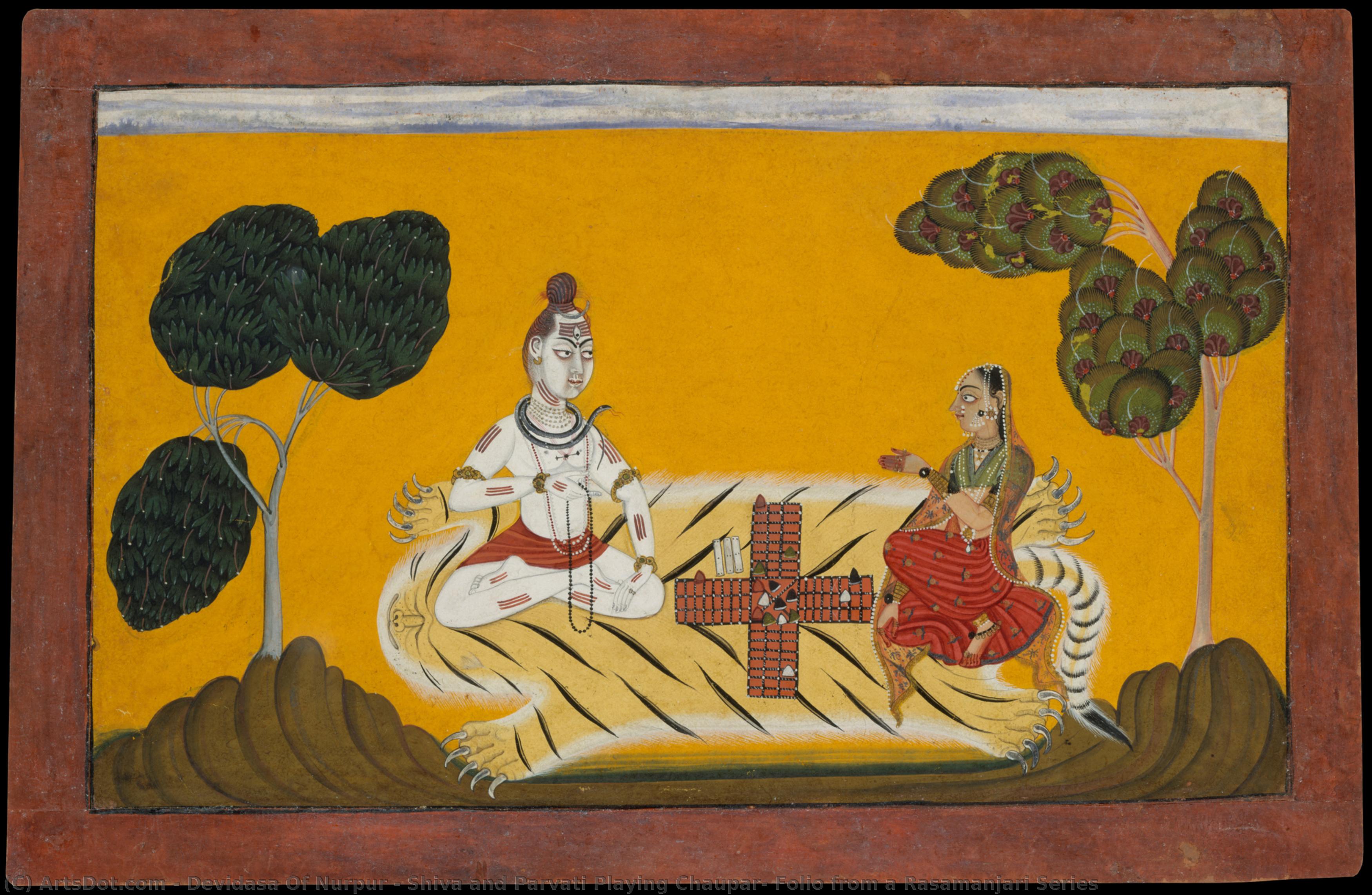
Shiva and Parvati Playing Chaupar: Folio from a Rasamanjari Series
 1694
1694 17.0 x 28.0 cm
 Pročitaj više
Giclee štampa / Umetnički otisak
Giclée štampa ili print na platnu muzejskog kvaliteta uz brzu proizvodnju i fleksibilne opcije završne obrade. ( Kupi ručno naslikanu sliku Kupi digitalnu sliku)




































Izaberite jednu od naših unapred definisanih veličina koje odgovaraju originalnim proporcijama umetničkog dela.

Možete uneti sopstvene dimenzije kako biste umetničko delo prilagodili specifičnom okviru ili prostoru. Ako odabrani format ne odgovara proporcijama originalne slike, mi ćemo ili iscrtati deo dela ili proširiti sliku pomoću ogledane ivice ili jednobojnog popunjavanja. Digitalni prikaz će vam biti poslat na odobrenje pre početka proizvodnje.
Imajte na umu da pregled na ekranu ne odražava stvarno iscrtavanje ili proširivanje. Samo će prikaz (mockup) precizno pokazati finalnu kompoziciju.
Iako su prilagođene dimenzije dostupne, preporučujemo da odaberete dimenziju sa unapred definisane liste kako biste očuvali originalne proporcije.
Dostava širom sveta () za 2 nedelje umesto uobičajenih 4/5 nedelja. (31 август)

Besplatna ekspresna dostava širom sveta

Visokokvalitetno laneno platno

Kompletno osiguranje transporta

Garancija povraćaja carine i uvoznih dažbina

Garancija vernosti boja

Politika povrata u roku od 60 dana (samo u slučaju nedostataka)

Garancija povrata novca od 100%

Popust pri grupnoj kupovini
 Opcija sa staklom dostupna je samo za dimenzije manje od 110 cm

Shiva and Parvati Playing Chaupar: Folio from a Rasamanjari Series
Giclee štampa / Umetnički otisak
Dimenzije reprodukcije
-


Konačna cena
$ 62
Srodna umetnička dela

Biografija umetnika
The Lineage of Nurpur
Devidasa of Nurpur emerged from the vibrant artistic traditions of the Punjab Hills during a transformative era in Indian art history. Active between approximately 1680 and 1720, his life was deeply intertwined with the familial workshop culture that defined the period. He was the son of Kripal, a master artist whose influence shaped the foundation of the family's creative output. Growing up within this lineage, Devidasa was immersed from a young age in the rigorous training required to master the Pahari style. This apprenticeship allowed him to inherit not just technical skill, but a profound understanding of the cultural and spiritual narratives that would become the heartbeat of his work. His development was a seamless continuation of a legacy, blending the ancestral techniques of his father with his own burgeoning mastery of color and form.A Symphony of Color and Form
The aesthetic essence of Devidasa’s work lies in its breathtaking ability to balance abstraction with intricate detail. His paintings are quintessential examples of the Pahari school, characterized by a striking use of bright, saturated pigments and a deliberate sense of flatness that elevates the subject matter beyond mere representation. Through delicate, flowing lines, he captured the ethereal beauty of Hindu mythology and the intimate nuances of everyday life. There is a captivating tension in his compositions, where the refined, sophisticated influence of Mughal painting meets the bold, emotive energy of the Rajput tradition. This synthesis allowed him to create scenes that felt both structurally precise and spiritually resonant, using color not just as decoration, but as a tool to evoke deep emotional responses from the viewer.Masterpieces and Enduring Legacy
The brilliance of Devidasa’s artistry is most vividly realized in his celebrated series, such as the Rasamanjari. His masterpiece, Shiva and Parvati playing chaupar, stands as a testament to his ability to render divine intimacy through masterful composition. Other notable works, including the poignant Sanehi ragini and depictions of lovers caught in the throes of quarrel, showcase his skill in portraying complex human emotions through stylized forms. The historical significance of his work is preserved in some of the world's most esteemed galleries, with his paintings held in the permanent collections of the Metropolitan Museum of Art in New York and the Museum of Fine Arts, Boston. Beyond his individual achievements, Devidasa’s stylistic innovations left an indelible mark on the trajectory of Indian miniature painting, influencing subsequent masters such as Nainsukh and Sajnu, ensuring that his vision remains a vital part of the global art canon.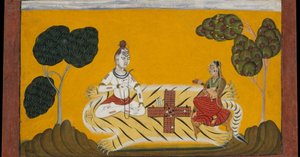
devidasa of nurpur
India
Osnovne informacije
- Artistic Movement Or Style: World Goes Pop
- Artists Or Movements Influenced By This Artist: ['Influenced by pop art movement']
- Artists Who Influenced This Artist: ['Influenced by diverse artists in The World Goes Pop exhibition']
- Date Of Death: Living
- Notable Artworks: ['Various works featured in The World Goes Pop exhibition']
- Place Of Birth: WahooArt

