

 Pregledaj u prostoru
 Pošalji
 Podeli
 Detalji o delu

 Преузми
 Slični predmeti
 Rendgenski snimak
 Slajdovi
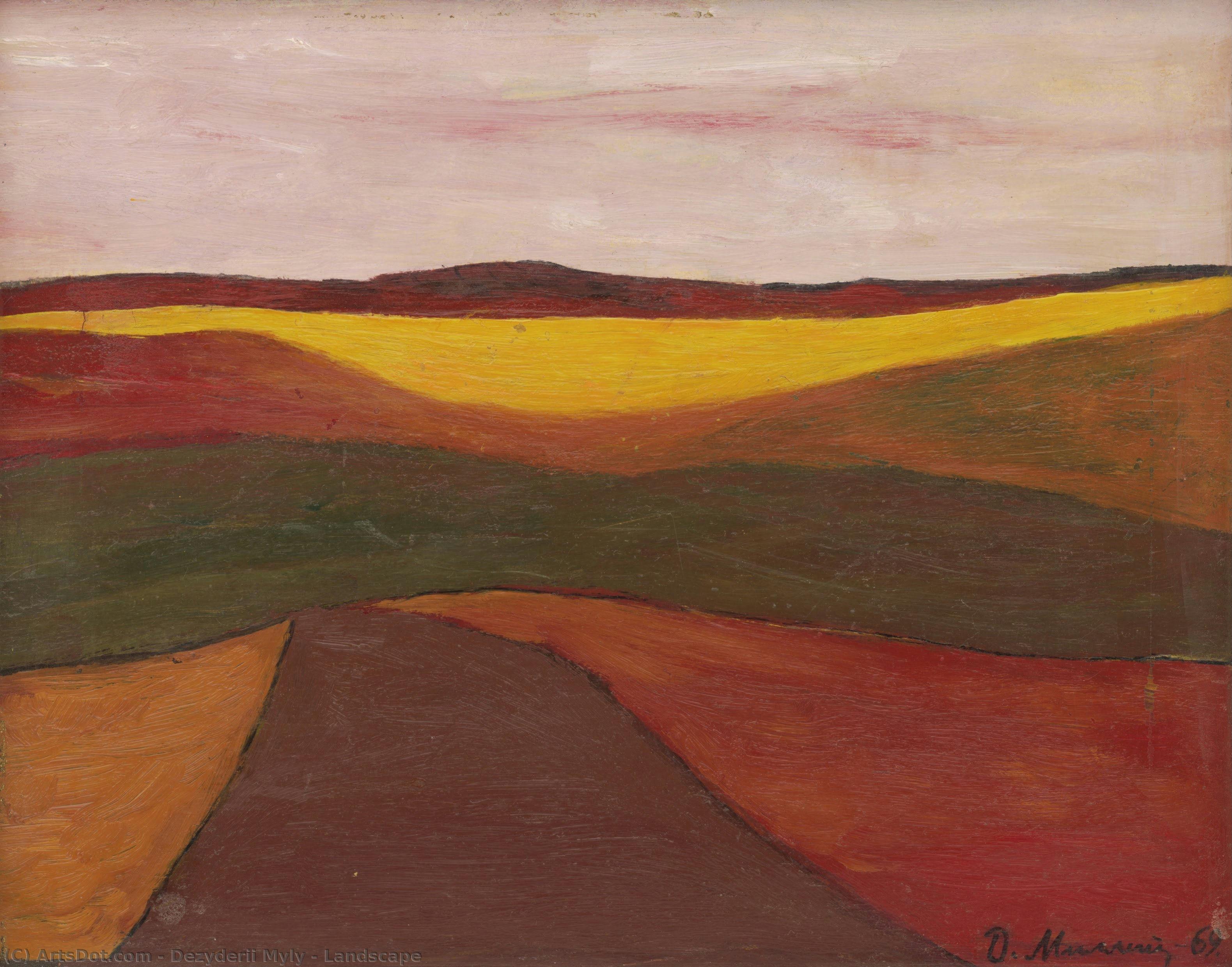
Landscape
 32.0 x 26.0 cm
 Gallery of M. A. Bazovsky
 Pročitaj više
Kupite digitalnu sliku visoke rezolucije i poboljšanog kvaliteta, koja je znatno superiornija od onoga što vidite u online prikazu.
Svaka datoteka je pedantno pripremljena od strane naših stručnjaka koristeći napredne alate i profesionalnu ručnu retušu. Osiguravamo da svaka slika ima izuzetnu oštrinu, preciznu reprodukciju boja i fine detalje.
Konačna datoteka se dostavlja putem e-pošte u roku od 72 sata, optimizovana za neposrednu upotrebu u profesionalnim, izdavačkim i štamparskim okruženjima. To je isti kvalitet kojem veruju vrhunski studiji dizajna, izdavači i galerije.
Digitalna slika
Preuzmite datoteku visoke rezolucije za ličnu upotrebu, štampanje i kreativne projekte. ( Kupi print Kupi ručno naslikanu sliku)
Uključeno uz svaku porudžbinu digitalne slike
Profesionalna digitalna isporuka, zagarantovana
Kada odaberete ArtsDot.com, ne dobijate samo sliku – vi primate profesionalno unapređeno digitalno umetničko delo, izrađeno sa najvećom preciznošću i uz garanciju zadovoljstva. Evo svega što automatski dolazi uz vašu porudžbinu:

Brza dostava putem e-pošte
Vaša digitalna slika visoke rezolucije biće vam poslata putem e-pošte u roku od 72 sata od poručivanja – spremna za trenutnu upotrebu.

Digitalna datoteka unapređena veštačkom inteligencijom
Vaše umetničko delo je profesionalno optimizovano korišćenjem naprednih AI alata i ručne obrade, čime se osiguravaju maksimalni detalji, oštrina i preciznost boja.

Besplatna ponovna isporuka doživotno
Slučajno ste obrisali ili izgubili svoju datoteku? Ne brinite – poslaćemo vam je ponovo u bilo kom trenutku, potpuno besplatno.

Bez troškova uvoza – zauvek
Uživajte u svojim umetničkim delima trenutno, bez carine, dažbina ili troškova dostave – digitalni download je uvek bez poreza.

Garancija vernosti boja
Uz pomoć profesionalnih alata i upravljanja bojama, osiguravamo da vaša digitalna slika što vernije odražava originalne boje.

Garancija zadovoljstva u roku od 100 dana
Ako niste zadovoljni svojom digitalnom slikom, revidirat ćemo je ili vratiti 100% novca u roku od 100 dana – bez ikakvih pitanja.

100% garancija povrata novca
Niste zadovoljni? Obezbedite pun povrat novca u roku od 100 dana od trenutka kada ste primili svoju digitalnu datoteku – bez suvišnih pitanja.

Popusti na velike porudžbine
Kupite 3 slike, uštedite 10% - Kupite 5 slika, uštedite 15% - Kupite 10+ slika, uštedite 20%. Odlično za kreativne projekte, galerije i agencije.
Srodna umetnička dela








Biografija umetnika
Paul Cézanne: Bridging Impressionism and Modernity
Born in Aix-en-Provence, France, on January 19, 1839, Paul Cézanne was a pivotal figure in the transition from late 19th-century Impressionism to the burgeoning movements of early 20th-century modern art. His life, though relatively short – he died on October 22, 1906 – profoundly impacted the course of Western painting, establishing new principles of form, color, and perspective that would resonate with artists like Picasso, Matisse, and Braque. Cézanne’s work wasn't merely a stylistic shift; it represented a fundamental rethinking of how we perceive and represent the world around us.
Initially influenced by the academic traditions of his time and the vibrant colors of Impressionism – particularly the works of Monet and Pissarro – Cézanne quickly moved beyond mere imitation. He began to dissect nature, meticulously studying its underlying structure and geometry. This pursuit led him to a radical departure from traditional perspective, favoring a flattened picture plane and employing multiple viewpoints within a single composition. His early landscapes, often depicting the majestic Mont Sainte-Victoire that dominated the horizon of his hometown, demonstrate this evolving approach – capturing not just the appearance of a scene but also its essential form.
The Search for Structure: Cézanne’s Method
Cézanne's artistic method was intensely personal and often laborious. He frequently returned to the same subjects—Mont Sainte-Victoire, his family, still lifes—working on them over extended periods, sometimes for years. This wasn’t simply repetition; it was a process of relentless investigation, driven by a desire to understand the fundamental building blocks of reality. He employed a technique he called “alla prima,” working directly onto the canvas with bold, confident brushstrokes, layering color and form until they coalesced into a unified whole.
His use of color was equally revolutionary. Cézanne moved away from the fleeting effects of light favored by Impressionists, instead employing a more subdued palette—earthy browns, greens, and blues—to define shapes and volumes. He often applied colors in small, broken strokes, creating a sense of vibration and depth that challenged conventional notions of space. He famously stated, “I do not paint things as they are; I paint them as I see them.” This assertion encapsulates his core philosophy: to capture the essence of an object rather than its superficial appearance.
Influences and Legacy
Cézanne’s artistic journey was shaped by a diverse range of influences. He admired the works of Renaissance masters like Raphael and Michelangelo, particularly their mastery of anatomy and composition. He also drew inspiration from Japanese prints, which introduced him to unconventional perspectives and flattened picture planes. The influence of Oriental art is evident in his compositions, where objects are often arranged diagonally or at an angle, creating a sense of dynamism and spatial ambiguity.
Despite facing criticism during his lifetime – many contemporary critics dismissed his work as primitive or unfinished – Cézanne’s impact on subsequent generations of artists was immense. His emphasis on form, color, and the exploration of new pictorial languages paved the way for Cubism, Fauvism, and other modern movements. Artists like Picasso and Braque directly acknowledged Cézanne's influence, building upon his innovations to create entirely new ways of representing reality. Today, Paul Cézanne is recognized as one of the most important figures in art history, a visionary who fundamentally altered our understanding of painting and its possibilities.
A Life Dedicated to Art
Cézanne’s life was deeply intertwined with his art. He married Julie Manet, sister of Édouard Manet, in 1877, and they had five children. His home in Aix-en-Provence became a studio where he tirelessly worked on his paintings, inviting friends and fellow artists to visit and share ideas. Despite facing financial difficulties throughout his career, Cézanne remained steadfast in his commitment to his art, believing that it was the most meaningful pursuit of all. He died at the age of 67, leaving behind a vast body of work that continues to inspire and challenge viewers today.
Key Works
- The Card Players (1898–1905): Perhaps his most famous painting, this series explores themes of labor, leisure, and the human condition.
- The Bathers (c. 1906): A monumental work that exemplifies Cézanne’s exploration of form and space.
- Mont Sainte-Victoire (various iterations, 1882–1906): A series of paintings depicting the iconic mountain, showcasing his evolving approach to perspective and composition.
- Still Life with Apples and Pitcher (1893–94):
dezyderii myly
1906 - 1971 , Czech Republic
Kratke činjenice
- Artistic Movement Or Style: Post-Impressionism
- Artists Or Movements Influenced By This Artist:
- Cubism
- Impressionism
- Artists Who Influenced This Artist:
- Jean-Auguste Dominique Ingres
- William-Adolphe Bouguereau
- Date Of Birth: January 19, 1839
- Date Of Death: October 22, 1906
- Full Name: Paul Cézanne
- Nationality: French
- Notable Artworks:
- The Card Players
- The Bathers
- Mont Sainte-Victoire
- Place Of Birth: Paris, France