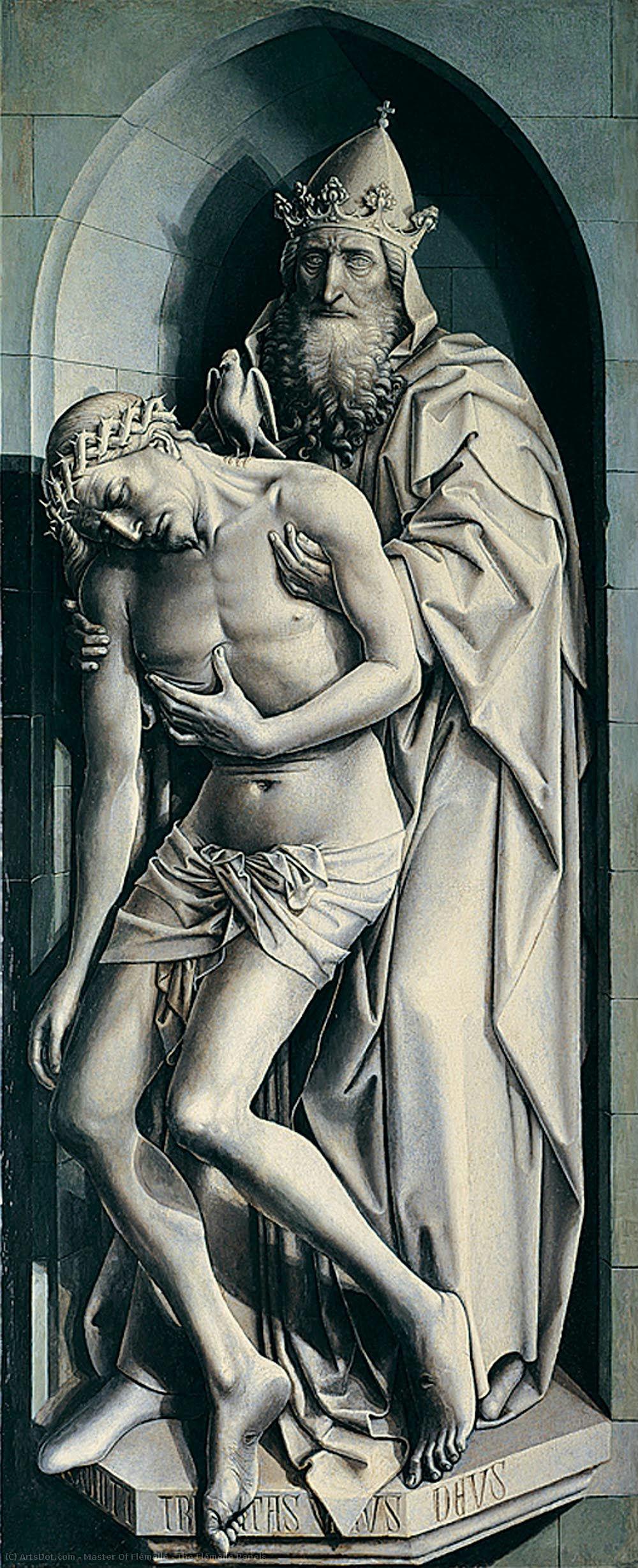
Уживајте у прецизној репродукцији слике Панели Флеммаля – рани средњовековног шедевра који приказује два мушкаца и носи млађег човека у рукама. Истражите стил Мастера Флеммала и његову историју!
Discover Robert Campin (Master of Flémalle), a pivotal early Netherlandish painter known for realism & innovative oil techniques like the Merode Altarpiece.
Istražite 7 vekova umetnosti u Štadel muzeju u Frankfurtu! Od remek-dela renesanse do modernih kreacija, otkrijte ikoničke slike i skulpture u zapanjujućem arhitektonskom okruženju.
Robert Campin (Master of Flémalle): A Window into Medieval Compassion
The image depicts a scene brimming with understated emotion – two men standing shoulder to shoulder, one gently cradling the other’s arm. This seemingly simple composition speaks volumes about the artistic sensibilities of Jean-Baptiste Mongeau and his contemporaries during the mid-15th century, marking a pivotal moment in Northern Renaissance art. Captured by Robert Campin, commonly known as Master of Flémalle, this painting transcends mere representation; it embodies a profound exploration of human connection and vulnerability.
Style and Technique: Pioneering Oil Painting
Campin’s mastery lies not only in his meticulous depiction of figures but also in his groundbreaking adoption of oil paint – a technique that was still relatively nascent at the time. Unlike tempera, which relied on pigment bound in egg yolk, oil paints allowed for richer colors, greater luminosity, and subtle gradations of tone, offering unparalleled realism. This innovation distinguishes “The Flémalle Panels” from its predecessors and establishes Campin as one of the foremost practitioners of this transformative medium. The artist’s meticulous attention to detail—from the folds of fabric to the expressions on the men's faces—demonstrates a commitment to capturing not just what is seen but also what is felt.
Historical Context: Bruges at the Height of Prosperity
The painting originates from Bruges, Belgium – a thriving commercial hub and artistic center during the Burgundian Netherlands under Philip the Handsome. This era witnessed an explosion of creativity fueled by wealth and patronage, attracting artists from across Europe. Campin’s work reflects this cultural dynamism, aligning with the broader trend toward naturalism and psychological depth that characterized Northern Renaissance art. The Merode Altarpiece, Campin's magnum opus, exemplifies similar stylistic choices and underscores the importance of humanist ideals within artistic expression. Studying “The Flémalle Panels” provides invaluable insight into the social and intellectual landscape of Bruges during its golden age.
Symbolism: Gesture and Expression – Keys to Understanding
Beyond its technical brilliance, "The Flémalle Panels" is laden with symbolic significance. The posture of the men—one supporting the other—represents compassion, care, and filial piety – values deeply rooted in medieval Christian morality. Campin skillfully employs gesture and facial expression to convey emotion, inviting viewers to contemplate themes of tenderness and devotion. These subtle nuances elevate the painting beyond a mere depiction of individuals; it becomes an emblem of human empathy and spiritual contemplation.
Emotional Impact: A Moment Frozen in Time
The enduring appeal of “The Flémalle Panels” lies in its ability to evoke a powerful emotional response. The quiet intimacy of the scene resonates with viewers across centuries, reminding us of the importance of human connection and the beauty found in simple gestures of kindness. Campin’s masterful execution captures a fleeting moment—a gesture of support—that speaks to universal human experiences. It's a testament to the artist's ability to distill complex emotions into visual form, securing its place as an iconic masterpiece of Northern Renaissance art.