

 Pregledaj u prostoru
 Pošalji
 Podeli
 Detalji o delu

 Преузми
 Slični predmeti
 Rendgenski snimak
 Slajdovi
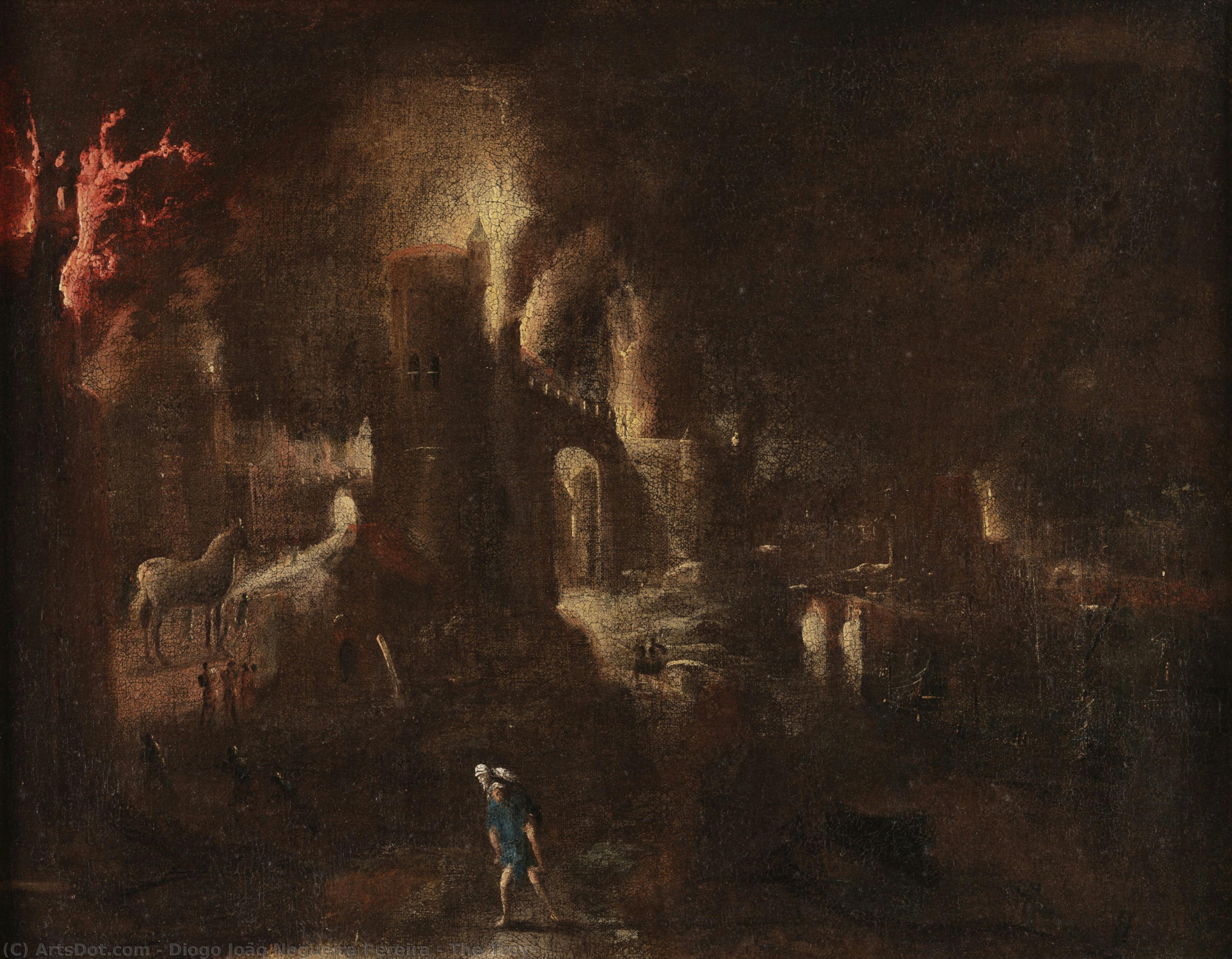
The Troy
 1640
1640 63.0 x 78.0 cm
 Machado de Castro National Museum
 Pročitaj više
Ručno rađena uljana reprodukcija
Ručno oslikano uljanim bojama na platnu u dimenzijama i okviru po vašem izboru, izrađeno po porudžbini od strane naših umetnika. ( Kupi print Kupi digitalnu sliku)




































Izaberite jednu od naših unapred definisanih veličina koje odgovaraju originalnim proporcijama umetničkog dela.

Можете унети сопствене димензије како бисте прилагодили дело одређеном оквиру или простору. Ако одабрана величина не одговара пропорцијама оригинала, слика ће бити исечена или проширена додатним елементима који се ручно насликавају. Дигитални prikaz ће вам бити послат на одобрење пре почетка производње.
Имајте на уму да преглед на екрану не одражава стварно исецање или проширење. Само приказ (mockup) ће тачно приказати коначну композицију.
Иако су доступне прилагођене величине, препоручујемо да одаберете димензију из дефинисане листе како бисте сачували оригиналне пропорције.
Nakon narudžbine, tim ArtsDot.com će klijentu putem e-pošte poslati uputstva i dostaviti prikaz predloženog rešenja
Isporuka širom sveta () za 3/4 nedelje umesto uobičajenih 5 nedelja. (7 септембар). Bez kompromisa po pitanju kvaliteta.

Besplatna ekspresna dostava širom sveta

Visokokvalitetno laneno platno

Kompletno osiguranje transporta

Garancija povraćaja carine i uvoznih dažbina

Garancija vernosti boja

Politika povraćaja u roku od 100 dana (isključivo u slučaju nedostataka)

Garancija povrata novca od 100%

Popust pri grupnoj kupovini
 Opcija sa staklom dostupna je samo za dimenzije manje od 110 cm

The Troy
Tehnika reprodukcije
Dimenzije reprodukcije
-


Konačna cena
$ 263
Srodna umetnička dela




Biografija umetnika
Robert Beauchamp: A World of Dramatic Creatures
The art world often seeks to define an artist through a singular style, but Robert Beauchamp resisted such neat categorization. Born in Denver, Colorado, in 1923, and tragically passing away in 1995, Beauchamp’s oeuvre defies easy description, existing instead as a richly layered tapestry of symbolic figures, unsettling landscapes, and intensely expressive color palettes. His work, largely unseen during his lifetime, now commands significant attention for its raw emotional power and unique visual language.
Beauchamp's early life was marked by hardship – the loss of both parents before he reached three years old and a childhood spent in poverty within a community house. This experience undoubtedly shaped his artistic sensibility, fostering a deep appreciation for resilience and a keen awareness of human vulnerability. Despite these challenges, Beauchamp’s passion for art ignited during high school, fueled by visits to local museums and an avid reading of French painting masters. He honed his skills at the Colorado Springs Fine Arts Center, laying the groundwork for a career that would ultimately challenge conventional notions of representation.
Early Influences and Artistic Evolution
Following a brief foray into pottery, Beauchamp’s path converged with Hans Hofmann in Provincetown, Massachusetts, during the early 1950s. Hofmann's emphasis on color theory and spontaneous gesture proved profoundly influential, shifting Beauchamp away from purely representational concerns and towards a more emotionally driven approach. This period saw him exhibiting at key galleries like the Tanager Gallery and Green Gallery in New York City, engaging with a vibrant community of artists pushing the boundaries of abstract expressionism. However, Beauchamp ultimately rejected the perceived stagnation within this movement, seeking instead to develop his own distinct voice.
A pivotal moment arrived with a Fulbright Award in 1960, allowing him to immerse himself in the art and culture of Italy. This extended period of study and travel profoundly impacted his artistic practice, deepening his understanding of color, composition, and the expressive potential of paint itself. Returning to New York, Beauchamp embraced a more tactile and gestural approach, utilizing techniques like pouring paint directly from cans and employing a “splattering” method that imbued his canvases with an almost sculptural quality. He often worked on the floor or even walls, allowing the process of creation to dictate the final form.
The Language of the Beauchamps
Beauchamp’s figures – which he affectionately termed "Beauchamps" – are instantly recognizable for their dramatic intensity and enigmatic presence. These creatures, often rendered in bold, saturated colors, possess a captivating blend of vulnerability and power. They rarely engage in conventional narratives; instead, they seem to exist within a timeless realm of symbolic significance. Many scholars believe that Beauchamp created these figures from his own subconscious, drawing upon personal experiences and anxieties.
The landscapes depicted by Beauchamp are equally compelling, characterized by swirling colors, distorted perspectives, and an unsettling sense of atmosphere. These aren’t idyllic vistas; they're often imbued with a palpable tension, reflecting the artist’s own complex emotional landscape. The recurring motifs – animals, skeletal figures, and ambiguous human forms – contribute to a rich tapestry of symbolism that invites endless interpretation.
Legacy and Recognition
Despite his consistent talent and critical recognition during his lifetime, Beauchamp remained largely obscure until recently. His work gained renewed attention in the late 1990s and early 2000s, fueled by a growing appreciation for his unique vision and the rediscovery of his extensive body of work. Today, Robert Beauchamp is recognized as one of the most important figurative artists of the mid-20th century, celebrated for his daring use of color, his evocative imagery, and his profound emotional depth.
His paintings are now exhibited in prestigious galleries and museums worldwide, attracting collectors and scholars eager to unravel the mysteries contained within these captivating works. Beauchamp’s legacy lies not only in the beauty of his art but also in its ability to provoke contemplation and ignite the imagination – a testament to the enduring power of an artist who dared to forge his own path.
diogo joão nogueira pereira
1995 - , Portugal
Osnovne informacije
- Artistic Movement Or Style: Figurative painting
- Artists Or Movements Influenced By This Artist: ['Abstract Expressionism']
- Artists Who Influenced This Artist: ['Hans Hofmann']
- Date Of Birth: 1923-08-17
- Date Of Death: 1995-06-24
- Full Name: Robert Beauchamp
- Nationality: American
- Notable Artworks:
- Woman and Skeleton
- Beauchamps
- Place Of Birth: Denver, Colorado, USA