

 Pregledaj u prostoru
 Pošalji
 Podeli
 Detalji o delu

 Преузми
 Slični predmeti
 Rendgenski snimak
 Slajdovi
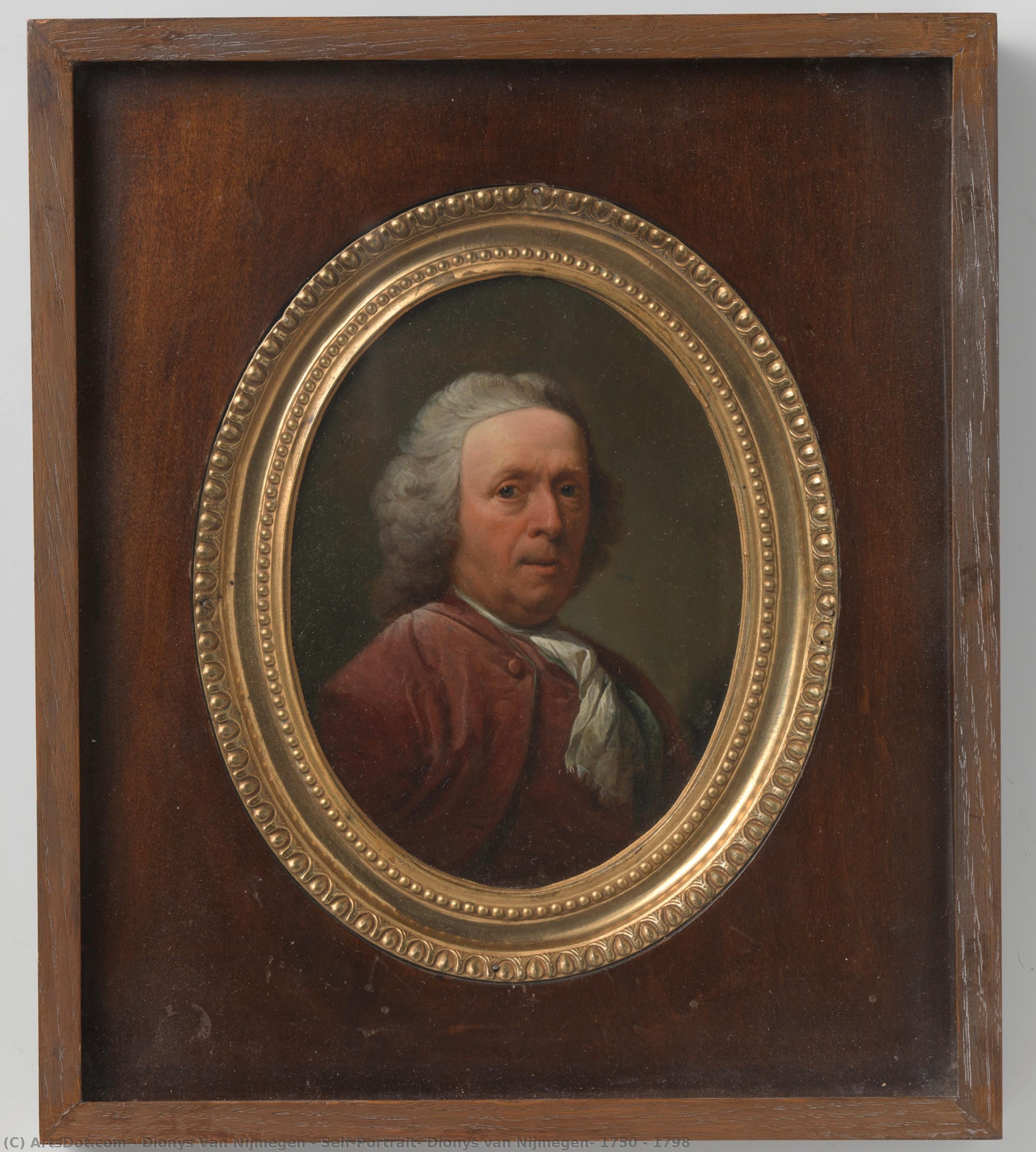
Self-Portrait, Dionys van Nijmegen, 1750 - 1798
 1798
1798 17.0 x 13.0 cm
 Pročitaj više
Kupite digitalnu sliku visoke rezolucije i poboljšanog kvaliteta, koja je znatno superiornija od onoga što vidite u online prikazu.
Svaka datoteka je pedantno pripremljena od strane naših stručnjaka koristeći napredne alate i profesionalnu ručnu retušu. Osiguravamo da svaka slika ima izuzetnu oštrinu, preciznu reprodukciju boja i fine detalje.
Konačna datoteka se dostavlja putem e-pošte u roku od 72 sata, optimizovana za neposrednu upotrebu u profesionalnim, izdavačkim i štamparskim okruženjima. To je isti kvalitet kojem veruju vrhunski studiji dizajna, izdavači i galerije.
Digitalna slika
Preuzmite datoteku visoke rezolucije za ličnu upotrebu, štampanje i kreativne projekte. ( Kupi print Kupi ručno naslikanu sliku)
Uključeno uz svaku porudžbinu digitalne slike
Profesionalna digitalna isporuka, zagarantovana
Kada odaberete ArtsDot.com, ne dobijate samo sliku – vi primate profesionalno unapređeno digitalno umetničko delo, izrađeno sa najvećom preciznošću i uz garanciju zadovoljstva. Evo svega što automatski dolazi uz vašu porudžbinu:

Brza dostava putem e-pošte
Vaša digitalna slika visoke rezolucije biće vam poslata putem e-pošte u roku od 72 sata od poručivanja – spremna za trenutnu upotrebu.

Digitalna datoteka unapređena veštačkom inteligencijom
Vaše umetničko delo je profesionalno optimizovano korišćenjem naprednih AI alata i ručne obrade, čime se osiguravaju maksimalni detalji, oštrina i preciznost boja.

Besplatna ponovna isporuka doživotno
Slučajno ste obrisali ili izgubili svoju datoteku? Ne brinite – poslaćemo vam je ponovo u bilo kom trenutku, potpuno besplatno.

Bez troškova uvoza – zauvek
Uživajte u svojim umetničkim delima trenutno, bez carine, dažbina ili troškova dostave – digitalni download je uvek bez poreza.

Garancija vernosti boja
Uz pomoć profesionalnih alata i upravljanja bojama, osiguravamo da vaša digitalna slika što vernije odražava originalne boje.

Garancija zadovoljstva u roku od 60 dana
Ako niste zadovoljni svojom digitalnom slikom, revidirat ćemo je ili vratiti 100% novca u roku od 60 dana – bez ikakvih pitanja.

100% garancija povrata novca
Niste zadovoljni? Obezbedite pun povrat novca u roku od 60 dana od trenutka kada ste primili svoju digitalnu datoteku – bez suvišnih pitanja.

Popusti na velike porudžbine
Kupite 3 slike, uštedite 10% - Kupite 5 slika, uštedite 15% - Kupite 10+ slika, uštedite 20%. Odlično za kreativne projekte, galerije i agencije.
Srodna umetnička dela







Biografija umetnika
A Legacy of Decorative Flourishes: The Life and Art of Dionys van Nijmegen
Dionys van Nijmegen, a name perhaps less immediately recognizable than some of his contemporaries, nevertheless represents a significant strand in the tapestry of 18th-century Dutch painting. Born in Rotterdam in 1705 into a family deeply entrenched in artistic practice—his father, Elias van Nijmegen, being a respected painter himself—Dionys inherited not only a profession but also a keen sensibility for decorative artistry. The Van Nijmegen lineage was one of skilled artisans, and young Dionys quickly absorbed the techniques and aesthetic preferences that would define his career. His early training took place under the watchful eye of his father, Elias, who instilled in him a foundation of meticulous draftsmanship and an appreciation for vibrant color palettes. This foundational education was later supplemented by studies with Jacob de Wit, a leading figure in Dutch ceiling painting known for his elaborate mythological scenes and masterful use of perspective. De Wit’s influence proved pivotal, steering Dionys towards the grand scale and ornate detailing that would become hallmarks of his mature work.From Portraits to Palaces: A Versatile Hand
Dionys van Nijmegen's artistic output was remarkably diverse, encompassing portraits, wall decorations, ceiling paintings, and even miniature works. He became a member of the prestigious Rotterdam Guild of St. Luke in 1743, solidifying his position within the city’s thriving art community. While he demonstrated proficiency in portraiture—capturing the likenesses of local dignitaries and affluent citizens with a refined attention to detail—it was his large-scale decorative projects that truly distinguished him. He excelled at transforming interior spaces into immersive environments, adorning walls and ceilings with allegorical scenes, intricate floral motifs, and dynamic architectural illusions. These commissions often graced the homes of wealthy merchants and noble families, reflecting the prosperity and sophisticated tastes of the Dutch Golden Age’s later years. His work wasn't merely about representation; it was about creating an atmosphere—a visual symphony that enhanced the experience of living within a particular space.The Influence of Family and the Continuation of Tradition
The importance of family in Dionys van Nijmegen’s life extended beyond his initial training with his father, Elias. He actively fostered artistic talent within his own circle, most notably through his son, Gerard van Nijmegen, whom he mentored and guided. This familial dedication to craftsmanship ensured the continuation of the Van Nijmegen style—a blend of Baroque exuberance and Rococo elegance—into subsequent generations. His nephew by marriage, Gerard Sanders, also benefited from Dionys’s tutelage, further expanding the network of artists carrying forward the family legacy. The relationship between these painters wasn't simply one of teacher and student; it was a collaborative exchange of ideas and techniques, resulting in a cohesive body of work characterized by shared aesthetic principles. The fact that Elias van Nijmegen taught both his son Dionys and his nephew Gerard Sanders speaks to a deliberate effort to maintain artistic standards within the family and ensure their continued success.Historical Significance and Enduring Appeal
Dionys van Nijmegen’s work, while not always prominently featured in major art historical narratives, holds significant value as a representative example of 18th-century Dutch decorative painting. His ability to seamlessly integrate architectural elements with allegorical imagery speaks to the broader cultural trends of the period—a fascination with classical mythology, a desire for opulent displays of wealth, and an increasing emphasis on interior design. He died in Rotterdam in 1798, leaving behind a body of work that continues to captivate viewers with its technical brilliance and refined aesthetic sensibility. Though he may not be a household name, Dionys van Nijmegen’s contribution to the artistic landscape of his time is undeniable—a testament to the enduring power of decorative art and the importance of familial tradition in shaping artistic legacies. His paintings offer a glimpse into the lives and aspirations of the Dutch elite, providing valuable insights into the social and cultural context of the 18th century.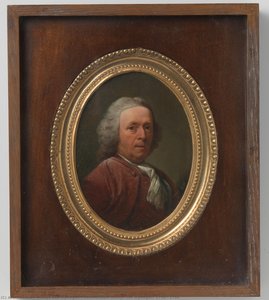
Kratke činjenice
- Artistic Movement Or Style: Rococo
- Artists Or Movements Influenced By This Artist: ['Gerard van Nijmegen']
- Artists Who Influenced This Artist:
- Elias van Nijmegen
- Jacob de Wit
- Date Of Birth: 1705
- Date Of Death: 1798
- Full Name: Dionys van Nijmegen
- Nationality: Dutch
- Place Of Birth: Rotterdam, Netherlands

