

 Pregledaj u prostoru
 Pošalji
 Podeli
 Detalji o delu

 Преузми
 Slični predmeti
 Rendgenski snimak
 Slajdovi
Životinja i smejanje
 Ulje na platnu
- Umetnost za zidove
- Dutch Golden Age
 1674
1674 40.0 x 35.0 cm
 Мауритшhuis
 Pročitaj više
Kupite digitalnu sliku visoke rezolucije i poboljšanog kvaliteta, koja je znatno superiornija od onoga što vidite u online prikazu.
Svaka datoteka je pedantno pripremljena od strane naših stručnjaka koristeći napredne alate i profesionalnu ručnu retušu. Osiguravamo da svaka slika ima izuzetnu oštrinu, preciznu reprodukciju boja i fine detalje.
Konačna datoteka se dostavlja putem e-pošte u roku od 72 sata, optimizovana za neposrednu upotrebu u profesionalnim, izdavačkim i štamparskim okruženjima. To je isti kvalitet kojem veruju vrhunski studiji dizajna, izdavači i galerije.
Digitalna slika
Preuzmite datoteku visoke rezolucije za ličnu upotrebu, štampanje i kreativne projekte. ( Kupi print Kupi ručno naslikanu sliku)
Uključeno uz svaku porudžbinu digitalne slike
Profesionalna digitalna isporuka, zagarantovana
Kada odaberete ArtsDot.com, ne dobijate samo sliku – vi primate profesionalno unapređeno digitalno umetničko delo, izrađeno sa najvećom preciznošću i uz garanciju zadovoljstva. Evo svega što automatski dolazi uz vašu porudžbinu:

Brza dostava putem e-pošte
Vaša digitalna slika visoke rezolucije biće vam poslata putem e-pošte u roku od 72 sata od poručivanja – spremna za trenutnu upotrebu.

Digitalna datoteka unapređena veštačkom inteligencijom
Vaše umetničko delo je profesionalno optimizovano korišćenjem naprednih AI alata i ručne obrade, čime se osiguravaju maksimalni detalji, oštrina i preciznost boja.

Besplatna ponovna isporuka doživotno
Slučajno ste obrisali ili izgubili svoju datoteku? Ne brinite – poslaćemo vam je ponovo u bilo kom trenutku, potpuno besplatno.

Bez troškova uvoza – zauvek
Uživajte u svojim umetničkim delima trenutno, bez carine, dažbina ili troškova dostave – digitalni download je uvek bez poreza.

Garancija vernosti boja
Uz pomoć profesionalnih alata i upravljanja bojama, osiguravamo da vaša digitalna slika što vernije odražava originalne boje.

Garancija zadovoljstva u roku od 60 dana
Ako niste zadovoljni svojom digitalnom slikom, revidirat ćemo je ili vratiti 100% novca u roku od 60 dana – bez ikakvih pitanja.

100% garancija povrata novca
Niste zadovoljni? Obezbedite pun povrat novca u roku od 60 dana od trenutka kada ste primili svoju digitalnu datoteku – bez suvišnih pitanja.

Popusti na velike porudžbine
Kupite 3 slike, uštedite 10% - Kupite 5 slika, uštedite 15% - Kupite 10+ slika, uštedite 20%. Odlično za kreativne projekte, galerije i agencije.
Dirck de Bray: A Legacy of Floral Brilliance and Artistic Family Ties
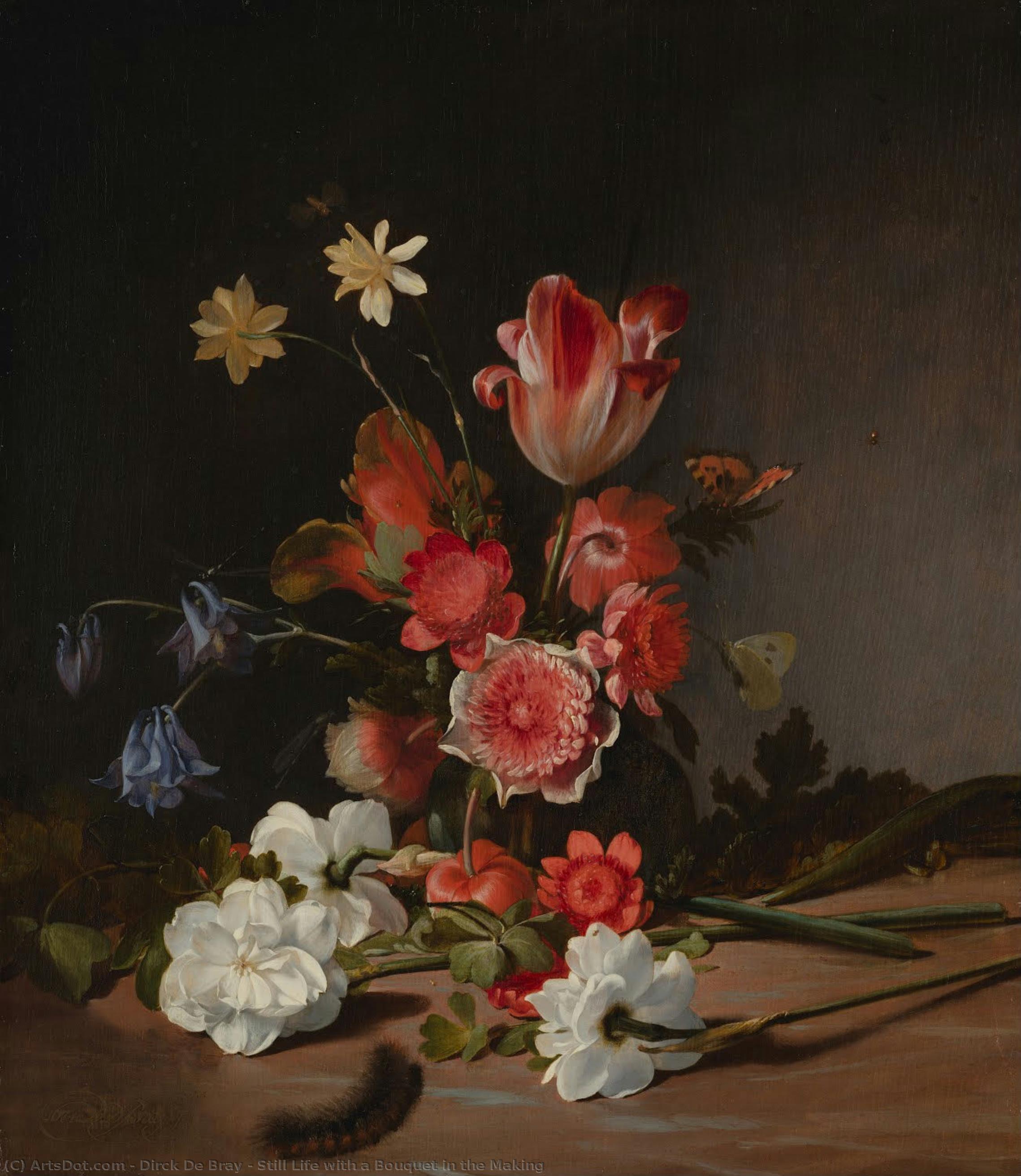
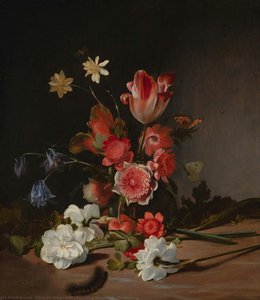
Dirck de Bray (1635 – 1694) stands as a prominent figure within the Dutch Golden Age, celebrated primarily for his masterful depictions of flowers—a genre he elevated to unparalleled levels of detail and beauty. Yet, his artistic journey extended far beyond botanical illustration; he was a multifaceted talent deeply rooted in a distinguished artistic lineage and marked by a contemplative life dedicated to monastic pursuits. Born into Haarlem’s vibrant artistic milieu, Dirck’s father, Salomon de Bray, was himself a celebrated painter and architect—a connection that profoundly shaped his formative years. His brother Jan became a successful painter, while Joseph tragically succumbed to illness at a young age. These familial influences instilled in him an appreciation for artistic excellence and fostered a collaborative spirit within the Bray family. Anna Westerbaen, Dirck’s mother, was the sister of Jan Westerbaen—a renowned landscape artist who championed the beauty of the Dutch countryside. This familial heritage undoubtedly contributed to Dirck's innate understanding of composition and color harmony. Bray’s artistic output focused predominantly on still lifes – meticulously rendered scenes featuring flowers, fruits, and occasionally insects or drapery – a stylistic choice that aligns perfectly with the prevailing aesthetic sensibilities of his era. He skillfully captured the ephemeral qualities of nature, striving to convey not merely visual accuracy but also an emotional resonance that mirrored the contemplative spirit of the Baroque period. His works are characterized by a profound respect for observation and a dedication to achieving textural realism through layering thin glazes of oil paint—a technique perfected by masters like Johannes Vermeer and Rembrandt. Bray’s artistic reputation rests largely on his stunning floral compositions, particularly ‘Still Life with a Bouquet in the Making,’ completed in 1674. This masterpiece exemplifies the Dutch Golden Age's obsession with botanical art, demonstrating an extraordinary level of detail and capturing the delicate beauty of springtime blossoms—tulips, daffodils, narcissi, anemones, and columbines—arranged against a dark background that enhances their luminosity. The artist’s meticulous brushwork creates a palpable sense of depth and volume, inviting viewers to immerse themselves in the tranquil atmosphere of the studio. The symbolism embedded within ‘Still Life with a Bouquet in the Making’ speaks to broader themes of mortality and remembrance – a characteristic element of *vanitas* paintings prevalent during this period. The inclusion of a butterfly symbolizes transformation and fleeting beauty, reminding us that all earthly pleasures are transient. Similarly, the withered petals serve as poignant reminders of decay and the inevitability of death. Yet, amidst these somber reflections lies an undeniable celebration of artistic skill and aesthetic appreciation—a testament to Dirck de Bray’s enduring legacy as one of Holland's most accomplished floral painters.- Artist: Dirck de Bray
- Birth Year: 1635
- Death Year: 1694
- Birth City: Haarlem
- Birth Country: Netherlands
Still Life with a Bouquet in the Making – Technical Details
This remarkable painting utilizes oil paints on canvas—a technique favored by artists of the Golden Age for its ability to achieve unparalleled luminosity and textural richness. Bray’s masterful layering of thin glazes builds up color gradually, creating subtle tonal variations that contribute significantly to the artwork's overall depth and atmosphere. The artist’s meticulous attention to detail is evident in every brushstroke—from the delicate rendering of petal textures to the precise positioning of foliage—demonstrating a dedication to capturing the essence of natural beauty with unwavering accuracy.Historical Context & Artistic Influences
Dirck de Bray's work emerged during the Dutch Golden Age (c. 1600-1700), a period marked by unprecedented artistic innovation and cultural flourishing. The influence of Baroque art—particularly its emphasis on dramatic lighting and emotional expression—is palpable in ‘Still Life with a Bouquet in the Making.’ Like Rembrandt and Vermeer, Bray sought to evoke profound feelings within his viewers through masterful composition and skillful manipulation of light—creating images that transcend mere representation and resonate with timeless beauty.Symbolism & Emotional Impact
Beyond its aesthetic qualities, ‘Still Life with a Bouquet in the Making’ carries significant symbolic weight. As a reflection of *vanitas* philosophy – contemplating mortality and the futility of earthly pursuits – it serves as a poignant reminder of human vulnerability and the passage of time. The artwork's subdued palette and carefully crafted textures invite contemplation—encouraging viewers to appreciate the fleeting splendor of life while acknowledging its inevitable end. It remains an enduring testament to Dirck de Bray’s artistic genius and his ability to capture the sublime beauty of nature alongside profound philosophical insights.Srodna umetnička dela
Biografija umetnika
A Legacy of Floral Brilliance and Artistic Family Ties
Dirck de Bray (1635 – 1694) stands as a prominent figure within the Dutch Golden Age, celebrated primarily for his masterful depictions of flowers—a genre he elevated to unparalleled levels of detail and beauty. Yet, his artistic journey extended far beyond botanical illustration; he was a multifaceted talent deeply rooted in a distinguished artistic lineage and marked by a contemplative life dedicated to monastic pursuits. Born into Haarlem’s vibrant artistic milieu, Dirck’s very existence was intertwined with the pulse of the Netherlands' most creative era.
His father, Salomon de Bray, was himself a celebrated painter and architect—a connection that profoundly shaped his formative years. This familial influence instilled in him an appreciation for artistic excellence and fostered a collaborative spirit within the Bray family. His brother Jan became a successful painter, while his mother, Anna Westerbaen, provided an intellectual richness to his upbringing as the sister of the renowned poet Jan Westerbaer. These connections ensured that Dirck was immersed in a world where art, poetry, and architecture breathed as one.
Mastery of Form and the Sculptor's Touch
De Bray's artistic training began under Salomon’s tutelage, honing skills in both painting and sculpture. This dual mastery allowed him to approach the canvas with a unique understanding of three-dimensional form. A remarkable testament to his skill was his carving of a wooden bust of his father's head, an achievement so meticulously documented by Houbraken that it was utilized for Salomon’s engraving in the famous Schouburg. This ability to manipulate medium—from the delicate grain of wood to the fluid transparency of oil—demonstrated a keen understanding of texture and printmaking techniques alongside his artistic prowess.
His artistic style is characterized by meticulous observation and painstaking execution, traits most evident in his stunning flower paintings. Unlike many contemporaries who favored looser, more impressionistic brushstrokes, De Bray achieved a profound realism through the layering of thin glazes of color. This technique allowed him to capture the subtle nuances of petal textures, the dewy sheen on a leaf, and the complex light play within floral arrangements with breathtaking accuracy. His compositions often incorporate dramatic lighting that elevates his still lifes from mere botanical studies to profound meditations on life.
Symbolism, Spirituality, and the Vanitas Tradition
Beyond the surface beauty of his blooms, De Bray’s work often whispered of deeper, more somber truths. In masterpieces such as Still Life with a Bouquet in the Making (1674), he utilized the vibrant colors of tulips, daffodils, and primroses to create a sense of springtime vitality, yet he frequently infused these scenes with elements of Vanitas—the reflection on mortality. A solitary butterfly or a wilting petal served as a poignant reminder of the ephemeral nature of existence, a theme that resonated deeply with his own spiritual journey.
This contemplative nature was further deepened by his later life; Dirck eventually became a monk in the Benedictine monastery at Gaesdonck near Goch. This transition from the vibrant studios of Haarlem to the quiet, disciplined life of a monk imbued his later perspective with a certain quiet dignity and spiritual depth. Whether painting a lush basket of flowers on a marble ledge or capturing the symbolic weight of religious icons, De Bray’s work remains a testament to a soul that found the divine in the minute details of the natural world.
Dirck de Bray
1635 - 1694 , Netherlands
Kratke činjenice
- Artistic Movement Or Style: Dutch Golden Age
- Artists Or Movements Influenced By This Artist: ['Hals']
- Artists Who Influenced This Artist: ['Salomon de Bray']
- Date Of Birth: 1635
- Full Name: Dirck de Bray
- Nationality: Dutch
- Notable Artworks:
- Still Life with a Bouquet in the Making
- Portrait Of Salomon De Bray
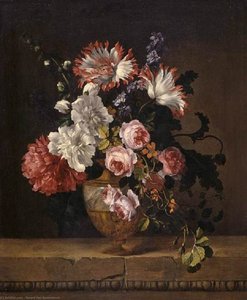
- A still life of a basket of flowers on a large marble ledge
- Place Of Birth: Haarlem, Netherlands

