

 Pregledaj u prostoru
 Pošalji
 Podeli
 Detalji o delu

 Преузми
 Slični predmeti
 Rendgenski snimak
 Slajdovi
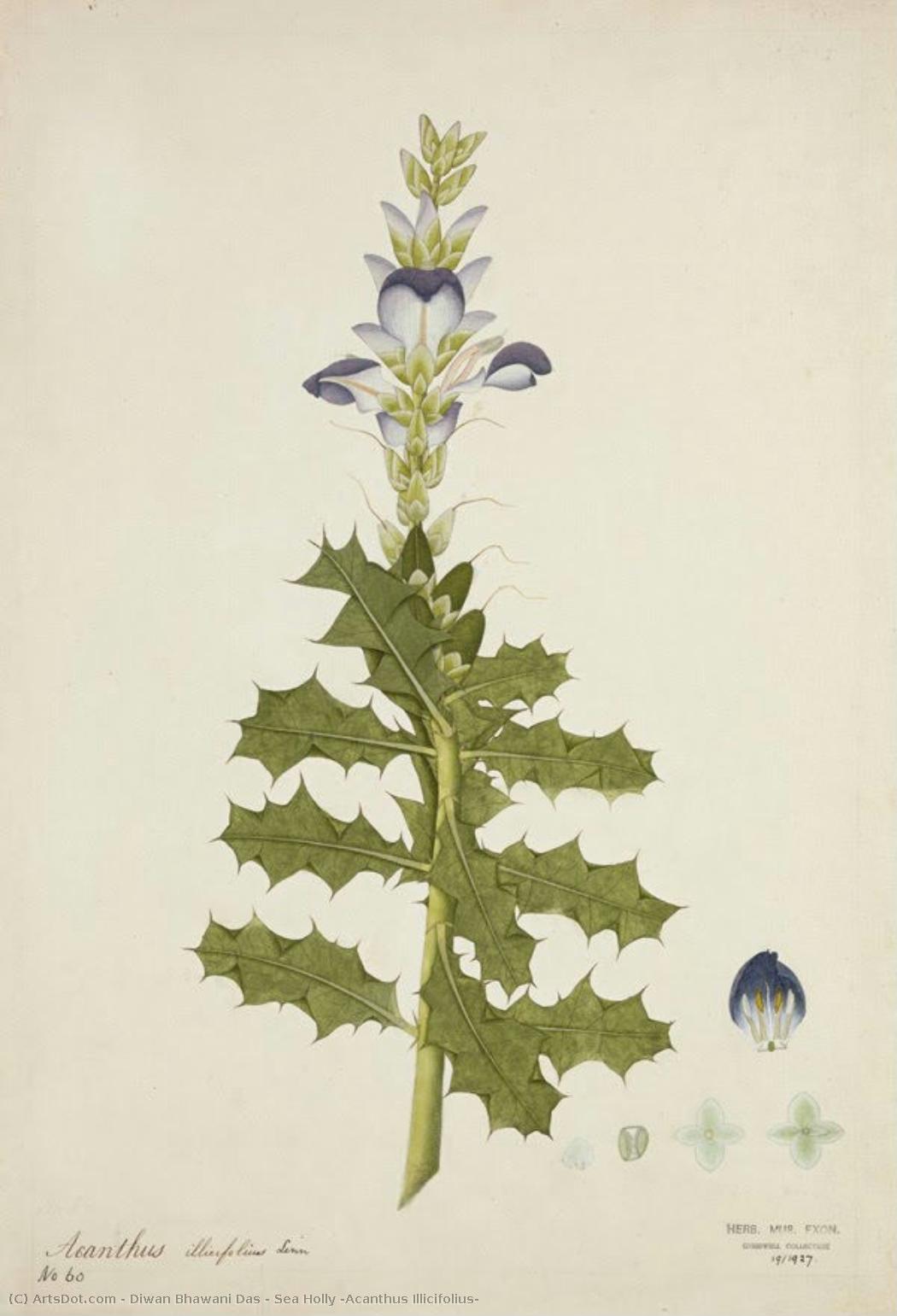
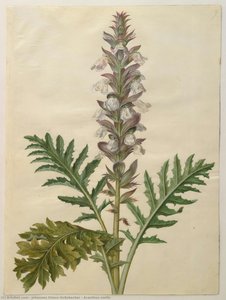
Sea Holly (Acanthus Illicifolius)


 Pročitaj više
Ručno rađena uljana reprodukcija
Ručno oslikano uljanim bojama na platnu u dimenzijama i okviru po vašem izboru, izrađeno po porudžbini od strane naših umetnika. ( Kupi print Kupi digitalnu sliku)




































Izaberite jednu od naših unapred definisanih veličina koje odgovaraju originalnim proporcijama umetničkog dela.

Можете унети сопствене димензије како бисте прилагодили дело одређеном оквиру или простору. Ако одабрана величина не одговара пропорцијама оригинала, слика ће бити исечена или проширена додатним елементима који се ручно насликавају. Дигитални prikaz ће вам бити послат на одобрење пре почетка производње.
Имајте на уму да преглед на екрану не одражава стварно исецање или проширење. Само приказ (mockup) ће тачно приказати коначну композицију.
Иако су доступне прилагођене величине, препоручујемо да одаберете димензију из дефинисане листе како бисте сачували оригиналне пропорције.
Nakon narudžbine, tim ArtsDot.com će klijentu putem e-pošte poslati uputstva i dostaviti prikaz predloženog rešenja
Isporuka širom sveta () za 3/4 nedelje umesto uobičajenih 5 nedelja. (28 август). Bez kompromisa po pitanju kvaliteta.

Besplatna ekspresna dostava širom sveta

Visokokvalitetno laneno platno

Kompletno osiguranje transporta

Garancija povraćaja carine i uvoznih dažbina

Garancija vernosti boja

Politika povrata u roku od 60 dana (samo u slučaju nedostataka)

Garancija povrata novca od 100%

Popust pri grupnoj kupovini
 Opcija sa staklom dostupna je samo za dimenzije manje od 110 cm

Sea Holly (Acanthus Illicifolius)
Tehnika reprodukcije
Dimenzije reprodukcije
-


Konačna cena
$ 263
Srodna umetnička dela
Biografija umetnika
Diwan Bhawani Das: Bridging Tradition and Modernity in 18th-Century Indian Art
Diwan Bhawani Das, a name largely absent from mainstream art historical narratives yet profoundly significant to the artistic landscape of 18th-century India, stands as a testament to the evolving synthesis of tradition and innovation. Born around 1770 in what is now India – his precise birthplace remains shrouded in the mists of time – Das’s life was inextricably linked to the shifting political currents of the era, serving as a crucial figure within the Durrani and later the Sikh empires. More than just a court painter, he was a skilled administrator, a keen observer of human nature, and an artist who masterfully blended the established aesthetics of Mughal miniature painting with emerging European influences, creating a uniquely Indian visual language.
Das’s early life remains largely undocumented, reflecting a common fate for many artists operating within the complex hierarchies of royal courts. However, it is known that he hailed from a prominent Khatri family – a merchant caste traditionally associated with commerce and administration – providing him with both social standing and access to education. His initial training likely occurred under the tutelage of established Mughal miniature painters, absorbing the intricate detail, rich color palettes, and formalized compositions characteristic of this venerable tradition. This foundation proved invaluable as he later sought to integrate these elements with new artistic approaches.
A Rising Star in Imperial Service
Das’s career unfolded during a period of immense political upheaval. He began his service under the Durrani emperors, Zaman Shah and Shah Shujah, initially functioning as a revenue official in Multan and Derajat. This early experience provided him with an intimate understanding of administrative processes and the practical demands of managing resources – skills that would later prove essential in his role as a court painter and advisor. His efficiency and dedication quickly garnered attention, leading to promotions within the Durrani administration.
A pivotal moment arrived when he transitioned to service under Maharaja Ranjit Singh, the ambitious ruler of the burgeoning Sikh Empire. Recognizing Das’s administrative acumen and artistic talent, Ranjit Singh appointed him as finance minister in 1811. This move marked a significant shift in Das's career trajectory, placing him at the heart of the Sikh state’s economic and political affairs. During this period, he implemented crucial reforms to the treasury system, establishing a framework for regular accounts and streamlining revenue collection – vital steps in consolidating the empire’s power.
The Art of Synthesis: Style and Technique
Das's artistic style is characterized by a remarkable ability to synthesize disparate influences. While firmly rooted in Mughal miniature painting—evident in his meticulous attention to detail, use of gold leaf, and refined compositions—he also incorporated elements borrowed from European art, particularly the burgeoning interest in natural history illustration prevalent during the British East India Company’s expansion. This fusion is most strikingly evident in his botanical watercolors, such as those depicting *Kadam* (Neolamarckia cadamba) and *Sea Holly* (Acanthus illyricus), which showcase a remarkable scientific accuracy alongside an appreciation for aesthetic beauty.
His paintings of animals, like the “Great Indian Fruit Bat,” demonstrate this hybrid approach. The bat is rendered with astonishing realism—capturing its fur, musculature, and delicate features—yet the composition and overall treatment bear a clear resemblance to European animal studies of the time. The use of opaque watercolor lends a subtle luminosity to the work, creating an atmosphere of quiet observation.
Notable Works and Legacy
Among Das’s most celebrated works is “Raja Ravi Varma: Shakuntala,” a captivating depiction of the tragic heroine from Kalidasa's epic poem. This painting exemplifies his mastery of narrative storytelling, combining classical Indian iconography with a sense of dramatic intensity. Other notable pieces include "Raja Ravi Varma: Simhika and Sairandri," which showcase his ability to capture the essence of wildlife with both elegance and precision.
Diwan Bhawani Das’s legacy extends far beyond his artistic output. He played a crucial role in shaping the administrative structures of the Sikh Empire, contributing significantly to its economic stability and political development. His paintings, now considered national treasures, offer invaluable insights into the cultural exchange that characterized 18th-century India—a period marked by both conflict and collaboration between diverse traditions. The Maharaja Ranjit Singh’s collection provides a vital resource for scholars seeking to understand this complex and fascinating era.
Further Exploration
- Wikipedia Entry: https://en.wikipedia.org/wiki/Diwan_Bhawani_Das
- ArtsDot Website: /en/artists/diwan-bhawani-das-en/
- Metropolitan Museum of Art: https://www.metmuseum.org/art/collection/search/456949
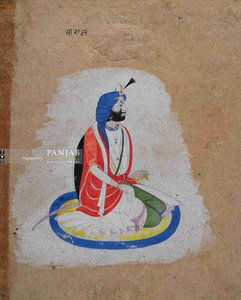
Diwan Bhawani Das
1770 - 1834 , India
Osnovne informacije
- Artistic Movement Or Style: Traditional Indian & Modern techniques
- Artists Or Movements Influenced By This Artist: None specified
- Artists Who Influenced This Artist: Traditional Indian styles
- Date Of Birth: Unknown, India (1770)
- Date Of Death: 1834
- Full Name: Diwan Bhawani Das
- Nationality: Indian
- Notable Artworks:
- Raja Ravi Varma: Shakuntala
- Raja Ravi Varma: Simhika
- Raja Ravi Varma: Sairandri
- Place Of Birth: India (Unknown)
Povezani članci
The Flourishing Canvas: A Historical & Artistic Exploration of Botanical Illustration
Explore the rich history of botanical illustration! Discover key artists like Havell & Barraband, learn about scientific accuracy & aesthetic beauty. Shop museum-quality reproductions at ArtsDot.
The Flourishing Canvas: A Historical Journey Through Botanical Illustration
Explore the captivating history of botanical illustration! Discover renowned artists like Robert Havell & Mary Walcott, learn about techniques, and find museum-quality art at ArtsDot.com.
Victorian Botanical Painting: Science, Art & Aesthetic Sensibility
Explore the exquisite world of Victorian botanical art! Discover the science & artistry behind stunning floral illustrations by Gould, Muckley & more. Learn about collecting, value & investment at ArtsDot.
The Flourishing Canvas: A Historical Journey Through Botanical Illustration
Explore the captivating history of botanical illustration! Discover renowned artists like Robert Havell & Mary Walcott, learn about techniques, and find museum-quality art at ArtsDot.com.
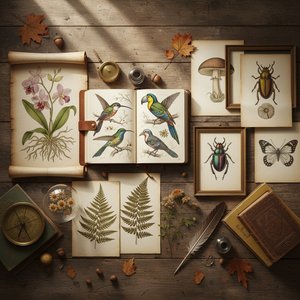
The Evocative Detail of Nature: A History of Naturalistic Illustration
Explore the rich history of botanical illustration! Discover pioneering artists like Maria Sibylla Merian & Marianne North. Learn about scientific precision, artistic expression, and find museum-quality reproductions at ArtsDot.

