

 Pregledaj u prostoru
 Pošalji
 Podeli
 Detalji o delu

 Преузми
 Slični predmeti
 Rendgenski snimak
 Slajdovi
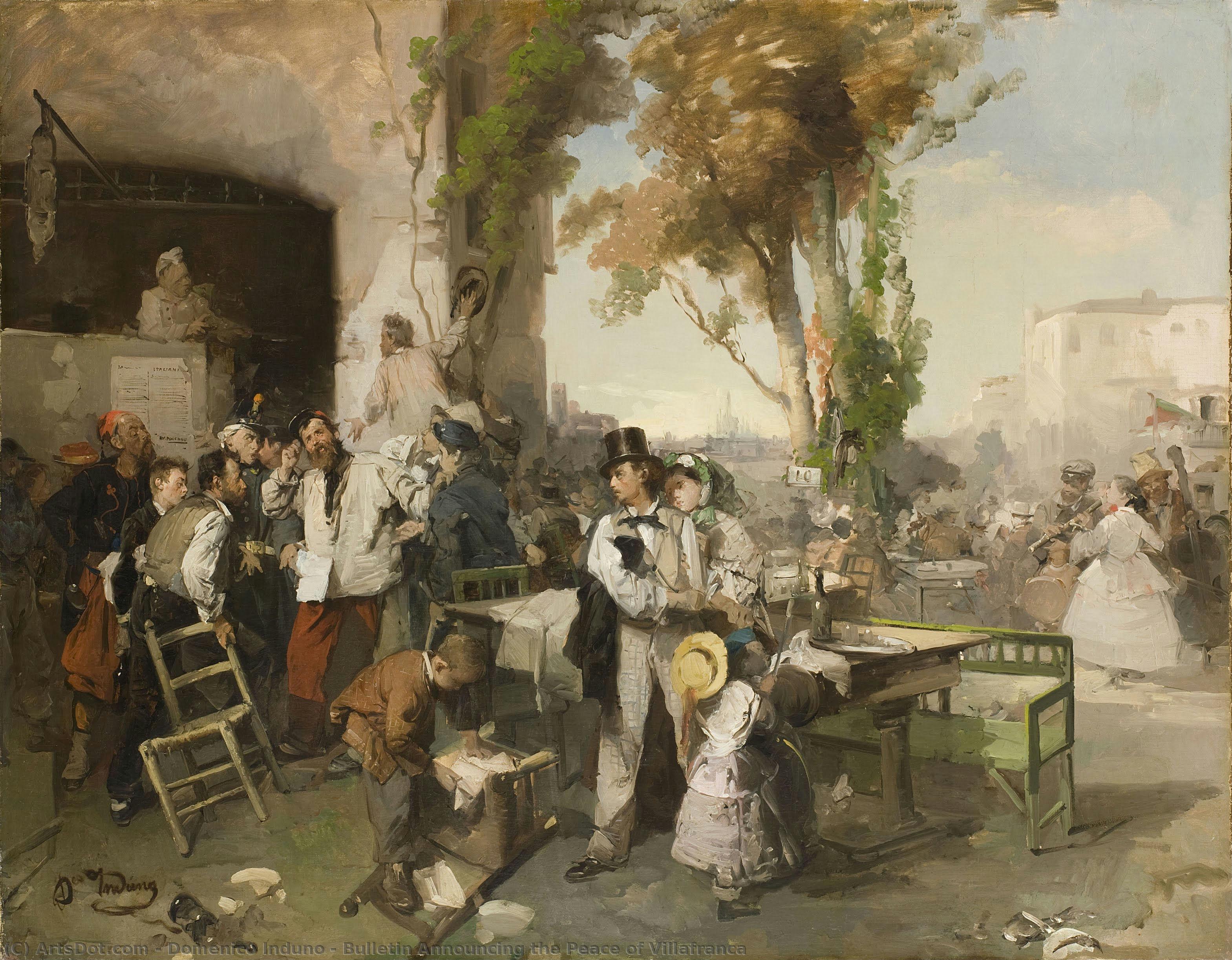
Bulletin Announcing the Peace of Villafranca


 Pročitaj više
Ručno rađena uljana reprodukcija
Ručno oslikano uljanim bojama na platnu u dimenzijama i okviru po vašem izboru, izrađeno po porudžbini od strane naših umetnika. ( Kupi print Kupi digitalnu sliku)




P118B $10

P118H $10

P118W $10

P438Z $10

P508JH $12

P508YH $12

P805H $10

P805Z $10

P919BZ $10

P919G $10

P919XJ $10

P959ZH $10

P968JZ $12

W106C $8

W218G $10

W218JH $8

W218Y $10

W307PJ $10

W316G $10

W316PJ $8

W316Y $10

W398PJ $8

W4111J $10

W500HY $15

W500JH $15

W692G $12

W849H $8

W940BG $15

W953PJ $8




Izaberite jednu od naših unapred definisanih veličina koje odgovaraju originalnim proporcijama umetničkog dela.

Можете унети сопствене димензије како бисте прилагодили дело одређеном оквиру или простору. Ако одабрана величина не одговара пропорцијама оригинала, слика ће бити исечена или проширена додатним елементима који се ручно насликавају. Дигитални prikaz ће вам бити послат на одобрење пре почетка производње.
Имајте на уму да преглед на екрану не одражава стварно исецање или проширење. Само приказ (mockup) ће тачно приказати коначну композицију.
Иако су доступне прилагођене величине, препоручујемо да одаберете димензију из дефинисане листе како бисте сачували оригиналне пропорције.
Nakon narudžbine, tim ArtsDot.com će klijentu putem e-pošte poslati uputstva i dostaviti prikaz predloženog rešenja
Isporuka širom sveta () za 3/4 nedelje umesto uobičajenih 5 nedelja. (31 август). Bez kompromisa po pitanju kvaliteta.

Besplatna ekspresna dostava širom sveta

Visokokvalitetno laneno platno

Kompletno osiguranje transporta

Garancija povraćaja carine i uvoznih dažbina

Garancija vernosti boja

Politika povrata u roku od 60 dana (samo u slučaju nedostataka)

Garancija povrata novca od 100%

Popust pri grupnoj kupovini
 Opcija sa staklom dostupna je samo za dimenzije manje od 110 cm

Bulletin Announcing the Peace of Villafranca
Tehnika reprodukcije
Dimenzije reprodukcije
-


Konačna cena
$ 263
Srodna umetnička dela




Biografija umetnika
John Singleton Copley: A Bostonian Pioneer of Portraiture
John Singleton Copley, born in Boston in 1738, stands as a pivotal figure in the history of American art, bridging the gap between the nascent colonial spirit and the established traditions of European portraiture. His life was marked by both remarkable success and poignant personal tragedies, ultimately leading him to establish a distinguished career in London, where he continued to innovate within the conventions of his craft. Copley’s legacy rests primarily on his masterful portraits, which captured not only the likenesses of wealthy Bostonians but also their personalities, social standing, and the burgeoning sense of identity within the colonies.Early Life and Artistic Training
Copley's early life was shaped by a complex family history. His father, Richard Copley, an Anglo-Irish tobacco merchant, arrived in Boston with his family in 1736, bringing with him a lineage steeped in trade and social connections. His mother, Mary Singleton Copley Pelham, descended from a prominent Irish family of Lancastrian origin. This mixed heritage provided Copley with exposure to both the practical world of commerce and the refined circles of Boston society. Initially, he received informal artistic training under his uncle, Henri-François Riesener, a painter who had served as court painter to Louis XVI. Riesener’s studio offered a valuable introduction to drawing and painting techniques, but Copley quickly surpassed his mentor's abilities, demonstrating an exceptional talent for capturing likenesses with remarkable accuracy and detail. He later studied under Robert Strange, another Boston artist, further honing his skills before embarking on his independent career.The Rise of a Colonial Portraitist
Copley’s reputation as a portrait painter began to flourish in the 1760s and 1770s, coinciding with the rise of Boston's merchant class and their desire to document their wealth and status. He quickly became the artist of choice for prominent figures like John Hancock, Samuel Adams, and Governor Thomas Hutchinson. His portraits were not merely representations of appearance; Copley meticulously observed his subjects, capturing their expressions, gestures, and clothing with an almost photographic realism. Crucially, he went beyond simple likenesses, imbuing his paintings with a sense of character and personality—a skill that distinguished him from many of his contemporaries. Works like “Boy with an Apple” (1768) and “Josiah Quincy” (1773) exemplify this approach, revealing Copley’s ability to convey both physical appearance and inner qualities.A Move to London and Shifting Artistic Styles
In 1774, amidst the escalating tensions leading up to the American Revolution, Copley relocated to London. This move marked a significant shift in his artistic focus. While he continued to paint portraits for wealthy English patrons, he also embraced historical painting—a genre less common in colonial America. His historical works, such as “The Death of General Wolfe” (1775), were ambitious and innovative, reflecting the grand narratives of European history while incorporating contemporary elements and a distinctly British sensibility. These paintings demonstrated his growing technical skill and willingness to experiment with new approaches to composition and subject matter.Legacy and Historical Significance
Despite facing financial difficulties in his later years, John Singleton Copley left an indelible mark on the history of American art. He is considered one of the first true American artists, bridging the gap between colonial realism and European artistic traditions. His portraits not only documented the lives of Boston’s elite but also served as powerful symbols of wealth, status, and identity during a period of profound social and political change. Copley's influence can be seen in subsequent generations of American painters, who built upon his foundation of technical skill and psychological insight. His work remains celebrated for its realism, elegance, and the enduring quality of its portraits—testaments to the talent and vision of this remarkable Bostonian artist.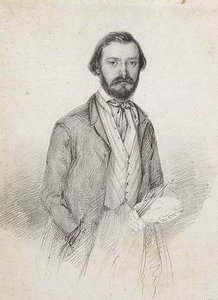
domenico induno
1815 - 1878
Osnovne informacije
- Artistic Movement Or Style: Portrait painting
- Artists Or Movements Influenced By This Artist: ['Portrait painting']
- Artists Who Influenced This Artist: ['Richard Copley']
- Date Of Birth: July 3, 1738
- Date Of Death: September 9, 1815
- Full Name: John Singleton Copley
- Nationality: American
- Notable Artworks:
- Watson and the Shark
- John Copley, 1st Baron Lyndhurst
- Place Of Birth: Boston, Massachusetts Bay
Povezani članci
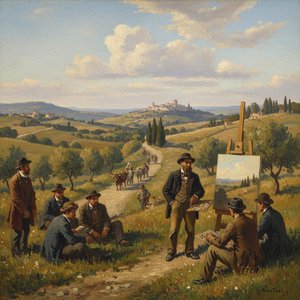
Giovanni Fattori: Realism, Identity & the Tuscan Landscape – A Macchiaioli Master
Explore the life & art of Giovanni Fattori, a leading figure of the Macchiaioli movement. Discover his revolutionary realism, captivating Tuscan landscapes, and lasting impact on Italian painting. Learn more at ArtsDot.
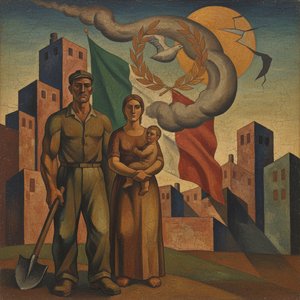
Mario Sironi: A Poetic of Modern Italian Identity Through Symbolism & Social Commentary
Explore the profound works of Mario Sironi, a key figure in Italian Modernism. Discover his evolution from Futurism to Metaphysical painting and his powerful social commentary. Learn about his legacy at ArtsDot.
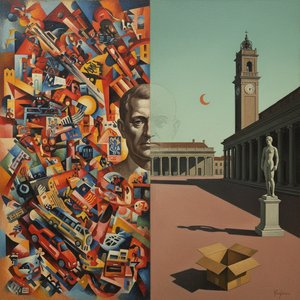
Carlo Carrà: Futurist Visions & Metaphysical Transformations in Early 20th-Century Italian Painting
Explore the artistic journey of Carlo Carrà, a pivotal figure in Italian Futurism & Metaphysical painting. Discover his dynamic compositions, collaborations with de Chirico, and lasting influence on modern art history.
Civic Virtue and Artistic Rivalry: Patronage and Innovation in the Italian Renaissance Republics, 1400–1600
Explore the Italian Renaissance! Discover how competitive patronage & humanist ideals fueled artistic innovation in republics like Florence & Venice. Expert insights for art lovers and collectors.
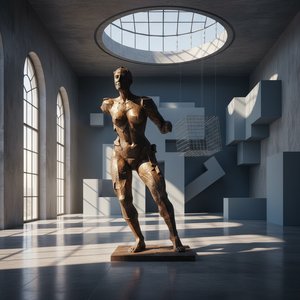
Venanzo Crocetti: A Study in Italian Modernism & Spatial Abstraction
Explore the captivating world of Venanzo Crocetti, a pivotal figure in Italian Modernism. Discover his iconic sculptures, public works, and lasting legacy – a must-read for discerning art collectors.

