

 Pregledaj u prostoru
 Pošalji
 Podeli
 Detalji o delu

 Преузми
 Slični predmeti
 Rendgenski snimak
 Slajdovi
 Stats
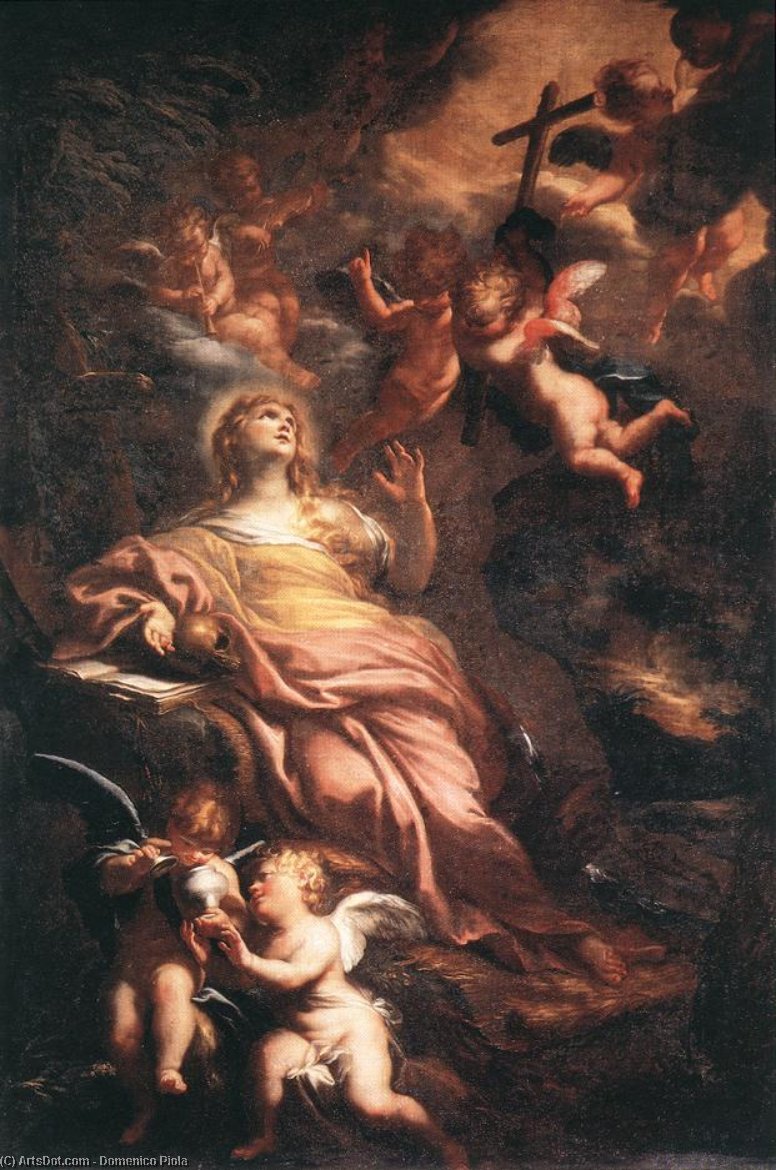
StatsMagdalene in the Desert
 1674
1674 300.0 x 198.0 cm
 Oratorio di Santa Maria Maddalena
 Pročitaj više
Kupite digitalnu sliku visoke rezolucije i poboljšanog kvaliteta, koja je znatno superiornija od onoga što vidite u online prikazu.
Svaka datoteka je pedantno pripremljena od strane naših stručnjaka koristeći napredne alate i profesionalnu ručnu retušu. Osiguravamo da svaka slika ima izuzetnu oštrinu, preciznu reprodukciju boja i fine detalje.
Konačna datoteka se dostavlja putem e-pošte u roku od 72 sata, optimizovana za neposrednu upotrebu u profesionalnim, izdavačkim i štamparskim okruženjima. To je isti kvalitet kojem veruju vrhunski studiji dizajna, izdavači i galerije.
Digitalna slika
Preuzmite datoteku visoke rezolucije za ličnu upotrebu, štampanje i kreativne projekte. ( Switch to Print Kupi ručno naslikanu sliku)
Uključeno uz svaku porudžbinu digitalne slike
Profesionalna digitalna isporuka, zagarantovana
Kada odaberete ArtsDot.com, ne dobijate samo sliku – vi primate profesionalno unapređeno digitalno umetničko delo, izrađeno sa najvećom preciznošću i uz garanciju zadovoljstva. Evo svega što automatski dolazi uz vašu porudžbinu:

Brza dostava putem e-pošte
Vaša digitalna slika visoke rezolucije biće vam poslata putem e-pošte u roku od 72 sata od poručivanja – spremna za trenutnu upotrebu.

Digitalna datoteka unapređena veštačkom inteligencijom
Vaše umetničko delo je profesionalno optimizovano korišćenjem naprednih AI alata i ručne obrade, čime se osiguravaju maksimalni detalji, oštrina i preciznost boja.

Besplatna ponovna isporuka doživotno
Slučajno ste obrisali ili izgubili svoju datoteku? Ne brinite – poslaćemo vam je ponovo u bilo kom trenutku, potpuno besplatno.

Bez troškova uvoza – zauvek
Uživajte u svojim umetničkim delima trenutno, bez carine, dažbina ili troškova dostave – digitalni download je uvek bez poreza.

Garancija vernosti boja
Uz pomoć profesionalnih alata i upravljanja bojama, osiguravamo da vaša digitalna slika što vernije odražava originalne boje.

Garancija zadovoljstva od 100 dana
Ako niste zadovoljni svojom digitalnom slikom, izvršićemo reviziju ili ćemo vam vratiti 100% novca u roku od 100 dana – bez ikakvih pitanja.

100% garancija povrata novca
Niste zadovoljni? Dobijte puni povraćaj novca u roku od 100 dana od prijema digitalne datoteke – bez suvišnih pitanja.

Popusti na velike porudžbine
Kupite 3 slike, uštedite 10% - Kupite 5 slika, uštedite 15% - Kupite 10+ slika, uštedite 20%. Odlično za kreativne projekte, galerije i agencije.
The Artist and His Style
Domenico Piola was a prominent Italian painter of the Baroque period, known for his vivid and expressive works. His style is marked by the use of chiaroscuro, a technique that emphasizes contrasts between light and dark to create a sense of depth and volume. In Magdalene in the Desert, Piola's use of chiaroscuro adds a dramatic effect to the scene, drawing the viewer's attention to the central figure of Mary Magdalene.The Painting's Symbolism
The painting depicts Mary Magdalene in a desert landscape, surrounded by cherubs and holding a skull, which symbolizes mortality and the fleeting nature of life. The dark sky filled with clouds adds a sense of drama and tension to the scene, underscoring the spiritual journey that Mary Magdalene is undertaking. The use of symbolism in the painting invites the viewer to reflect on the themes of redemption and spiritual growth.- The painting's composition and use of color create a sense of harmony and balance, drawing the viewer's eye to the central figure of Mary Magdalene.
- The cherubs surrounding Mary Magdalene add a sense of innocence and purity to the scene, highlighting her spiritual transformation.
- The skull held by Mary Magdalene serves as a reminder of the transience of life and the importance of spiritual reflection.
The painting Magdalene in the Desert by Domenico Piola is a masterpiece of Baroque art, offering a glimpse into the spiritual and emotional world of the 17th century. Its use of symbolism, chiaroscuro, and composition creates a powerful and thought-provoking work that continues to inspire art lovers today.
Srodna umetnička dela
Biografija umetnika
The Master of the Genoese Baroque
In the golden age of the seventeenth century, few names resonated through the grand halls and sacred sanctuaries of Genoa as powerfully as Domenico Piola. A titan of the Baroque period, Piola was not merely a painter but the beating heart of a vast, creative ecosystem known as Casa Piola. Born in Genoa in 1627, his life was inextricably linked to the flourishing maritime republic, where his brushwork helped define the very visual language of the era. His journey began under the tutelage of his brother-in-law, Stefano Camogli, and continued through the guidance of Pellegrino Piola, eventually leading him to study under Giovanni Domenico Cappellino. This rigorous foundation allowed him to emerge as a versatile virtuoso, capable of navigating the complexities of draughtsmanship, printmaking, and design with unparalleled grace.
The essence of Piola’s artistry lies in his ability to transform architectural spaces into celestial realms. As the leading figure of the Genoese school in the latter half of the 17th century, he specialized in the breathtaking medium of ceiling frescoes. These works were not merely decorations but immersive experiences designed to draw the viewer's gaze upward toward the divine. Working alongside contemporaries like Gregorio De’ Ferrari, Piola executed monumental cycles for prestigious locations such as the Palazzo Rosso. In these grand commissions, his ability to balance the heavy drama of the Baroque with a certain lyrical lightness—inspired by the works of Giovanni Benedetto Castiglione—created a sense of movement and light that seemed to dissolve the very boundaries of stone and plaster.
The Legacy of Casa Piola
What truly distinguished Domenico Piola from his peers was the sheer scale of his influence, facilitated by the prolific nature of his family studio. Casa Piola functioned as a highly organized workshop that streamlined the production of complex decorative schemes, ensuring that the aesthetic of Genoa remained cohesive and magnificent for nearly a century. This collaborative spirit allowed the studio to extend its reach far beyond the canvas, providing essential designs for sculptors and master craftsmen working in wood, ceramics, and metalwork. Through this multidisciplinary approach, Piola’s vision permeated every facet of Genoese aristocratic life, from the intimate details of private collections to the public grandeur of church interiors.
His travels further expanded his artistic horizons, as he carried the Genoese style to cities such as Milan, Piacenza, and Bologna. In Piacenza, his work in the Casa Baldini showcased his ability to adapt his dynamic compositions to different architectural contexts. Throughout his career, Piola remained a master of the interplay between light and shadow, utilizing a palette that could evoke both the somber gravity of religious devotion and the exuberant joy of seasonal celebrations. His historical significance is cemented not only by his individual masterpieces but by his role as the architect of a stylistic era, leaving behind a legacy where art, architecture, and craftsmanship were woven into a single, magnificent tapestry of Baroque splendor.
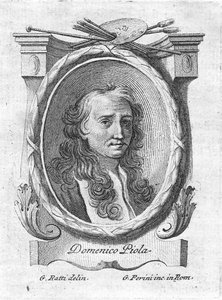
domenico piola
1627 - 1703 , Italy
Kratke činjenice
- Artistic Movement Or Style: Baroque
- Artists Who Influenced This Artist:
- Stefano Camogli
- Pellegro Piola
- Giovanni Domenico Cappellino
- Giovanni Benedetto Castiglione
- Date Of Birth: 1627
- Date Of Death: 1703
- Full Name: Domenico Piola
- Nationality: Italian
- Notable Artworks:
- Communion of Clare of Montefalco
- Autumn and Winter (Palazzo Rosso)
- Place Of Birth: Genoa, Italy