

 Pregledaj u prostoru
 Pošalji
 Podeli
 Detalji o delu

 Преузми
 Slični predmeti
 Rendgenski snimak
 Slajdovi
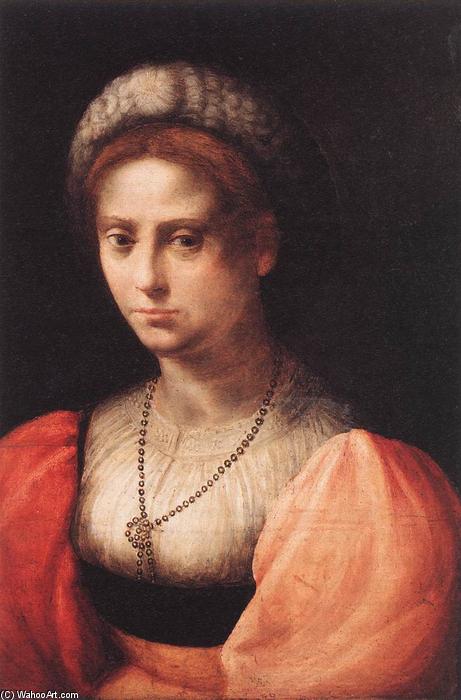
Portrait of a Lady


 Pročitaj više
Ručno rađena uljana reprodukcija
Ručno oslikano uljanim bojama na platnu u dimenzijama i okviru po vašem izboru, izrađeno po porudžbini od strane naših umetnika. ( Kupi print Kupi digitalnu sliku)




P118B $10

P118H $10

P118W $10

P438Z $10

P508JH $12

P508YH $12

P805H $10

P805Z $10

P919BZ $10

P919G $10

P919XJ $10

P959ZH $10

P968JZ $12

W106C $8

W218G $10

W218JH $8

W218Y $10

W307PJ $10

W316G $10

W316PJ $8

W316Y $10

W398PJ $8

W4111J $10

W500HY $15

W500JH $15

W692G $12

W849H $8

W940BG $15

W953PJ $8




Izaberite jednu od naših unapred definisanih veličina koje odgovaraju originalnim proporcijama umetničkog dela.

Можете унети сопствене димензије како бисте прилагодили дело одређеном оквиру или простору. Ако одабрана величина не одговара пропорцијама оригинала, слика ће бити исечена или проширена додатним елементима који се ручно насликавају. Дигитални prikaz ће вам бити послат на одобрење пре почетка производње.
Имајте на уму да преглед на екрану не одражава стварно исецање или проширење. Само приказ (mockup) ће тачно приказати коначну композицију.
Иако су доступне прилагођене величине, препоручујемо да одаберете димензију из дефинисане листе како бисте сачували оригиналне пропорције.
Nakon narudžbine, tim ArtsDot.com će klijentu putem e-pošte poslati uputstva i dostaviti prikaz predloženog rešenja
Isporuka širom sveta () za 3/4 nedelje umesto uobičajenih 5 nedelja. (24 август). Bez kompromisa po pitanju kvaliteta.

Besplatna ekspresna dostava širom sveta

Visokokvalitetno laneno platno

Kompletno osiguranje transporta

Garancija povraćaja carine i uvoznih dažbina

Garancija vernosti boja

Politika povrata u roku od 60 dana (samo u slučaju nedostataka)

Garancija povrata novca od 100%

Popust pri grupnoj kupovini
 Opcija sa staklom dostupna je samo za dimenzije manje od 110 cm

Portrait of a Lady
Tehnika reprodukcije
Dimenzije reprodukcije
-


Konačna cena
$ 263
Opis umetničkog dela
Portrait of a Lady by Domenico Puligo
Domenico Puligo (1492-1527) stands as a fascinating figure within the vibrant tapestry of Florentine Renaissance painting, an artist whose contribution has often been overshadowed by his more celebrated contemporaries. Born in Florence’s Ponte a Rifredi district – a crucible of artistic innovation – Puligo emerged from a family steeped in craftsmanship; his father, Bartolomeo Ubaldini, was a blacksmith, grounding him in the practical realities alongside the burgeoning ideals of humanist scholarship. His formative years were spent absorbing influences from masters like Ghirlandaio and del Sarto, shaping his artistic sensibilities before he embarked on his own independent career. Puligo’s stylistic trajectory aligns seamlessly with the broader currents of Mannerism, a movement characterized by heightened emotion, stylized forms, and an exploration of illusionistic techniques—a deliberate departure from the serene realism championed by earlier Renaissance artists. However, unlike many of his peers who embraced dramatic grandeur, Puligo cultivated a refined aesthetic rooted in subtlety and grace. This is particularly evident in *Portrait of a Lady*, a masterpiece that exemplifies his mastery of sfumato – the delicate blending of tones to create soft contours and atmospheric haze—a technique perfected by Leonardo da Vinci and adopted with considerable success by Puligo himself. The painting’s luminous quality speaks volumes about his meticulous attention to detail and his profound understanding of light as an expressive element. The composition centers on a woman depicted from the waist up, seated in dignified repose against a dark background that amplifies the luminosity of her face and attire. Her gaze directs slightly to the left, conveying a quiet contemplation—a characteristic gesture of Renaissance portraiture intended to convey inner serenity and noble bearing. The artist skillfully employs lines to delineate the contours of her features, dress, and headdress, creating an image imbued with elegance and sophistication. Warm hues dominate the palette – reds, golds, and browns – reflecting not only the opulent fabrics adorning the lady but also conveying a sense of warmth and richness that resonates deeply within the viewer’s imagination. Symbolism permeates every aspect of *Portrait of a Lady*. The pearl necklace—a prominent accessory—represents wealth and status, aligning with the social conventions of the time and highlighting Puligo's awareness of visual codes designed to communicate prestige. Furthermore, the lady’s attire – a yellow-ochre gown embellished with brown bands – embodies Florentine fashion trends during Puligo’s lifetime, reflecting the artistic spirit of his era. The painting’s overall emotional tone is one of quiet dignity and composure—a testament to Puligo's ability to capture not merely likeness but also character—a timeless achievement that continues to inspire admiration centuries later. The artwork resides within the Royal Collection at Windsor Castle, a testament to its enduring artistic merit. Its provenance traces back to Cardinal Francesco Barberini, who gifted it to Queen Henrietta Maria as an emblem of royal patronage during the tumultuous reign of Charles I. This historical context underscores the painting’s significance as a product of its time—a reflection of Florentine culture and artistic sensibilities under the influence of humanist ideals. Domenico Puligo's *Portrait of a Lady* remains a captivating exemplar of Renaissance artistry, demonstrating his profound understanding of technique, composition, and symbolism—a legacy that secures his place among Florence’s most accomplished painters.Srodna umetnička dela

Biografija umetnika
Domenico Puligo: A Florentine Renaissance Painter
- Born: Florence, Italy (1492)
- Died: 1527
Early Life and Training
Domenico di Bartolomeo Ubaldini, known as Domenico Puligo, was born in Florence in 1492. He hailed from a family of blacksmiths; his father, Bartolomeo, belonged to the Ubaldini lineage from Marradi in Tuscan Romagna. Puligo's early life was shaped by this familial background and the environment of Ponte a Rifredi and later Piazza di San Gallo on the outskirts of Florence. His artistic journey began with an apprenticeship under Ridolfo Ghirlandaio, son of the renowned Domenico Ghirlandaio who himself had trained Michelangelo. Puligo remained associated with Ghirlandaio for several years even after completing his formal training. He also worked as an assistant to Andrea del Sarto, forming a close friendship with him and absorbing influences from both masters.
Artistic Influences and Style
Puligo’s artistic style was significantly shaped by the prominent figures of the Florentine Renaissance. Ridolfo Ghirlandaio's influence is evident in his early works, while Andrea del Sarto imparted a sense of elegance and refined technique. Beyond these direct mentors, Puligo also drew inspiration from Jacopo Pontormo and Rosso Fiorentino, incorporating elements of their Mannerist style into his compositions. His paintings are characterized by a soft sfumato technique, creating subtle gradations of light and shadow that lend a delicate quality to his figures. He was particularly known for his portraiture, capturing the likenesses of prominent Florentine citizens with remarkable skill.
Major Works and Achievements
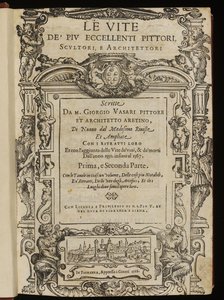
While Puligo’s artistic output was relatively limited—a fact noted by Giorgio Vasari—his works are highly regarded for their quality and artistry. Among his most celebrated pieces is the large-scale Vision of Saint Bernard altarpiece, now housed in the Walters Art Gallery in Baltimore. Other notable works include the Virgin and Child with St. John and the Holy Family. He gained considerable recognition as a portrait artist, enjoying high demand within Florence's elite circles. His portraits are admired for their psychological depth and ability to convey the character of his sitters.
Historical Significance and Legacy
Domenico Puligo occupies an important position within the Florentine Renaissance art scene. Though overshadowed by some of his contemporaries, his contributions demonstrate a mastery of technique and a sensitivity to the artistic trends of his time. His association with prominent artists like Ghirlandaio and del Sarto placed him at the heart of Florence’s vibrant artistic community. His brother, Jacone Puligo, was also a painter, further cementing the family's place in Renaissance art history. Despite Vasari’s observation about his “idle” nature and the relative scarcity of his surviving works, Domenico Puligo remains a significant figure whose paintings offer valuable insights into the artistic landscape of 16th-century Florence.
Domenico Puligo
1492 - 1527 , Italy
Osnovne informacije
- Artistic Movement Or Style: Renaissance
- Artists Who Influenced This Artist:
- Ridolfo Ghirlandaio
- Andrea del Sarto
- Jacopo Pontormo
- Il Rosso
- Date Of Birth: 1492
- Date Of Death: 1527
- Full Name: Domenico Puligo
- Nationality: Italian
- Notable Artworks:
- Vision of Saint Bernard
- Virgin and Child with St. John
- Holy Family
- Place Of Birth: Florence, Italy
Povezani članci

The Enduring Legacy of Oil on Canvas: Technique, History & Aesthetic Impact
Explore the rich history & techniques of oil painting – from Renaissance masters to Impressionism. Discover pigments, layering methods, and why this timeless medium endures. Expert insights for artists & art enthusiasts.

Oil on Canvas: A Historical & Technical Exploration of a Timeless Artistic Medium
Explore the rich history & enduring techniques of oil painting on canvas. Discover the science behind its longevity, conservation practices, and contemporary relevance. Expert insights for art enthusiasts.

The Enduring Power of Painting: A Historical & Contemporary Exploration of Form and Emotion
Explore the rich history & enduring techniques of oil painting with ArtsDot. Discover masterpieces, learn about art collecting, and find authentic handmade reproductions crafted by skilled artists.

Trajnu Ostavština Uljanih Boja na Platnu: Tehnika, Istorija i Savremena Praksa
Istražite bogatu istoriju i savremene tehnike uljanog slikarstva. Saveti stručnjaka, analiza radova velikih majstora i vodiči za biranje kvalitetnih materijala. Otkrijte tajne očuvanja umetničkih dela!
Prodajte Digitalnu Sliku kao Uljuenu Reprodukciju – Automatski Izračunajte Cenu, Postavite Maržu i Zaradite na Svakoj Prodaji za NFT Kolekcionare
Umetnost na dohvat ruke: prodajte digitalnu sliku kao uljenu reprodukciju uz automatski izračun cene, postavljanje marže i pouzdanu ArtsDot garanciju. Ekspertizna podrška, transparentni proces i vrednost za NFT kolekcionare.

