

 Pregledaj u prostoru
 Pošalji
 Podeli
 Detalji o delu

 Преузми
 Slični predmeti
 Rendgenski snimak
 Slajdovi
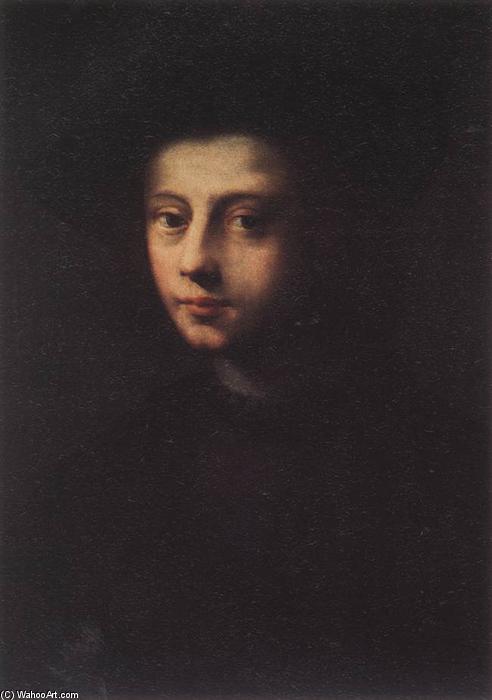
Portrait of Pietro Carnesecchi
 Oil On Canvas
- WallArt
- Baroque
 59.0 x 39.0 cm
 Галерија Уфици
 Pročitaj više
Giclee štampa / Umetnički otisak
Giclée štampa ili print na platnu muzejskog kvaliteta uz brzu proizvodnju i fleksibilne opcije završne obrade. ( Kupi ručno naslikanu sliku Kupi digitalnu sliku)




P118B $10

P118H $10

P118W $10

P438Z $10

P508JH $12

P508YH $12

P805H $10

P805Z $10

P919BZ $10

P919G $10

P919XJ $10

P959ZH $10

P968JZ $12

W106C $8

W218G $10

W218JH $8

W218Y $10

W307PJ $10

W316G $10

W316PJ $8

W316Y $10

W398PJ $8

W4111J $10

W500HY $15

W500JH $15

W692G $12

W849H $8

W940BG $15

W953PJ $8




Izaberite jednu od naših unapred definisanih veličina koje odgovaraju originalnim proporcijama umetničkog dela.

Možete uneti sopstvene dimenzije kako biste umetničko delo prilagodili specifičnom okviru ili prostoru. Ako odabrani format ne odgovara proporcijama originalne slike, mi ćemo ili iscrtati deo dela ili proširiti sliku pomoću ogledane ivice ili jednobojnog popunjavanja. Digitalni prikaz će vam biti poslat na odobrenje pre početka proizvodnje.
Imajte na umu da pregled na ekranu ne odražava stvarno iscrtavanje ili proširivanje. Samo će prikaz (mockup) precizno pokazati finalnu kompoziciju.
Iako su prilagođene dimenzije dostupne, preporučujemo da odaberete dimenziju sa unapred definisane liste kako biste očuvali originalne proporcije.
Dostava širom sveta () za 2 nedelje umesto uobičajenih 4/5 nedelja. (26 август)

Besplatna ekspresna dostava širom sveta

Visokokvalitetno laneno platno

Kompletno osiguranje transporta

Garancija povraćaja carine i uvoznih dažbina

Garancija vernosti boja

Politika povrata u roku od 60 dana (samo u slučaju nedostataka)

Garancija povrata novca od 100%

Popust pri grupnoj kupovini
 Opcija sa staklom dostupna je samo za dimenzije manje od 110 cm

Portrait of Pietro Carnesecchi
Giclee štampa / Umetnički otisak
Dimenzije reprodukcije
-


Konačna cena
$ 62
Opis predmeta
A Somber Reflection: Domenico Puligo’s Portrait of Pietro Carnesecchi
The artwork “Portrait of Pietro Carnesecchi” by Domenico Puligo stands as a testament to the artistic fervor of the Florentine Baroque, capturing not merely an individual likeness but also a profound psychological depth rarely achieved during that era. Executed around 1527, this oil painting on canvas embodies the stylistic hallmarks of Ghirlandaio and del Sarto’s influence—a masterful blend of realism and expressive subtlety—resulting in an image that continues to resonate with viewers centuries later.The Visual Language: Composition and Technique
Dominating the frame is a strikingly simple composition, centering the sitter's face and upper torso against a muted backdrop devoid of distracting detail. Puligo’s technique speaks volumes about his artistic sensibilities. Employing a glazing method—a layering process where thin washes of color are applied successively over previous layers—he builds up texture and luminosity with painstaking precision. The predominant palette is overwhelmingly dark, dominated by browns and blacks, creating an atmosphere of solemn contemplation. Notice the soft, blended lines that define the contours of the face and hair, indicative of a deliberate effort to soften edges and achieve a velvety finish. Impasto strokes—thickly applied paint—are visible in areas of drapery and background, adding palpable physicality to the artwork and enhancing its textural richness.Historical Context: Renaissance Echoes in Baroque Expression
Puligo’s artistic journey began under the tutelage of Ridolfo Ghirlandaio, son of the celebrated Domenico Ghirlandaio who himself had trained Michelangelo—a lineage steeped in Florentine artistic tradition. He honed his skills alongside Andrea del Sarto, forging a close friendship and absorbing stylistic influences from both masters. The painting reflects the broader artistic landscape of its time: While firmly rooted in Renaissance principles of anatomical accuracy and idealized beauty – as evidenced by Ghirlandaio’s legacy – Puligo skillfully incorporates Baroque expressive techniques to convey emotion and psychological nuance. This duality underscores the evolving sensibilities of the period, moving beyond mere representation toward a deeper engagement with human experience.Symbolism: Darkness and Inner Turmoil
The pervasive darkness within “Portrait of Pietro Carnesecchi” is not merely decorative; it serves as a powerful symbolic element. It evokes feelings of melancholy and introspection—suggesting that the sitter’s gaze holds a quiet contemplation of life's complexities. The subdued lighting casts deep shadows, emphasizing facial features and contributing to an overall sense of mystery. Considering Pietro Carnesecchi’s biography – a humanist noble born in Florence – this portrait speaks to themes of intellectual pursuit and perhaps a subtle awareness of mortality—a characteristic preoccupation within Renaissance humanism that finds its expression in Baroque art.Emotional Impact: A Window into the Soul
Ultimately, Domenico Puligo's “Portrait of Pietro Carnesecchi” transcends mere visual depiction; it invites viewers to contemplate the inner life of its subject. The artwork’s masterful execution—characterized by meticulous glazing, textural richness, and expressive subtlety—captures a moment of profound psychological depth, cementing its place as an enduring masterpiece of Florentine Baroque art. It remains a compelling reminder that true artistry lies not only in capturing likeness but also in conveying the essence of human emotion and intellect.Srodna umetnička dela




Biografija umetnika
Domenico Puligo: A Florentine Renaissance Painter
- Born: Florence, Italy (1492)
- Died: 1527
Early Life and Training
Domenico di Bartolomeo Ubaldini, known as Domenico Puligo, was born in Florence in 1492. He hailed from a family of blacksmiths; his father, Bartolomeo, belonged to the Ubaldini lineage from Marradi in Tuscan Romagna. Puligo's early life was shaped by this familial background and the environment of Ponte a Rifredi and later Piazza di San Gallo on the outskirts of Florence. His artistic journey began with an apprenticeship under Ridolfo Ghirlandaio, son of the renowned Domenico Ghirlandaio who himself had trained Michelangelo. Puligo remained associated with Ghirlandaio for several years even after completing his formal training. He also worked as an assistant to Andrea del Sarto, forming a close friendship with him and absorbing influences from both masters.
Artistic Influences and Style
Puligo’s artistic style was significantly shaped by the prominent figures of the Florentine Renaissance. Ridolfo Ghirlandaio's influence is evident in his early works, while Andrea del Sarto imparted a sense of elegance and refined technique. Beyond these direct mentors, Puligo also drew inspiration from Jacopo Pontormo and Rosso Fiorentino, incorporating elements of their Mannerist style into his compositions. His paintings are characterized by a soft sfumato technique, creating subtle gradations of light and shadow that lend a delicate quality to his figures. He was particularly known for his portraiture, capturing the likenesses of prominent Florentine citizens with remarkable skill.
Major Works and Achievements
While Puligo’s artistic output was relatively limited—a fact noted by Giorgio Vasari—his works are highly regarded for their quality and artistry. Among his most celebrated pieces is the large-scale Vision of Saint Bernard altarpiece, now housed in the Walters Art Gallery in Baltimore. Other notable works include the Virgin and Child with St. John and the Holy Family. He gained considerable recognition as a portrait artist, enjoying high demand within Florence's elite circles. His portraits are admired for their psychological depth and ability to convey the character of his sitters.
Historical Significance and Legacy
Domenico Puligo occupies an important position within the Florentine Renaissance art scene. Though overshadowed by some of his contemporaries, his contributions demonstrate a mastery of technique and a sensitivity to the artistic trends of his time. His association with prominent artists like Ghirlandaio and del Sarto placed him at the heart of Florence’s vibrant artistic community. His brother, Jacone Puligo, was also a painter, further cementing the family's place in Renaissance art history. Despite Vasari’s observation about his “idle” nature and the relative scarcity of his surviving works, Domenico Puligo remains a significant figure whose paintings offer valuable insights into the artistic landscape of 16th-century Florence.
Domenico Puligo
1492 - 1527 , Italy
Osnovne informacije
- Artistic Movement Or Style: Renaissance
- Artists Who Influenced This Artist:
- Ridolfo Ghirlandaio
- Andrea del Sarto
- Jacopo Pontormo
- Il Rosso
- Date Of Birth: 1492
- Date Of Death: 1527
- Full Name: Domenico Puligo
- Nationality: Italian
- Notable Artworks:
- Vision of Saint Bernard
- Virgin and Child with St. John
- Holy Family
- Place Of Birth: Florence, Italy
Povezani članci

Барокна драма: Уношење величине и емоција у савремене ентеријере
Откријте барокну драму и унесите величину у ваш ентеријер! ArtsDot нуди ручно насликане репродукције, персонализоване портрете и стручне консултације за љубитеље класичне уметности. Потражите савршено дело већ данас!

Barok Majstor dela: Top 10 Umjetničkih Remeka za Vaš Dom
Otkrijte 10 remek dela koja su definisala baroknu umetnost! Karavagio, Bernini i više – istražite priče iza ovih ikoničnih slika. Inspiracija za vaš dom? Pogledajte kolekciju na ArtsDot.com!

The Dramatic Flourish: Exploring the Baroque Movement's Enduring Legacy in Art History
Explore the dramatic world of Baroque art! Discover iconic artists like Caravaggio & Rubens, defining techniques, and its lasting impact on art history. Expert insights for collectors & enthusiasts at ArtsDot.

The Visceral Stage: Exploring Dramatic Narratives & Emotional Intensity in Baroque Art
Explore the dramatic world of Baroque art! Discover iconic masters like Caravaggio & Rembrandt, their techniques, and the movement's lasting impact. Expert insights for collectors & enthusiasts at ArtsDot.

Theatricality & Triumph: Baroque Drama in Painting & Sculpture
Explore the dramatic world of Baroque art! Discover its history, defining characteristics, & lasting influence on painting & sculpture. Expert insights into Caravaggio, Zurbarán, and Bernini – plus high-quality reproductions at ArtsDot.

