

 Pošalji
 Podeli
 Detalji o delu

 Преузми
 Slični predmeti
 Slajdovi
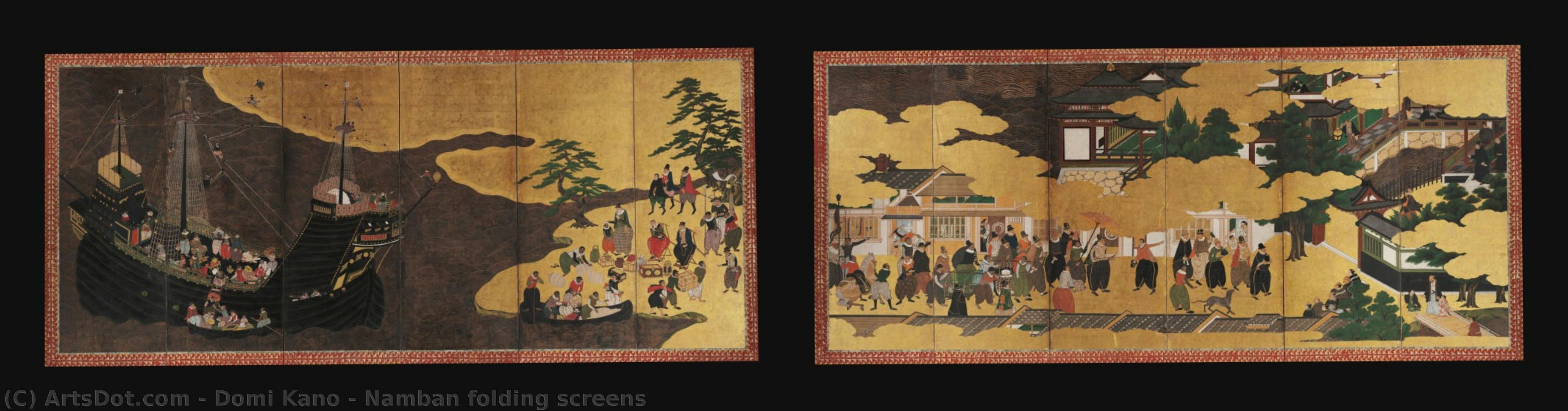
Namban folding screens
 Gold Leaf
- Sculpture
- Kano School
 1600
1600- Early Modern
 172.0 x 380.0 cm
 Nacionalni muzej stare umetnosti
 Pročitaj više
Ručno rađena uljana reprodukcija
Ručno oslikano uljanim bojama na platnu u dimenzijama i okviru po vašem izboru, izrađeno po porudžbini od strane naših umetnika. ( Kupi print Kupi digitalnu sliku)




































Izaberite jednu od naših unapred definisanih veličina koje odgovaraju originalnim proporcijama umetničkog dela.

Можете унети сопствене димензије како бисте прилагодили дело одређеном оквиру или простору. Ако одабрана величина не одговара пропорцијама оригинала, слика ће бити исечена или проширена додатним елементима који се ручно насликавају. Дигитални prikaz ће вам бити послат на одобрење пре почетка производње.
Имајте на уму да преглед на екрану не одражава стварно исецање или проширење. Само приказ (mockup) ће тачно приказати коначну композицију.
Иако су доступне прилагођене величине, препоручујемо да одаберете димензију из дефинисане листе како бисте сачували оригиналне пропорције.
Nakon narudžbine, tim ArtsDot.com će klijentu putem e-pošte poslati uputstva i dostaviti prikaz predloženog rešenja
Isporuka širom sveta () za 3/4 nedelje umesto uobičajenih 5 nedelja. (3 септембар). Bez kompromisa po pitanju kvaliteta.

Besplatna ekspresna dostava širom sveta

Visokokvalitetno laneno platno

Kompletno osiguranje transporta

Garancija povraćaja carine i uvoznih dažbina

Garancija vernosti boja

Politika povrata u roku od 60 dana (samo u slučaju nedostataka)

Garancija povrata novca od 100%

Popust pri grupnoj kupovini
 Opcija sa staklom dostupna je samo za dimenzije manje od 110 cm

Namban folding screens
Tehnika reprodukcije
Dimenzije reprodukcije
-


Konačna cena
$ 263
A Golden Window into the Age of Discovery
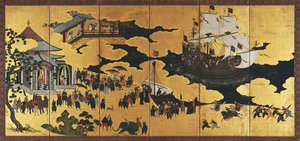
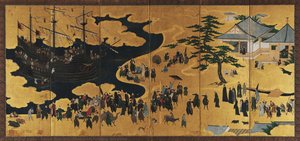
In the twilight of the sixteenth century, as the world began to shrink through the daring voyages of European explorers, a profound cultural collision unfolded on the shores of Japan. The Namban folding screens, masterfully executed by the renowned Kano School artist Domi Kano around 1600, serve as a breathtaking visual chronicle of this transformative era. These monumental works do not merely depict a historical event; they capture the very essence of curiosity, wonder, and the electric atmosphere that accompanied the arrival of the Portuguese vessels in the port of Nagasaki. Through the shimmering medium of gold leaf and meticulous brushwork, Kano invites us to witness the "black ships" of the namban jin—the southern barbarians—as they brought with them not just exotic cargo, but a new way of seeing the world.
The artistry of these screens is a testament to the refined elegance of the Kano School, a lineage of painters celebrated for their ability to harmonize traditional Japanese aesthetics with burgeoning external influences. As one traverses the expansive, hinged leaves of these screens, a narrative unfolds with cinematic fluidity. The composition moves from the bustling maritime activity of the docks to the intimate, social vignettes of village life and mountainous landscapes. Each scene is imbued with a sense of movement; figures gather in festive clusters, merchants negotiate their valuable goods, and Jesuit missionaries navigate the complex social landscape of a Japan on the brink of significant change. The use of gold leaf provides more than just luxury; it creates a luminous, ethereal backdrop that makes the figures appear to float within a divine, eternal moment, catching the light and drawing the viewer into the heart of the spectacle.
Technique and the Splendor of the Kano School
To behold these screens is to appreciate the pinnacle of Japanese decorative painting. Domi Kano utilized a sophisticated technique that blended the structural strength of traditional ink wash with the opulent brilliance of gold leaf. The scale of the work—stretching an incredible 172 by 380 centimeters—demands an immersive experience, making it an ideal centerpiece for any grand interior. The meticulous detail found in the depiction of the Portuguese vessels, the textures of the imported fabrics, and the expressive gestures of the Japanese onlookers reveals a level of craftsmanship that borders on the miraculous. This attention to detail serves a dual purpose: it functions as a historical document of immense value and as a triumph of pure aesthetic beauty.
For the discerning collector or interior designer, a high-quality reproduction of these screens offers more than just decoration; it offers a piece of living history. The interplay of light and shadow across the gilded surfaces provides a dynamic energy to a room, capable of transforming a contemporary space into a sanctuary of cultural depth. These works evoke a sense of nostalgia for an age of exploration and a profound respect for the delicate balance between tradition and innovation. Owning such a piece is an invitation to contemplate the enduring power of human connection and the timeless beauty found in the meeting of disparate worlds.
Srodna umetnička dela




Biografija umetnika
biography of a renowned artist
domi kano, also known as kano domi, was a japanese painter born in kyoto in 1562 and died in 1624. he was a member of the kano school, one of the most important and influential schools of japanese painting, which was founded in the 15th century and continued to produce masterpieces until the 19th century.the kano school style
the kano school was known for its refined and elegant style, which combined traditional japanese techniques with chinese and western influences. domi kano was the son of kano eitoku, the most famous artist of the kano school, and he continued his father's legacy by becoming the head of the school and producing many works of art that are still admired today.notable works
* namban folding screens (1600) - these screens depict the arrival of the first european traders and missionaries in japan, and are considered one of the masterpieces of japanese art. * landscape with gold leaf - characterized by its use of gold leaf, which gives his paintings a rich and luxurious look.artistic style and influence
domi kano's style is characterized by its use of gold leaf, which was a novelty in japanese art at the time. he was also known for his mastery of the perspective technique, which added depth to his paintings. his work has had a profound influence on japanese art, and he is considered one of the greatest artists of his time.- view domi kano's artworks on ArtsDot
- explore the kanō school style art movement on ArtsDot
- learn more about the kano school on wikipedia
domi kano
1562 - 1624 , Japan
Osnovne informacije
- Artistic Movement Or Style: Northern Mannerism
- Artists Or Movements Influenced By This Artist:
- Frans Hals
- Haarlem Mannerists
- Artists Who Influenced This Artist:
- Pieter Pietersz
- Gillis Coignet
- Date Of Birth: 1562
- Date Of Death: 1638
- Full Name: Cornelis Cornelisz. van Haarlem
- Nationality: Dutch
- Notable Artworks:
- The Banquet of the Haarlem Civic Guard
- Mythological subjects
- Biblical scenes
- Place Of Birth: Haarlem, Netherlands
Povezani članci

Golden Masterpieces: 10 Paintings That Define Art History | ArtsDot
Explore 10 breathtaking paintings where gold leaf shines! From Klimt to Byzantine icons, discover art history’s most gilded masterpieces. Find museum-quality reproductions & elevate your home decor with ArtsDot. Explore the full collection online.
The Allure of Gold in Art History: Symbolism, Technique & Cultural Significance
Explore the rich history of gold in art! Discover symbolism, techniques & cultural significance from ancient civilizations to Klimt's masterpieces. Expert insights for collectors at ArtsDot.
Golden Glow: How to Use Metallic Gold Artworks to Elevate Your Home Decor with Timeless Luxury
Discover how to elevate your home with the timeless elegance of metallic gold artworks. From sculptural metal pieces to gilded oil paintings, learn expert interior design tips for integrating luxurious gold accents into your space with sophistication and grace.
Gustav Klimt: 25 Remek-Dela Koje Očaravaju Svet – Reprodukcije za Vaš Dom
Uronite u svet Gustava Klimta! Otkrijte 25 remek-dela bečkog secesiona, od 'Poljupca' do portreta Adele Bloch-Bauer. Reprodukcije slika vrhunskog kvaliteta za luksuzni enterijer – inspiracija i dekoracija na ArtsDot.com.
The Hague School: Realism, Atmosphere & the Dawn of Dutch Impressionism
Explore the Hague School's pivotal role in Dutch art history. Discover realism, atmospheric landscapes & its influence on Impressionism. Learn about key artists like Mauve & Maris with ArtsDot.

