

 Pošalji
 Podeli
 Detalji o delu

 Преузми
 Slični predmeti
 Slajdovi
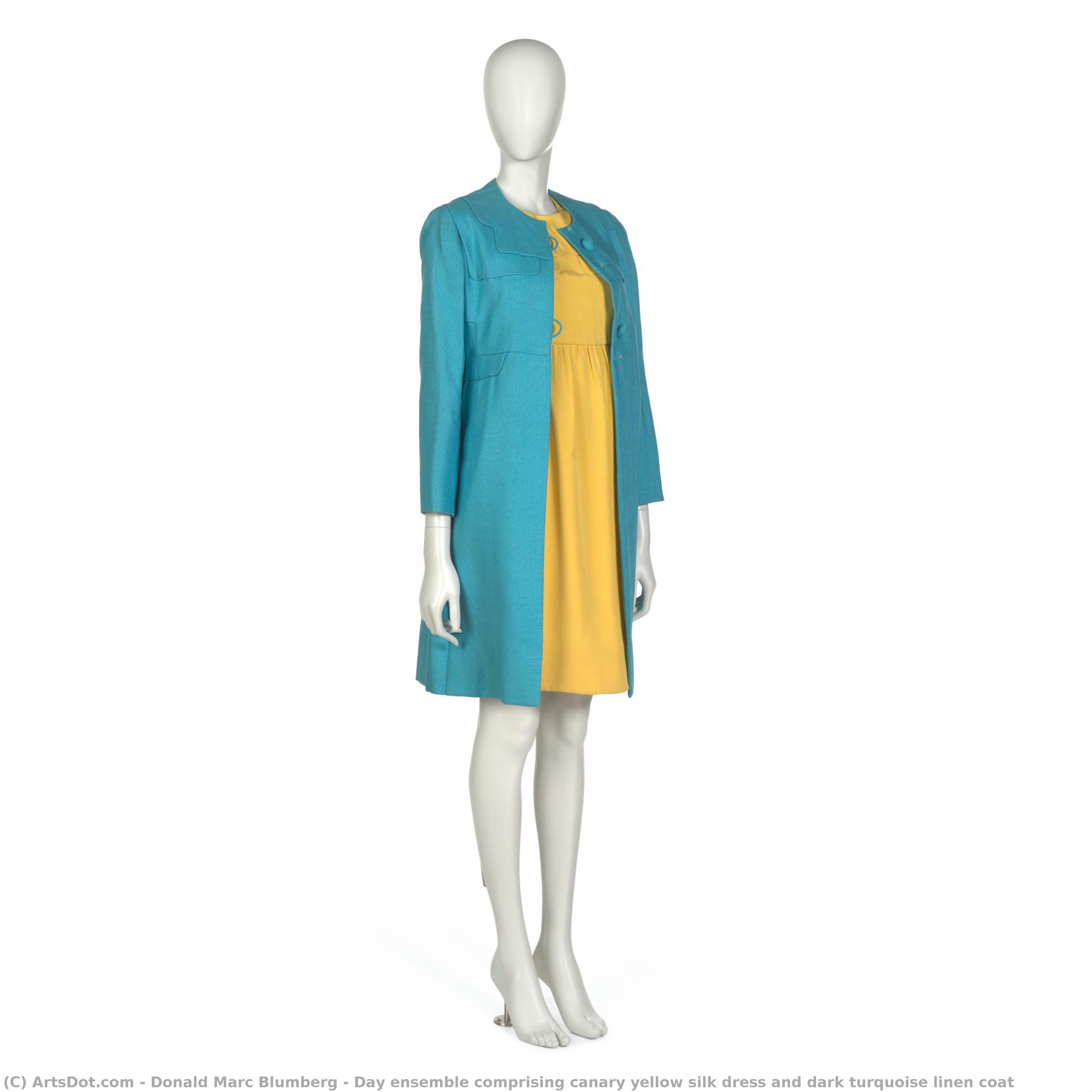
Day ensemble comprising canary yellow silk dress and dark turquoise linen coat


 Pročitaj više
Ručno rađena uljana reprodukcija
Ručno oslikano uljanim bojama na platnu u dimenzijama i okviru po vašem izboru, izrađeno po porudžbini od strane naših umetnika. ( Kupi print Kupi digitalnu sliku)




































Izaberite jednu od naših unapred definisanih veličina koje odgovaraju originalnim proporcijama umetničkog dela.

Можете унети сопствене димензије како бисте прилагодили дело одређеном оквиру или простору. Ако одабрана величина не одговара пропорцијама оригинала, слика ће бити исечена или проширена додатним елементима који се ручно насликавају. Дигитални prikaz ће вам бити послат на одобрење пре почетка производње.
Имајте на уму да преглед на екрану не одражава стварно исецање или проширење. Само приказ (mockup) ће тачно приказати коначну композицију.
Иако су доступне прилагођене величине, препоручујемо да одаберете димензију из дефинисане листе како бисте сачували оригиналне пропорције.
Nakon narudžbine, tim ArtsDot.com će klijentu putem e-pošte poslati uputstva i dostaviti prikaz predloženog rešenja
Isporuka širom sveta () za 3/4 nedelje umesto uobičajenih 5 nedelja. (30 август). Bez kompromisa po pitanju kvaliteta.

Besplatna ekspresna dostava širom sveta

Visokokvalitetno laneno platno

Kompletno osiguranje transporta

Garancija povraćaja carine i uvoznih dažbina

Garancija vernosti boja

Politika povrata u roku od 60 dana (samo u slučaju nedostataka)

Garancija povrata novca od 100%

Popust pri grupnoj kupovini
 Opcija sa staklom dostupna je samo za dimenzije manje od 110 cm

Day ensemble comprising canary yellow silk dress and dark turquoise linen coat
Tehnika reprodukcije
Dimenzije reprodukcije
-


Konačna cena
$ 263
A Study in American Confidence: Donald Brooks’ Day Ensemble
The image presented here – a meticulously rendered studio shot of a mannequin draped in a canary yellow silk dress and a dark turquoise linen coat – offers more than just a visual representation of mid-20th century fashion. It's a window into the aesthetic sensibilities of Donald Marc Blumberg, better known as Donald Brooks, a designer who profoundly shaped the “American Look” that defined a nation’s burgeoning confidence in the 1970s. Born in New Haven in 1928, Brooks didn’t emerge from traditional tailoring; his roots lay in the world of art and theater, experiences that fundamentally altered his approach to design – viewing clothing as a form of visual storytelling, a carefully constructed narrative of identity.
- The Architect of the ‘American Look’: Brooks's work embodies the optimistic spirit of the era, characterized by clean lines, vibrant colors, and an emphasis on effortless sophistication.
- A Holistic Design Philosophy: His training at Syracuse University, Yale University School of Drama, FIT, and Parsons instilled a deep understanding of composition, color theory, and the interplay between form and function – elements that elevate this ensemble beyond mere garments to a considered design statement.
Deconstructing the Ensemble: Form, Fabric, and Technique
The ensemble itself is a testament to Brooks’s meticulous attention to detail. The dress, constructed from canary yellow silk poult-de-soie, immediately commands attention with its bold hue – a deliberate choice reflecting the era's embrace of saturated color palettes. The A-line silhouette, achieved through layered square panels and a high waistline, was a defining characteristic of 1970s fashion, offering both elegance and ease of movement. The dark turquoise linen coat provides a sophisticated counterpoint, its plain-weave construction suggesting understated luxury. Both garments feature practical details – hip seam pockets, carefully considered closures – demonstrating Brooks’s commitment to wearable design.
Technically, the photograph reveals a deliberate use of geometric lines and shapes, mirroring the clean aesthetic favored at the time. The flat background and single-point perspective emphasize the clothing's form, while subtle variations in texture – the smooth plastic of the mannequin juxtaposed with the tactile qualities of silk and linen – add depth and realism. The digital photography technique, coupled with post-processing for color correction and sharpness, ensures a faithful reproduction of Brooks’s original vision.
Symbolism and Emotional Resonance
Beyond its purely aesthetic qualities, this ensemble carries symbolic weight. The canary yellow, often associated with optimism and joy, speaks to the burgeoning prosperity of the 1970s. The dark turquoise evokes a sense of calm and sophistication, suggesting an individual comfortable in their own skin. The overall effect is one of quiet confidence – a visual embodiment of the “American Look”’s core values: self-assurance, style, and a belief in the power of personal expression.
A Legacy of Design
Donald Brooks's work represents a pivotal moment in American fashion history. This meticulously crafted ensemble, now beautifully reproduced, offers a tangible connection to that era – an opportunity to own a piece of design history and to appreciate the artistry and vision of a true innovator. Its enduring appeal lies not just in its aesthetic qualities but also in the story it tells: a story of confidence, style, and the transformative power of fashion.
Srodna umetnička dela
Biografija umetnika
The Architect of the ‘American Look’: Donald Marc Blumberg (Donald Brooks)
Donald Marc Blumberg, known professionally as Donald Brooks, was a pivotal figure in shaping American fashion during its mid-century ascent. Born on January 10, 1928, in New Haven, Connecticut, Brooks didn’t simply design clothes; he crafted an identity – the confident, sophisticated ‘American Look’ that resonated with a nation eager to define itself after the austerity of war years. His journey began not in tailoring houses or fashion ateliers, but within the creative realms of art and theater. He initially pursued studies at Syracuse University before delving into costume design at the Yale University School of Drama and later refining his skills at the Fashion Institute of Technology and Parsons School of Design. This foundation proved crucial, instilling a holistic understanding of visual storytelling that would become a hallmark of his work. Brooks understood clothing not merely as adornment but as an extension of character, capable of conveying mood, status, and aspiration.From Broadway to Seventh Avenue: A Rising Star
Brooks’s early career was marked by versatility. He honed his eye working as a window designer for Lord & Taylor, quickly gaining recognition for innovative displays that captured attention and sparked interest. This led to a significant opportunity in 1958 when he took over the reins of Townley Frocks, a position previously held by the influential Claire McCardell. However, it was his collaboration with Dorothy Shaver, the visionary president of Lord & Taylor, that truly launched his career. Shaver entrusted Brooks with designing an entire clothing line, and from this partnership emerged designs that eschewed European imitation in favor of a distinctly American sensibility. He attracted attention for not relying on Paris or Milan, instead focusing on creating clothes for the modern American woman. By the 1960s, he had become one of “the three B’s” of fashion – alongside Bill Blass and Geoffrey Beene – solidifying his position as a leading force in the industry. This period saw him co-founding the Council of Fashion Designers of America (CFDA) in 1962, further championing American design on a national stage.A Theater of Style: Costume Design and Awards
While celebrated for his ready-to-wear collections, Brooks’s passion extended deeply into the world of theater and film. He designed costumes for over 3500 productions, bringing his meticulous attention to detail and understanding of character to life on stage and screen. His work wasn't simply about creating beautiful garments; it was about embodying a role, enhancing performances through visual cues. The 1963 production of “No Strings,” starring Diahann Carroll, earned him the New York Drama Critics’ Award, recognizing his ability to translate narrative into wearable art. This success paved the way for numerous Academy Award nominations – three in total, for "The Cardinal" (1963), "Star!" (1968), and “Darling Lili” (1970) – as well as a Tony nomination. In 1982, he received an Emmy Award for his work on the television show “The Letter,” starring Lee Remick, demonstrating his continued relevance and mastery across different media.Legacy of Innovation: Beyond the Silhouette
Brooks’s influence wasn't limited to specific designs or awards; it resided in a fundamental shift in American fashion consciousness. He championed practicality without sacrificing elegance, creating clothes that were both wearable and aspirational. His use of bold colors, geometric lines, and luxurious textures – as exemplified by his 1973 ensemble featuring a canary yellow silk dress paired with a dark turquoise linen coat – became synonymous with the era. Beyond clothing itself, Brooks explored other design avenues, including sweaters for Jane Irwill, shoes for Newton Elkin, furs for Coopchik-Forrest, and even drapery fabrics and bed linens for Burlington in 1971. He opened his own store in 1963, allowing him to directly connect with consumers and further refine his vision. Donald Marc Blumberg passed away on August 1, 2005, leaving behind a legacy that continues to inspire designers today. His work remains a testament to the power of clothing as a form of self-expression and a reflection of cultural identity.
donald marc blumberg
1928 - 2005 , United States of America
Osnovne informacije
- Artistic Movement Or Style: Fashion & Costume Design
- Date Of Birth: January 10, 1928
- Date Of Death: August 1, 2005
- Full Name: Donald Marc Blumberg
- Nationality: American
- Notable Artworks:
- Day ensemble (1973)
- Coat in pony print wool
- Coat dress in brown tweed
- Place Of Birth: New Haven, USA
Povezani članci
Draped Narratives: Fashion as Symbol & Subject in Historical Art
Explore the fascinating history of fashion as a symbol of power & status in art! Discover masterpieces from Gainsborough to Tissot and learn how clothing shaped societal narratives. Find museum-quality reproductions at ArtsDot.
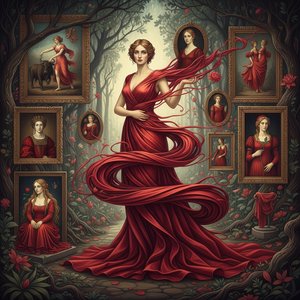
Crimson Threads of Narrative: Exploring Symbolism & Representation in Artworks Featuring the Red Dress
Explore the rich symbolism of the red dress in art history! From ancient power displays to iconic portraits like Cézanne’s 'Madame Cezanne', discover the cultural and artistic significance behind this captivating color. Expert analysis & insights.
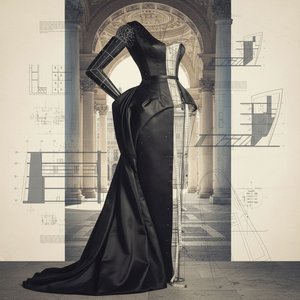
Cristóbal Balenciaga: Deconstructing Haute Couture's Architectural Legacy
Explore the revolutionary world of Cristóbal Balenciaga, the 'couturier's couturier'. Discover his architectural designs, lasting influence on haute couture, and guide to collecting rare pieces. A connoisseur’s resource.
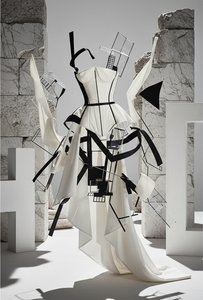
Gianfranco Ferré: Deconstructing Haute Couture – A Legacy of Architectural Form
Explore the revolutionary world of Gianfranco Ferré, 'the architect of fashion.' Discover his architectural approach to haute couture, iconic Dior designs, and lasting influence on luxury style. A deep dive for collectors & enthusiasts.
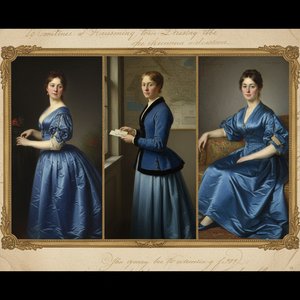
Azure Visions: Exploring Representations of the Blue Dress in Western Art History
Explore the rich history of the blue dress in Western art! Discover its symbolism, from Renaissance masterpieces to modern interpretations by artists like Martin & Schiele. Uncover cultural meanings and artistic techniques.

