

 Pregledaj u prostoru
 Pošalji
 Podeli
 Detalji o delu

 Преузми
 Slični predmeti
 Rendgenski snimak
 Slajdovi
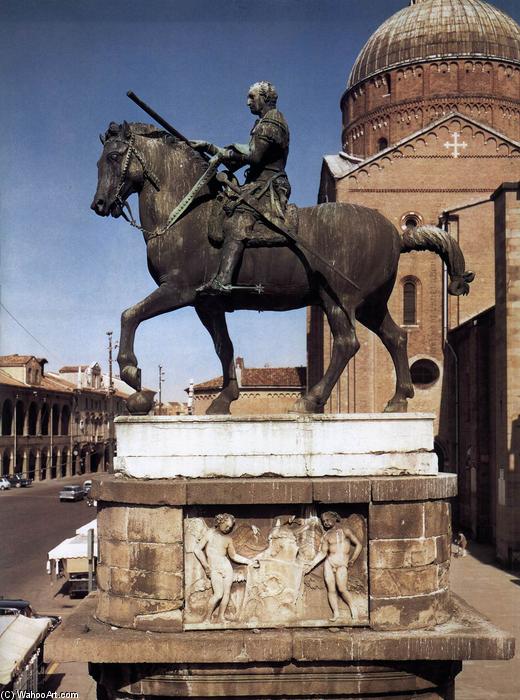
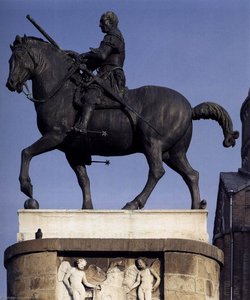
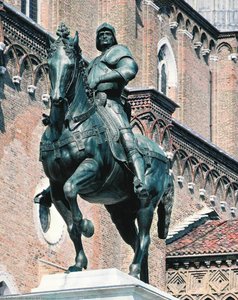
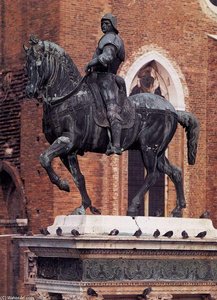
Equestrian Statue of Gattamelata
 Early Renaissance
 1447
1447 340.0 x 390.0 cm
 Piazza del Santo
 Pročitaj više
Ručno rađena uljana reprodukcija
Ručno oslikano uljanim bojama na platnu u dimenzijama i okviru po vašem izboru, izrađeno po porudžbini od strane naših umetnika. ( Kupi print Kupi digitalnu sliku)




P118B $10

P118H $10

P118W $10

P438Z $10

P508JH $12

P508YH $12

P805H $10

P805Z $10

P919BZ $10

P919G $10

P919XJ $10

P959ZH $10

P968JZ $12

W106C $8

W218G $10

W218JH $8

W218Y $10

W307PJ $10

W316G $10

W316PJ $8

W316Y $10

W398PJ $8

W4111J $10

W500HY $15

W500JH $15

W692G $12

W849H $8

W940BG $15

W953PJ $8




Izaberite jednu od naših unapred definisanih veličina koje odgovaraju originalnim proporcijama umetničkog dela.

Можете унети сопствене димензије како бисте прилагодили дело одређеном оквиру или простору. Ако одабрана величина не одговара пропорцијама оригинала, слика ће бити исечена или проширена додатним елементима који се ручно насликавају. Дигитални prikaz ће вам бити послат на одобрење пре почетка производње.
Имајте на уму да преглед на екрану не одражава стварно исецање или проширење. Само приказ (mockup) ће тачно приказати коначну композицију.
Иако су доступне прилагођене величине, препоручујемо да одаберете димензију из дефинисане листе како бисте сачували оригиналне пропорције.
Nakon narudžbine, tim ArtsDot.com će klijentu putem e-pošte poslati uputstva i dostaviti prikaz predloženog rešenja
Isporuka širom sveta () za 3/4 nedelje umesto uobičajenih 5 nedelja. (22 август). Bez kompromisa po pitanju kvaliteta.

Besplatna ekspresna dostava širom sveta

Visokokvalitetno laneno platno

Kompletno osiguranje transporta

Garancija povraćaja carine i uvoznih dažbina

Garancija vernosti boja

Politika povrata u roku od 60 dana (samo u slučaju nedostataka)

Garancija povrata novca od 100%

Popust pri grupnoj kupovini
 Opcija sa staklom dostupna je samo za dimenzije manje od 110 cm

Equestrian Statue of Gattamelata
Tehnika reprodukcije
Dimenzije reprodukcije
-


Konačna cena
$ 263
Opis umetničkog dela
The Majesty of Power: Donatello’s Equestrian Portrait
Donatello's Equestrian Statue of Gattamelata, a monumental bronze sculpture residing in Padua, Italy, isn’t merely a depiction of a historical figure; it’s an embodiment of Renaissance ideals – a testament to humanism, military prowess, and the enduring power of portraiture. Completed around 1453, this imposing work transcends its subject, Erasmo da Narni, known as Gattamelata, becoming a symbol of Venice's strategic brilliance and the condottiero’s own commanding presence. The statue immediately commands attention, dwarfing its surroundings with its sheer scale (a remarkable 340 cm in height) and the palpable sense of dynamism it conveys – a feeling of movement captured eternally in bronze.
The sculpture's genesis is rooted in a fascinating historical anecdote: Venice commissioned the statue as a lavish tribute to Gattamelata, recognizing his crucial role in securing Venetian dominance over Padua. However, the exact circumstances surrounding the commission remain shrouded in some mystery, adding an intriguing layer of speculation to its story. Regardless of the precise details, Donatello’s creation represents a pivotal moment in Renaissance art – a deliberate return to the grandeur and heroic scale of classical equestrian statues, while simultaneously imbuing them with a distinctly humanistic sensibility.
A Masterclass in Bronze Technique
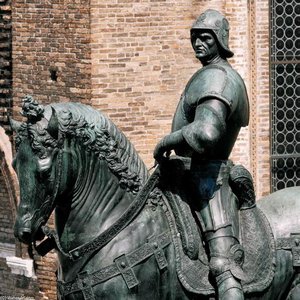
Donatello's skill as a sculptor is immediately evident in the remarkable realism achieved through his masterful manipulation of bronze. The statue’s surface isn’t smooth and polished; instead, it boasts a deliberately textured quality – a deliberate roughness that invites touch and emphasizes the material’s inherent weight and solidity. This technique, combined with the careful modeling of musculature and drapery, creates an astonishingly lifelike effect, capturing not just the outward appearance but also the underlying strength and character of Gattamelata.
- Lost Wax Casting: The statue was created using the traditional lost-wax method, a complex process involving creating a wax model, covering it in plaster to create a mold, melting out the wax, and then pouring molten bronze into the resulting cavity.
- Dynamic Pose: Gattamelata is depicted in a powerfully dynamic pose – seated on horseback, his body angled slightly forward as if poised for action. This isn’t a static portrait; it's an image of movement, conveying alertness and readiness.
- Attention to Detail: The intricate details—the folds of the saddlecloth, the texture of the horse’s mane and tail, the subtle expression on Gattamelata’s face—demonstrate Donatello’s meticulous approach and his commitment to capturing every nuance of the subject's appearance.
Symbolism and the Portrait of a Leader
Beyond its technical brilliance, the statue is rich in symbolic meaning. Gattamelata isn’t simply portrayed as a warrior; he embodies qualities of leadership, strategic thinking, and military acumen. The orb resting on the horse's hoof – a cannonball – serves as a potent symbol of his victories and Venice’s expanding influence. The placement of the rider’s foot upon the orb is particularly significant, suggesting control and dominion over both the battlefield and the surrounding territory.
Furthermore, Donatello deliberately departs from the conventions of classical equestrian portraiture. Rather than depicting Gattamelata as an idealized god-like figure, he presents him as a relatable human being – a man of action, courage, and strategic intelligence. This shift reflects the Renaissance emphasis on individualism and the celebration of earthly achievements, rather than solely focusing on divine attributes.
A Legacy of Grandeur
The Equestrian Statue of Gattamelata stands as a landmark achievement in Renaissance sculpture, influencing generations of artists who followed. Its impact extends beyond its aesthetic qualities; it represents a revival of classical ideals within a new artistic context – a testament to the enduring power of bronze and the ability of art to capture not just likeness but also character, ambition, and the spirit of an age. Today, standing in Padua’s Piazza del Santo, this magnificent statue continues to inspire awe and admiration, reminding us of the brilliance and creativity of Donatello and the legacy of Renaissance Italy.
Srodna umetnička dela

Biografija umetnika
rani život i karijera
Donato di Niccolò di Betto Bardi, širom sveta poznat kao Donatello, rođen je u Firenci, u Italiji, oko 1386. godine. Njegovo proučavanje klasične skulpture duboko je oblikovalo razvoj njegovog autentičnog stila ranog renesansa, donoseći novu viziju umetnosti i kulture koja će vremenom postati sam obeležje firentinske renesanse.ključna dela i inovacije
Donatellovo najslavnije delo, David, predstavlja prvu slobodnostostoctanu mušku nagu skulpturu još od antičkog doba. Ovaj rad, koji je naručila moćna porodica Mediči, postavio je nove standarde prikazujući njegov inovativni stil i vrhunsku tehničku veštinu. Među drugim značajnim remek-delima izdvajaju se:- Sveti Luis Tuluški (sada u muzeju bazilike Santa Croce), koji krasi klasični okvir koji je sam Donatello dizajnirao.
- Žrtvovanje Isaka, stvoreno za zvonik Santa Maria del Fiore u Firenci, odlikovano snažnim portretnim detaljima.
- Krast (1425) za Santa Croce, koji je prikazao Hrista u trenutku neizmerne patnje.
umetnički stil i nasleđe
Donatellov umetnički put može se podeliti na šire faze, počevši od razvoja izražajnosti do klasične monumentalnosti. Iako njegovo delo u početku nije odmah prihvaćeno od strane zajednice, ono je vremenom postalo najpopularnije, snažno utičući na druge italijanske dvore i evropske umetnike. ključni umetnički pokreti:privatni život i način rada
Donatello je bio poznat kao ljubazan i voljen čovek, ali je pokazivao nedostatke u poslovnom delu svoje karijere. Često je prihvatao više porudžbina nego što je mogao da obradi, zbog čega su dela često kasnila ili su mu ih drugi vajari prepuštali da završe. značajna umetnička dela i umetnici:- Leonardo da Vinci: Javisanje (detalj)
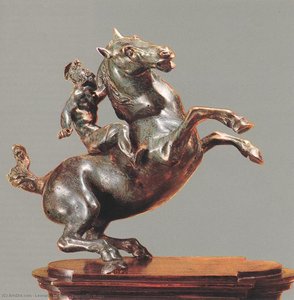
- Amico Aspertini: Statua Pana / Lav koji grize konja
- Michelangelo Buonarroti: Tondo Pitt
muzeji i umetničke kolekcije:
- Museo della Collegiata (Empoli, Italija): skriveni dragulj renesanse, koji čuva dela umetnika kao što su Francesco Botticini i Raffaello Botticini.
- pokret rane italijanske renesanse
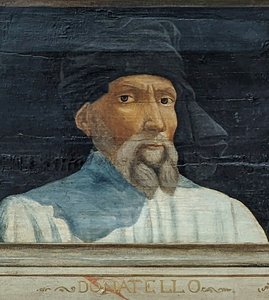
Donato
1386 - 1466 , Italija
Osnovne informacije
- Artistic Movement Or Style: Rana renesansa
- Artists Or Movements Influenced By This Artist:
- Italijanska renesansa
- Rana renesansa
- Firentinska renesansa
- Artists Who Influenced This Artist: ['Klasična skulptura']
- Date Of Birth: oko 1386.
- Date Of Death: 1466.
- Full Name: Donatelo di Nikolo
- Nationality: Italijan
- Notable Artworks:
- David
- Sveti Luis iz Tuluze
- Isakov žrtvovanje
- Razapinje
- Place Of Birth: Firenca, Italija
Povezani članci

Bronze Age to Modern Masters: 10 Sculptures That Redefined Art | ArtsDot
Journey through art history with 10 legendary bronze sculptures – from Michelangelo's David to Rodin’s Thinker. Explore the stories, techniques & timeless beauty of these masterpieces. Find museum-quality reproductions & elevate your home decor on ArtsDot.com.

Bronze Sculptures That Defined Art History | ArtsDot
Journey through art history with our Top 10 bronze sculptures! Explore masterpieces by Rodin, Michelangelo & more. Discover stories behind iconic statues and find museum-quality reproductions for your home decor at ArtsDot.com.

The Enduring Legacy of Bronze: A Historical & Artistic Exploration for the Collector
Explore the rich history & enduring appeal of bronze sculpture with expert insights for collectors at ArtsDot. Learn about casting techniques, iconic artists, collecting tips & contemporary interpretations.
The Enduring Legacy of Bronze: History, Technique & Artistic Expression for the Collector
Explore the rich history & enduring appeal of bronze sculpture with expert insights for collectors at ArtsDot. Learn about casting techniques, iconic artists, and collecting tips.
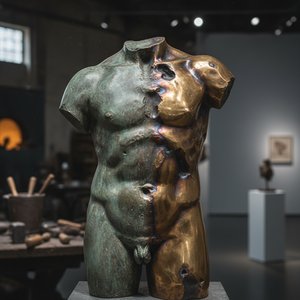
Nasleđe bronze: Istorija, tehnike i savremene interpretacije skulpture – vodič za kolekcionare
Istražite bogatu istoriju bronze i tehnike livenja skulptura. Saveti za kolekcionare, investiciono vrednovanje i savremene interpretacije aluminijumske bronze. ArtsDot – stručnjaci za umetnost.

