

 Pregledaj u prostoru
 Pošalji
 Podeli
 Detalji o delu

 Преузми
 Slični predmeti
 Rendgenski snimak
 Slajdovi
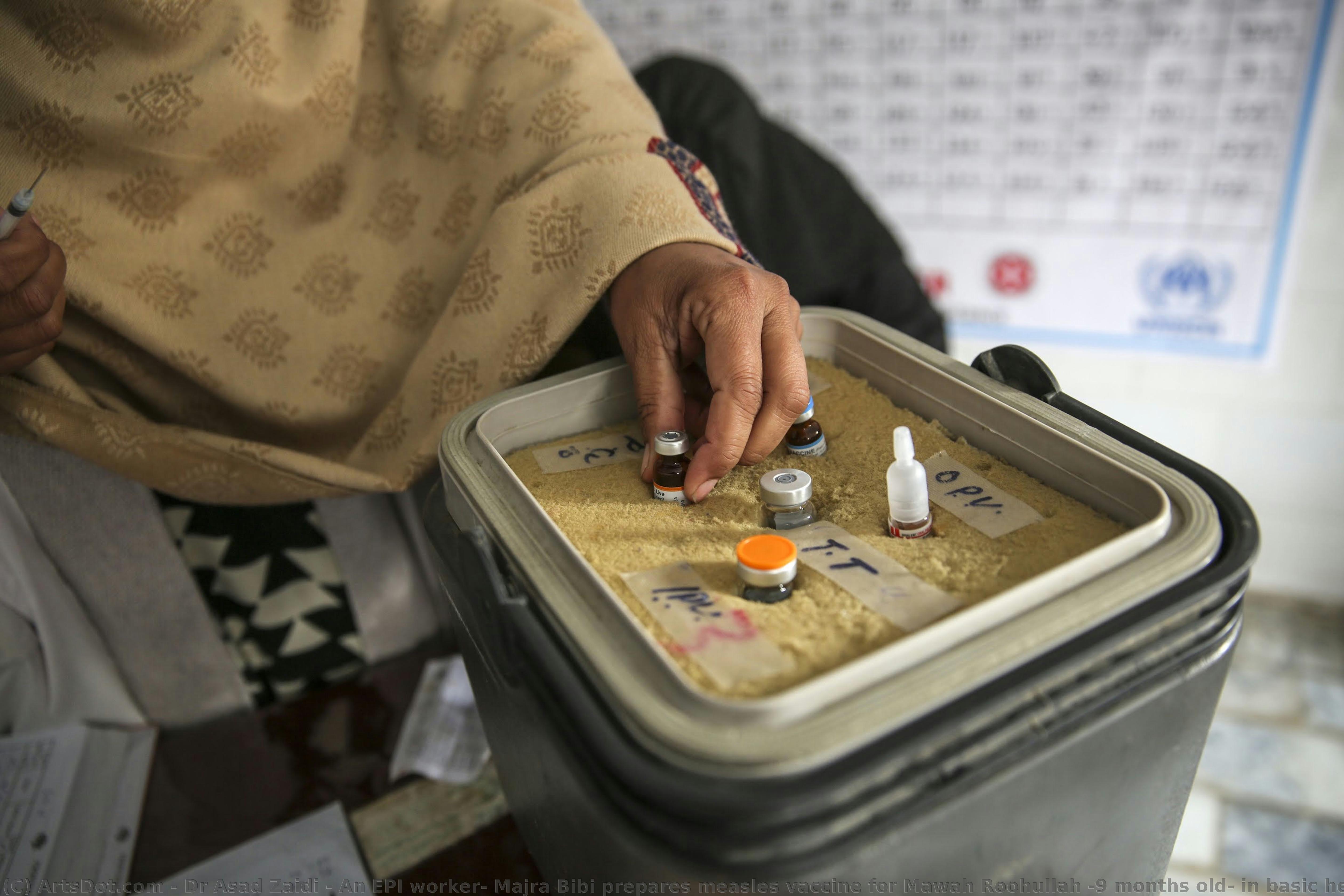
An EPI worker, Majra Bibi prepares measles vaccine for Mawah Roohullah (9 months old) in basic health unit Akora II, Pakistan


 Pročitaj više
Giclee štampa / Umetnički otisak
Giclée štampa ili print na platnu muzejskog kvaliteta uz brzu proizvodnju i fleksibilne opcije završne obrade. ( Kupi ručno naslikanu sliku Kupi digitalnu sliku)




































Izaberite jednu od naših unapred definisanih veličina koje odgovaraju originalnim proporcijama umetničkog dela.

Možete uneti sopstvene dimenzije kako biste umetničko delo prilagodili specifičnom okviru ili prostoru. Ako odabrani format ne odgovara proporcijama originalne slike, mi ćemo ili iscrtati deo dela ili proširiti sliku pomoću ogledane ivice ili jednobojnog popunjavanja. Digitalni prikaz će vam biti poslat na odobrenje pre početka proizvodnje.
Imajte na umu da pregled na ekranu ne odražava stvarno iscrtavanje ili proširivanje. Samo će prikaz (mockup) precizno pokazati finalnu kompoziciju.
Iako su prilagođene dimenzije dostupne, preporučujemo da odaberete dimenziju sa unapred definisane liste kako biste očuvali originalne proporcije.
Dostava širom sveta () za 2 nedelje umesto uobičajenih 4/5 nedelja. (6 септембар)

Besplatna ekspresna dostava širom sveta

Visokokvalitetno laneno platno

Kompletno osiguranje transporta

Garancija povraćaja carine i uvoznih dažbina

Garancija vernosti boja

Politika povrata u roku od 100 dana (samo u slučaju nedostataka)

Garancija povrata novca od 100%

Popust pri grupnoj kupovini
 Opcija sa staklom dostupna je samo za dimenzije manje od 110 cm

An EPI worker, Majra Bibi prepares measles vaccine for Mawah Roohullah (9 months old) in basic health unit Akora II, Pakistan
Giclee štampa / Umetnički otisak
Dimenzije reprodukcije
-


Konačna cena
$ 62
Srodna umetnička dela
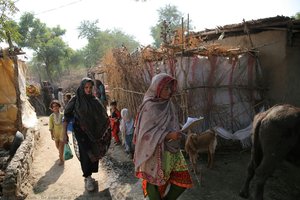
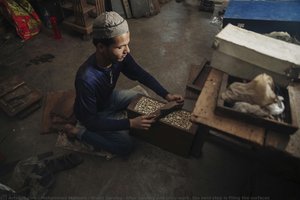
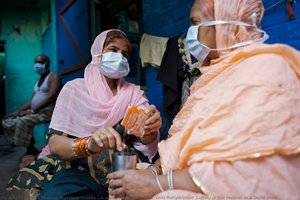

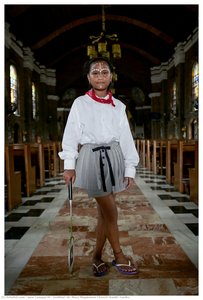
Biografija umetnika
A Life Interwoven with Verse and Witness: The Journey of Dr. Asad Zaidi
Dr. Asad Zaidi is a figure whose life transcends simple categorization. Born in Karauli, Rajasthan, India, in 1954, he emerged as a distinctive voice in contemporary Hindi poetry during the early 1980s, but his trajectory has been far from solely literary. He is, fundamentally, an intellectual—a poet, editor, translator, publisher, and deeply engaged literary critic whose work consistently reflects a commitment to understanding the complexities of empire, war, decolonization, and the ongoing struggles for a just world order. His early years in Delhi, where he arrived in 1974, proved formative, shaping his perspectives through immersion in the city’s vibrant intellectual landscape. A period spent at Jawaharlal Nehru University from the mid-1970s to the mid-1980s further solidified his critical thinking and provided a platform for exploring themes that would define his artistic and scholarly pursuits. His personal life, marked by marriage to historian Nalini Taneja, adds another layer of richness to his understanding of history and its impact on contemporary realities.The Poet’s Emergence: Early Works and Recognition
Zaidi's poetic debut with Behne aur anya kavitaein (Sisters and Other Poems) in 1980 immediately established him as a poet to watch. The collection wasn’t merely an introduction; it was a statement—a nuanced exploration of human relationships, societal constraints, and the quiet rebellions against normative structures. This initial success brought with it recognition in the form of the Sanskriti Award in 1981, acknowledging his significant contribution to Hindi literature. His poetry is characterized by its accessibility, eschewing complex metaphors for a directness that resonates deeply with readers. It’s a poetry rooted in everyday life, yet imbued with a profound sense of social consciousness and political awareness. This early work laid the foundation for a career dedicated not just to aesthetic beauty but also to using verse as a tool for critical engagement. He continued to refine his craft, publishing Kavita ka jivan (The Life of Poetry) in 1988, further solidifying his position within the Hindi literary scene.Expanding Horizons: Editing, Translation and Three Essays Collective
Zaidi’s influence extends far beyond his own poetic output. He is a dedicated editor, recognizing the importance of creating spaces for diverse voices and perspectives. This commitment led to his involvement in numerous collections, most notably Das Baras: Hindi kavita Ayodhya ke bad (Ten Years: Hindi Poetry After Ayodhya) published in 2003—a powerful anthology responding to the politically charged events surrounding the demolition of the Babri Masjid. His work as a translator has also been crucial, bringing international literature to a wider audience and fostering cross-cultural dialogue. Perhaps most significantly, he founded Three Essays Collective, an independent publishing house dedicated to producing thought-provoking works that challenge conventional narratives. This venture exemplifies his belief in the power of independent platforms to promote critical thinking and social change.From Poetry to Political Theory: A Researcher of Empire and Decolonization
In recent years, Zaidi’s work has taken a fascinating turn towards rigorous scholarly research. He is currently engaged in exploring the intricate relationship between empire, war, and the ongoing struggles for a modern world order. This investigation delves into the complexities of decolonization, examining its legacies and implications for contemporary political landscapes. His focus on Pakistani encounters within this global context adds a unique dimension to his analysis, challenging dominant historical narratives and offering fresh perspectives on postcolonial dynamics. This shift isn’t a departure from his earlier work but rather an extension of it—a deepening of the critical engagement that has always been central to his artistic and intellectual pursuits.Documenting Realities: Photography as Social Commentary
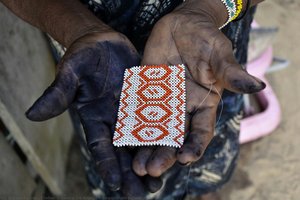
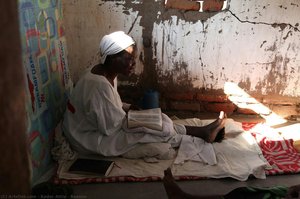
Beyond poetry and scholarship, Dr. Zaidi's recent foray into documentary photography reveals another facet of his commitment to witnessing and representing marginalized realities. His photographs from Pakistan, particularly those documenting polio campaigns, are striking in their raw realism and poignant human stories. These images aren’t simply records of events; they are powerful social statements—a testament to the resilience of communities facing immense challenges and a critique of systemic inequalities. Works like “Polio campaign in Pakistan” and “An EPI worker, Majra Bibi prepares measles vaccine for Mawah Roohullah (9 months old) in basic health unit Akora II, Pakistan” demonstrate his ability to capture intimate moments that speak volumes about the human condition. This work underscores Zaidi’s belief in the power of art—in all its forms—to provoke empathy, inspire action, and challenge viewers to confront uncomfortable truths.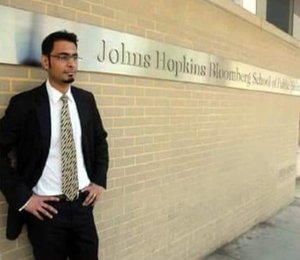
dr asad zaidi
1954 - , India
Osnovne informacije
- Artistic Movement Or Style: Hindi poetry, Literary criticism
- Date Of Birth: 1954
- Full Name: Asad Zaidi
- Nationality: Indian
- Notable Artworks:
- Behne aur anya kavitaein
- Saman ki talash
- Polio campaign in Pakistan
- Place Of Birth: Karauli, India
Povezani članci

Monochrome Visions: Exploring the Aesthetic & Historical Significance of Black & White Photography
Explore the rich history & artistic power of black and white photography. From early techniques to iconic masters like Ansel Adams, discover why monochrome continues to captivate art lovers today. Expert insights for collectors.
Beyond the Lens: Photography's Enduring Influence on Modern & Contemporary Art
Explore photography's pivotal role in shaping modern & contemporary art. Discover key movements, influential artists like Stieglitz, and expert collecting advice from ArtsDot.

Pictorialism: A Search for Artistic Photography's Soul – Aesthetics, Techniques & Legacy
Explore the captivating world of Pictorialism – a pivotal movement that transformed photography into fine art. Discover key artists like Stieglitz & Käsebier, techniques, and collecting tips from experts.
Witnessing History Through Lens & Light: Documentary Photography's Enduring Legacy
Explore the powerful history of documentary photography – from its origins to contemporary masters like Gordon Parks & W. Eugene Smith. Discover how this art form shapes our understanding of society and witness pivotal moments in time.
Documentary Photography's Defining Moments: 10 Masterpieces for Your Home |
Explore 10 defining documentary photography masterpieces – from Dorothea Lange to Robert Capa. Discover powerful stories, iconic images & timeless art for your home. Museum-quality prints at .