

 Pregledaj u prostoru
 Pošalji
 Podeli
 Detalji o delu

 Преузми
 Slični predmeti
 Rendgenski snimak
 Slajdovi
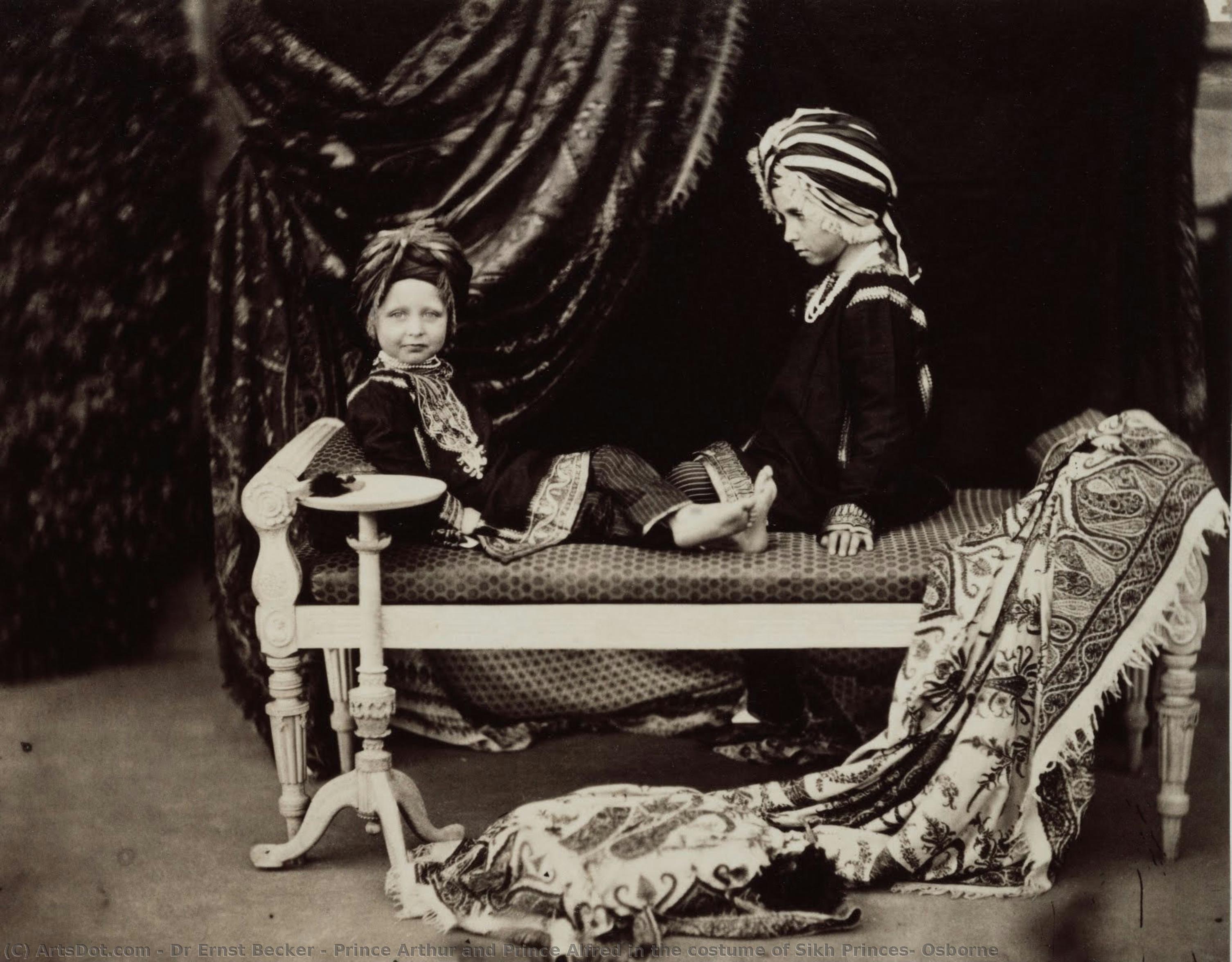
Prince Arthur and Prince Alfred in the costume of Sikh Princes, Osborne
 Acrylic On Canvas
- WallArt
- Other
 1854
1854 13.0 x 10.0 cm
 Royal Collection
 Pročitaj više
Giclee štampa / Umetnički otisak
Giclée štampa ili print na platnu muzejskog kvaliteta uz brzu proizvodnju i fleksibilne opcije završne obrade. ( Kupi ručno naslikanu sliku Kupi digitalnu sliku)




P118B $10

P118H $10

P118W $10

P438Z $10

P508JH $12

P508YH $12

P805H $10

P805Z $10

P919BZ $10

P919G $10

P919XJ $10

P959ZH $10

P968JZ $12

W106C $8

W218G $10

W218JH $8

W218Y $10

W307PJ $10

W316G $10

W316PJ $8

W316Y $10

W398PJ $8

W4111J $10

W500HY $15

W500JH $15

W692G $12

W849H $8

W940BG $15

W953PJ $8




Izaberite jednu od naših unapred definisanih veličina koje odgovaraju originalnim proporcijama umetničkog dela.

Možete uneti sopstvene dimenzije kako biste umetničko delo prilagodili specifičnom okviru ili prostoru. Ako odabrani format ne odgovara proporcijama originalne slike, mi ćemo ili iscrtati deo dela ili proširiti sliku pomoću ogledane ivice ili jednobojnog popunjavanja. Digitalni prikaz će vam biti poslat na odobrenje pre početka proizvodnje.
Imajte na umu da pregled na ekranu ne odražava stvarno iscrtavanje ili proširivanje. Samo će prikaz (mockup) precizno pokazati finalnu kompoziciju.
Iako su prilagođene dimenzije dostupne, preporučujemo da odaberete dimenziju sa unapred definisane liste kako biste očuvali originalne proporcije.
Dostava širom sveta () za 2 nedelje umesto uobičajenih 4/5 nedelja. (30 август)

Besplatna ekspresna dostava širom sveta

Visokokvalitetno laneno platno

Kompletno osiguranje transporta

Garancija povraćaja carine i uvoznih dažbina

Garancija vernosti boja

Politika povrata u roku od 60 dana (samo u slučaju nedostataka)

Garancija povrata novca od 100%

Popust pri grupnoj kupovini
 Opcija sa staklom dostupna je samo za dimenzije manje od 110 cm

Prince Arthur and Prince Alfred in the costume of Sikh Princes, Osborne
Giclee štampa / Umetnički otisak
Dimenzije reprodukcije
-


Konačna cena
$ 62
A Glimpse into Royal Playtime: Prince Arthur and Prince Alfred in Sikh Costume
The photograph presented here – “Prince Arthur and Prince Alfred in the costume of Sikh Princes, Osborne” – is more than just a portrait; it’s a frozen moment of youthful exuberance within the rigid confines of Victorian royal life. Created by Dr. Ernst Becker in 1854, this remarkable image offers a rare and intimate glimpse into the childhood of two young princes, captured with a sensitivity that belies its historical context. The scene unfolds at Osborne House on the Isle of Wight, a beloved retreat for Queen Victoria and her family, where the formality of court was occasionally softened by moments of playful imitation.
Becker’s technical mastery is immediately evident in the meticulous detail achieved through the wet collodion process – a technique then considered cutting-edge. The image possesses a remarkable depth of tone, utilizing subtle gradations of gray to sculpt the boys' faces and clothing with astonishing precision. Notice how the light, seemingly diffused from an unseen window, gently illuminates their features, casting soft shadows that lend a sense of realism and immediacy to the scene. The slightly flattened perspective, characteristic of early photography, contributes to a feeling of intimacy, as if we are privileged witnesses to this private moment.
Costumes as Symbols: Royalty, Identity, and Cultural Borrowing
The elaborate Sikh-inspired costumes worn by Prince Arthur and Prince Alfred are not merely decorative; they represent a complex interplay of symbolism. The princes’ attire – turbans, shawls, and intricate embroidery – clearly demonstrates an awareness and appreciation for the rich cultural traditions of the Sikh Empire. This wasn't simply a whimsical fancy; it speaks to Victoria’s fascination with exotic cultures and her desire to cultivate a sense of global understanding within her family. The choice of these particular costumes suggests a deliberate effort to introduce elements of foreign culture into the royal environment, subtly signaling an openness to diverse influences.
Furthermore, the costumes can be interpreted as a reflection of the Victorian fascination with Orientalism – a romanticized and often problematic view of Eastern cultures. While undoubtedly intended as a gesture of respect and admiration, it’s important to acknowledge that this representation was filtered through a Western lens, potentially simplifying and distorting the complexities of Sikh identity.
A Portrait of an Era: Victorian Society and Photographic Practice
“Prince Arthur and Prince Alfred” is a quintessential example of 19th-century portraiture, reflecting both the social conventions and technological advancements of the time. The formal pose – the boys seated side-by-side on the chaise longue, maintaining a dignified composure – adheres to the strict protocols of royal portraits. The setting itself, Osborne House, was designed as a miniature replica of an Indian palace, further emphasizing the Victorian fascination with Eastern aesthetics and imperial power.
Becker’s work highlights the evolving role of photography in documenting history and shaping perceptions. Initially viewed as a scientific tool, photography quickly became a powerful medium for capturing likenesses, preserving memories, and projecting images of authority. The photograph's longevity speaks to its enduring appeal – a testament to Becker’s skill and the captivating story it tells.
Emotional Resonance: Innocence and Royal Duty
Despite the formality of the setting and the symbolic weight of the costumes, the image possesses a remarkable sense of warmth and intimacy. The boys' youthful faces, alight with curiosity and perhaps even mischief, convey a feeling of innocence and playfulness. They are not presented as distant figures of royalty but as children engaged in a shared activity – a moment of imaginative recreation within the confines of their privileged world.
“Prince Arthur and Prince Alfred” offers a poignant reminder that even within the most structured environments, moments of genuine human connection can emerge. It’s a captivating window into Victorian society, a celebration of cultural exchange, and a testament to the enduring power of photography to capture fleeting glimpses of history.
Srodna umetnička dela
Biografija umetnika
early life and education
dr. ernst becker, a mid-ranking functionary in the ss of nazi germany and chemist in the reich security main office (rsha), was born in 1900 in staufenberg, germany. he studied chemistry and physics at the university of giessen, earning his phd degree in chemistry in 1933.career and involvement with the nazi regime
becker joined the nazi party in 1930 and the ss in 1931. he was assigned to the ss-regiment 'germania' at bad arolsen, a small resort town near kassel, in central germany. his role involved providing important technical support for the development of gas chambers and vans with a gas chamber built into the back compartment, used in early nazi mass murder of disabled people, political dissidents, jews, and other 'racial enemies'. this included involvement with action t4 and the einsatzgruppen (mobile nazi death squads) in the nazi-occupied portions of the soviet union.notable involvement and controversy
personal involvement in gas chamber operations: on at least one occasion, becker personally gassed about 20 people, highlighting his direct involvement in the atrocities committed by the nazi regime.later life and death
becker was promoted to the rank of ss-untersturmführer (second lieutenant). he died in 1967.relevant artworks and museums
- max ernst's europe after the rain i (view on ArtsDot.com) showcases the artist's unique style, a stark contrast to becker's involvement in the nazi regime.
- the suermondt-ludwig-museum (view on ArtsDot.com) in aachen, germany, is an example of a cultural institution that has contributed to the understanding and remembrance of germany's complex history.
- dr. ernst becker's own artistic contributions are not notable; however, his involvement with the nazi regime serves as a reminder of the atrocities committed during world war ii.
references
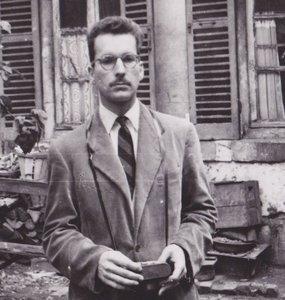
dr ernst becker
1900 - 1967 , Germany
Povezani članci
Beyond the Lens: Photography's Enduring Influence on Modern & Contemporary Art
Explore photography's pivotal role in shaping modern & contemporary art. Discover key movements, influential artists like Stieglitz, and expert collecting advice from ArtsDot.
Pictorialism: A Search for Artistic Photography's Soul – Aesthetics, Techniques & Legacy
Explore the captivating world of Pictorialism – a pivotal movement that transformed photography into fine art. Discover key artists like Stieglitz & Käsebier, techniques, and collecting tips from experts.
Witnessing History Through Lens & Light: Documentary Photography's Enduring Legacy
Explore the powerful history of documentary photography – from its origins to contemporary masters like Gordon Parks & W. Eugene Smith. Discover how this art form shapes our understanding of society and witness pivotal moments in time.

Monochrome Visions: Exploring the Aesthetic & Historical Significance of Black & White Photography
Explore the rich history & artistic power of black and white photography. From early techniques to iconic masters like Ansel Adams, discover why monochrome continues to captivate art lovers today. Expert insights for collectors.

Documentary Photography's Defining Moments: 10 Masterpieces for Your Home |
Explore 10 defining documentary photography masterpieces – from Dorothea Lange to Robert Capa. Discover powerful stories, iconic images & timeless art for your home. Museum-quality prints at .

