

 Pošalji
 Podeli
 Detalji o delu

 Преузми
 Slični predmeti
 Slajdovi
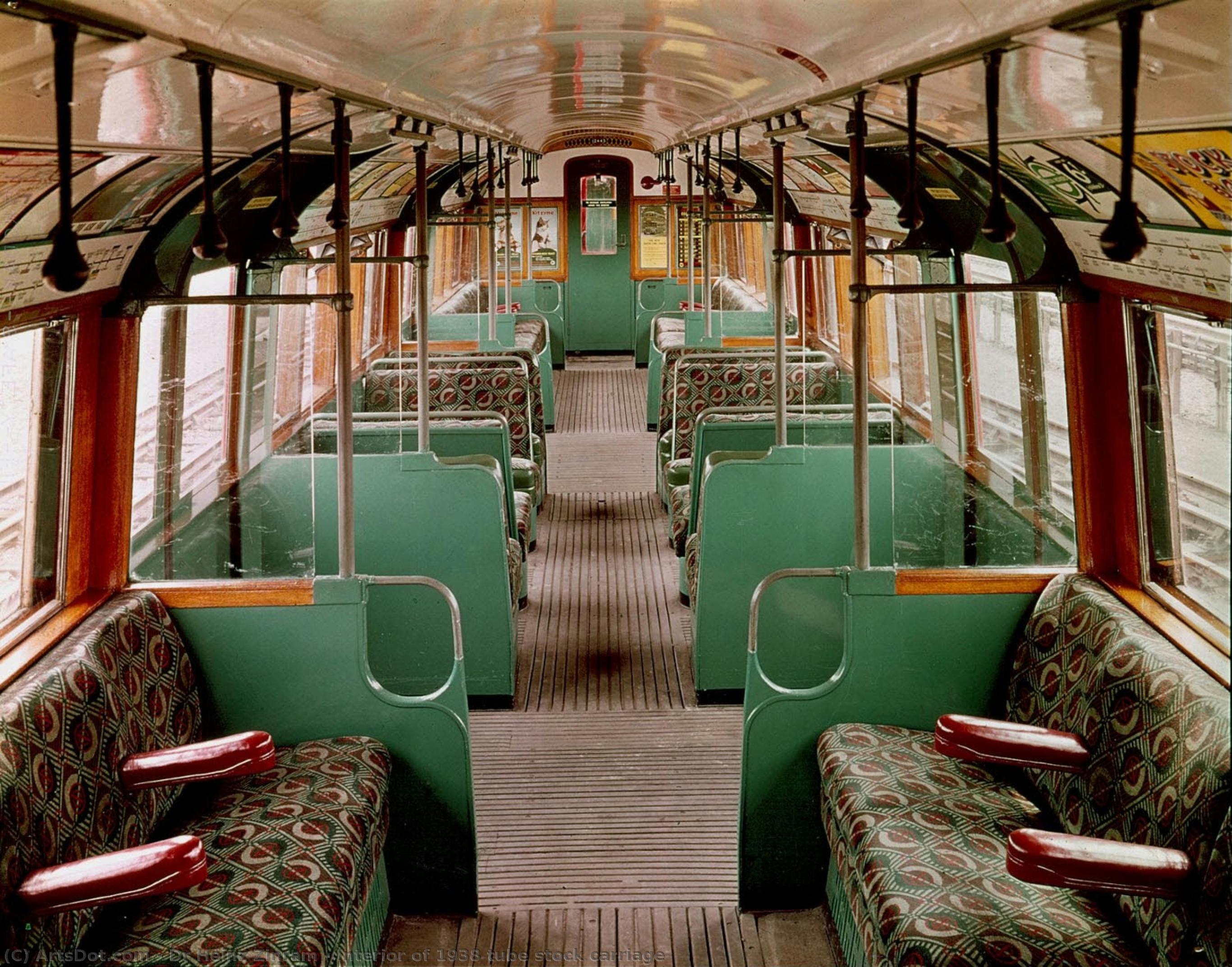
Interior of 1938 tube stock carriage


 Pročitaj više
Ručno rađena uljana reprodukcija
Ručno oslikano uljanim bojama na platnu u dimenzijama i okviru po vašem izboru, izrađeno po porudžbini od strane naših umetnika. ( Kupi print Kupi digitalnu sliku)




































Izaberite jednu od naših unapred definisanih veličina koje odgovaraju originalnim proporcijama umetničkog dela.

Можете унети сопствене димензије како бисте прилагодили дело одређеном оквиру или простору. Ако одабрана величина не одговара пропорцијама оригинала, слика ће бити исечена или проширена додатним елементима који се ручно насликавају. Дигитални prikaz ће вам бити послат на одобрење пре почетка производње.
Имајте на уму да преглед на екрану не одражава стварно исецање или проширење. Само приказ (mockup) ће тачно приказати коначну композицију.
Иако су доступне прилагођене величине, препоручујемо да одаберете димензију из дефинисане листе како бисте сачували оригиналне пропорције.
Nakon narudžbine, tim ArtsDot.com će klijentu putem e-pošte poslati uputstva i dostaviti prikaz predloženog rešenja
Isporuka širom sveta () za 3/4 nedelje umesto uobičajenih 5 nedelja. (30 август). Bez kompromisa po pitanju kvaliteta.

Besplatna ekspresna dostava širom sveta

Visokokvalitetno laneno platno

Kompletno osiguranje transporta

Garancija povraćaja carine i uvoznih dažbina

Garancija vernosti boja

Politika povrata u roku od 60 dana (samo u slučaju nedostataka)

Garancija povrata novca od 100%

Popust pri grupnoj kupovini
 Opcija sa staklom dostupna je samo za dimenzije manje od 110 cm

Interior of 1938 tube stock carriage
Tehnika reprodukcije
Dimenzije reprodukcije
-


Konačna cena
$ 263
A Journey Through Time: The Soul of Industrial Elegance
In his evocative 1962 photograph, Interior of 1938 tube stock carriage, dr heinz zinram invites the viewer to step into a bygone era of British transit. This is not merely a documentation of a train car; it is a masterful study of light, geometry, and nostalgia. The composition draws the eye down a symmetrical passageway, creating a sense of infinite depth that pulls the observer into the heart of the carriage. Through his lens, the mundane functionalism of the London Underground is transformed into a cinematic stage, where the interplay of shadow and warmth tells a story of mid-century design excellence.
The aesthetic power of this piece lies in its rich, tactile palette. Zinram utilizes a sophisticated arrangement of muted greens, deep reds, and warm browns to evoke a sense of comfort and stability. The varnished wood surfaces catch the dramatic, low-angled light, creating highlights that contrast sharply against the heavy shadows tucked into the corners of the cabin. This chiaroscuro effect lends a sculptural quality to the interior, turning rectangular windows and square seating into rhythmic elements of a larger architectural dance. For the collector or interior designer, this work offers a profound sense of groundedness, making it an ideal centerpiece for spaces that value vintage sophistication and structural harmony.
The Intersection of Industry and Artistry
To understand the emotional resonance of this photograph, one must consider the hand behind the camera. Dr heinz zinram, a man whose life was shaped by the turbulence of fleeing Nazi Vienna, brought an analytical yet deeply soulful perspective to his work in London. His legal training provided him with a keen eye for detail and structure, while his experience as a refugee imbued his industrial photography with a unique humanistic weight. In this piece, he captures the 1938 tube stock not just as a machine of transport, but as a vessel of collective memory.
The technique employed here is a triumph of mid-century realism. The subtle graininess of the image adds a layer of historical texture, acting as a veil that separates the modern viewer from the 1962 moment of capture. There is a rhythmic beauty in the straight lines of the metal frames and overhead fixtures, which are softened by the intricate, swirling patterns of the moquette upholstery. This tension between the rigid industrial skeleton and the soft, patterned fabrics creates a visual equilibrium that is both stimulating and soothing. It is an artwork that celebrates the beauty found in the functional, reminding us that even the most utilitarian spaces possess a quiet, enduring grace.
For those seeking to adorn a contemporary interior with a piece of history, this reproduction serves as more than decoration; it is a window into the industrial heart of London. It provides a sophisticated focal point that complements modern minimalist decor through its strong geometric lines, while adding warmth and character through its rich, autumnal tones. Owning this work is an invitation to pause, to look closely at the craftsmanship of the past, and to find beauty in the structured elegance of the everyday.
Srodna umetnička dela
Biografija umetnika
From Legal Precision to Photographic Vision
The life of Dr. Heinz Zinram began far from the soot and steel of London’s industrial heart, rooted instead in the intellectual rigor of prewar Vienna. Born in 1910, Zinram was initially destined for a career in law, earning his doctorate with an analytical precision that would later define his photographic eye. However, the shadows of history intervened; fleeing the rise of Nazism in 1939, he arrived in London not as a practitioner of law, but as a refugee seeking a new purpose. This transition from the structured world of legal documents to the spontaneous capture of light was profound. Initially using his 35mm Leica to assist fellow refugees, Zinram began to develop a way of seeing that transcended mere documentation, finding a unique way to translate the complexities of a changing world through a lens.The Dramaturgy of Industry
As Britain entered the postwar era, Zinram emerged as a master of industrial photography, a genre often dismissed as purely functional. He possessed an uncanny ability to infuse the mechanical with the cinematic, treating factories and workshops as grand, theatrical stages. His style was a sophisticated blend of realism and drama, characterized by a masterful use of chiaroscuro—the interplay of deep shadows and piercing light. Rather than seeking polished studio perfection, he sought the raw truth of the location. In his hands, the sprawling machinery of British manufacturing became something much more intimate. He captured:- The rhythmic geometry of structural steel and heavy ironwork.
- The human element within the machine, from engineers to the "fluffers" cleaning the dark tunnels of the Underground.
- The evocative textures of worn wood, varnished surfaces, and cold metal.
A Legacy in Light and Shadow
Perhaps his most enduring contribution lies in his evocative documentation of the London Underground, where he transformed transit into a study of nostalgia and design. In works such as his 1962 study of the 1938 tube stock carriage, Zinram invites the viewer to experience the rhythmic depth of a bygone era. He utilized symmetrical compositions and a rich, tactile palette of muted greens and deep reds to evoke a sense of stability and mid-century elegance. His photographs do more than record history; they capture the very soul of an era. By finding beauty in the mundane—in the dust of a tunnel or the symmetry of a train car—Zinram ensured that the pulse of 20th-century British industry would remain eternally vibrant, preserved through his singular, dramatic vision.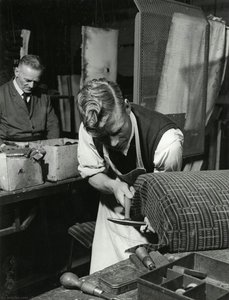
dr heinz zinram
1910 - , Austria
Osnovne informacije
- Artistic Movement Or Style: Industrial Photography
- Date Of Birth: May 11, 1910
- Full Name: Heinz Zinram
- Nationality: Austrian
- Notable Artworks: ['Interior of 1938 tube stock carriage']
- Place Of Birth: Vienna, Austria
Povezani članci

Monochrome Visions: Exploring the Aesthetic & Historical Significance of Black & White Photography
Explore the rich history & artistic power of black and white photography. From early techniques to iconic masters like Ansel Adams, discover why monochrome continues to captivate art lovers today. Expert insights for collectors.
Beyond the Lens: Photography's Enduring Influence on Modern & Contemporary Art
Explore photography's pivotal role in shaping modern & contemporary art. Discover key movements, influential artists like Stieglitz, and expert collecting advice from ArtsDot.

Pictorialism: A Search for Artistic Photography's Soul – Aesthetics, Techniques & Legacy
Explore the captivating world of Pictorialism – a pivotal movement that transformed photography into fine art. Discover key artists like Stieglitz & Käsebier, techniques, and collecting tips from experts.
Industrial Revolution on Canvas: 10 Artworks That Define a Modern Aesthetic
Explore 10 iconic artworks capturing the Industrial Revolution’s grit & beauty. From Monet to Manet, discover realism, impressionism & powerful scenes of urban life. Find museum-quality reproductions for your home at ArtsDot.com.
Witnessing History Through Lens & Light: Documentary Photography's Enduring Legacy
Explore the powerful history of documentary photography – from its origins to contemporary masters like Gordon Parks & W. Eugene Smith. Discover how this art form shapes our understanding of society and witness pivotal moments in time.

