

 Pregledaj u prostoru
 Pošalji
 Podeli
 Detalji o delu

 Преузми
 Slični predmeti
 Rendgenski snimak
 Slajdovi
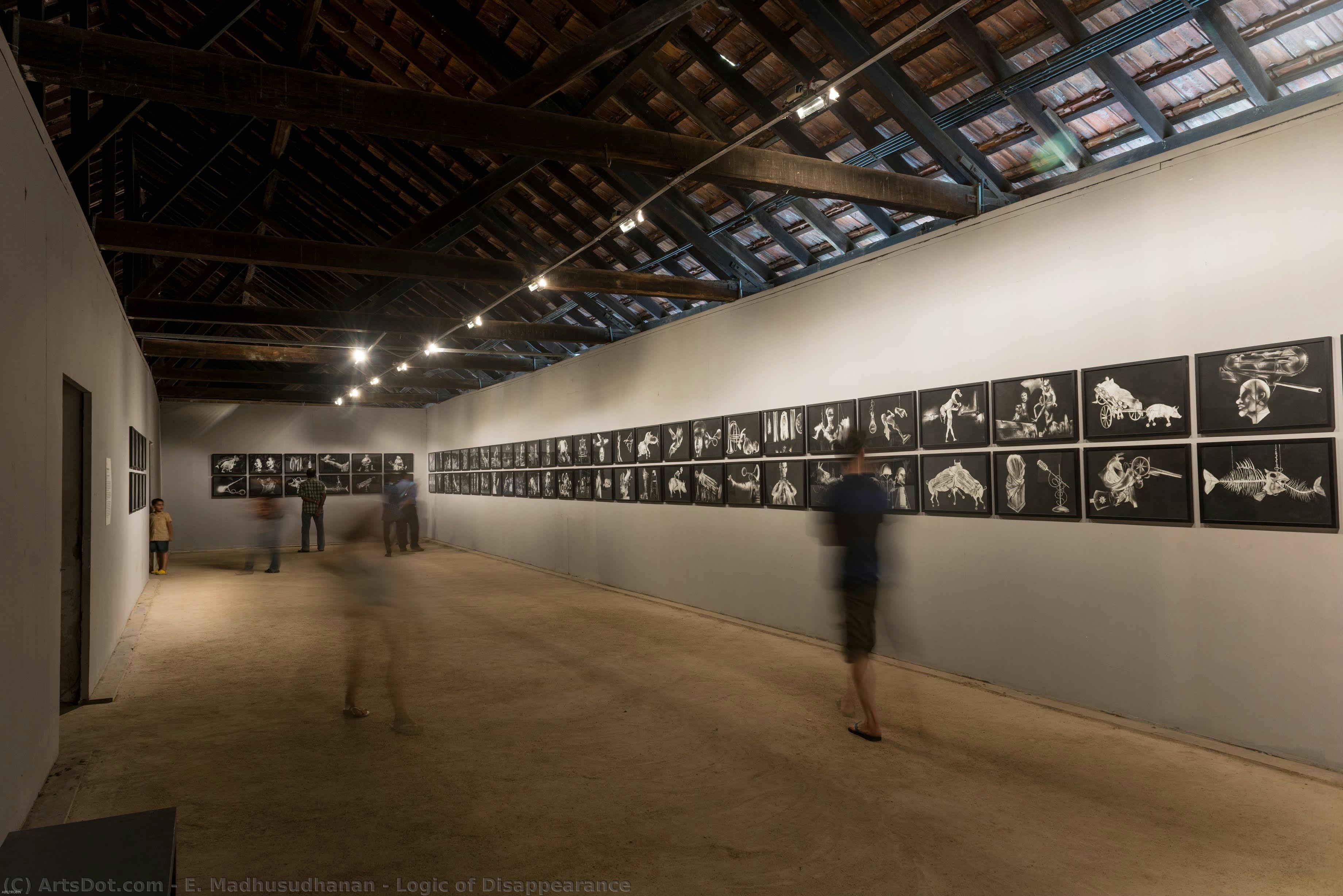
Logic of Disappearance

 Pročitaj više
Kupite digitalnu sliku visoke rezolucije i poboljšanog kvaliteta, koja je znatno superiornija od onoga što vidite u online prikazu.
Svaka datoteka je pedantno pripremljena od strane naših stručnjaka koristeći napredne alate i profesionalnu ručnu retušu. Osiguravamo da svaka slika ima izuzetnu oštrinu, preciznu reprodukciju boja i fine detalje.
Konačna datoteka se dostavlja putem e-pošte u roku od 72 sata, optimizovana za neposrednu upotrebu u profesionalnim, izdavačkim i štamparskim okruženjima. To je isti kvalitet kojem veruju vrhunski studiji dizajna, izdavači i galerije.
Digitalna slika
Preuzmite datoteku visoke rezolucije za ličnu upotrebu, štampanje i kreativne projekte. ( Kupi print Kupi ručno naslikanu sliku)
Uključeno uz svaku porudžbinu digitalne slike
Profesionalna digitalna isporuka, zagarantovana
Kada odaberete ArtsDot.com, ne dobijate samo sliku – vi primate profesionalno unapređeno digitalno umetničko delo, izrađeno sa najvećom preciznošću i uz garanciju zadovoljstva. Evo svega što automatski dolazi uz vašu porudžbinu:

Brza dostava putem e-pošte
Vaša digitalna slika visoke rezolucije biće vam poslata putem e-pošte u roku od 72 sata od poručivanja – spremna za trenutnu upotrebu.

Digitalna datoteka unapređena veštačkom inteligencijom
Vaše umetničko delo je profesionalno optimizovano korišćenjem naprednih AI alata i ručne obrade, čime se osiguravaju maksimalni detalji, oštrina i preciznost boja.

Besplatna ponovna isporuka doživotno
Slučajno ste obrisali ili izgubili svoju datoteku? Ne brinite – poslaćemo vam je ponovo u bilo kom trenutku, potpuno besplatno.

Bez troškova uvoza – zauvek
Uživajte u svojim umetničkim delima trenutno, bez carine, dažbina ili troškova dostave – digitalni download je uvek bez poreza.

Garancija vernosti boja
Uz pomoć profesionalnih alata i upravljanja bojama, osiguravamo da vaša digitalna slika što vernije odražava originalne boje.

Garancija zadovoljstva od 100 dana
Ako niste zadovoljni svojom digitalnom slikom, izvršićemo reviziju ili ćemo vam vratiti 100% novca u roku od 100 dana – bez ikakvih pitanja.

100% garancija povrata novca
Niste zadovoljni? Dobijte puni povraćaj novca u roku od 100 dana od prijema digitalne datoteke – bez suvišnih pitanja.

Popusti na velike porudžbine
Kupite 3 slike, uštedite 10% - Kupite 5 slika, uštedite 15% - Kupite 10+ slika, uštedite 20%. Odlično za kreativne projekte, galerije i agencije.
Srodna umetnička dela







Biografija umetnika
Robert Delaunay: A Pioneer of Color and Rhythm
Robert Delaunay, born Robert-Victor-Felix Delaunay in Paris on April 12, 1885, was a pivotal figure in the early development of modern art. His life, marked by both artistic innovation and personal turmoil, profoundly shaped the trajectory of movements like Orphism and Cubism. Initially apprenticed to a theatrical designer – a surprisingly pragmatic start for an artist destined to revolutionize color theory – Delaunay’s early career laid the groundwork for his later explorations into abstraction. He was deeply influenced by Neo-Impressionism, particularly the work of Paul Gauguin and Georges Seurat, absorbing their emphasis on broken color and meticulous application. However, it wasn't long before he moved beyond mere imitation, seeking a more dynamic and expressive language.The Birth of Orphism
Delaunay’s most significant contribution to the art world is undoubtedly his creation of Orphism – a term he coined alongside his wife, Sonia Delaunay. This movement, emerging in the early 1910s, represented a radical departure from traditional representation. Rather than depicting objects realistically, Delaunay and Sonia focused on capturing the *essence* of color and its inherent rhythms. They employed vibrant, often clashing hues – reds, yellows, blues, greens – arranged in dynamic compositions that evoked feelings of movement, energy, and joy. This was not simply about aesthetics; it was a deliberate attempt to break free from the constraints of objective reality and tap into a more primal, emotional experience. Their studio, “Atelier Pop-Up,” became a hub for experimentation, attracting artists like František Kupka and Robert Duchamp (no relation), further disseminating the principles of Orphism. The influence of this period is evident in works such as *Endless Rhythm* (1913) and *The Eiffel Tower* (1914-15), both characterized by their bold color palettes and geometric forms.Cubist Roots and a Shift Towards Abstraction
While Delaunay’s association with Cubism is often acknowledged, his engagement with the movement was more nuanced than a simple adoption of its techniques. He initially encountered Cubism through his friendship with František Kupka, who had been exposed to Picasso and Braque's work in Paris. Delaunay incorporated some of Cubism’s fragmentation and multiple viewpoints into his compositions, particularly during the period between 1912 and 1914. However, he quickly moved beyond these influences, developing a distinctly personal style that prioritized color and rhythm over form. Following World War I, Delaunay's work became increasingly abstract, with a focus on circular forms, radiating lines, and layered colors. This period saw the creation of his “Disc” series (1912-13), which explored the dynamic relationships between circles and their surrounding space.Later Works and Legacy
In the 1930s, Delaunay’s style evolved further, incorporating elements of Surrealism and exploring new techniques such as collage and lithography. He experimented with large-scale panels and murals, often collaborating with his wife on monumental works that filled entire rooms with vibrant color and rhythmic patterns. During this time he also worked on designs for the Aeronautics pavilion at the 1937 Paris International Exhibition, creating a stunning visual spectacle of colored reliefs. Despite facing challenges during World War II, including the confiscation of his work by the Vichy regime, Delaunay continued to paint until his death in Montpellier on October 25, 1941. Robert Delaunay’s legacy is immense. He fundamentally altered our understanding of color and its expressive potential, paving the way for later abstract artists like Wassily Kandinsky and Paul Klee. His pioneering work in Orphism remains a vibrant testament to the power of pure color and rhythm, continuing to inspire artists and viewers alike. His influence can be seen not only in his own paintings but also in the works of subsequent generations who embraced abstraction and sought new ways to communicate through visual language. He is remembered as a true innovator, a fearless explorer of color, and a key figure in the birth of modern art.
e. madhusudhanan
1941 - 2021 , India
Kratke činjenice
- Artistic Movement Or Style:
- Divisionism
- Cubism
- Orphic Cubism
- Simultanism
- Artists Or Movements Influenced By This Artist:
- Klee
- Marc
- Artists Who Influenced This Artist:
- Cézanne
- Neo-Impressionism
- Date Of Birth: 1885-04-12
- Date Of Death: 1941-10-25
- Full Name: Robert Delaunay
- Nationality: French
- Notable Artworks:
- Endless Rhythm
- The Eiffel Tower
- Cityscapes
- Place Of Birth: Paris, France