 Pregledaj u prostoru
 Pošalji
 Podeli
 Detalji o delu

 Преузми
 Slični predmeti
 Rendgenski snimak
 Slajdovi
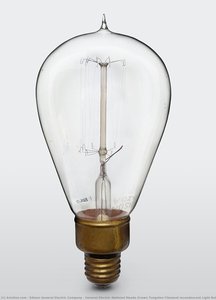
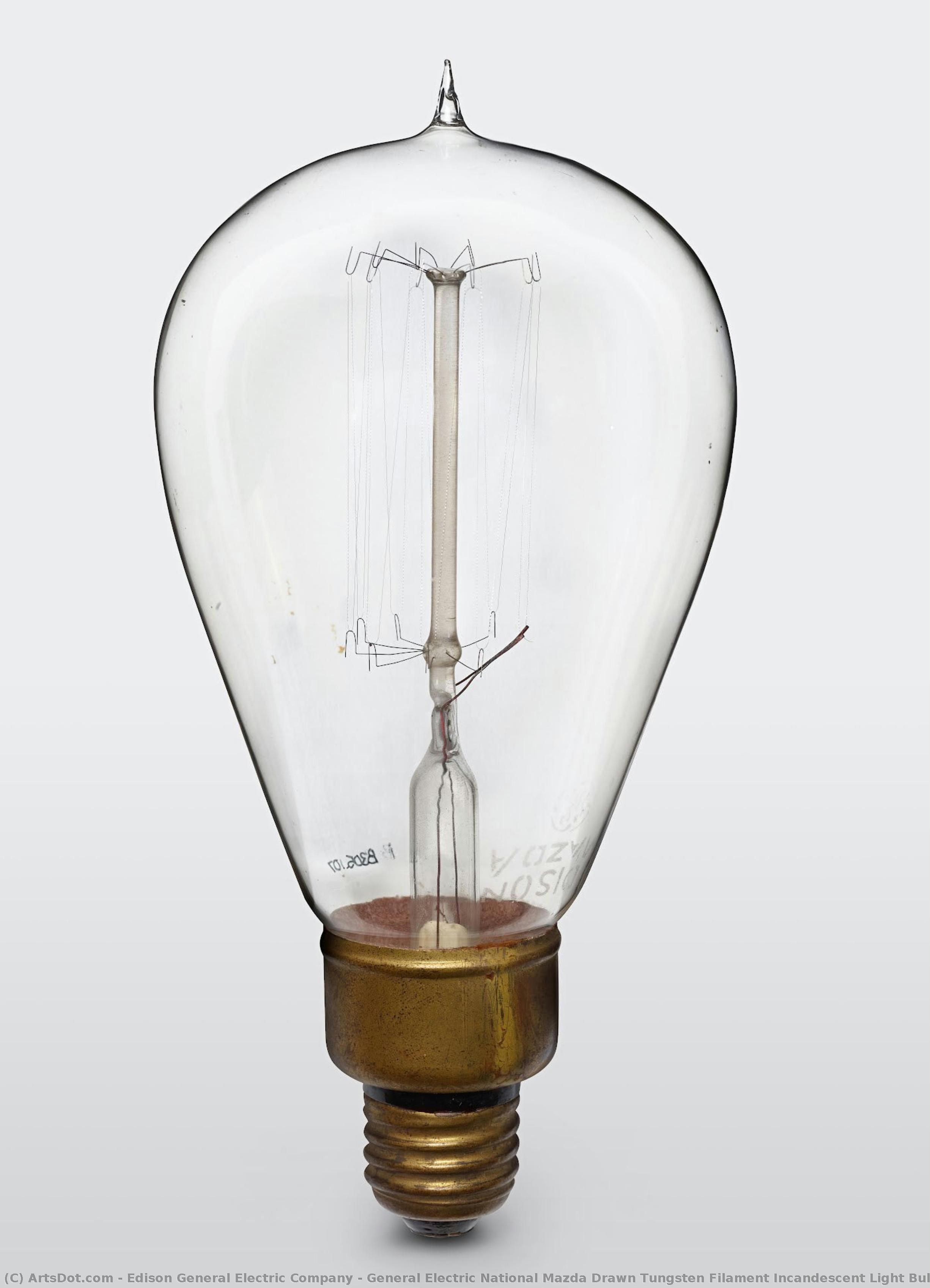
General Electric National Mazda Drawn Tungsten Filament Incandescent Light Bulb


 Pročitaj više
Kupite digitalnu sliku visoke rezolucije i poboljšanog kvaliteta, koja je znatno superiornija od onoga što vidite u online prikazu.
Svaka datoteka je pedantno pripremljena od strane naših stručnjaka koristeći napredne alate i profesionalnu ručnu retušu. Osiguravamo da svaka slika ima izuzetnu oštrinu, preciznu reprodukciju boja i fine detalje.
Konačna datoteka se dostavlja putem e-pošte u roku od 72 sata, optimizovana za neposrednu upotrebu u profesionalnim, izdavačkim i štamparskim okruženjima. To je isti kvalitet kojem veruju vrhunski studiji dizajna, izdavači i galerije.
Digitalna slika
Preuzmite datoteku visoke rezolucije za ličnu upotrebu, štampanje i kreativne projekte. ( Kupi print Kupi ručno naslikanu sliku)
Uključeno uz svaku porudžbinu digitalne slike
Profesionalna digitalna isporuka, zagarantovana
Kada odaberete ArtsDot.com, ne dobijate samo sliku – vi primate profesionalno unapređeno digitalno umetničko delo, izrađeno sa najvećom preciznošću i uz garanciju zadovoljstva. Evo svega što automatski dolazi uz vašu porudžbinu:

Brza dostava putem e-pošte
Vaša digitalna slika visoke rezolucije biće vam poslata putem e-pošte u roku od 72 sata od poručivanja – spremna za trenutnu upotrebu.

Digitalna datoteka unapređena veštačkom inteligencijom
Vaše umetničko delo je profesionalno optimizovano korišćenjem naprednih AI alata i ručne obrade, čime se osiguravaju maksimalni detalji, oštrina i preciznost boja.

Besplatna ponovna isporuka doživotno
Slučajno ste obrisali ili izgubili svoju datoteku? Ne brinite – poslaćemo vam je ponovo u bilo kom trenutku, potpuno besplatno.

Bez troškova uvoza – zauvek
Uživajte u svojim umetničkim delima trenutno, bez carine, dažbina ili troškova dostave – digitalni download je uvek bez poreza.

Garancija vernosti boja
Uz pomoć profesionalnih alata i upravljanja bojama, osiguravamo da vaša digitalna slika što vernije odražava originalne boje.

Garancija zadovoljstva u roku od 100 dana
Ako niste zadovoljni svojom digitalnom slikom, revidirat ćemo je ili vratiti 100% novca u roku od 100 dana – bez ikakvih pitanja.

100% garancija povrata novca
Niste zadovoljni? Obezbedite pun povrat novca u roku od 100 dana od trenutka kada ste primili svoju digitalnu datoteku – bez suvišnih pitanja.

Popusti na velike porudžbine
Kupite 3 slike, uštedite 10% - Kupite 5 slika, uštedite 15% - Kupite 10+ slika, uštedite 20%. Odlično za kreativne projekte, galerije i agencije.
Srodna umetnička dela









Biografija umetnika
The Illumination of Progress: Edison General Electric Company and the Art of Industrial Innovation
The name Edison is synonymous with invention, but less often recognized is the artistic legacy born from the practical application of his genius – that of the Edison General Electric Company. While not a traditional artist in the conventional sense, the company’s impact on visual culture, particularly through its pioneering work in electric lighting, constitutes a significant chapter in the history of art and design. Founded in 1878 as the Edison Electric Illuminating Company, it quickly evolved into Edison General Electric, becoming a driving force behind the electrification of America and beyond. This wasn’t merely about providing light; it was about reshaping environments, altering perceptions of time and space, and ultimately, creating new aesthetic possibilities. The company's early endeavors weren’t simply engineering feats but carefully considered presentations designed to demonstrate the superiority – and allure – of electric illumination over gaslight. Showrooms were meticulously crafted, showcasing not just bulbs but also the elegant fixtures that housed them, often drawing inspiration from contemporary decorative arts movements like Art Nouveau and Aestheticism.From Demonstration Rooms to Domestic Spheres: Shaping a New Visual Landscape
The initial focus of Edison General Electric was convincing a skeptical public of the viability – and desirability – of electric light. This involved establishing demonstration rooms in major cities, spaces that functioned as both laboratories and galleries. These weren’t sterile environments; they were deliberately designed to evoke feelings of comfort, luxury, and modernity. The soft, steady glow of incandescent lamps contrasted sharply with the flickering, smoky ambiance of gaslight, offering a promise of cleaner, safer, and more refined illumination. The company actively collaborated with designers and architects to create fixtures that complemented various interior styles. Early advertising campaigns didn’t simply tout technical specifications; they emphasized the social benefits of electric light – extended working hours, increased safety, and enhanced domestic comfort. This marketing strategy was intrinsically linked to shaping a new visual landscape, one where homes and businesses were bathed in a welcoming, controllable radiance. The transition from public demonstration to widespread adoption saw the company producing increasingly affordable and aesthetically pleasing lighting solutions for the burgeoning middle class.Influences and Technical Innovations: A Synthesis of Art and Engineering
Edison General Electric’s aesthetic development wasn't isolated; it was deeply influenced by prevailing artistic trends. The Arts and Crafts movement, with its emphasis on handcrafted quality and natural forms, resonated in the design of some early fixtures. However, the company also embraced the emerging possibilities of industrial production, utilizing new materials like pressed glass and metal alloys to create intricate and ornate designs that would have been impossible through traditional methods. The development of the carbon filament bulb itself was a crucial artistic achievement. The delicate, glowing thread within the glass enclosure became an object of fascination, symbolizing both scientific progress and aesthetic beauty. Furthermore, the company’s engineers weren't solely focused on functionality; they experimented with different glass shapes, colors, and surface textures to enhance the visual appeal of their products. The pursuit of a longer-lasting, brighter bulb directly impacted design choices – larger bulbs allowed for more elaborate fixture designs, while colored glass offered opportunities for creating mood lighting and decorative effects.Major Achievements and Lasting Legacy: The Electric Age Illuminated
Edison General Electric’s most significant achievement was undoubtedly the widespread adoption of electric light, fundamentally altering the rhythm of daily life and transforming urban environments. However, beyond this practical impact, the company played a crucial role in establishing a new aesthetic vocabulary for the modern age. The standardization of the screw-in light bulb socket, while seemingly mundane, was pivotal in enabling mass production and widespread accessibility. This allowed for greater experimentation with fixture designs and ultimately democratized access to electric illumination. The company’s early advertising campaigns and showroom displays helped cultivate a public appetite for modern design, paving the way for subsequent innovations in lighting technology and interior aesthetics. The influence of Edison General Electric can be seen in countless examples of Art Deco architecture and industrial design from the 20th century, where electric light is not merely a functional element but an integral component of the overall aesthetic vision. The company’s legacy extends beyond specific designs; it lies in its pioneering role in shaping our perception of light itself – as a source of beauty, comfort, and progress.Historical Significance: Beyond the Bulb
Today, Edison General Electric (later GE Lighting) stands as a testament to the power of innovation and the often-overlooked artistic dimensions of industrial design. The company’s story is a reminder that even seemingly utilitarian objects can be imbued with aesthetic value and cultural significance.- Its early showrooms served as proto-museums, showcasing not just products but also the potential of a new technology to transform society.
- The collaborative relationship between engineers and designers fostered a unique synthesis of art and engineering.
- The company’s marketing strategies played a crucial role in shaping public perceptions of modernity and domestic comfort.