

 Pregledaj u prostoru
 Pošalji
 Podeli
 Detalji o delu

 Преузми
 Slični predmeti
 Rendgenski snimak
 Slajdovi
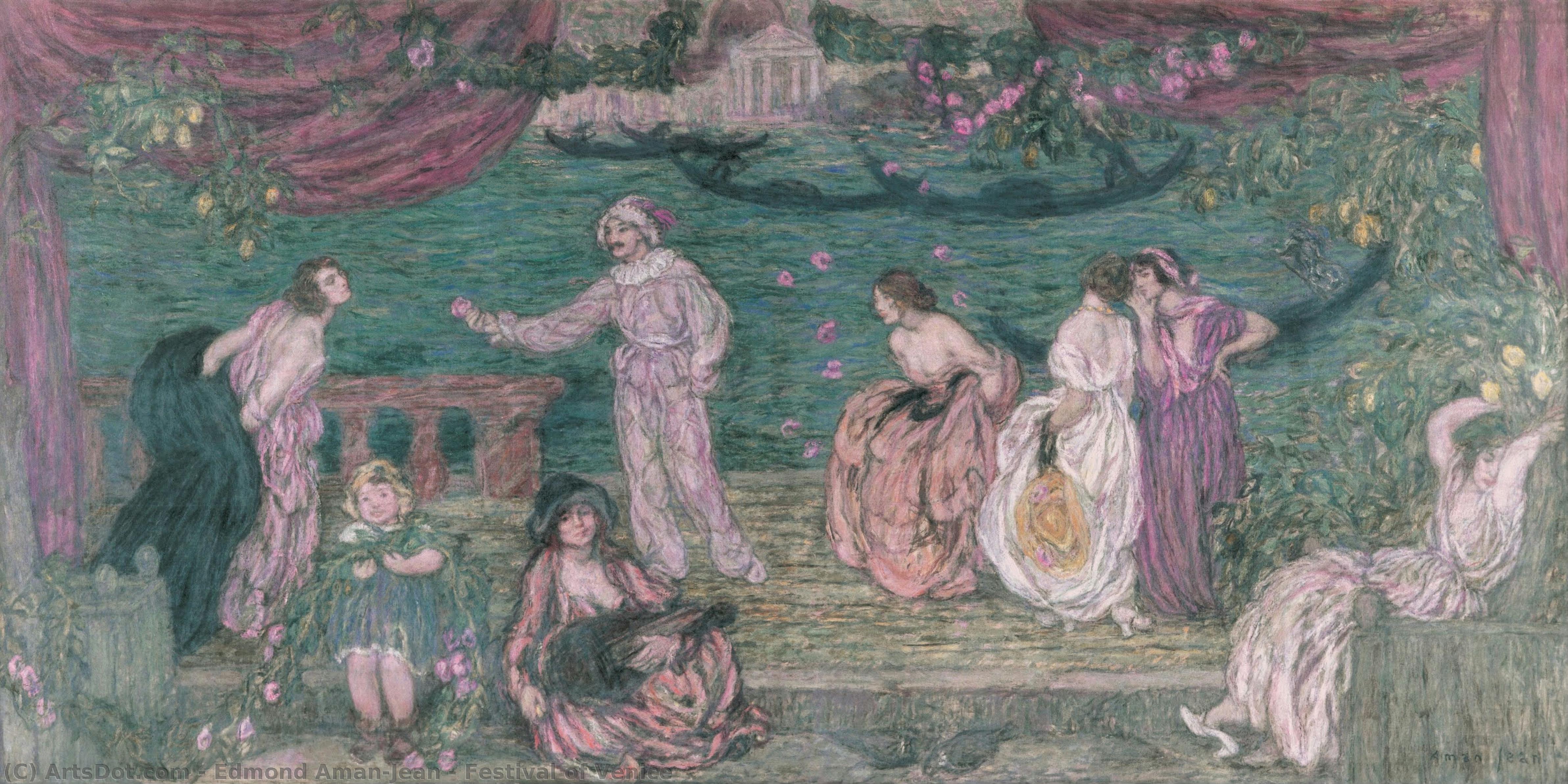
Festival of Venice
 1923
1923 430.0 x 214.0 cm
 Ohara Museum of Art
 Pročitaj više
Giclee štampa / Umetnički otisak
Giclée štampa ili print na platnu muzejskog kvaliteta uz brzu proizvodnju i fleksibilne opcije završne obrade. ( Kupi ručno naslikanu sliku Kupi digitalnu sliku)




































Izaberite jednu od naših unapred definisanih veličina koje odgovaraju originalnim proporcijama umetničkog dela.

Možete uneti sopstvene dimenzije kako biste umetničko delo prilagodili specifičnom okviru ili prostoru. Ako odabrani format ne odgovara proporcijama originalne slike, mi ćemo ili iscrtati deo dela ili proširiti sliku pomoću ogledane ivice ili jednobojnog popunjavanja. Digitalni prikaz će vam biti poslat na odobrenje pre početka proizvodnje.
Imajte na umu da pregled na ekranu ne odražava stvarno iscrtavanje ili proširivanje. Samo će prikaz (mockup) precizno pokazati finalnu kompoziciju.
Iako su prilagođene dimenzije dostupne, preporučujemo da odaberete dimenziju sa unapred definisane liste kako biste očuvali originalne proporcije.
Dostava širom sveta () za 2 nedelje umesto uobičajenih 4/5 nedelja. (24 август)

Besplatna ekspresna dostava širom sveta

Visokokvalitetno laneno platno

Kompletno osiguranje transporta

Garancija povraćaja carine i uvoznih dažbina

Garancija vernosti boja

Politika povrata u roku od 60 dana (samo u slučaju nedostataka)

Garancija povrata novca od 100%

Popust pri grupnoj kupovini
 Opcija sa staklom dostupna je samo za dimenzije manje od 110 cm

Festival of Venice
Giclee štampa / Umetnički otisak
Dimenzije reprodukcije
-


Konačna cena
$ 62
Srodna umetnička dela







Biografija umetnika
The Ethereal Visions of Edmond Aman-Jean
Edmond Aman-Jean, a name perhaps less immediately recognizable than some of his Symbolist contemporaries, nevertheless occupies a significant and fascinating niche in the art history of late 19th and early 20th century France. Born in 1861 in Port-Leuc, Brittany, Aman-Jean’s artistic journey was one deeply rooted in academic training yet ultimately blossomed into a highly personal and evocative style characterized by its dreamlike atmosphere, muted palettes, and exploration of psychological states. His life, though relatively private, mirrored the broader cultural shifts occurring during his formative years – a period marked by increasing industrialization, scientific advancement, and a growing fascination with the inner world. He initially studied at the École des Beaux-Arts in Paris under Jean-Léon Gérôme, a master of academic realism, receiving a solid foundation in draftsmanship and composition. However, Aman-Jean soon found himself drawn to the burgeoning Symbolist movement, rejecting the strict objectivity of Realism in favor of expressing emotions, ideas, and spiritual experiences through suggestive imagery and veiled narratives.From Academic Roots to Symbolic Realms
The influence of Gérôme is visible in Aman-Jean’s early works – meticulously rendered scenes often depicting historical or mythological subjects. Yet even these pieces hint at a deeper sensibility, a preoccupation with melancholy and the passage of time. It was his encounter with Symbolist painters like Gustave Moreau and Pierre Puvis de Chavannes that truly set him on his distinctive path. Moreau's opulent, fantastical visions and Puvis de Chavannes’ serene, allegorical compositions resonated deeply with Aman-Jean, inspiring him to move beyond mere representation towards a more subjective and symbolic language. He began experimenting with unconventional lighting effects, creating an almost twilight atmosphere in his paintings. His palette softened, dominated by grays, blues, and violets – colors that evoke introspection and mystery. This shift is particularly evident in works like “The Sailor’s Dream” (1895), where the boundary between reality and fantasy blurs, and a lone figure contemplates an ethereal seascape bathed in otherworldly light. Aman-Jean wasn't interested in depicting concrete events but rather in capturing fleeting emotions and psychological states.Themes of Longing and the Feminine Mystique
A recurring theme throughout Aman-Jean’s oeuvre is that of longing – a sense of yearning for something unattainable, a melancholic awareness of loss or separation. This sentiment often manifests through depictions of solitary figures, frequently women, lost in contemplation or gazing towards distant horizons. The female form, in his hands, becomes an embodiment of mystery and the subconscious. His women are rarely portrayed as active agents but rather as passive recipients of emotion, symbols of beauty, fragility, and spiritual grace. “The Sphinx” (1897), perhaps his most famous work, exemplifies this fascination. The painting depicts a woman with the head of a sphinx, her gaze enigmatic and distant, embodying both allure and inscrutability. It’s not simply a depiction of a mythological creature but rather an exploration of the feminine psyche – its hidden depths and unknowable nature. The use of symbolism is paramount; the sphinx itself represents secrets and riddles, while the muted colors and atmospheric lighting contribute to the painting's overall sense of mystery.Recognition and Legacy
Aman-Jean achieved considerable recognition during his lifetime, exhibiting regularly at the Salon des Champs-Élysées and other prestigious venues. He was awarded a gold medal at the 1900 Exposition Universelle in Paris, solidifying his position as a leading figure of the Symbolist movement. While he never fully abandoned academic techniques, he successfully integrated them into his highly personal vision, creating paintings that are both technically accomplished and emotionally resonant. His work resonated with a public increasingly disillusioned with materialism and seeking solace in spirituality and introspection. Although his popularity waned somewhat after World War I, interest in Aman-Jean’s art has experienced a revival in recent decades. Today, he is recognized as a key exponent of Symbolism, whose paintings offer a captivating glimpse into the anxieties and aspirations of a bygone era.- His influence can be seen in the work of later artists who explored themes of dreamlike imagery and psychological states.
- Aman-Jean’s mastery of atmospheric lighting and muted color palettes continues to inspire contemporary painters.
- He remains a significant figure for scholars interested in the intersection of art, psychology, and spirituality.


