

 Pregledaj u prostoru
 Pošalji
 Podeli
 Detalji o delu

 Преузми
 Slični predmeti
 Rendgenski snimak
 Slajdovi
 Stats
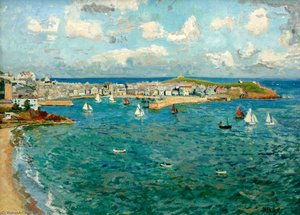
StatsHarbor View
 Pročitaj više
Giclee štampa / Umetnički otisak
Giclée štampa ili print na platnu muzejskog kvaliteta uz brzu proizvodnju i fleksibilne opcije završne obrade. ( Kupi ručno naslikanu sliku Switch to Digital Image)




































Izaberite jednu od naših unapred definisanih veličina koje odgovaraju originalnim proporcijama umetničkog dela.

Možete uneti sopstvene dimenzije kako biste umetničko delo prilagodili specifičnom okviru ili prostoru. Ako odabrani format ne odgovara proporcijama originalne slike, mi ćemo ili iscrtati deo dela ili proširiti sliku pomoću ogledane ivice ili jednobojnog popunjavanja. Digitalni prikaz će vam biti poslat na odobrenje pre početka proizvodnje.
Imajte na umu da pregled na ekranu ne odražava stvarno iscrtavanje ili proširivanje. Samo će prikaz (mockup) precizno pokazati finalnu kompoziciju.
Iako su prilagođene dimenzije dostupne, preporučujemo da odaberete dimenziju sa unapred definisane liste kako biste očuvali originalne proporcije.
Dostava širom sveta () za 2 nedelje umesto uobičajenih 4/5 nedelja. (8 септембар)

Besplatna ekspresna dostava širom sveta

Visokokvalitetno laneno platno

Kompletno osiguranje transporta

Garancija povraćaja carine i uvoznih dažbina

Garancija vernosti boja

Politika povraćaja u roku od 100 dana (isključivo u slučaju nedostataka)

Garancija povrata novca od 100%

Popust pri grupnoj kupovini
 Opcija sa staklom dostupna je samo za dimenzije manje od 110 cm

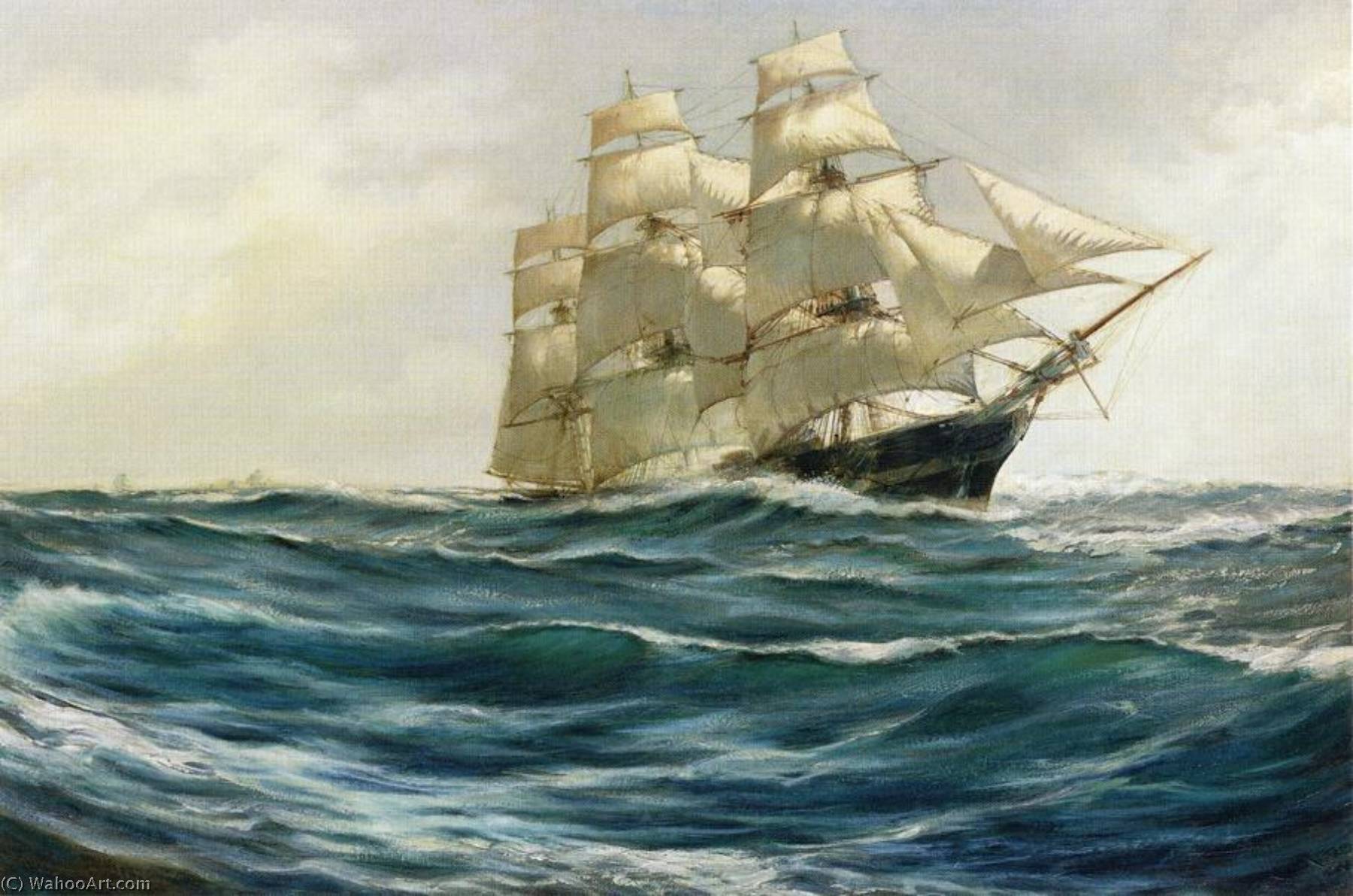
Harbor View
Giclee štampa / Umetnički otisak
Dimenzije reprodukcije
-


Konačna cena
$ 62
Srodna umetnička dela


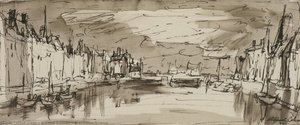
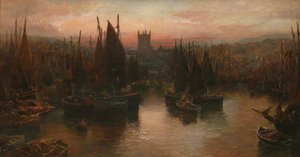
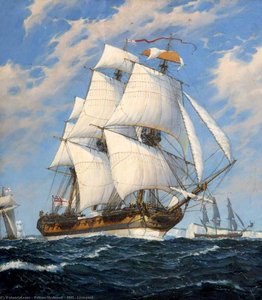
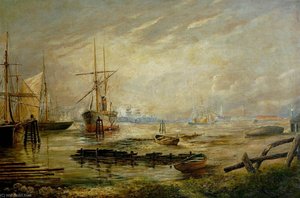
Biografija umetnika
Henri Rousseau: A Pioneer of Naïve Vision
Henri Julien Félix Rousseau, born in Laval, France, in 1844, was a figure whose life and art defied easy categorization. Initially destined for a career as a government employee, Rousseau’s path shifted dramatically when he abandoned his clerical duties to pursue the passionate calling of painting at the age of forty-four. This late embrace of creativity would profoundly shape his unique artistic vision – a world brimming with exotic jungles, mythical creatures, and deeply felt emotions rendered in a style now recognized as “naïve art.” Rousseau’s story is one of self-discovery, relentless dedication, and ultimately, a profound impact on the course of modern art.Rousseau's early life was marked by hardship and a sense of displacement. His father’s financial difficulties forced him to work as a tinsmith from a young age, experiences that instilled in him a deep appreciation for craftsmanship and a keen observation of the world around him. Despite his limited formal education, he excelled at drawing and music, demonstrating an innate artistic talent that would eventually lead him away from the confines of his family’s trade. He attended Laval High School as a day student before moving to Paris in 1868 to support his widowed mother. This period in Paris exposed him to the burgeoning art scene, though he initially struggled to find acceptance within established artistic circles.
Rousseau's artistic development was largely self-taught. He meticulously studied the works of masters like Correggio and Rubens during a trip to Italy in 1872, absorbing their techniques and compositional strategies. However, unlike many artists who sought to emulate academic conventions, Rousseau developed his own distinctive style—characterized by bold colors, simplified forms, and an almost childlike directness. This approach, often dismissed as primitive or unsophisticated at the time, would later be recognized for its emotional honesty and profound psychological depth.
The World of “Le Douanier”
Rousseau’s occupation as a *douanier* (toll collector) provided him with a rich source of inspiration. The exotic landscapes he encountered during his duties—particularly in the Parisian suburbs—became the subject of countless paintings. He frequently depicted scenes of tropical jungles, teeming with vibrant flora and fauna, often populated by fantastical creatures drawn from his imagination or inspired by ethnographic studies. His most famous works, such as *The Sleeping Gypsy* (1897) and *Tiger in a Tropical Storm* (1906), capture this atmosphere with remarkable intensity – conveying not just visual beauty but also a palpable sense of mystery, loneliness, and primal emotion.
It’s important to note that Rousseau's artistic process was remarkably unconventional. He rarely sketched preparatory studies, preferring to paint directly onto the canvas from memory and imagination. He often worked in his cramped apartment studio, transforming it into a personal sanctuary where he could escape the constraints of the outside world and immerse himself in his creative vision. This intimate setting contributed significantly to the dreamlike quality of his paintings – a reflection of his own solitary existence and deeply felt inner life.
Influences and Legacy
Rousseau’s work exerted a significant influence on subsequent generations of artists, particularly those associated with movements like Post-Impressionism and Primitivism. Artists such as Paul Gauguin, Henri Matisse, and Pablo Picasso were all deeply affected by his bold use of color, simplified forms, and emotionally charged imagery. His paintings challenged conventional notions of beauty and representation, paving the way for a more subjective and expressive approach to art.
Despite facing considerable criticism during his lifetime – often dismissed as a charlatan or an eccentric—Rousseau’s artistic merit was gradually recognized in the early 20th century. Today, he is celebrated as a visionary artist whose unique style and profound emotional depth have secured his place among the most important figures in modern art. His paintings continue to resonate with viewers today, offering a glimpse into a world of dreams, fantasies, and timeless human emotions.
Major Works
- The Sleeping Gypsy (1897): Perhaps his most iconic work, this painting captures the vulnerability and loneliness of a young woman resting beneath the stars.
- Tiger in a Tropical Storm (1906): A powerful depiction of a tiger caught in a violent storm, conveying both the animal’s ferocity and its sense of disorientation.
- Boy on the Rocks (1907): An enigmatic portrait of a young boy contemplating a rocky landscape, imbued with a sense of mystery and introspection.
- The Hungry Lion Throws Itself on the Antelope (1895): A dramatic scene depicting a lion attacking an antelope, rendered in bold colors and simplified forms.
Historical Significance
Henri Rousseau’s contribution to art lies not only in his distinctive style but also in his rejection of academic conventions. He demonstrated that artistic expression could be found outside the established institutions of the art world, offering a powerful alternative to traditional modes of representation. His work challenged viewers to reconsider their notions of beauty and truth, opening up new possibilities for artistic exploration. Rousseau’s legacy endures as a testament to the power of individual vision and the enduring appeal of naive art—a reminder that sometimes, the most profound truths are found not in imitation but in authentic expression.
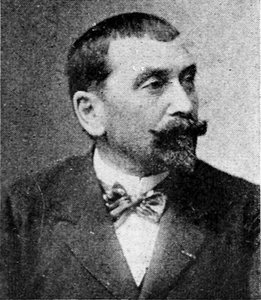
edmond marie petitjean
1844 - 1925 , Belgium
Osnovne informacije
- Artistic Movement Or Style:
- Post-Impressionism
- Naïve art
- Primitivism
- Artists Or Movements Influenced By This Artist: ['Avant-garde']
- Artists Who Influenced This Artist: ['Mary Cassatt']
- Date Of Birth: May 21, 1844
- Date Of Death: September 2, 1910
- Full Name: Henri Julien Félix Rousseau
- Nationality: French
- Notable Artworks:
- The Sleeping Gypsy
- Tiger in a Tropical Storm
- Boy on the Rocks
- Place Of Birth: Laval, Mayenne, France