

 Pregledaj u prostoru
 Pošalji
 Podeli
 Detalji o delu

 Преузми
 Slični predmeti
 Rendgenski snimak
 Slajdovi
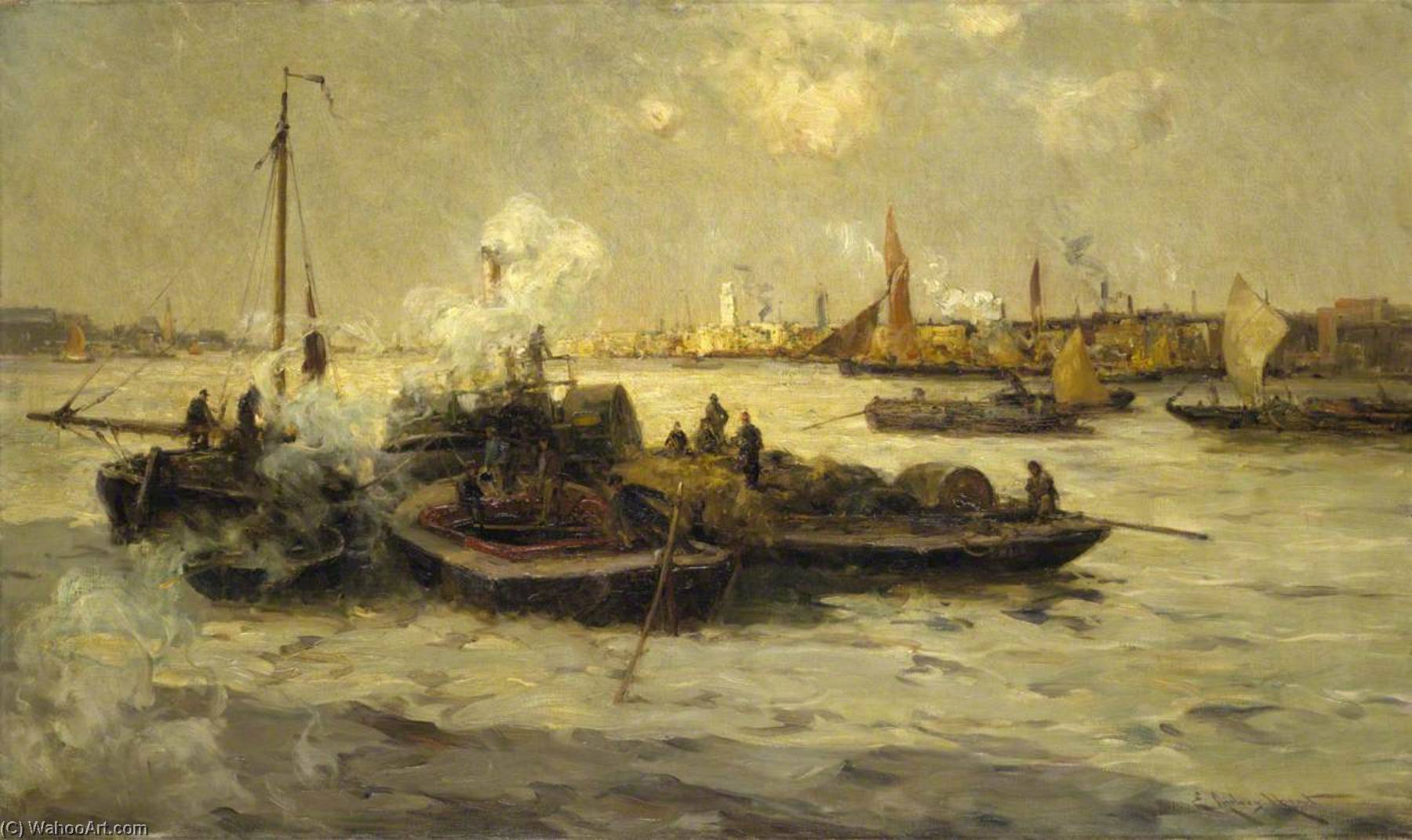
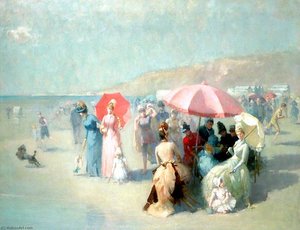
Limehouse Reach
 82.0 x 137.0 cm
 Pročitaj više
Ručno rađena uljana reprodukcija
Ručno oslikano uljanim bojama na platnu u dimenzijama i okviru po vašem izboru, izrađeno po porudžbini od strane naših umetnika. ( Kupi print Kupi digitalnu sliku)




































Izaberite jednu od naših unapred definisanih veličina koje odgovaraju originalnim proporcijama umetničkog dela.

Можете унети сопствене димензије како бисте прилагодили дело одређеном оквиру или простору. Ако одабрана величина не одговара пропорцијама оригинала, слика ће бити исечена или проширена додатним елементима који се ручно насликавају. Дигитални prikaz ће вам бити послат на одобрење пре почетка производње.
Имајте на уму да преглед на екрану не одражава стварно исецање или проширење. Само приказ (mockup) ће тачно приказати коначну композицију.
Иако су доступне прилагођене величине, препоручујемо да одаберете димензију из дефинисане листе како бисте сачували оригиналне пропорције.
Nakon narudžbine, tim ArtsDot.com će klijentu putem e-pošte poslati uputstva i dostaviti prikaz predloženog rešenja
Isporuka širom sveta () za 3/4 nedelje umesto uobičajenih 5 nedelja. (26 август). Bez kompromisa po pitanju kvaliteta.

Besplatna ekspresna dostava širom sveta

Visokokvalitetno laneno platno

Kompletno osiguranje transporta

Garancija povraćaja carine i uvoznih dažbina

Garancija vernosti boja

Politika povrata u roku od 60 dana (samo u slučaju nedostataka)

Garancija povrata novca od 100%

Popust pri grupnoj kupovini
 Opcija sa staklom dostupna je samo za dimenzije manje od 110 cm

Limehouse Reach
Tehnika reprodukcije
Dimenzije reprodukcije
-


Konačna cena
$ 263
Srodna umetnička dela



Biografija umetnika
Edmund Aubrey Hunt: Bridging Landscapes and Exotic Horizons
Born in the coastal town of Weymouth, Massachusetts, on February 17th, 1855, Edmund Aubrey Hunt embarked upon a remarkable artistic journey that spanned continents and embraced diverse stylistic approaches. While his American origins initially shaped his formative years, Hunt’s passion for art swiftly propelled him toward Europe, specifically the vibrant hubs of London and Hastings, East Sussex, where he would ultimately reside until his passing in November 1922. His oeuvre stands as a profound testament to an artist deeply attuned to both the serene beauty of rural England and the vibrant, sun-drenched allure of Oriental landscapes—a duality that defines his unique artistic vision.
Hunt’s early training provided him with a rigorous grounding in traditional academic painting techniques. After graduating from college, he briefly entered the prominent architectural firm of Emerson and Fehmer, but the call of the canvas proved irresistible. He sought higher mastery at the prestigious École des Beaux-Arts in Paris, studying for five years under the renowned instructor Jean-Léon Gérôme. This classical foundation allowed him to master the precision of form, yet he would soon find himself transcending these rigid conventions. Gravitating toward the Impressionistic influences championed by masters like Claude Monet and Pierre-Auguste Renoir, Hunt began to prioritize the ephemeral qualities of light and atmosphere over strict anatomical or architectural accuracy.
This stylistic evolution is masterfully captured in works such as “A Swim Headed Barge in a Breeze,” where Hunt skillfully depicts the dynamism of a sailing vessel battling turbulent winds. Through the use of impasto texture and sophisticated atmospheric perspective, he exemplifies the Impressionist preoccupation with capturing fleeting moments. His brushwork became increasingly confident and expressive, adding a sense of energy and movement to his maritime scenes. Beyond mere replication of nature, Hunt sought to infuse his canvases with symbolic resonance. Recurring motifs—particularly depictions of rivers and boats—suggested deeper themes of pilgrimage, transformation, and the eternal interplay between humanity and the natural world.
A Journey Through Light and Culture
The trajectory of Hunt’s life was marked by significant personal and geographical shifts that directly informed his creative output. His marriage to Agnes Fitzgibbon in 1878 brought him to London, where he began exhibiting at prestigious venues such as the Royal Academy and the Walker Art Gallery. During this period, his travels through France, the Low Countries, and Italy expanded his visual vocabulary, yet it was his encounter with North Africa that would spark a new chapter in his career. Following his marriage to Maude Chadwick in 1892, Hunt settled in Tangier for ten years, a period of profound inspiration that birthed his celebrated Orientalist works.
In the golden light of Morocco, Hunt perfected a style that blended his academic training with an evocative, impressionistic sensibility. His paintings from this era, such as “Embarking Cattle, Morocco,” capture the rhythmic pulse of rural life and the exotic textures of the landscape. These works are characterized by:
- Dynamic Brushwork: A technique that conveys the heat and movement of the North African environment.
- Luminous Color Palettes: An ability to balance warm, earthy tones with the brilliant light of the Maghreb.
- Cultural Observation: A respectful yet artistic gaze upon the traditions and daily rituals of the region.
Ultimately, Edmund Aubrey Hunt remains a significant figure in late 19th and early 20th-century art, representing a bridge between the structured traditions of the Academy and the emotive freedom of Impressionism. Whether capturing the bustling river scenes of England or the tranquil, sun-soaked vistas of Tangier, his work continues to resonate with a timeless sense of wonder and a deep, spiritual connection to the landscapes he inhabited.
edmund aubrey hunt
1855 - 1922
Osnovne informacije
- Artistic Movement Or Style: Landscape Painting
- Artists Or Movements Influenced By This Artist: ['Impressionism']
- Artists Who Influenced This Artist: ['George Frederic Watts']
- Date Of Birth: 17 February 1855
- Full Name: Edmund Aubrey Hunt
- Nationality: American
- Notable Artworks:
- River Scene with Shipping
- A Swim Headed Barge
- Place Of Birth: Weymouth, Massachusetts

