

 Pregledaj u prostoru
 Pošalji
 Podeli
 Detalji o delu

 Преузми
 Slični predmeti
 Rendgenski snimak
 Slajdovi
 Stats
StatsRafts on the Vistula


 Pročitaj više
Ručno rađena uljana reprodukcija
Ručno oslikano uljanim bojama na platnu u dimenzijama i okviru po vašem izboru, izrađeno po porudžbini od strane naših umetnika. ( Switch to Print Switch to Digital Image)




P118B $10

P118H $10

P118W $10

P438Z $10

P508JH $12

P508YH $12

P805H $10

P805Z $10

P919BZ $10

P919G $10

P919XJ $10

P959ZH $10

P968JZ $12

W106C $8

W218G $10

W218JH $8

W218Y $10

W307PJ $10

W316G $10

W316PJ $8

W316Y $10

W398PJ $8

W4111J $10

W500HY $15

W500JH $15

W692G $12

W849H $8

W940BG $15

W953PJ $8




Izaberite jednu od naših unapred definisanih veličina koje odgovaraju originalnim proporcijama umetničkog dela.

Можете унети сопствене димензије како бисте прилагодили дело одређеном оквиру или простору. Ако одабрана величина не одговара пропорцијама оригинала, слика ће бити исечена или проширена додатним елементима који се ручно насликавају. Дигитални prikaz ће вам бити послат на одобрење пре почетка производње.
Имајте на уму да преглед на екрану не одражава стварно исецање или проширење. Само приказ (mockup) ће тачно приказати коначну композицију.
Иако су доступне прилагођене величине, препоручујемо да одаберете димензију из дефинисане листе како бисте сачували оригиналне пропорције.
Nakon narudžbine, tim ArtsDot.com će klijentu putem e-pošte poslati uputstva i dostaviti prikaz predloženog rešenja
Isporuka širom sveta () za 3/4 nedelje umesto uobičajenih 5 nedelja. (7 септембар). Bez kompromisa po pitanju kvaliteta.

Besplatna ekspresna dostava širom sveta

Visokokvalitetno laneno platno

Kompletno osiguranje transporta

Garancija povraćaja carine i uvoznih dažbina

Garancija vernosti boja

Politika povraćaja u roku od 100 dana (isključivo u slučaju nedostataka)

Garancija povrata novca od 100%

Popust pri grupnoj kupovini
 Opcija sa staklom dostupna je samo za dimenzije manje od 110 cm

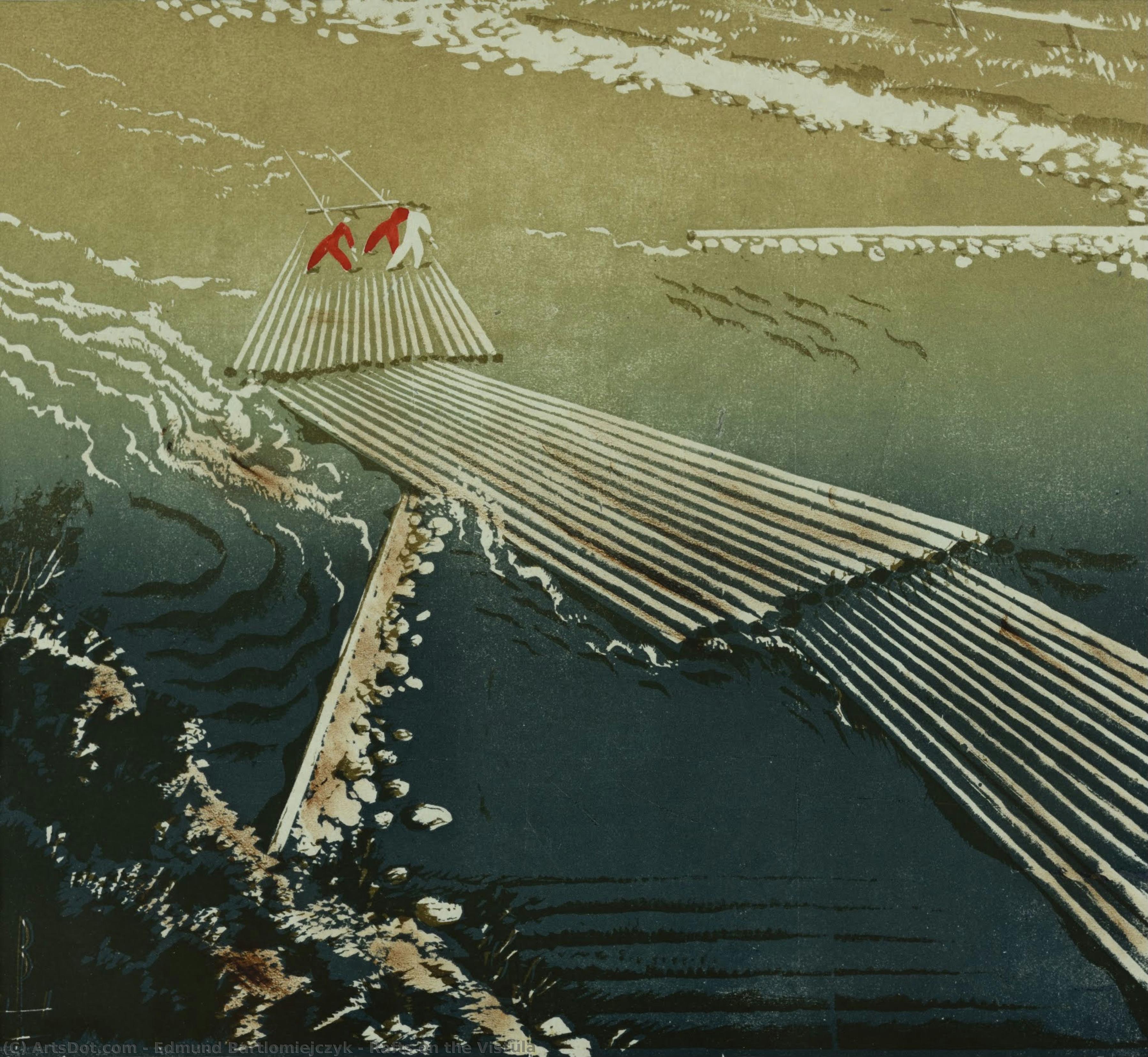
Rafts on the Vistula
Tehnika reprodukcije
Dimenzije reprodukcije
-


Konačna cena
$ 263
A Serene Drift Through Polish History
In the quietude of 1931, Edmund Bartłomiejczyk captured a moment of profound stillness in his evocative masterpiece, Rafts on the Vistula. The painting invites the viewer to step away from the frantic pace of modern existence and drift alongside two figures navigating the gentle currents of Poland's most iconic waterway. There is an undeniable intimacy in this scene; as the raft, constructed from weathered branches and sticks, glides across the glassy surface, we are witness to a shared experience of peace. The composition draws us into a world where the boundary between humanity and nature dissolves, leaving only the rhythmic movement of the river and the soft, golden light of a passing afternoon.
The artist’s technique reveals a deep-seated reverence for the Impressionistic masters. Much like Monet or Renoir, Bartł::omiejczyk utilizes a delicate touch to manipulate light and color, ensuring that the water does not merely appear as a blue surface, but as a living, breathing entity reflecting the sky and the surrounding landscape. The brushwork is purposeful yet fluid, capturing the subtle textures of the wooden raft and the soft, sandy edges of the distant beach. This mastery of atmosphere allows the painting to function not just as a depiction of a place, but as an emotional landscape, evoking a sense of nostalgia and a longing for the simplicity of rural life.
The Soul of the Vistula Landscape
Beyond its aesthetic beauty, Rafts on the Vistula serves as a poignant window into the Polish countryside during the interwar period. Bartłomiejczyk was a painter deeply rooted in the rhythms of everyday life, and here, he elevates a mundane moment of river travel into something poetic and timeless. The symbolism of the raft—a vessel of transition and slow progress—mirrors the contemplative state of the subjects. They are suspended between the shore and the unknown, much like the viewer is suspended in the act of observation. This sense of quietude makes the piece an extraordinary choice for those looking to introduce a sense of calm and historical depth into a curated interior.
For the discerning collector or interior designer, this artwork offers more than mere decoration; it provides a focal point of tranquility. The muted palette and the harmonious balance between the figures and their environment make it a versatile addition to sophisticated spaces, whether placed in a sunlit study or a contemporary living room. Owning a high-quality reproduction of this work means bringing a piece of Poland's artistic soul into one's home—a permanent invitation to pause, breathe, and reflect upon the enduring beauty of the natural world.
Srodna umetnička dela

Biografija umetnika
The Luminous Spirit of the Polish Landscape
Edmund Bartłomiejczyk, a master of the ephemeral, possessed a rare ability to translate the fleeting nuances of light into enduring visual poetry. Born in 1885, his artistic journey was deeply shaped by the Impressionistic currents flowing through Europe. Drawing inspiration from the legendary techniques of Claude Monet and Pierre-Auguste Renoir, Bartłomiejczyk sought to capture not just the physical form of the landscape, but the very breath of the atmosphere itself. His work often centered on the serene beauty of river landscapes, where the water becomes a mirror for the sky, reflecting a world caught in a moment of profound stillness.A Tapestry of Everyday Existence
While many of his contemporaries sought grandeur in historical epics, Bartłomiejczyk found his muse in the tangible realities of rural Poland. He turned his gaze toward the rhythmic pulse of daily life, finding sanctity in the ordinary. His canvases are filled with the pastoral rhythms of farmers tending to their ancestral fields, the innocent joy of children playing along sun-drenched riverbanks, and the warmth of families gathered around a hearth. To achieve this, he employed a delicate technique of layering thin washes of pigment, creating luminous surfaces that seemed to glow from within. Through the masterful use of complementary colors and subtle, purposeful brushstrokes, he achieved a textural nuance that brought the textures of weathered wood and sandy shores to life.Legacy and International Resonance
The significance of Bartłomiejczyk’s contribution to Polish art reached far beyond local borders. His talent earned him a place on the international stage during the 1932 Summer Olympics in Berlin, where his painting “Esterka” was showcased among the finest works of Europe. This period marked a pinnacle of recognition for an artist who remained, at his core, a painter of the soul and the soil. Even in masterpieces like “Rafts on the Vistula,” there is a sense of nostalgia—a longing for a simpler, more contemplative era. His legacy remains a vital part of the Polish artistic canon, reminding us of the beauty found in the quiet, steady flow of life and river.
edmund bartlomiejczyk
1885 - 1950 , Poland
Osnovne informacije
- Artistic Movement Or Style: Realism
- Artists Or Movements Influenced By This Artist: ['European Painting']
- Artists Who Influenced This Artist: ['Henryk Tanworth Wells']
- Date Of Birth: November 5, 1885
- Date Of Death: September 2, 1950
- Full Name: Edmund Bartłomiejczyk
- Nationality: Polish
- Notable Artworks:
- Esterka
- Rafts on the Vistula
- Place Of Birth: Warsaw, Poland
Povezani članci
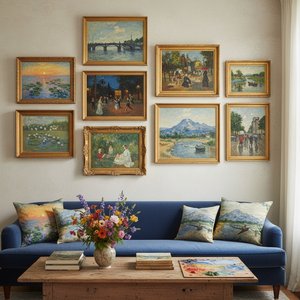
Impressionistic Landscapes: 10 Masterpieces That Changed Art & Decor
Journey into the heart of Impressionism! Explore 10 masterpieces by Monet, Renoir & Degas that revolutionized landscape art. Discover their stories, techniques & find museum-quality reproductions to elevate your home decor on ArtsDot.com.
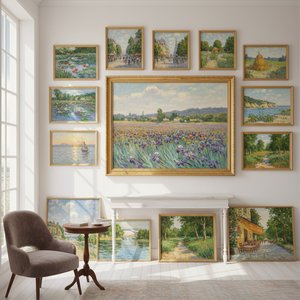
Impresionistički pejzaži: 10 remek-dela koja su definisala umetnički pokret
Otkrijte 10 remek-dela impresionizma koja su zauvek obeležila pejzažnu umetnost! Monet, Renoar i Degas – istražite priče iza svake slike. Inspiracija za dekoraciju enterijera i vrhunske reprodukcije na ArtsDot.com. Istražite kolekciju online!

Glavna dela koja su definisala Romantični pejzaž: 10 remek-dela za vaš dom
Otkrijte 10 remek-dela romantičnog pejzažnog slikarstva! Uronite u svet Claude Lorraina, Caspara David Friedricha i Turnera. Ispričane priče umetnosti, inspiracija za dekoraciju doma. Kvalitetne reprodukcije na ArtsDot.com – istražite celu kolekciju online!
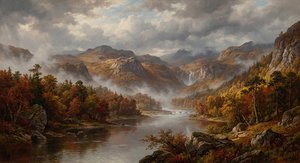
Top 10 Remek Dela Koja Su Definisala Hudson River School: Majstorski Priori Za Vaš Dom
Otkrijte 10 remek dela koja su definisala Hudson River School! Uronite u priče o Thomas Cole-u, Frederic Church-u i veličanstvenim pejzažima Amerike. Inspiracija za vaš dom – vrhunske reprodukcije na ArtsDot.com!
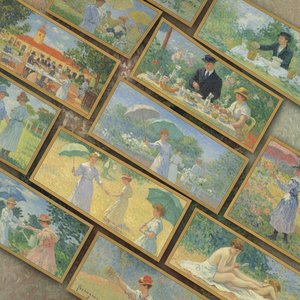
Pierre-Auguste Renoir: 25 Remek-Dela Impresionizma za Vaš Dom | ArtsDot
Uronite u svet Pierre-Auguste Renoara! Otkrijte 25 remek-dela impresionizma, priče iza slika i tehničke detalje. Reprodukcije vrhunskog kvaliteta za vaš dom dostupne na ArtsDot.com. Istražite celu kolekciju online!