

 Pregledaj u prostoru
 Pošalji
 Podeli
 Detalji o delu

 Преузми
 Slični predmeti
 Rendgenski snimak
 Slajdovi
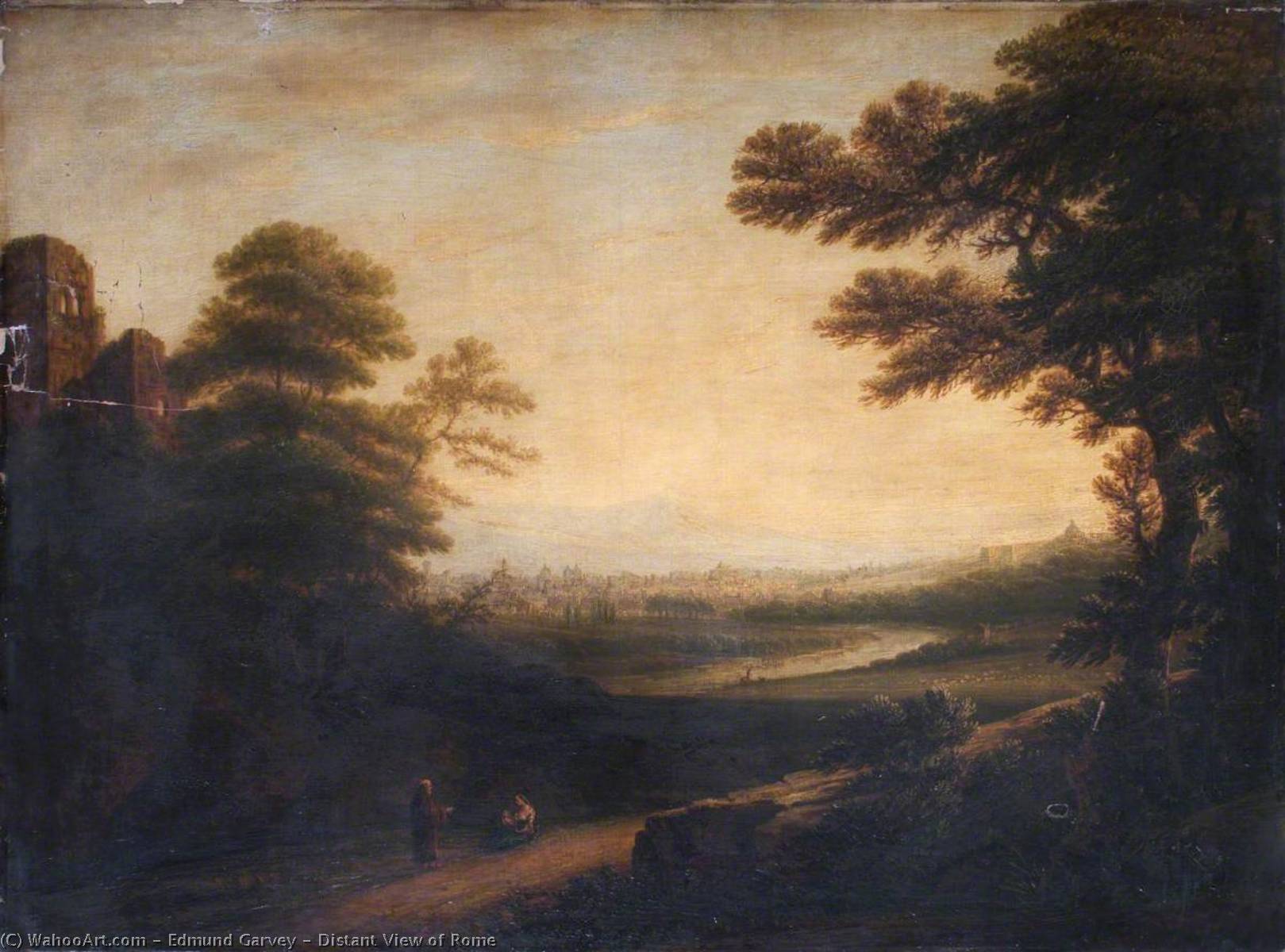
Distant View of Rome
 1783
1783 115.0 x 146.0 cm
 Pročitaj više
Kupite digitalnu sliku visoke rezolucije i poboljšanog kvaliteta, koja je znatno superiornija od onoga što vidite u online prikazu.
Svaka datoteka je pedantno pripremljena od strane naših stručnjaka koristeći napredne alate i profesionalnu ručnu retušu. Osiguravamo da svaka slika ima izuzetnu oštrinu, preciznu reprodukciju boja i fine detalje.
Konačna datoteka se dostavlja putem e-pošte u roku od 72 sata, optimizovana za neposrednu upotrebu u profesionalnim, izdavačkim i štamparskim okruženjima. To je isti kvalitet kojem veruju vrhunski studiji dizajna, izdavači i galerije.
Digitalna slika
Preuzmite datoteku visoke rezolucije za ličnu upotrebu, štampanje i kreativne projekte. ( Kupi print Kupi ručno naslikanu sliku)
Uključeno uz svaku porudžbinu digitalne slike
Profesionalna digitalna isporuka, zagarantovana
Kada odaberete ArtsDot.com, ne dobijate samo sliku – vi primate profesionalno unapređeno digitalno umetničko delo, izrađeno sa najvećom preciznošću i uz garanciju zadovoljstva. Evo svega što automatski dolazi uz vašu porudžbinu:

Brza dostava putem e-pošte
Vaša digitalna slika visoke rezolucije biće vam poslata putem e-pošte u roku od 72 sata od poručivanja – spremna za trenutnu upotrebu.

Digitalna datoteka unapređena veštačkom inteligencijom
Vaše umetničko delo je profesionalno optimizovano korišćenjem naprednih AI alata i ručne obrade, čime se osiguravaju maksimalni detalji, oštrina i preciznost boja.

Besplatna ponovna isporuka doživotno
Slučajno ste obrisali ili izgubili svoju datoteku? Ne brinite – poslaćemo vam je ponovo u bilo kom trenutku, potpuno besplatno.

Bez troškova uvoza – zauvek
Uživajte u svojim umetničkim delima trenutno, bez carine, dažbina ili troškova dostave – digitalni download je uvek bez poreza.

Garancija vernosti boja
Uz pomoć profesionalnih alata i upravljanja bojama, osiguravamo da vaša digitalna slika što vernije odražava originalne boje.

Garancija zadovoljstva u roku od 100 dana
Ako niste zadovoljni svojom digitalnom slikom, revidirat ćemo je ili vratiti 100% novca u roku od 100 dana – bez ikakvih pitanja.

100% garancija povrata novca
Niste zadovoljni? Obezbedite pun povrat novca u roku od 100 dana od trenutka kada ste primili svoju digitalnu datoteku – bez suvišnih pitanja.

Popusti na velike porudžbine
Kupite 3 slike, uštedite 10% - Kupite 5 slika, uštedite 15% - Kupite 10+ slika, uštedite 20%. Odlično za kreativne projekte, galerije i agencije.
The Artist and His Work
Edmund Garvey was a talented artist who gifted his Diploma work, Distant View of Rome, to the Royal Academy of Arts in 1783. This painting is a prime example of his skill and attention to detail, with the mountains in the background serving as a focal point while still allowing the viewer to appreciate the intricate details of the cityscape. The use of oil on canvas adds depth and texture to the painting, making it a truly remarkable piece.Key Features of the Painting
Some key features of the Distant View of Rome include:- A beautiful landscape featuring a distant view of Rome with mountains in the background
- Several people scattered throughout the image, adding an element of liveliness and movement to the scene
- A horse visible near the center of the painting, further enhancing the sense of movement and activity
- The use of oil on canvas, which adds depth and texture to the painting
For more information on Edmund Garvey and his work, visit /art/list/?Filter=Edmund-Garvey. To learn more about the Royal Academy of Arts, visit https://en.wikipedia.org/wiki/Royal_Academy_of_Arts.
Srodna umetnička dela










Biografija umetnika
The Visionary Landscapes of Edmund Garvey
In the tapestry of eighteenth-century European art, few threads are as delicately woven as those of Edmund Garvey. Born in Kilkenny, Ireland, around 1740, Garvey emerged from the verdant landscapes of his homeland to become a distinguished figure within the prestigious Royal Academy. His life was a journey of movement and light, spanning the grand vistas of Rome to the tranquil, pastoral reaches of Devonshire. While biographical records from this era often remain shrouded in mystery, the enduring legacy of his brushwork speaks volumes of an artist deeply attuned to the shifting moods of the natural world and the timeless elegance of classical antiquity.
Garvey’s artistic evolution was profoundly shaped by his encounters with the grandeur of the continent. Having studied under Robert Carver, he sought further inspiration in the heart of Italy, a period that would fundamentally alter his aesthetic sensibilities. His travels between 1768 and 1772 allowed him to immerse himself in the majesty of Roman architecture and the silent dignity of classical sculpture. This exposure birthed a fascination with what many call his "Roman Idols"—paintings where marble statues are not merely subjects, but intellectual anchors within the landscape. Through these works, Garvey engaged with the humanist ideals of the Enlightenment, using meticulous texture and masterful light to bridge the gap between the physical reality of stone and the ephemeral beauty of the surrounding atmosphere.
A Mastery of Light and Atmosphere
The technical prowess of Garvey lay in his ability to manipulate both oil and watercolor to capture the fleeting essence of a moment. His work often oscillated between the monumental and the intimate. In his more dramatic compositions, such as his depictions of the eruption of Mt. Vesuvius or the lightning-struck shores of Lake Geneva, one can sense a precursor to the Romantic movement—a fascination with the sublime power of nature. Yet, even in these intense scenes, Garvey maintained a disciplined control over tonal gradations, ensuring that every flicker of light and shadow served the narrative of the landscape.
This versatility was perhaps most evident in his celebrated watercolor, Waterfall in the Alps, which stood as one of the earliest Alpine subjects exhibited in Britain. Such works demonstrated his capacity to translate the rugged, intimidating scale of the mountains into a medium that felt both delicate and profound. His ability to render the weight of water and the crispness of mountain air solidified his reputation as an artist capable of capturing the very breath of the earth.
From Roman Grandeur to Devonshire Serenity
As his career progressed, Garvey’s focus shifted from the epic scale of Italy and the Alps toward the more subdued, pastoral beauty of the British Isles. Settling in Exeter, Devon, he turned his gaze toward the rolling hills and quiet estuaries of the English countryside. This later period of his life saw a departure from the dramatic architectural ruins of Rome in favor of serene, atmospheric vistas. These Devonshire scenes, while less monumental in subject, retained the signature stylistic qualities that defined his career: a profound respect for texture, a subtle use of light, and an ability to find the extraordinary within the ordinary.
His achievements were formally recognized by the highest artistic institutions of his time. Having been elected an Associate of the Royal Academy in 1770, he reached the pinnacle of professional success when he was named a Royal Academician in 1783. This honor was accompanied by the poignant gesture of gifting his diploma work, Distant View of Rome, to the Royal Academy itself—a testament to his lifelong connection to the classical ideals that first ignited his passion. Through over one hundred exhibitions at the Royal Academy, Garvey left an indelible mark on the landscape tradition, leaving behind a body of work that continues to invite viewers into the quiet, beautiful worlds he so lovingly constructed.
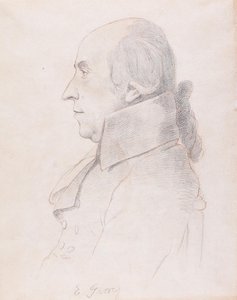
edmund garvey
1740 - 1813
Kratke činjenice
- Artistic Movement Or Style: Romanticism
- Artists Or Movements Influenced By This Artist: ['Turner']
- Artists Who Influenced This Artist:
- Joshua Reynolds
- Claude Lorrain
- Date Of Birth: 1740
- Date Of Death: 1813
- Full Name: Edmund Garvey
- Nationality: Irish
- Notable Artworks:
- Views of Rome
- Bristol Paintings
- Devon Landscapes
- Place Of Birth: Ireland