

 Pregledaj u prostoru
 Pošalji
 Podeli
 Detalji o delu

 Преузми
 Slični predmeti
 Rendgenski snimak
 Slajdovi
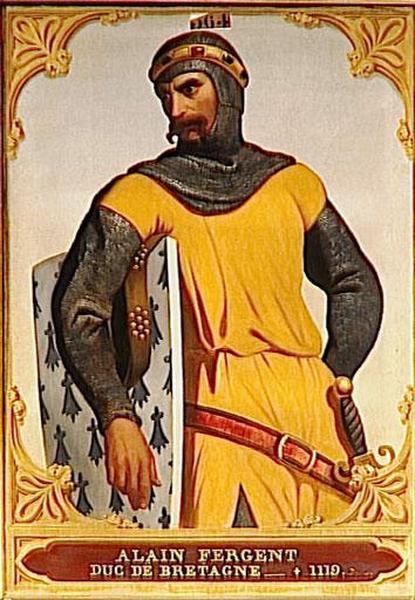
ALAIN FERGENT, DUC DE BRETAGNE ( 1119)
 Pročitaj više
Ručno rađena uljana reprodukcija
Ručno oslikano uljanim bojama na platnu u dimenzijama i okviru po vašem izboru, izrađeno po porudžbini od strane naših umetnika. ( Kupi print Kupi digitalnu sliku)




































Izaberite jednu od naših unapred definisanih veličina koje odgovaraju originalnim proporcijama umetničkog dela.

Можете унети сопствене димензије како бисте прилагодили дело одређеном оквиру или простору. Ако одабрана величина не одговара пропорцијама оригинала, слика ће бити исечена или проширена додатним елементима који се ручно насликавају. Дигитални prikaz ће вам бити послат на одобрење пре почетка производње.
Имајте на уму да преглед на екрану не одражава стварно исецање или проширење. Само приказ (mockup) ће тачно приказати коначну композицију.
Иако су доступне прилагођене величине, препоручујемо да одаберете димензију из дефинисане листе како бисте сачували оригиналне пропорције.
Nakon narudžbine, tim ArtsDot.com će klijentu putem e-pošte poslati uputstva i dostaviti prikaz predloženog rešenja
Isporuka širom sveta () za 3/4 nedelje umesto uobičajenih 5 nedelja. (22 август). Bez kompromisa po pitanju kvaliteta.

Besplatna ekspresna dostava širom sveta

Visokokvalitetno laneno platno

Kompletno osiguranje transporta

Garancija povraćaja carine i uvoznih dažbina

Garancija vernosti boja

Politika povrata u roku od 60 dana (samo u slučaju nedostataka)

Garancija povrata novca od 100%

Popust pri grupnoj kupovini
 Opcija sa staklom dostupna je samo za dimenzije manje od 110 cm

ALAIN FERGENT, DUC DE BRETAGNE ( 1119)
Tehnika reprodukcije
Dimenzije reprodukcije
-


Konačna cena
$ 263
Srodna umetnička dela


Biografija umetnika
Edouard Alexandre Odier: A Chronicle of 19th-Century French History Through Brush and Canvas
Edouard Alexandre Odier, a name perhaps less heralded than many of his contemporaries in the grand halls of Parisian art, nevertheless represents a significant figure within the landscape of 19th-century French painting. Born in 1800, Odier’s life coincided with a period of immense social and political upheaval – the Napoleonic era’s aftermath, the rise of Romanticism, and ultimately, the tumultuous years leading up to the Franco-Prussian War. His artistic journey, deeply intertwined with the socio-political currents of his time, reveals a keen eye for detail, a masterful command of historical narrative, and an ability to imbue his scenes with a palpable sense of drama and emotion.
Odier’s early life was shaped by the influence of his family's banking connections. Antoine Odier, his father, was a prominent figure in the Lombard Odier & Co., one of Switzerland’s leading financial institutions. This familial association provided him with access to a world of wealth and privilege, which undoubtedly informed his later artistic pursuits. However, it also exposed him to the complexities of international finance and diplomacy – themes that would frequently find their way into his paintings. Interestingly, Antoine Odier himself was a politically liberal figure, advocating for free trade policies and opposing the authoritarian tendencies of Louis-Napoléon Bonaparte, suggesting an early exposure to progressive ideals that may have subtly influenced Edouard’s artistic choices.
Odier's formal training remains somewhat elusive, with records indicating he studied under Coutain and Ingres. This dual tutelage speaks volumes about his aspirations – a grounding in the classical techniques of Ingres, renowned for his meticulous realism and precise draftsmanship, combined with the Romantic sensibilities championed by Coutain, known for his dramatic compositions and evocative use of light and shadow. This synthesis is evident throughout his oeuvre; his works often possess both a rigorous attention to detail reminiscent of Ingres and a heightened emotional intensity characteristic of Romanticism.
Thematic Focus: Battles, Royalty, and the Echoes of History
Odier’s artistic output primarily revolved around historical subjects – battles, royal portraits, and scenes depicting significant moments in French history. He wasn't interested in merely recording events; rather, he sought to capture the *spirit* of those times, imbuing his canvases with a sense of immediacy and drama. His depictions of military campaigns, such as the Battle of Waterloo (a particularly striking example), are not simply technical exercises in rendering armor and weaponry. Instead, they convey the chaos, fear, and heroism experienced by soldiers on the field of battle – a testament to his ability to translate historical accounts into compelling visual narratives.
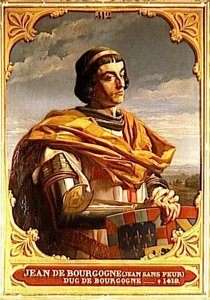
Royal portraits constituted another significant portion of his work. These weren’t straightforward depictions of monarchs; Odier skillfully used costume, gesture, and background details to reveal character and personality. He frequently portrayed figures like Alain Fergent, the Duke of Brittany, capturing not just their physical likeness but also a sense of their status and authority. His ability to render intricate fabrics and opulent settings speaks to his meticulous observation skills and his dedication to historical accuracy.
Technique and Style: A Blend of Realism and Romantic Emotion
Odier’s artistic style can be characterized as a sophisticated blend of realism and Romantic emotion. He was a technically proficient painter, demonstrating a mastery of composition, perspective, and color theory. His works are meticulously detailed, showcasing his ability to render textures – the sheen of armor, the folds of fabric, the rough terrain of battlefields – with remarkable accuracy. However, he never sacrificed emotional impact for technical perfection. He employed dramatic lighting, dynamic poses, and carefully chosen compositional elements to create a sense of movement and intensity.
The influence of Eugène Delacroix, a leading figure in the Romantic movement, is readily apparent in Odier’s work. Like Delacroix, he utilized vibrant colors, loose brushstrokes, and dramatic diagonals to convey emotion and energy. Yet, unlike Delacroix's often overtly emotional style, Odier maintained a greater degree of restraint, channeling his Romantic sensibilities through a more controlled and disciplined approach.
Legacy and Historical Context
Edouard Alexandre Odier’s work reflects the broader artistic trends of 19th-century France. He emerged during a period of intense national pride following the Napoleonic Wars, a time when historical painting was seen as a means of reinforcing patriotic values and commemorating significant events. His paintings served not only as decorative objects but also as visual narratives that helped to shape public memory and understanding of French history.
Despite his talent and dedication, Odier’s work did not achieve the widespread recognition enjoyed by some of his contemporaries. However, his paintings continue to be appreciated for their historical accuracy, technical skill, and evocative portrayal of human drama. His depictions of battles and royal portraits offer a valuable glimpse into the social and political landscape of 19th-century France, reminding us that art can serve as both a reflection of its time and a powerful tool for shaping our understanding of the past.
Further research into Odier’s life and work reveals connections to institutions like Alexandre Gallery in New York and his family's involvement with Bank Lombard Odier & Co., providing valuable context for understanding his artistic development and patronage. His biography, as documented by sources such as askART and Wikidata, paints a picture of an artist deeply embedded within the financial and political networks of his era.
edouard alexandre odier
1800 - 1887
Osnovne informacije
- Artistic Movement Or Style: Historical Painting
- Artists Who Influenced This Artist: ['Coutain, Ingres],\n "Artists or movements influenced by this artist": ["Romantic style"]\n}']
- Date Of Birth: 1800
- Date Of Death: 1887
- Full Name: Edouard Alexandre Odier
- Nationality: French
- Notable Artworks:
- BAUDOIN II, DIT DU BOURG
- ALAIN FERGENT
- JOSSELIN DE COURTENAY
- Place Of Birth: France

