

 Pregledaj u prostoru
 Pošalji
 Podeli
 Detalji o delu

 Преузми
 Slični predmeti
 Rendgenski snimak
 Slajdovi
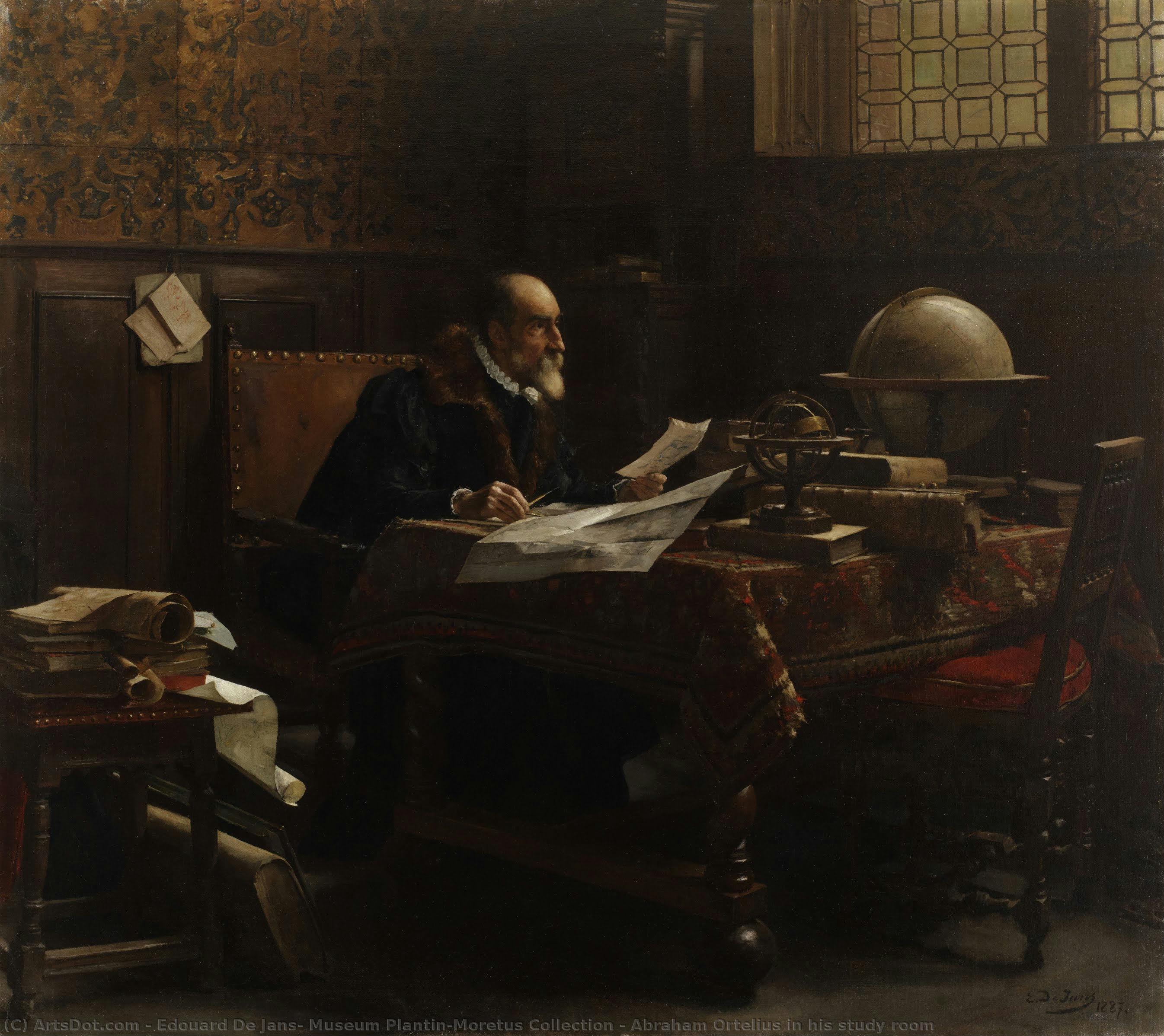
Abraham Ortelius in his study room


 Pročitaj više
Ručno rađena uljana reprodukcija
Ručno oslikano uljanim bojama na platnu u dimenzijama i okviru po vašem izboru, izrađeno po porudžbini od strane naših umetnika. ( Kupi print Kupi digitalnu sliku)




































Izaberite jednu od naših unapred definisanih veličina koje odgovaraju originalnim proporcijama umetničkog dela.

Можете унети сопствене димензије како бисте прилагодили дело одређеном оквиру или простору. Ако одабрана величина не одговара пропорцијама оригинала, слика ће бити исечена или проширена додатним елементима који се ручно насликавају. Дигитални prikaz ће вам бити послат на одобрење пре почетка производње.
Имајте на уму да преглед на екрану не одражава стварно исецање или проширење. Само приказ (mockup) ће тачно приказати коначну композицију.
Иако су доступне прилагођене величине, препоручујемо да одаберете димензију из дефинисане листе како бисте сачували оригиналне пропорције.
Nakon narudžbine, tim ArtsDot.com će klijentu putem e-pošte poslati uputstva i dostaviti prikaz predloženog rešenja
Isporuka širom sveta () za 3/4 nedelje umesto uobičajenih 5 nedelja. (31 август). Bez kompromisa po pitanju kvaliteta.

Besplatna ekspresna dostava širom sveta

Visokokvalitetno laneno platno

Kompletno osiguranje transporta

Garancija povraćaja carine i uvoznih dažbina

Garancija vernosti boja

Politika povrata u roku od 60 dana (samo u slučaju nedostataka)

Garancija povrata novca od 100%

Popust pri grupnoj kupovini
 Opcija sa staklom dostupna je samo za dimenzije manje od 110 cm

Abraham Ortelius in his study room
Tehnika reprodukcije
Dimenzije reprodukcije
-


Konačna cena
$ 263
Srodna umetnička dela








Biografija umetnika
The Flemish Visionary: The Life and Art of Edouard de Jans
In the heart of Antwerp, a city where the echoes of Renaissance masters still linger in the cobblestone streets, the life of Edouard de Jans unfolded with a quiet but profound dedication to the art of observation. Born on April 16, 1855, in Sint-Andries, de Jans was not destined for the grand stages of international fame, yet his brush captured moments of historical and personal significance that continue to resonate within the prestigious Plantin-Moretus Collection. His journey began far from the gilded halls of academies; he was the son of a farmer and miller, a humble beginning that perhaps instilled in him a grounded appreciation for the textures and realities of everyday life. It is said that his fascination with art was ignited by a simple encounter—the sight of a vibrant display in the window of a local lithographer’s shop—a spark that would eventually illuminate his entire career.
The trajectory of de Jans' talent was marked by serendipity and the keen eyes of those around him. While his early inclinations were noticed during his school years, it was the patronage of a local aristocrat that provided the crucial bridge to formal training. Tasked with creating detailed drawings of the Steentien castle during its restoration, de Jans demonstrated a technical precision that could not be ignored. This early success led him to the Bogardenschool, where his skill quickly earned him commissions from the Mayor and other prominent figures of Antwerp. By 1869, his thirst for mastery drove him to the Bruges Academy of Fine Arts, studying under the esteemed Director Eduard Wallays, and eventually to the Royal Academy of Fine Arts in Antwerp, where he refined the techniques that would define his Flemish style.
A Mastery of Portraiture and Genre
As his artistry matured, de Jans developed a versatile repertoire that allowed him to navigate between the intimate and the epic. While he is most celebrated as a portrait and genre painter, his work often transcended simple representation to touch upon the spiritual and the historical. His ability to render the human form with both dignity and psychological depth made him a sought-after portraitist, yet he was equally at home capturing the sweeping narratives of Biblical scenes and the rugged beauty of landscapes. In 1876, his burgeoning reputation was solidified when he received the prestigious Prix de Rome scholarship, an achievement that signaled his arrival as a significant voice in the Belgian art scene.
The essence of de Jans' work lies in its meticulous attention to detail and its ability to evoke a sense of time and place. His paintings often feel like windows into another era, characterized by:
- Historical Reverence: A profound connection to the Flemish heritage, seen in works such as 'Antverpia Mercatorum Emporium'.
- Narrative Depth: The ability to weave complex stories within a single frame, whether through religious iconography or domestic genre scenes.
- Technical Precision: A mastery of light and texture that brings historical subjects, like the scholar Abraham Ortelius, into a tangible, living reality.
Through his dedication to the nuances of his subject matter, Edouard de Jans left behind a legacy that serves as a vital link to the artistic traditions of Antwerp. Though he passed away in 1919, his works remain enduring testaments to a period of intense artistic refinement, reminding us of the power of a single, observant eye to preserve the soul of history.
edouard de jans, museum plantin-moretus collection
1804 - 1880 , Belgium
Osnovne informacije
- Artistic Movement Or Style: Landscape watercolourist
- Artists Or Movements Influenced By This Artist: ['John Frederick Lewis']
- Artists Who Influenced This Artist: ['']
- Date Of Birth: 1804
- Date Of Death: 1853
- Full Name: William Oliver
- Nationality: British
- Notable Artworks:
- On the Lahn near Oberlahnstein
- View of the Environs of Perugia
- Lahneck Castle
- Place Of Birth: Sudbury, Suffolk, England

