

 Pošalji
 Podeli
 Detalji o delu

 Преузми
 Slični predmeti
 Slajdovi
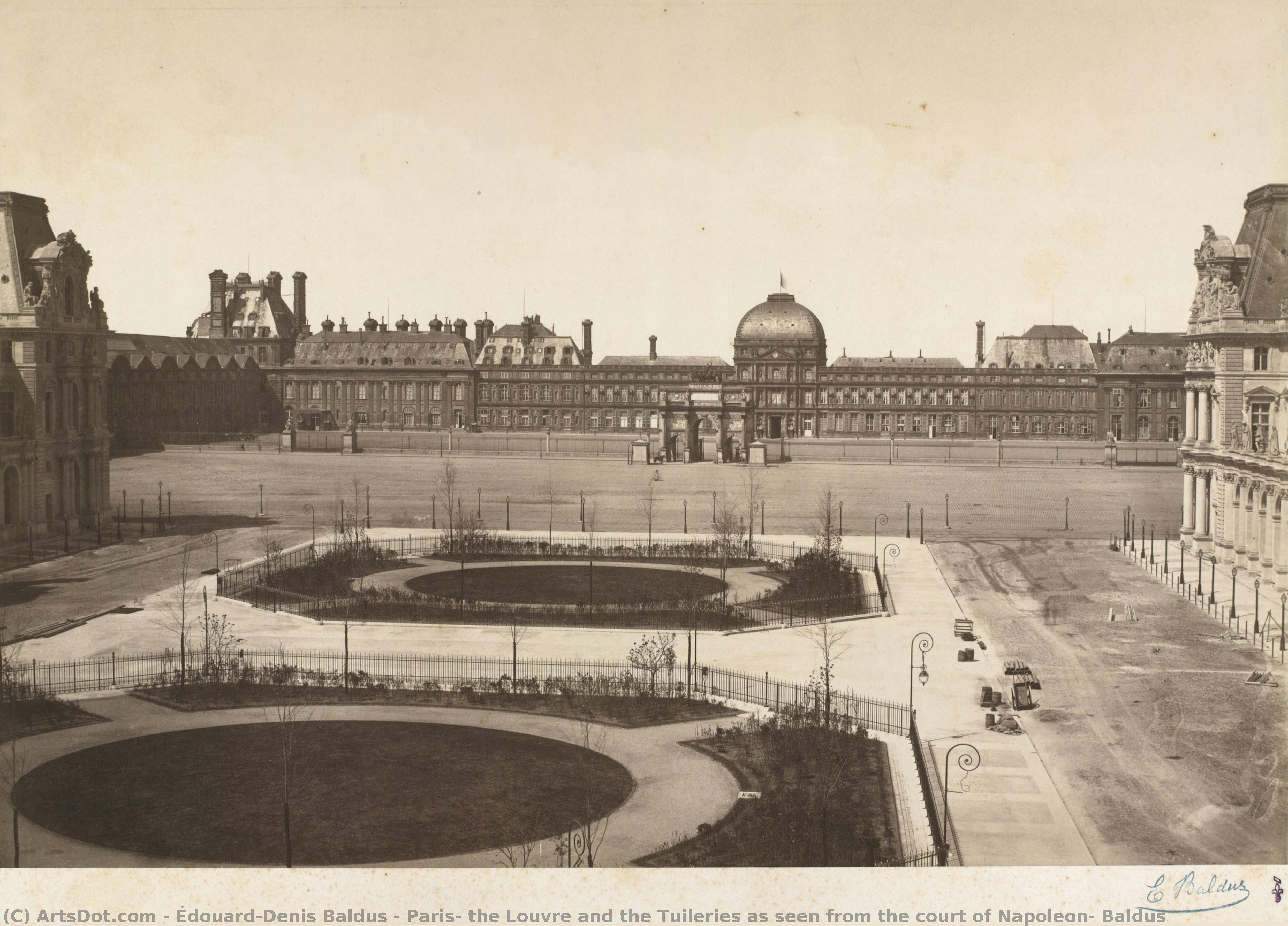
Paris: the Louvre and the Tuileries as seen from the court of Napoleon, Baldus


 Pročitaj više
Giclee štampa / Umetnički otisak
Giclée štampa ili print na platnu muzejskog kvaliteta uz brzu proizvodnju i fleksibilne opcije završne obrade. ( Kupi ručno naslikanu sliku Kupi digitalnu sliku)




































Izaberite jednu od naših unapred definisanih veličina koje odgovaraju originalnim proporcijama umetničkog dela.

Možete uneti sopstvene dimenzije kako biste umetničko delo prilagodili specifičnom okviru ili prostoru. Ako odabrani format ne odgovara proporcijama originalne slike, mi ćemo ili iscrtati deo dela ili proširiti sliku pomoću ogledane ivice ili jednobojnog popunjavanja. Digitalni prikaz će vam biti poslat na odobrenje pre početka proizvodnje.
Imajte na umu da pregled na ekranu ne odražava stvarno iscrtavanje ili proširivanje. Samo će prikaz (mockup) precizno pokazati finalnu kompoziciju.
Iako su prilagođene dimenzije dostupne, preporučujemo da odaberete dimenziju sa unapred definisane liste kako biste očuvali originalne proporcije.
Dostava širom sveta () za 2 nedelje umesto uobičajenih 4/5 nedelja. (27 август)

Besplatna ekspresna dostava širom sveta

Visokokvalitetno laneno platno

Kompletno osiguranje transporta

Garancija povraćaja carine i uvoznih dažbina

Garancija vernosti boja

Politika povrata u roku od 60 dana (samo u slučaju nedostataka)

Garancija povrata novca od 100%

Popust pri grupnoj kupovini
 Opcija sa staklom dostupna je samo za dimenzije manje od 110 cm

Paris: the Louvre and the Tuileries as seen from the court of Napoleon, Baldus
Giclee štampa / Umetnički otisak
Dimenzije reprodukcije
-


Konačna cena
$ 62
Opis predmeta
A Timeless Vista: Baldus's "Paris: the Louvre and the Tuileries as seen from the court of Napoleon"
Édouard-Denis Baldus’s “Paris: the Louvre and the Tuileries as seen from the court of Napoleon” is more than a photograph; it’s a meticulously crafted moment in time, a frozen tableau of Parisian grandeur that speaks volumes about ambition, architectural beauty, and the evolving relationship between art, history, and the burgeoning modern world. Executed in 1860, this remarkable image transcends its photographic origins to become a powerful work of artistic observation, revealing Baldus’s profound understanding of composition, light, and the evocative power of perspective.
- Subject Matter: The photograph captures two of Paris's most iconic landmarks – the Louvre Museum and the Tuileries Palace – presented with an almost theatrical precision. The aerial viewpoint, reminiscent of a classical landscape painting, elevates these structures to monumental status, emphasizing their scale and imposing presence within the city’s fabric.
- Technical Mastery: Baldus's skill as a photographer is immediately apparent in his masterful manipulation of light and shadow. He employs a subtle gradatioin of tones, characteristic of the daguerreotype process, to create depth and texture, imbuing the stone facades with an almost palpable solidity. The sharp detail, particularly evident in the architectural ornamentation, demonstrates a rigorous attention to technical precision.
Historical Context: A City Transformed
The year 1860 marks a pivotal moment in Parisian history. Following the Napoleonic era, the city was undergoing significant transformation – industrialization, urban expansion, and the rise of new social classes were reshaping its landscape. Baldus’s photograph serves as a visual record of this dynamic period, capturing the Louvre and Tuileries Palace not just as architectural marvels but also as symbols of France's enduring legacy. The inclusion of figures—likely Parisians enjoying the view or engaged in daily life—adds another layer of narrative, grounding the monumental architecture within the context of a bustling urban environment. Even the presence of early automobiles hints at the dawn of a new era of transportation and technological advancement.
- The Historic Monuments Commission: Baldus’s work was commissioned by the French Historic Monuments Commission, reflecting a growing interest in preserving and documenting France's architectural heritage. This project aligns with the broader 19th-century trend of systematic documentation through visual media.
- Influence of Romanticism: The composition of the photograph echoes the aesthetic principles of Romantic landscape painting, emphasizing emotion, drama, and the sublime qualities of nature (represented here by the urban environment).
Symbolism and Emotional Impact
Beyond its technical brilliance and historical significance, “Paris: the Louvre and the Tuileries as seen from the court of Napoleon” possesses a profound emotional impact. The photograph evokes a sense of awe and wonder at the scale and beauty of Parisian architecture, while simultaneously conveying a feeling of timelessness. Baldus’s careful framing invites the viewer to contemplate the relationship between past and present, grandeur and everyday life. It's a testament to the enduring power of art to capture not just what is seen, but also what is felt.
- The Court of Napoleon: The title itself – “as seen from the court of Napoleon” – adds an intriguing layer of historical context, suggesting that Baldus was deliberately positioning himself within a lineage of artistic observation and patronage.
- A Window to the Soul of Paris: Ultimately, this photograph offers us a glimpse into the soul of Paris—a city that has captivated artists, writers, and dreamers for centuries.
Srodna umetnička dela
![[the Cour Napoléon Looking Towards The Tuileries, Louvre, Paris] — Édouard-denis Baldus, Academic Realism](/media/artworks/images-thumb/9f/ab/9fab8474e3a2a9ec8f7fb1ba65878363.jpg)

Biografija umetnika
early life and training
édouard-denis baldus, a german-born artist, was born on june 5, 1813, in grünebach, prussia. initially trained as a painter, he also worked as a draughtsman and lithographer before transitioning to photography in 1849.photographic career
in 1851, baldus was commissioned by the historic monuments commission of france for the missions héliographiques, photographing historic buildings, bridges, and monuments. this project showcased his exceptional skill, earning him government support for les villes de france photographiées, a series of architectural views in paris and the provinces.notable works and collaborations
in 1855, baldus was commissioned by baron james de rothschild to create a photographic album as a gift for queen victoria and prince albert. this project highlighted his ability to capture the essence of french culture.- les villes de france photographiées, a comprehensive series of architectural views, showcased baldus's mastery of photography.
- his work was featured in the museum formerly collection bernhard koehler (berlin, germany), a renowned art collection.
- baldus's photographs are also part of the édouard-denis baldus | 4 artworks collection on ArtsDot, offering a glimpse into his photographic legacy.
legacy and later life
édouard-denis baldus passed away in 1889 in arcueil, france. his contributions to photography and painting have left an indelible mark on the art world. important links: - discovering the museum ostdeutsche galerie (germany) - édouard-denis baldus | 4 artworks on ArtsDot - the saryan museum yerevan, armenia, another notable art institution featured on ArtsDot.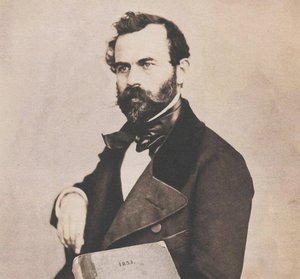
édouard-denis baldus
1813 - 1889 , Germany
Osnovne informacije
- Artistic Movement Or Style: Landscape & Marine
- Artists Or Movements Influenced By This Artist: ['Capriccio']
- Artists Who Influenced This Artist:
- Samuel Scott
- Richard Wilson
- Date Of Birth: 1740
- Date Of Death: 1813
- Full Name: William Marlow
- Nationality: English
- Notable Artworks:
- Boys Fishing
- Departure Militiaman
- Place Of Birth: London, England
Povezani članci

Pictorialism: A Search for Artistic Photography's Soul – Aesthetics, Techniques & Legacy
Explore the captivating world of Pictorialism – a pivotal movement that transformed photography into fine art. Discover key artists like Stieglitz & Käsebier, techniques, and collecting tips from experts.

Giclée Prints: Archival Quality & Aesthetic Nuances for the Discerning Collector
Explore the world of giclée prints with ArtsDot. Learn about archival quality, aesthetic nuances & investment potential. Expert guidance for discerning art collectors seeking museum-quality reproductions and lasting value.

Monochrome Visions: Exploring the Aesthetic & Historical Significance of Black & White Photography
Explore the rich history & artistic power of black and white photography. From early techniques to iconic masters like Ansel Adams, discover why monochrome continues to captivate art lovers today. Expert insights for collectors.
25 Remek-dela Luvra: Putovanje kroz vekove umetnosti i lepote | ArtsDot.com
Otkrijte 25 remek-dela Luvra! Istražite priče iza Mona Lize, Venere Miloske i drugih ikona umetnosti. Reprodukcije slika vrhunskog kvaliteta za vaš enterijer. Leonardo da Vinci, renesansa & više na ArtsDot.com
Beyond the Lens: Photography's Enduring Influence on Modern & Contemporary Art
Explore photography's pivotal role in shaping modern & contemporary art. Discover key movements, influential artists like Stieglitz, and expert collecting advice from ArtsDot.

