

 Pregledaj u prostoru
 Pošalji
 Podeli
 Detalji o delu

 Преузми
 Slični predmeti
 Rendgenski snimak
 Slajdovi
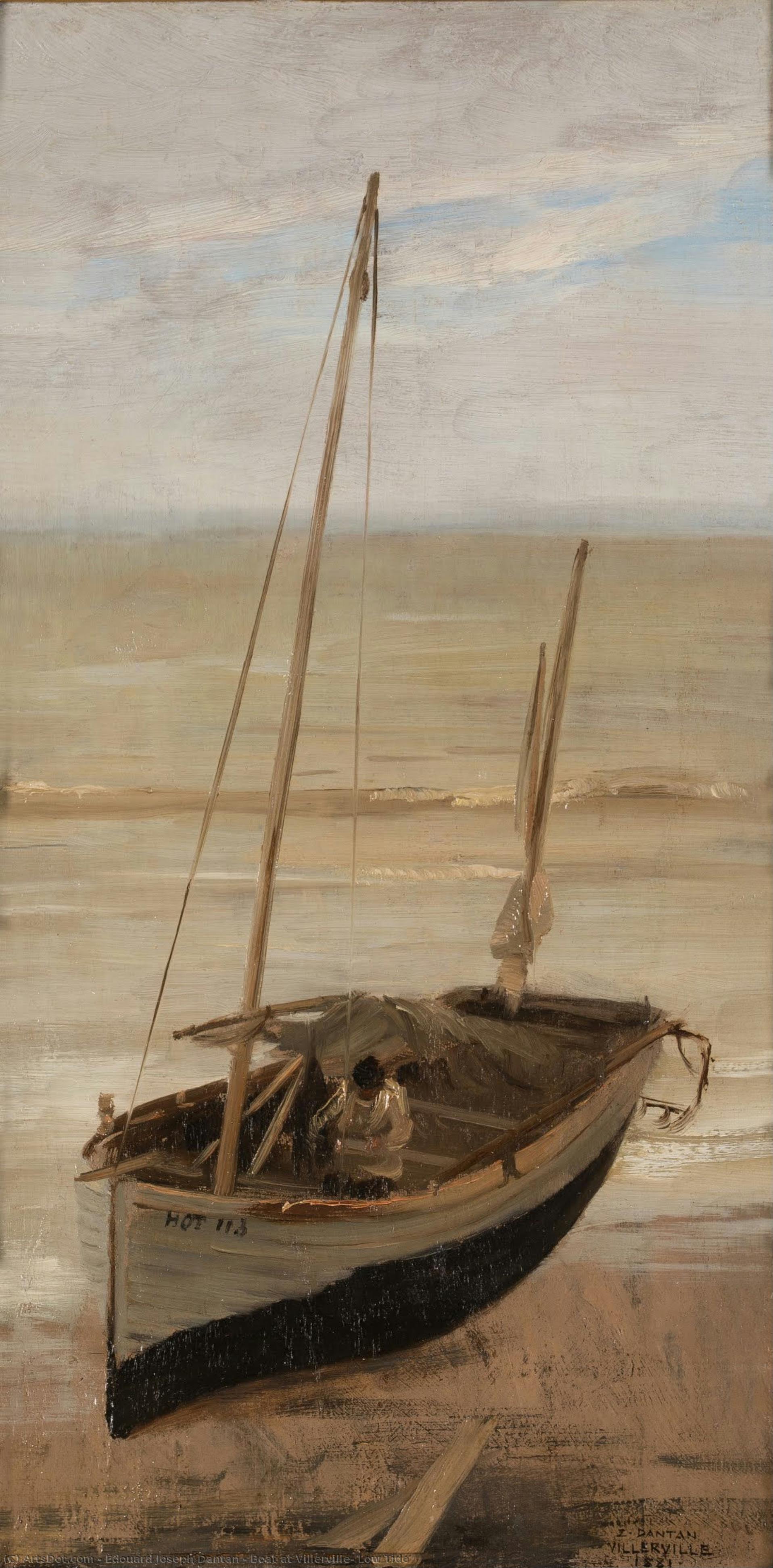
Boat at Villerville, Low Tide


 Pročitaj više
Ručno rađena uljana reprodukcija
Ručno oslikano uljanim bojama na platnu u dimenzijama i okviru po vašem izboru, izrađeno po porudžbini od strane naših umetnika. ( Kupi print Kupi digitalnu sliku)




P118B $10

P118H $10

P118W $10

P438Z $10

P508JH $12

P508YH $12

P805H $10

P805Z $10

P919BZ $10

P919G $10

P919XJ $10

P959ZH $10

P968JZ $12

W106C $8

W218G $10

W218JH $8

W218Y $10

W307PJ $10

W316G $10

W316PJ $8

W316Y $10

W398PJ $8

W4111J $10

W500HY $15

W500JH $15

W692G $12

W849H $8

W940BG $15

W953PJ $8




Izaberite jednu od naših unapred definisanih veličina koje odgovaraju originalnim proporcijama umetničkog dela.

Можете унети сопствене димензије како бисте прилагодили дело одређеном оквиру или простору. Ако одабрана величина не одговара пропорцијама оригинала, слика ће бити исечена или проширена додатним елементима који се ручно насликавају. Дигитални prikaz ће вам бити послат на одобрење пре почетка производње.
Имајте на уму да преглед на екрану не одражава стварно исецање или проширење. Само приказ (mockup) ће тачно приказати коначну композицију.
Иако су доступне прилагођене величине, препоручујемо да одаберете димензију из дефинисане листе како бисте сачували оригиналне пропорције.
Nakon narudžbine, tim ArtsDot.com će klijentu putem e-pošte poslati uputstva i dostaviti prikaz predloženog rešenja
Isporuka širom sveta () za 3/4 nedelje umesto uobičajenih 5 nedelja. (25 август). Bez kompromisa po pitanju kvaliteta.

Besplatna ekspresna dostava širom sveta

Visokokvalitetno laneno platno

Kompletno osiguranje transporta

Garancija povraćaja carine i uvoznih dažbina

Garancija vernosti boja

Politika povrata u roku od 60 dana (samo u slučaju nedostataka)

Garancija povrata novca od 100%

Popust pri grupnoj kupovini
 Opcija sa staklom dostupna je samo za dimenzije manje od 110 cm

Boat at Villerville, Low Tide
Tehnika reprodukcije
Dimenzije reprodukcije
-


Konačna cena
$ 263
Opis umetničkog dela
Boat at Villerville, Low Tide – Édouard Joseph Dantan
Édouard Joseph Dantan’s “Boat at Villerville, Low Tide,” painted in 1881, stands as a testament to the Impressionist movement's fascination with capturing fleeting moments of everyday life and atmosphere. Born into a lineage steeped in artistic tradition—his grandfather a wood sculptor who bravely served during Napoleon III’s reign—Dantan inherited a profound appreciation for craftsmanship and visual storytelling from his family. This influence is palpable in every brushstroke of this serene seascape, reflecting the meticulous attention to detail characteristic of academic painting while simultaneously embracing the revolutionary spirit of Impressionism.Subject Matter & Composition
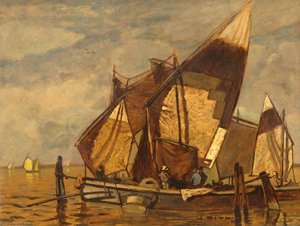
The canvas depicts a tranquil scene: a small sailboat gliding across Villerville’s calm waters during low tide. Two figures occupy the boat—likely fishermen or leisure travelers—adding a human element to the expansive landscape. However, Dantan doesn't merely portray what he sees; he strives to convey *how* it feels. The artist skillfully utilizes light and color to create an illusion of depth and movement, capturing the subtle nuances of the receding tide and the diffused sunlight filtering through the overcast sky. Three smaller boats punctuate the horizon line, subtly reinforcing the sense of scale and contributing to the overall composition’s harmonious balance.Style & Technique: Impressionistic Realism
Dantan's approach exemplifies Impressionistic realism—a deliberate fusion of classical precision with innovative techniques designed to capture subjective experience. Unlike earlier artists who meticulously rendered every contour and shade, Dantan employed loose brushstrokes and vibrant pigments to convey the ephemeral qualities of light and color. He eschewed blending colors on the palette entirely, instead applying them directly onto the canvas in juxtaposed patches—a technique championed by Impressionists like Monet and Sisley—resulting in shimmering surfaces that vibrate with luminosity. The artist’s masterful use of glazing – layering thin translucent washes over underlying pigments – enhances the tonal richness and atmospheric depth of the painting.Historical Context & Artistic Influences
“Boat at Villerville, Low Tide” emerged during a pivotal period in French art history—the Belle Époque (roughly 1870-1914). This era witnessed an explosion of artistic experimentation fueled by scientific advancements and societal transformations. Impressionism challenged the conventions of academic painting, rejecting idealized representations and prioritizing observation over preconceived notions. Dantan’s work draws inspiration from luminist painters like Frederic Church and George Inness, who similarly sought to evoke emotion through landscapes imbued with spiritual resonance. The painting reflects a broader trend toward exploring themes of solitude, contemplation, and connection with nature—values that resonated deeply within the artistic sensibilities of the time.Symbolism & Emotional Impact
Beyond its visual beauty, “Boat at Villerville, Low Tide” carries symbolic weight. The boat itself represents aspiration, journey, and exploration – mirroring Dantan’s own artistic ambitions. The calm waters symbolize tranquility and reflection, inviting viewers to contemplate the passage of time and the serenity of the natural world. The muted palette—dominated by blues, greens, and browns—contributes to the painting's melancholic mood, conveying a sense of quiet contemplation and understated emotion. Ultimately, Dantan’s masterpiece succeeds in transporting the viewer to Villerville’s shores, capturing not just a visual image but also an intangible feeling – one of peaceful beauty and profound stillness.Provenance & Reproduction
This artwork is housed at Musée des impressionnismes Giverny (France). ArtsDot.com offers high-quality reproductions of “Boat at Villerville, Low Tide” in various sizes to bring this iconic Impressionist painting into your home or office. Explore our selection and discover the perfect piece to celebrate art history and evoke the spirit of Belle Époque France.Srodna umetnička dela

Biografija umetnika
Early Life and Family Background
- Born: August 26, 1848, Paris, France
- Died: July 7, 1897 (aged 48)
- Family Legacy: Dantan came from a family deeply rooted in the arts. His grandfather was a wood sculptor who had fought in the Napoleonic Wars. His father, Antoine Laurent Dantan, and uncle, Jean-Pierre Dantan, were both renowned sculptors, establishing a strong artistic lineage.
- Education: He studied at the École nationale supérieure des Beaux-Arts in Paris under Isidore Pils and Henri Lehmann, receiving formal training in classical art techniques.
Artistic Career and Style
- Early Works & Salon Exhibitions: Dantan debuted at the Paris Salon in 1869 with "An Episode in the Destruction of Pompeii." He continued to exhibit regularly, showcasing works like "Hercules at the Feet of Omphale" (1874), "Death of Timophane" (1875), and "The Nymph Salmacis" (1876).
- Franco-Prussian War: The Franco-Prussian War in 1870 interrupted his artistic pursuits, during which he served as a sergeant and later lieutenant in the defense force. Tragically, his family home was destroyed during this conflict.
- Style & Technique: Dantan’s style adhered to the academic tradition of painting, characterized by meticulous detail, realistic depictions, and adherence to classical principles. His works were praised for their technical mastery and skillful execution. He often depicted historical, mythological, and religious subjects.
- Notable Works:
- Boat at Villerville, Low Tide (1881) - Demonstrates his skill in capturing landscapes and everyday scenes.
- Le déjeuner du modèle (1881) – A studio scene depicting a model taking a break, showcasing his ability to portray contemporary life with realism.
- Un coin d’atelier (1880) - A painting of his father working on a bas-relief in his studio, highlighting the artistic process and family connection.
Influences and Recognition
- Classical Tradition: Dantan was deeply influenced by the classical tradition of art, evident in his subject matter and technical approach.
- Contemporary Recognition: He achieved considerable recognition during his lifetime, exhibiting regularly at the Salon and receiving awards, including a gold medal at the Paris Exposition of 1889. The French state acquired several of his paintings.
- Walter Sickert's Respect: Even Walter Sickert, a contemporary modernist painter and critic, acknowledged Dantan’s talent with grudging respect.
Later Life and Legacy
- Relationship with Agostina Segatori: For twelve years, Dantan was in a relationship with the model Agostina Segatori, who also posed for artists like Corot, Gérôme, Delacroix, and Manet. She later opened Café du Tambourin, a popular gathering place for artists.
- Death: Dantan died on July 7, 1897, in a tragic carriage accident in Villerville.
- Museum Collections: His works are featured in prominent museums such as the Musée d'Orsay in Paris and the Musée des Beaux-Arts de Carcassonne.
- Historical Significance: Dantan’s paintings offer valuable insights into 19th-century French art, showcasing the academic tradition and providing glimpses into the lives of artists and their models. His studio scenes are particularly significant for documenting artistic practices of the time.

édouard joseph dantan
1848 - 1897 , France
Osnovne informacije
- Artistic Movement Or Style: Academic tradition
- Artists Who Influenced This Artist:
- Isidore Pils
- Henri Lehmann
- Date Of Birth: August 26, 1848
- Date Of Death: July 7, 1897
- Full Name: Édouard Joseph Dantan
- Nationality: French
- Notable Artworks:
- Boat at Villerville, Low Tide
- Le déjeuner du modèle
- Hercules at the Feet of Omphale
- Place Of Birth: Paris, France
Povezani članci
Boats on Canvas: 10 Masterpieces of Maritime Art for Your Home Decor
Sail away with 10 iconic boat paintings! Explore masterpieces by Monet, Van Gogh & Turner. Discover the stories behind these timeless seascapes and find museum-quality art reproductions for your home decor at ArtsDot.com.
The Allure of the Horizon: A Comprehensive Exploration of Seascape Art Through History & Emotion
Explore the captivating world of seascape art! Discover its history, key artists & movements – from Dutch Masters to Impressionism. Expert insights for collectors and enthusiasts at ArtsDot.

Pierre-Auguste Renoir: 25 Remek-Dela Impresionizma za Vaš Dom | ArtsDot
Uronite u svet Pierre-Auguste Renoara! Otkrijte 25 remek-dela impresionizma, priče iza slika i tehničke detalje. Reprodukcije vrhunskog kvaliteta za vaš dom dostupne na ArtsDot.com. Istražite celu kolekciju online!
Navigating Symbolism & Sentiment: A Comprehensive Exploration of Boats in Art History
Explore the rich history of boats in art! Discover symbolism & style from ancient myths to Impressionist masterpieces. Expert insights for collectors at ArtsDot.
Impresionistički pejzaži: 10 remek-dela koja su definisala umetnički pokret
Otkrijte 10 remek-dela impresionizma koja su zauvek obeležila pejzažnu umetnost! Monet, Renoar i Degas – istražite priče iza svake slike. Inspiracija za dekoraciju enterijera i vrhunske reprodukcije na ArtsDot.com. Istražite kolekciju online!

