

 Pregledaj u prostoru
 Pošalji
 Podeli
 Detalji o delu

 Преузми
 Slični predmeti
 Rendgenski snimak
 Slajdovi
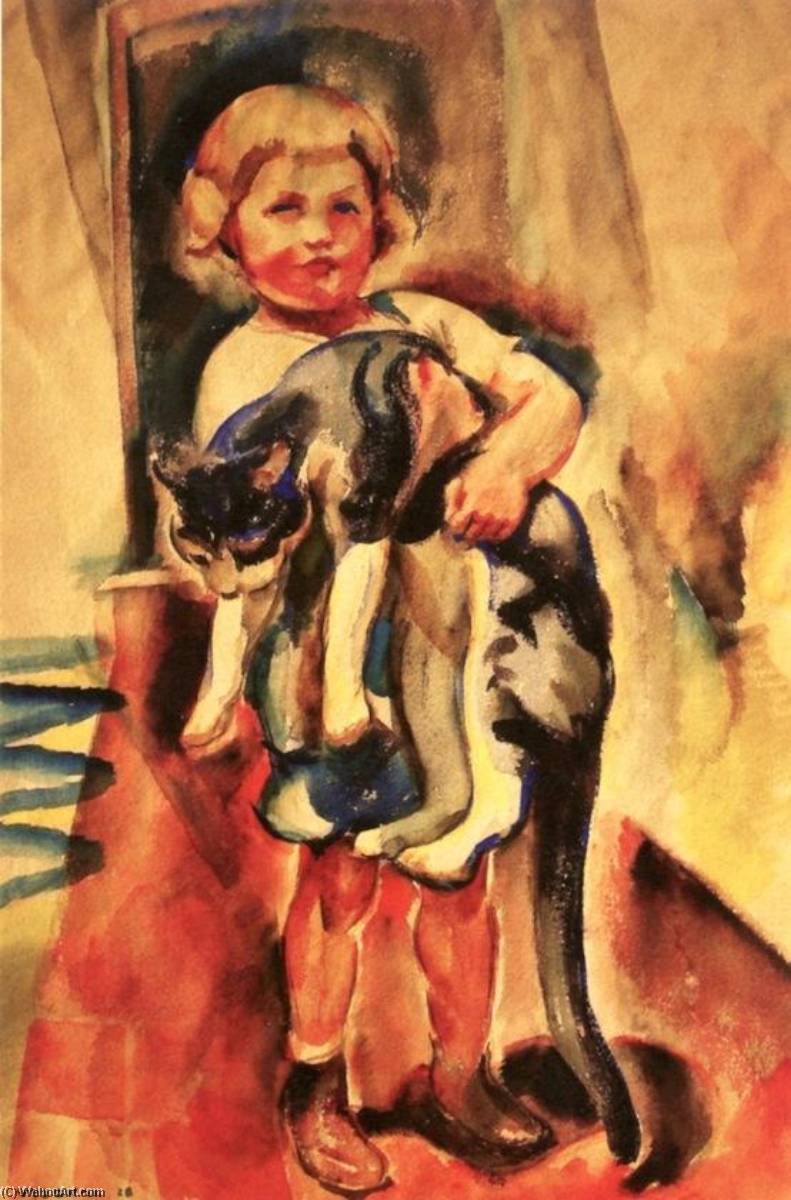
Margaret Jean Hastings

 Pročitaj više
Ručno rađena uljana reprodukcija
Ručno oslikano uljanim bojama na platnu u dimenzijama i okviru po vašem izboru, izrađeno po porudžbini od strane naših umetnika. ( Kupi print Kupi digitalnu sliku)




































Izaberite jednu od naših unapred definisanih veličina koje odgovaraju originalnim proporcijama umetničkog dela.

Можете унети сопствене димензије како бисте прилагодили дело одређеном оквиру или простору. Ако одабрана величина не одговара пропорцијама оригинала, слика ће бити исечена или проширена додатним елементима који се ручно насликавају. Дигитални prikaz ће вам бити послат на одобрење пре почетка производње.
Имајте на уму да преглед на екрану не одражава стварно исецање или проширење. Само приказ (mockup) ће тачно приказати коначну композицију.
Иако су доступне прилагођене величине, препоручујемо да одаберете димензију из дефинисане листе како бисте сачували оригиналне пропорције.
Nakon narudžbine, tim ArtsDot.com će klijentu putem e-pošte poslati uputstva i dostaviti prikaz predloženog rešenja
Isporuka širom sveta () za 3/4 nedelje umesto uobičajenih 5 nedelja. (2 септембар). Bez kompromisa po pitanju kvaliteta.

Besplatna ekspresna dostava širom sveta

Visokokvalitetno laneno platno

Kompletno osiguranje transporta

Garancija povraćaja carine i uvoznih dažbina

Garancija vernosti boja

Politika povrata u roku od 60 dana (samo u slučaju nedostataka)

Garancija povrata novca od 100%

Popust pri grupnoj kupovini
 Opcija sa staklom dostupna je samo za dimenzije manje od 110 cm

Margaret Jean Hastings
Tehnika reprodukcije
Dimenzije reprodukcije
-


Konačna cena
$ 263
Srodna umetnička dela

Biografija umetnika
A Legacy of Light and Form: The Life of Edouard Vysekal
The story of Edouard Antonin Vysekal is one of movement, much like the brushstrokes that defined his celebrated career. Born on March 17, 1890, in the historic city of Kutná Hora within the Austro-Hungarian Empire, Vysekal was immersed in an artistic atmosphere from his very first breaths. Raised in a family of artists, the rhythms of color and composition were woven into the fabric of his childhood. His early creative journey began in the storied studios of Prague, where he first honed the technical precision that would later serve as the foundation for his modernist explorations. However, it was his migration to the United States around 1907—joining his father in St. Paul, Minnesota—that set the stage for his emergence as a pivotal figure in American Modernism.
As Vysekal transitioned from the Midwest to the vibrant art scene of Chicago, his evolution as a painter accelerated. Enrolling at the School of the Art Institute of Chicago (SAIC), he found himself under the mentorship of some of the most influential figures of the era, including John Vanderpoel, Stanton MacDonald-Wright, Harry Mills Walcott, and Morgan Russell. These masters introduced him to the radical possibilities of the burgeoning Modernist movement. It was during this period that Vysekal began to move beyond mere representation, embracing a sophisticated synthesis of Cubism and Impressionism. His work started to reflect a profound interest in how light could interact with fractured planes and bold, structural lines, creating canvases that were as much about emotional resonance as they were about visual geometry.
The Mastery of Modernist Expression
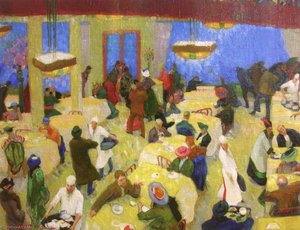
Vysekal’s artistic output is characterized by a remarkable ability to balance the structured discipline of Cubism with the atmospheric fluidity of Impressionism. This duality allowed him to capture both the physical weight of his subjects and the ephemeral quality of light. His celebrated work, ‘The Herwigs’ (1928), stands as a profound testament to this technique; it is a dynamic study of motherhood that utilizes textured brushwork and assertive lines to convey the deep, emotional bonds of family through a modern lens. Similarly, his industrial landscapes, such as “Late Afternoon Mood, No. 3,” demonstrate his mastery over atmosphere, using an Impressionistic approach to capture the diffuse, heavy light of an industrial setting, lending a sense of monumental scale to the scene.
Beyond his personal canvases, Vysekal’s influence was deeply felt through his dedication to art education. His pedagogical reach extended across two major American art hubs:
- The School of the Art Institute of Chicago: Where he served as an instructor between 1912 and 1914, helping to shape the next generation of Midwestern talent.
- Southern California Institutions: Following his marriage to the portrait painter Luvena Vysekal, he moved to the West Coast, where he became a cornerstone of the community at the Art Students League of Los Angeles and the Otis College of Art and Design (then known as the Otis Art Institute) from 1922 until his death.
A Lasting Impression on American Art
The historical significance of Edouard Vysekal lies in his role as a bridge between European tradition and American innovation. By bringing the rigorous training of Prague and the experimental spirit of Chicago to the burgeoning art scene of Southern California, he helped foster a unique regional modernism. His life was tragically short, ending on December 2, 1939, at the age of 49, yet the impact of his teaching and his paintings remains indelible. Today, his works are preserved in prestigious institutions such as the Los Angeles County Museum of Art, serving as enduring reminders of a man who saw the world not just as it appeared, but as a vibrant tapestry of light, form, and emotion.
edouard vysekal
1890 - 1939
Osnovne informacije
- Artistic Movement Or Style: Modernist Painting
- Artists Or Movements Influenced By This Artist: ['Édouard Manet']
- Artists Who Influenced This Artist:
- John Vanderpoel
- Stanton MacDonald-Wright
- Harry Mills Walcott
- Morgan Russell
- Date Of Birth: March 17, 1890
- Date Of Death: December 2, 1939
- Full Name: Edouard Antonin Vysekal
- Nationality: American
- Notable Artworks:
- The Herwigs
- Late Afternoon Mood, No. 3
- Place Of Birth: Kutná Hora, Bohemia

