

 Pregledaj u prostoru
 Pošalji
 Podeli
 Detalji o delu

 Преузми
 Slični predmeti
 Rendgenski snimak
 Slajdovi
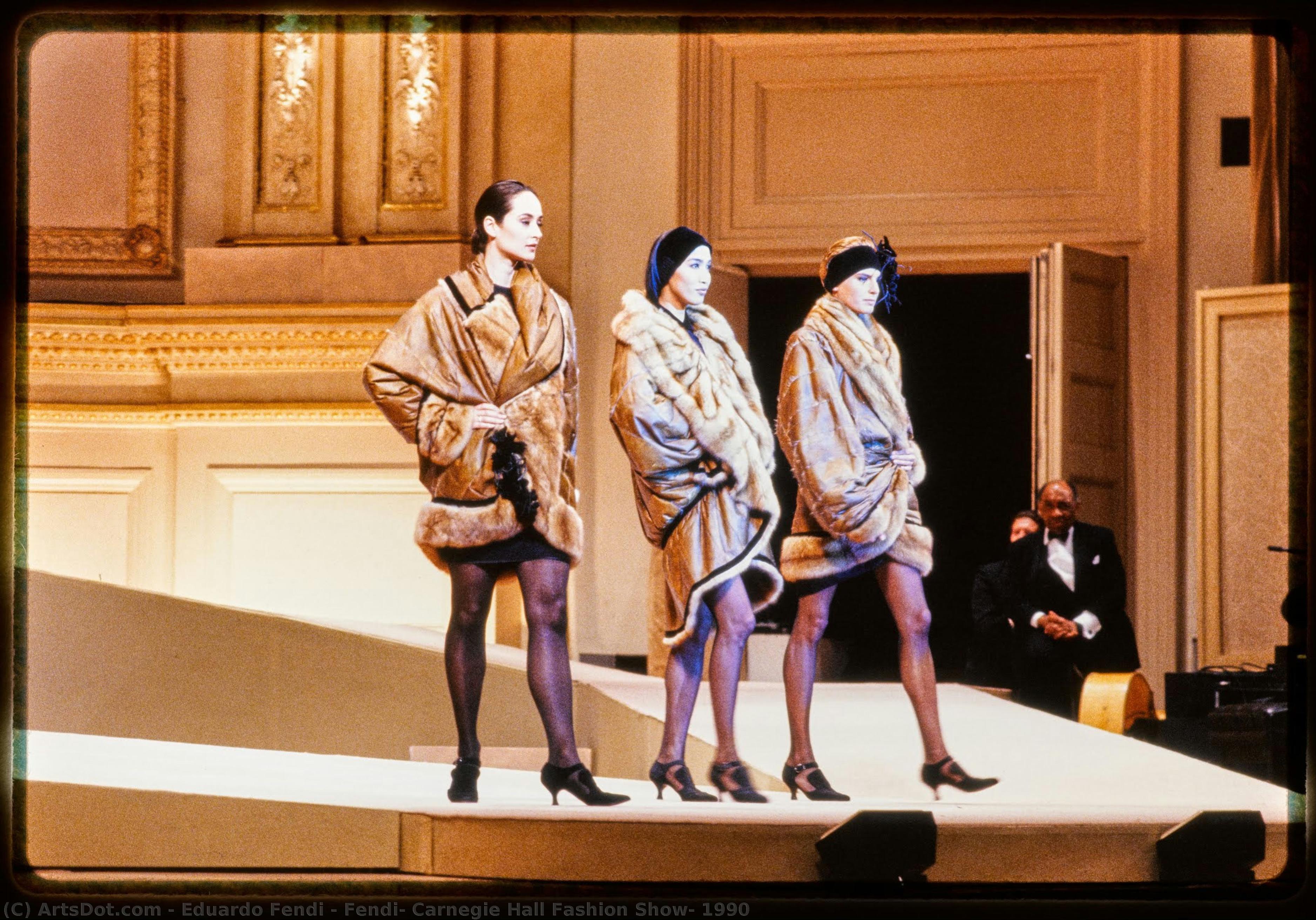
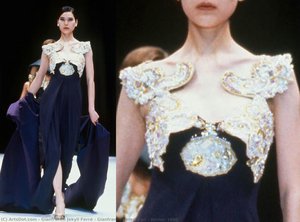
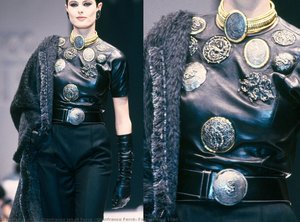
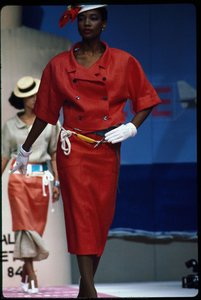
Fendi, Carnegie Hall Fashion Show, 1990


 Pročitaj više
Giclee štampa / Umetnički otisak
Giclée štampa ili print na platnu muzejskog kvaliteta uz brzu proizvodnju i fleksibilne opcije završne obrade. ( Kupi ručno naslikanu sliku Kupi digitalnu sliku)




































Izaberite jednu od naših unapred definisanih veličina koje odgovaraju originalnim proporcijama umetničkog dela.

Možete uneti sopstvene dimenzije kako biste umetničko delo prilagodili specifičnom okviru ili prostoru. Ako odabrani format ne odgovara proporcijama originalne slike, mi ćemo ili iscrtati deo dela ili proširiti sliku pomoću ogledane ivice ili jednobojnog popunjavanja. Digitalni prikaz će vam biti poslat na odobrenje pre početka proizvodnje.
Imajte na umu da pregled na ekranu ne odražava stvarno iscrtavanje ili proširivanje. Samo će prikaz (mockup) precizno pokazati finalnu kompoziciju.
Iako su prilagođene dimenzije dostupne, preporučujemo da odaberete dimenziju sa unapred definisane liste kako biste očuvali originalne proporcije.
Dostava širom sveta () za 2 nedelje umesto uobičajenih 4/5 nedelja. (4 септембар)

Besplatna ekspresna dostava širom sveta

Visokokvalitetno laneno platno

Kompletno osiguranje transporta

Garancija povraćaja carine i uvoznih dažbina

Garancija vernosti boja

Politika povrata u roku od 60 dana (samo u slučaju nedostataka)

Garancija povrata novca od 100%

Popust pri grupnoj kupovini
 Opcija sa staklom dostupna je samo za dimenzije manje od 110 cm

Fendi, Carnegie Hall Fashion Show, 1990
Giclee štampa / Umetnički otisak
Dimenzije reprodukcije
-


Konačna cena
$ 62
Srodna umetnička dela
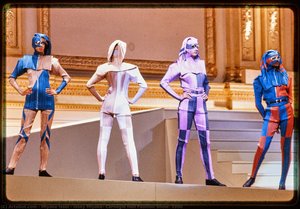
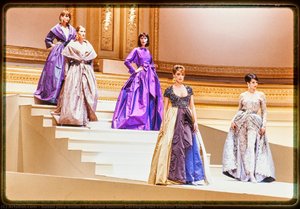
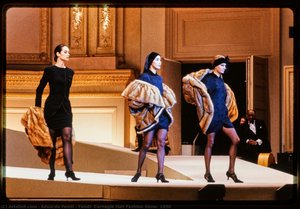
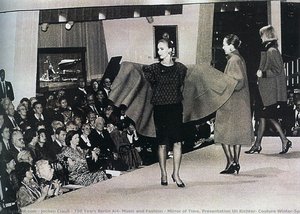
Biografija umetnika
Salvador Dalí: A Surrealist Visionary
Born in Figueres, Catalonia, Spain, on May 11, 1904, Salvador Dalí was more than just a painter; he was a provocateur, an iconoclast, and arguably the most recognizable figure of the Surrealist movement. His life, marked by eccentricity, meticulous technique, and a profound fascination with the subconscious, continues to captivate audiences nearly a century after his death in 1989. From humble beginnings—the son of a notary and a devout Catholic—Dalí’s artistic journey was shaped by a complex interplay of influences: classical art, Freudian psychology, Catalan nationalism, and a deeply personal vision of the world.
Early life provided a foundation for his unique perspective. His childhood in Figueres, a town he would later transform into a surrealist museum, instilled a love for meticulous detail and a fascination with the bizarre. The death of his mother at a young age profoundly affected him, contributing to a lifelong preoccupation with mortality and decay. His formal artistic training at the Real Academia de Bellas Artes de San Fernando in Madrid exposed him to traditional techniques but ultimately led him away from academic realism towards the burgeoning avant-garde movements.
The Rise of Surrealism and Artistic Development
Dalí’s encounter with Pablo Picasso in 1923 proved pivotal, introducing him to Cubism's fragmented perspectives and challenging his established notions of representation. However, it was his immersion into the world of Sigmund Freud that truly ignited his artistic imagination. Dalí became utterly absorbed by Freudian psychoanalysis, believing that art could unlock the hidden depths of the human psyche. This led him to develop his own unique brand of Surrealism—a meticulous and highly detailed exploration of dreams, fantasies, and irrationality.
His early works, such as “The Persistence of Memory” (1931), with its melting clocks draped over a barren landscape, became instantly iconic. This painting, arguably his most famous, perfectly encapsulates the Surrealist preoccupation with time, decay, and the fluidity of reality. Dalí’s technique was characterized by an almost photographic precision—he meticulously rendered every detail, creating an unsettling juxtaposition of familiar objects in impossible situations. He wasn't simply depicting dreams; he was constructing them with a level of technical mastery that bordered on obsessive.
Major Works and Recurring Themes
Dalí’s oeuvre is vast and remarkably diverse, encompassing paintings, sculptures, drawings, stage designs, and even fashion collaborations. Beyond “The Persistence of Memory,” other significant works include "Galatea of the Spheres" (1952), a celebration of classical beauty rendered in crystalline forms; “Swans Reflecting Elephants” (1937), a mesmerizing exploration of perception and illusion; and “Christ of Saint John of the Cross” (1951), a dramatic depiction of Christ’s suffering imbued with religious symbolism.
Recurring themes permeate Dalí's work: time, death, sexuality, religion, and the subconscious. He frequently employed symbolic imagery—melting clocks representing the fluidity of time, ants symbolizing decay, eggs representing birth and resurrection, and butterflies signifying transformation. His meticulous attention to detail and his ability to evoke a sense of unease and wonder cemented his place as one of the 20th century’s most influential artists.
Legacy and Historical Significance
Salvador Dalí's impact on art extends far beyond the Surrealist movement. His innovative techniques, his provocative imagery, and his flamboyant personality captivated the public imagination and helped to popularize Surrealism. He influenced generations of artists, filmmakers, and designers, leaving an indelible mark on popular culture.
Today, Dalí’s work is exhibited in museums around the world, and his legacy continues to inspire awe and debate. He remains a symbol of artistic eccentricity, a testament to the power of imagination, and a reminder that reality itself can be a matter of perception. His museum in Figueres, Spain, stands as a surrealist wonderland—a fitting tribute to the man who dared to dream beyond the confines of conventional art.
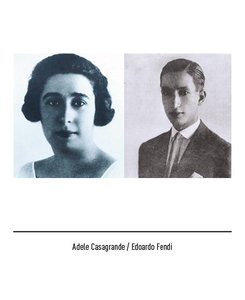
eduardo fendi
1904 - 1954 , Italy
Osnovne informacije
- Artistic Movement Or Style: Surrealism
- Artists Or Movements Influenced By This Artist:
- Cubism
- Surrealism
- Artists Who Influenced This Artist:
- Picasso
- Dada
- Freud
- Date Of Birth: May 11, 1904
- Date Of Death: January 23, 1989
- Full Name: Salvador Felipe Jacinto Dalí i Domènech
- Nationality: Spanish
- Notable Artworks:
- The Persistence of Memory
- Galatea of the Spheres
- Dream Caused by the Flight of a Bee
- Place Of Birth: Figueres, Catalonia, Spain
Povezani članci
Beyond the Lens: Photography's Enduring Influence on Modern & Contemporary Art
Explore photography's pivotal role in shaping modern & contemporary art. Discover key movements, influential artists like Stieglitz, and expert collecting advice from ArtsDot.

Monochrome Visions: Exploring the Aesthetic & Historical Significance of Black & White Photography
Explore the rich history & artistic power of black and white photography. From early techniques to iconic masters like Ansel Adams, discover why monochrome continues to captivate art lovers today. Expert insights for collectors.

Pictorialism: A Search for Artistic Photography's Soul – Aesthetics, Techniques & Legacy
Explore the captivating world of Pictorialism – a pivotal movement that transformed photography into fine art. Discover key artists like Stieglitz & Käsebier, techniques, and collecting tips from experts.

Witnessing History Through Lens & Light: Documentary Photography's Enduring Legacy
Explore the powerful history of documentary photography – from its origins to contemporary masters like Gordon Parks & W. Eugene Smith. Discover how this art form shapes our understanding of society and witness pivotal moments in time.
Gianfranco Ferré: Deconstructing Haute Couture – A Legacy of Architectural Form
Explore the revolutionary world of Gianfranco Ferré, 'the architect of fashion.' Discover his architectural approach to haute couture, iconic Dior designs, and lasting influence on luxury style. A deep dive for collectors & enthusiasts.

