

 Pošalji
 Podeli
 Detalji o delu

 Преузми
 Slični predmeti
 Slajdovi
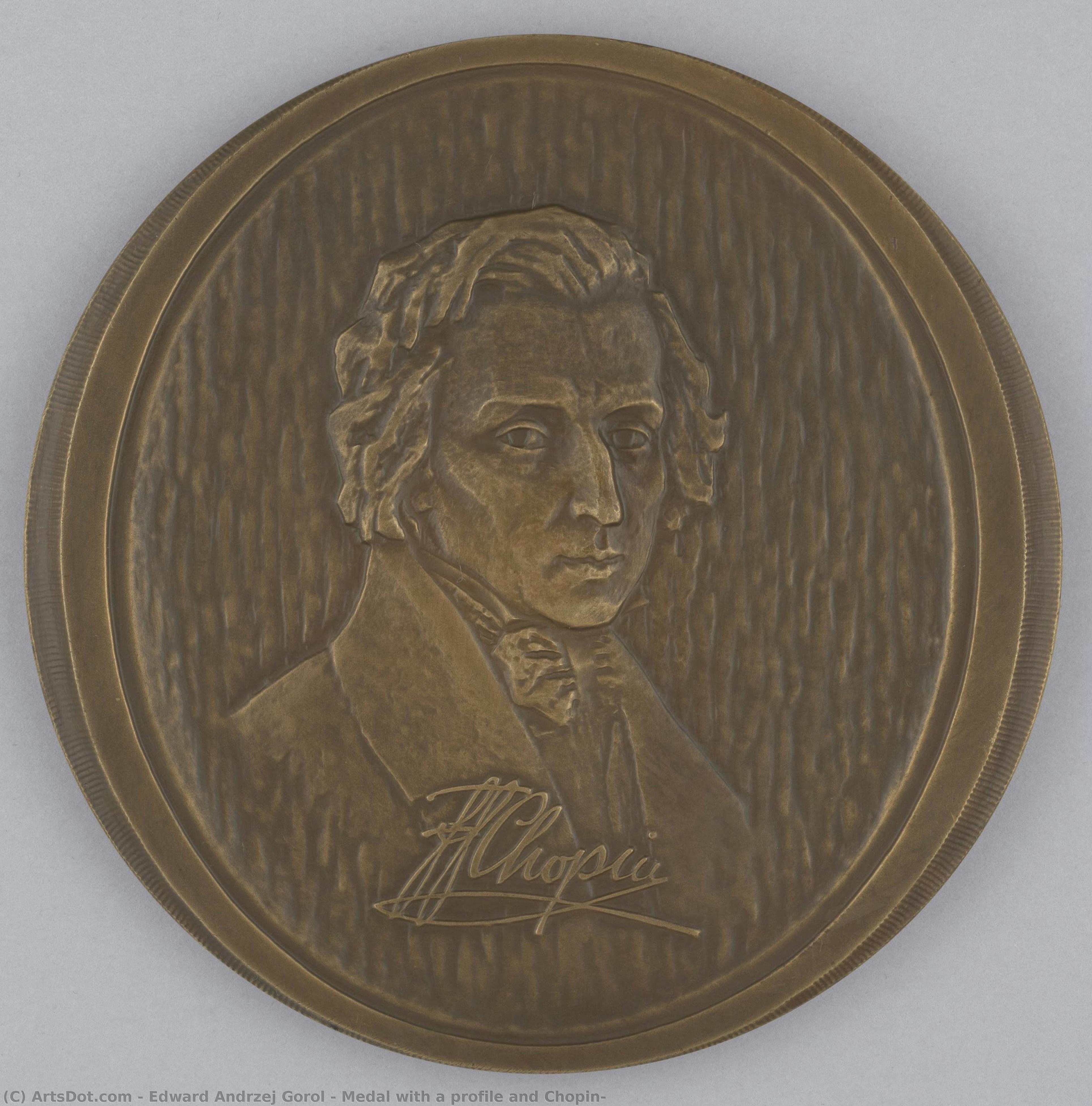
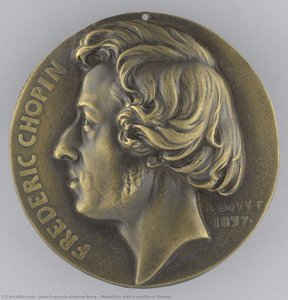
Medal with a profile and Chopin


 Pročitaj više
Ručno rađena uljana reprodukcija
Ručno oslikano uljanim bojama na platnu u dimenzijama i okviru po vašem izboru, izrađeno po porudžbini od strane naših umetnika. ( Kupi print Kupi digitalnu sliku)




































Izaberite jednu od naših unapred definisanih veličina koje odgovaraju originalnim proporcijama umetničkog dela.

Можете унети сопствене димензије како бисте прилагодили дело одређеном оквиру или простору. Ако одабрана величина не одговара пропорцијама оригинала, слика ће бити исечена или проширена додатним елементима који се ручно насликавају. Дигитални prikaz ће вам бити послат на одобрење пре почетка производње.
Имајте на уму да преглед на екрану не одражава стварно исецање или проширење. Само приказ (mockup) ће тачно приказати коначну композицију.
Иако су доступне прилагођене величине, препоручујемо да одаберете димензију из дефинисане листе како бисте сачували оригиналне пропорције.
Nakon narudžbine, tim ArtsDot.com će klijentu putem e-pošte poslati uputstva i dostaviti prikaz predloženog rešenja
Isporuka širom sveta () za 3/4 nedelje umesto uobičajenih 5 nedelja. (6 септембар). Bez kompromisa po pitanju kvaliteta.

Besplatna ekspresna dostava širom sveta

Visokokvalitetno laneno platno

Kompletno osiguranje transporta

Garancija povraćaja carine i uvoznih dažbina

Garancija vernosti boja

Politika povrata u roku od 100 dana (samo u slučaju nedostataka)

Garancija povrata novca od 100%

Popust pri grupnoj kupovini
 Opcija sa staklom dostupna je samo za dimenzije manje od 110 cm

Medal with a profile and Chopin
Tehnika reprodukcije
Dimenzije reprodukcije
-


Konačna cena
$ 263
A Testament to Genius: Edward Andrzej Gorol’s Medal with Chopin
Edward Andrzej Gorol's "Medal with a Profile and Chopin" stands as a poignant emblem of Polish artistic heritage—a meticulously crafted bronze sculpture that transcends mere commemoration, delving into the profound connection between music and sculptural artistry. Created in 2003 by the esteemed sculptor, this piece embodies Gorol’s signature style: an unwavering dedication to capturing the essence of historical figures through textured metalwork, reflecting a deep appreciation for both artistic form and intellectual contemplation.- Subject Matter & Historical Context: The medal honors Fryderyk Chopin (1810-1849), Poland’s internationally acclaimed composer, symbolizing not only his musical prowess but also the nation's enduring spirit of resilience and cultural pride—a sentiment powerfully conveyed during Gorol’s lifetime amidst shifting political landscapes.
- Style & Technique: Gorol’s approach aligns with a realist tradition, prioritizing accuracy in portraying Chopin’s likeness while simultaneously imbuing the sculpture with expressive qualities. The bronze casting process itself is crucial; it demands considerable skill and patience to transform molten metal into a durable form capable of capturing subtle nuances of facial expression and texture.
- Composition & Visual Elements: Symmetry dominates the artwork's visual arrangement, mirroring Chopin’s dignified posture and emphasizing the centrality of his portrait within a circular frame—a deliberate choice that lends formality and completeness to the composition. Fine lines delineate Chopin’s features, meticulously rendered to convey depth and realism.
- Material & Texture: Bronze—chosen for its permanence and ability to retain surface detail—provides a rich textural experience. The sculpture's patina develops over time, subtly altering its appearance and deepening its connection to the artistic process itself.
- Symbolism & Emotional Impact: Beyond representing Chopin’s physical presence, the medal symbolizes intellectual achievement and artistic legacy. Gorol’s masterful execution evokes feelings of reverence for Chopin’s contribution to music history and celebrates the enduring power of art to inspire contemplation and remembrance.
Srodna umetnička dela
Biografija umetnika
A Life Forged in Steel: The Artistic Journey of Edward Andrzej Gorol
Edward Andrzej Gorol, born on July 23, 1930, in Mikołów, Poland, was more than just a sculptor and medalist; he was a chronicler of Polish identity cast in iron and steel. His life story is inextricably linked to the tumultuous history of his nation, and his art served as both a testament to its resilience and a celebration of its cultural heritage. Gorol’s early years were profoundly shaped by two seemingly disparate influences: the melodic world of music, thanks to his mother Agnieszka, a pianist who provided musical accompaniment for silent films, and the raw power of industry, introduced by his father Fryderyk, who worked in a steel factory. This duality – the ethereal beauty of sound and the tangible strength of metal – would become the defining characteristic of his artistic vision. The rhythmic clang of hammers and the fiery spectacle of molten steel ignited a fascination within young Edward, laying the foundation for his future mastery of these materials. He found himself captivated by the transformative process, witnessing how base elements could be molded into enduring forms.From Kraków to Warsaw: Cultivating a Sculptor’s Vision
Gorol's formal artistic education began in 1947 at the Liceum Sztuk Plastycznych (School of Fine Arts) in Katowice, where his innate drawing talent was nurtured. He then pursued studies at the Academy of Fine Arts in Kraków under the tutelage of Professor Ksawery Dunikowski, a prominent figure in Polish sculpture. Continuing his education in Warsaw, he completed his degree at the Faculty of Sculpture in 1954, specializing in medal-making under Professor Józef Aümiller. It was during these formative years that Gorol honed his technical skills and began to develop a distinctive style characterized by its classical portraiture and masterful embossing techniques. His 1955 diploma work, focused on medallic art, signaled the emergence of a unique artistic voice. Following graduation, he took on the role of organizer and curator of the Numismatic Museum at the State Mint in Warsaw until 1959, immersing himself in the history and artistry of coinage and medals – an experience that would profoundly influence his later work. This period also saw him receive recognition for his designs of state decorations, including the prestigious Order of a Smile awarded by children, demonstrating his ability to connect with audiences on multiple levels.The Art of Remembrance: State Decorations and Historical Narratives
Edward Gorol’s most significant contribution lies in his creation of numerous Polish state and military decorations. These were not merely symbolic emblems; they were meticulously crafted narratives that embodied the nation's struggles, triumphs, and values. He approached each commission with a deep sense of responsibility, understanding that these objects would serve as tangible representations of Poland’s collective memory. His medals often depicted historical figures and events, rendered with striking realism and emotional depth. Gorol didn’t simply recreate images; he sought to capture the essence of his subjects – their courage, sacrifice, and unwavering dedication to their country. The use of iron and steel was deliberate, reflecting both the strength of the Polish spirit and the industrial heritage that had shaped his own artistic journey. He skillfully manipulated these materials to create textures and forms that evoked a sense of weight, permanence, and solemnity.Music as Inspiration: A Harmonious Blend of Art Forms
Throughout his career, Gorol remained deeply connected to music, often listening intently while working in his studio. This passion permeated his art, influencing the rhythm, composition, and emotional resonance of his sculptures and medals. He believed that music provided a framework for understanding form and space, allowing him to create works that were not only visually compelling but also emotionally evocative. While specific musical influences are difficult to pinpoint, it’s clear that Gorol sought to translate the principles of harmony, balance, and movement into his artistic practice. His sculptures often possess a lyrical quality, suggesting a sense of flow and dynamism. The choice of materials – iron and steel – further enhanced this connection, as these metals can be manipulated to produce sounds when struck or shaped, creating an auditory dimension that complemented the visual experience.Legacy in Metal: A Lasting Impact on Polish Art
Edward Andrzej Gorol passed away on January 10, 2003, leaving behind a rich and enduring legacy. His sculptures and medals are held in numerous public and private collections throughout Poland and beyond, serving as powerful reminders of his artistic vision and unwavering commitment to preserving Polish history and culture. He is remembered not only for his technical mastery but also for his ability to imbue his works with profound emotional depth and symbolic meaning. Gorol’s influence can be seen in the work of contemporary Polish sculptors who continue to explore the expressive potential of metal, pushing the boundaries of form and technique while honoring the traditions he helped establish. His art stands as a testament to the power of creativity to transcend political boundaries and connect generations through shared stories and enduring values.
edward andrzej gorol
1930 - 2003 , Poland
Osnovne informacije
- Artistic Movement Or Style: Sculpture, Medalist
- Artists Who Influenced This Artist:
- Ksawery Dunikowski
- Józef Aümiller
- Date Of Birth: July 23, 1930
- Date Of Death: January 10, 2003
- Full Name: Edward Andrzej Gorol
- Nationality: Polish
- Notable Artworks:
- Medal with Chopin
- State decorations
- Military decorations
- Place Of Birth: Mikołów, Poland
Povezani članci

Bronze Age to Modern Masters: 10 Sculptures That Redefined Art | ArtsDot
Journey through art history with 10 legendary bronze sculptures – from Michelangelo's David to Rodin’s Thinker. Explore the stories, techniques & timeless beauty of these masterpieces. Find museum-quality reproductions & elevate your home decor on ArtsDot.com.

Bronze Sculptures That Defined Art History | ArtsDot
Journey through art history with our Top 10 bronze sculptures! Explore masterpieces by Rodin, Michelangelo & more. Discover stories behind iconic statues and find museum-quality reproductions for your home decor at ArtsDot.com.
The Enduring Legacy of Bronze: A Historical & Artistic Exploration for the Collector
Explore the rich history & enduring appeal of bronze sculpture with expert insights for collectors at ArtsDot. Learn about casting techniques, iconic artists, collecting tips & contemporary interpretations.
The Enduring Legacy of Bronze: History, Technique & Artistic Expression for the Collector
Explore the rich history & enduring appeal of bronze sculpture with expert insights for collectors at ArtsDot. Learn about casting techniques, iconic artists, and collecting tips.
The Enduring Legacy of Bronze Sculpture: A Collector's Guide to Form & Cultural Significance
Explore the rich history & enduring appeal of bronze sculpture with expert insights for collectors at ArtsDot. Learn about casting techniques, iconic artists, and collecting tips to build a discerning art collection.