

 Pregledaj u prostoru
 Pošalji
 Podeli
 Detalji o delu

 Преузми
 Slični predmeti
 Rendgenski snimak
 Slajdovi
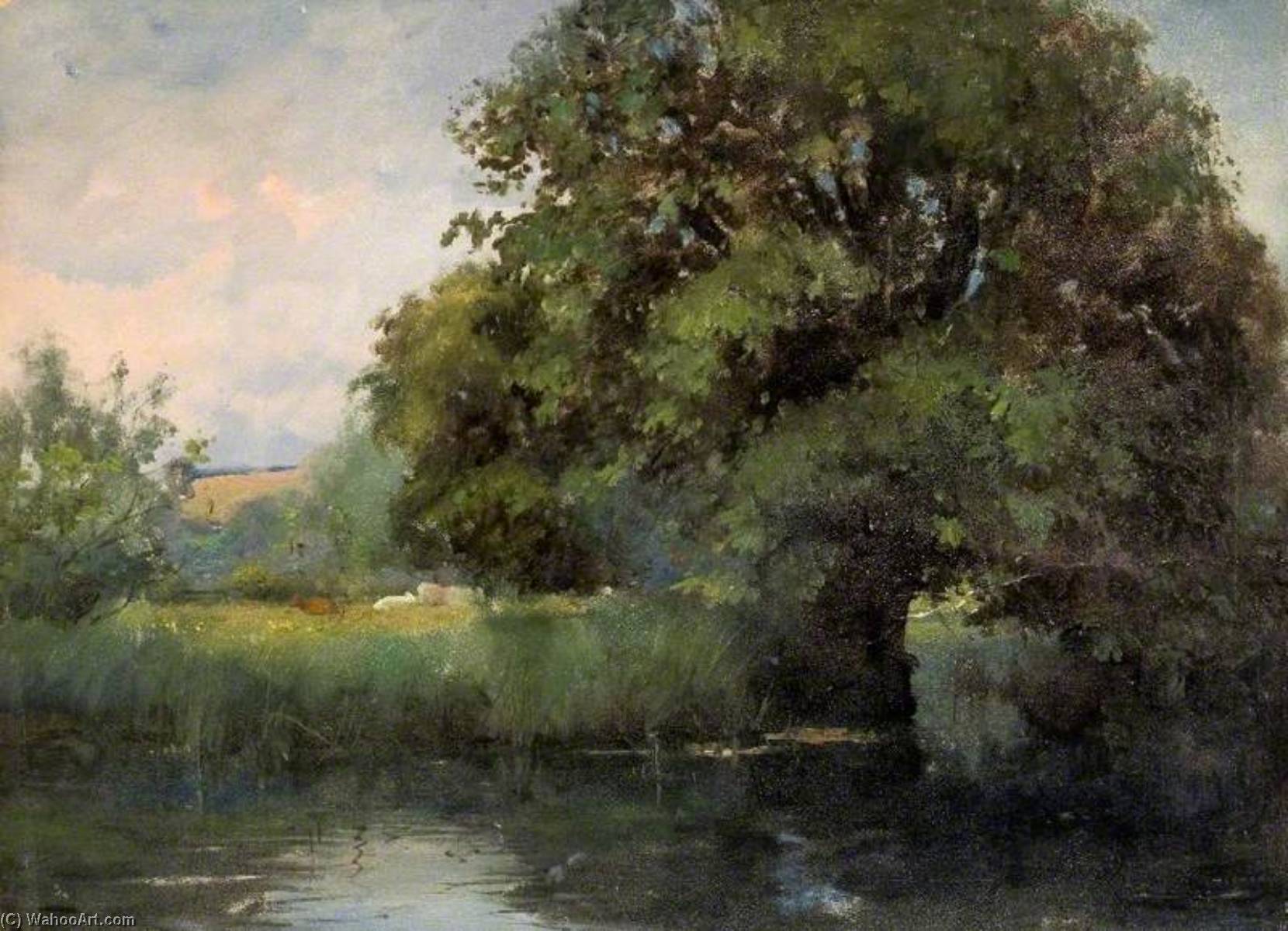
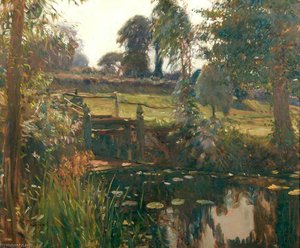
Old Chestnut Tree, Molewood Meadow, Hertfordshire
 Oil On Canvas
- WallArt
 19th Century
 26.0 x 35.0 cm
 Pročitaj više
Giclee štampa / Umetnički otisak
Giclée štampa ili print na platnu muzejskog kvaliteta uz brzu proizvodnju i fleksibilne opcije završne obrade. ( Kupi ručno naslikanu sliku Kupi digitalnu sliku)




P118B $10

P118H $10

P118W $10

P438Z $10

P508JH $12

P508YH $12

P805H $10

P805Z $10

P919BZ $10

P919G $10

P919XJ $10

P959ZH $10

P968JZ $12

W106C $8

W218G $10

W218JH $8

W218Y $10

W307PJ $10

W316G $10

W316PJ $8

W316Y $10

W398PJ $8

W4111J $10

W500HY $15

W500JH $15

W692G $12

W849H $8

W940BG $15

W953PJ $8




Izaberite jednu od naših unapred definisanih veličina koje odgovaraju originalnim proporcijama umetničkog dela.

Možete uneti sopstvene dimenzije kako biste umetničko delo prilagodili specifičnom okviru ili prostoru. Ako odabrani format ne odgovara proporcijama originalne slike, mi ćemo ili iscrtati deo dela ili proširiti sliku pomoću ogledane ivice ili jednobojnog popunjavanja. Digitalni prikaz će vam biti poslat na odobrenje pre početka proizvodnje.
Imajte na umu da pregled na ekranu ne odražava stvarno iscrtavanje ili proširivanje. Samo će prikaz (mockup) precizno pokazati finalnu kompoziciju.
Iako su prilagođene dimenzije dostupne, preporučujemo da odaberete dimenziju sa unapred definisane liste kako biste očuvali originalne proporcije.
Dostava širom sveta () za 2 nedelje umesto uobičajenih 4/5 nedelja. (24 август)

Besplatna ekspresna dostava širom sveta

Visokokvalitetno laneno platno

Kompletno osiguranje transporta

Garancija povraćaja carine i uvoznih dažbina

Garancija vernosti boja

Politika povrata u roku od 60 dana (samo u slučaju nedostataka)

Garancija povrata novca od 100%

Popust pri grupnoj kupovini
 Opcija sa staklom dostupna je samo za dimenzije manje od 110 cm

Old Chestnut Tree, Molewood Meadow, Hertfordshire
Giclee štampa / Umetnički otisak
Dimenzije reprodukcije
-


Konačna cena
$ 62
Opis predmeta
A Timeless Vision: Old Chestnut Tree, Molewood Meadow
Edward Archibald Brown’s “Old Chestnut Tree, Molewood Meadow” is more than just a depiction of a rural scene; it's a masterful meditation on light, texture, and the enduring spirit of nature. Painted around 1900, this work exemplifies Brown’s signature style – characterized by meticulous detail, a deep understanding of atmospheric perspective, and an almost palpable sense of tranquility. The painting immediately draws the viewer into a serene meadow dominated by a colossal chestnut tree, its branches reaching skyward like ancient arms. The muted palette of greens, browns, and greys, expertly rendered in oil paint, evokes a feeling of quiet contemplation and timelessness – a sentiment deeply rooted in the artistic currents of the Pre-Raphaelite movement.
Pre-Raphaelite Influences & Photographic Precision
Brown’s artistic journey was profoundly shaped by his apprenticeship with Francis Hadow, a pioneering photographer. This formative experience instilled within him a remarkable sensitivity to detail and an acute awareness of tonal manipulation – techniques directly borrowed from the photographic world. Notice how Brown meticulously renders the dappled light filtering through the leaves, mimicking the effect of photographic exposure and shadow. The precise rendering of textures – the rough bark of the tree, the soft blades of grass, the reflective surface of the distant water – speaks to this influence. This isn't simply a painter’s observation; it’s a carefully constructed illusion of reality, echoing the scientific approach championed by Hadow.
Symbolism & The Language of Nature
The chestnut tree itself is rich in symbolic meaning. Historically, chestnut trees have represented strength, longevity, and wisdom – qualities often associated with ancient forests and rural life. The two birds perched within the scene further amplify this symbolism; they represent freedom, hope, and a connection to the natural world. The tranquil body of water acts as a mirror, reflecting the sky and blurring the boundaries between earth and heaven. The composition deliberately avoids dramatic action or overt narrative, instead inviting the viewer to lose themselves in the quiet beauty of the landscape – a common theme within Pre-Raphaelite art that sought to elevate the ordinary to the realm of the sublime.
A Legacy of Light & Atmosphere
“Old Chestnut Tree, Molewood Meadow” stands as a testament to Edward Archibald Brown’s artistic skill and his profound connection to the English countryside. Measuring 26 x 35 cm, this intimate scale allows for an intensely personal viewing experience, drawing you into the heart of the scene. This hand-painted reproduction captures not just the visual elements of the original but also the very *feeling* – the stillness, the light, and the sense of timeless beauty that made Brown’s work so enduringly captivating. It's a piece perfect for adding a touch of rustic elegance to any interior space, or for art collectors seeking a truly exceptional example of Pre-Raphaelite landscape painting.
Srodna umetnička dela






Biografija umetnika
Edward Archibald Brown: Weaver of Light and Shadow
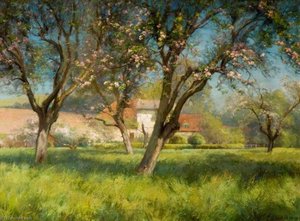
Edward Archibald Brown, a name perhaps less instantly recognizable than some of his Pre-Raphaelite contemporaries, nevertheless possessed a singular vision – one deeply rooted in the evocative landscapes of England and imbued with a profound understanding of light and color. Born in 1866 in London, Brown’s artistic journey was shaped by a meticulous apprenticeship under the renowned photographer Francis Hadow, an experience that fundamentally altered his approach to seeing and representing the world. This early exposure to photographic techniques – particularly the careful manipulation of tones and textures – instilled in him a remarkable sensitivity to detail and a desire to capture fleeting moments of atmospheric effect.
Brown’s artistic development unfolded gradually, initially exploring watercolor landscapes before gravitating towards oil painting. His formative years were spent absorbing the influence of the Pre-Raphaelite Brotherhood, though he never fully embraced their overtly romantic or mythological themes. Instead, he found his strength in depicting the quiet beauty of the English countryside – the rolling hills of Cornwall, the misty moors of Yorkshire, and the serene shores of Dorset. He was particularly drawn to scenes of rural life, capturing the rhythms of daily existence with a remarkable degree of realism and emotional resonance.
The Language of Light
What distinguishes Brown’s work is his masterful manipulation of light. He wasn't simply aiming for accurate representation; he sought to convey the *feeling* of light – its warmth, its coolness, its ability to transform a scene with subtle shifts in hue and tone. This is most evident in paintings like “Stormy Evening” (1903) and “Lock Keeper Cottage” (1907), both iconic works that exemplify his unique style. He employed a broken color technique, layering thin washes of paint to build up complex gradations of light and shadow. His brushstrokes were often loose and expressive, creating a sense of movement and atmosphere. He studied the effects of weather with an almost scientific precision, meticulously observing how sunlight filtered through clouds or reflected off water surfaces.
Brown’s technical skill was further enhanced by his understanding of color theory. He wasn't afraid to use unexpected combinations – vibrant blues against muted greens, fiery oranges against somber browns – to create a sense of visual drama and emotional intensity. His palette was often restrained, favoring subtle harmonies rather than bold contrasts, yet within this restraint lay a remarkable power to evoke mood and atmosphere.
Influences and Artistic Connections
While Brown’s work is firmly rooted in the Pre-Raphaelite tradition, he also drew inspiration from other sources. The landscapes of J.M.W. Turner, with their atmospheric effects and emphasis on light, were undoubtedly a significant influence. He was also fascinated by the works of Constable, particularly his depictions of rural England. Furthermore, Brown’s time spent working as a photographer informed his approach to painting, encouraging him to see the world in terms of shapes, tones, and textures.
He maintained close friendships with several prominent artists of his era, including William Denselow and Frank Bramley. These artistic connections provided opportunities for mutual inspiration and critique, contributing to the vibrant cultural landscape of late Victorian England. His work was exhibited regularly at the Royal Academy and other prestigious galleries, gaining him a modest but loyal following.
Major Achievements and Legacy
Brown’s most celebrated works include “Stormy Evening,” “Lock Keeper Cottage,” and his series of paintings depicting the Cornish coast. These landscapes are characterized by their atmospheric depth, their subtle color harmonies, and their evocative portrayal of rural life. While he never achieved widespread fame during his lifetime, Brown's work is now recognized as a significant contribution to British landscape painting. His meticulous observation, his masterful manipulation of light, and his quiet sensitivity have secured him a place among the most accomplished artists of the Pre-Raphaelite era.
His legacy lies not in grand pronouncements or revolutionary innovations, but rather in the enduring beauty and emotional resonance of his paintings – works that invite viewers to pause, reflect, and connect with the quiet wonders of the English countryside. Edward Archibald Brown’s art is a testament to the power of observation, the importance of light, and the timeless appeal of simple beauty.
edward archibald brown
1866 - 1935
Osnovne informacije
- Artistic Movement Or Style: Pre-Raphaelite
- Artists Or Movements Influenced By This Artist: ['Pre-Raphaelites']
- Artists Who Influenced This Artist: ['Burne-Jones']
- Date Of Birth: 1866
- Date Of Death: 1935
- Full Name: Edward Archibald Brown
- Nationality: British
- Notable Artworks:
- Stormy Evening
- Lock Keeper Cottage
- Place Of Birth: London, England
Povezani članci

The Enduring Legacy of Oil on Canvas: Technique, History & Aesthetic Impact
Explore the rich history & techniques of oil painting – from Renaissance masters to Impressionism. Discover pigments, layering methods, and why this timeless medium endures. Expert insights for artists & art enthusiasts.

Oil on Canvas: A Historical & Technical Exploration of a Timeless Artistic Medium
Explore the rich history & enduring techniques of oil painting on canvas. Discover the science behind its longevity, conservation practices, and contemporary relevance. Expert insights for art enthusiasts.

The Enduring Power of Painting: A Historical & Contemporary Exploration of Form and Emotion
Explore the rich history & enduring techniques of oil painting with ArtsDot. Discover masterpieces, learn about art collecting, and find authentic handmade reproductions crafted by skilled artists.

Trajnu Ostavština Uljanih Boja na Platnu: Tehnika, Istorija i Savremena Praksa
Istražite bogatu istoriju i savremene tehnike uljanog slikarstva. Saveti stručnjaka, analiza radova velikih majstora i vodiči za biranje kvalitetnih materijala. Otkrijte tajne očuvanja umetničkih dela!
Oil on Board Masters: 10 Paintings That Redefined Art | ArtsDot
Explore 10 legendary 'Oil on Board' masterpieces by Van Gogh, Monet & more! Discover art history, iconic styles like Impressionism, and find museum-quality reproductions to elevate your home decor. Explore the full collection online at ArtsDot.com.

