

 Pregledaj u prostoru
 Pošalji
 Podeli
 Detalji o delu

 Преузми
 Slični predmeti
 Rendgenski snimak
 Slajdovi
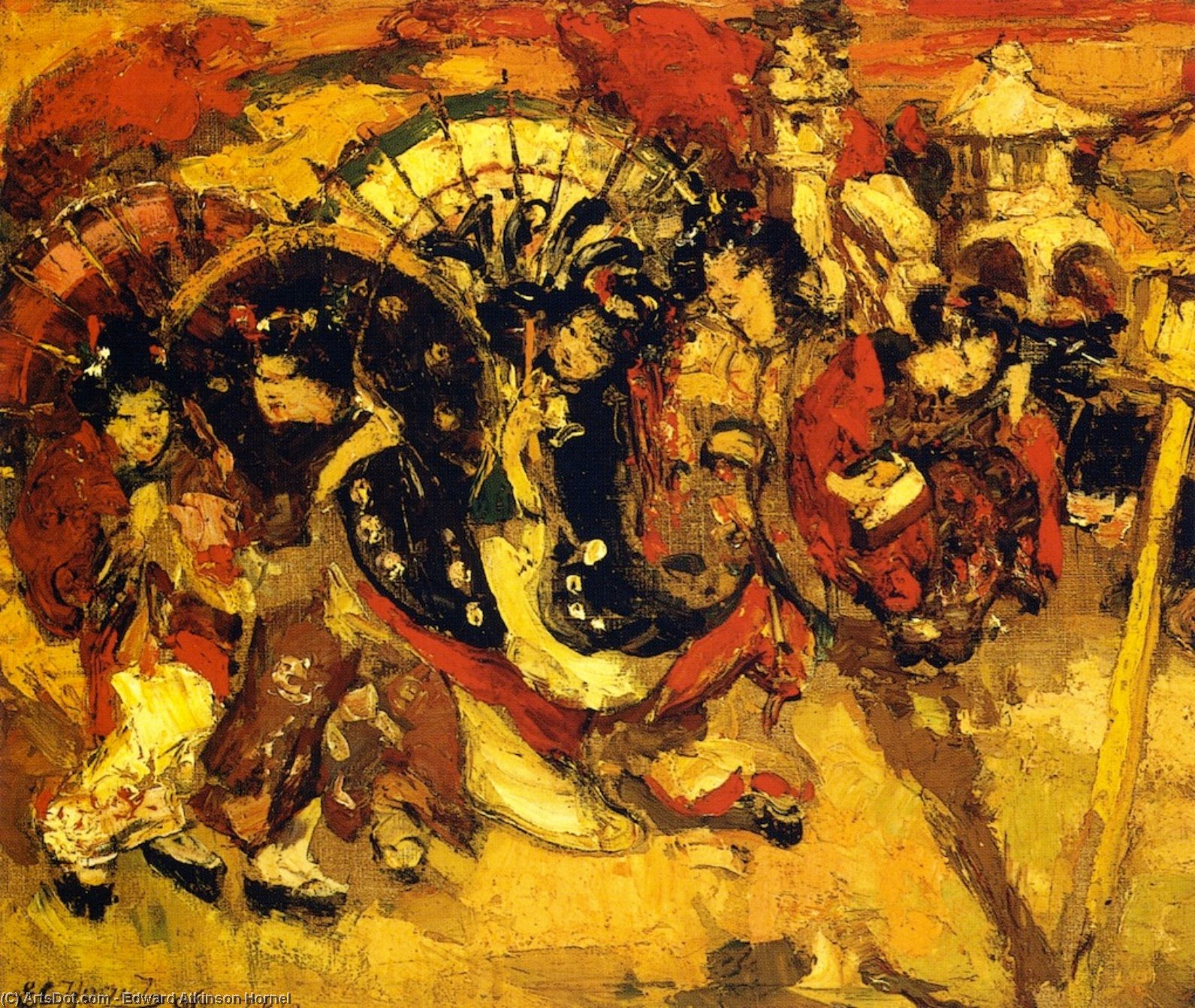
Japanese Figures in a Garden


 Pročitaj više
Kupite digitalnu sliku visoke rezolucije i poboljšanog kvaliteta, koja je znatno superiornija od onoga što vidite u online prikazu.
Svaka datoteka je pedantno pripremljena od strane naših stručnjaka koristeći napredne alate i profesionalnu ručnu retušu. Osiguravamo da svaka slika ima izuzetnu oštrinu, preciznu reprodukciju boja i fine detalje.
Konačna datoteka se dostavlja putem e-pošte u roku od 72 sata, optimizovana za neposrednu upotrebu u profesionalnim, izdavačkim i štamparskim okruženjima. To je isti kvalitet kojem veruju vrhunski studiji dizajna, izdavači i galerije.
Digitalna slika
Preuzmite datoteku visoke rezolucije za ličnu upotrebu, štampanje i kreativne projekte. ( Kupi print Kupi ručno naslikanu sliku)
Uključeno uz svaku porudžbinu digitalne slike
Profesionalna digitalna isporuka, zagarantovana
Kada odaberete ArtsDot.com, ne dobijate samo sliku – vi primate profesionalno unapređeno digitalno umetničko delo, izrađeno sa najvećom preciznošću i uz garanciju zadovoljstva. Evo svega što automatski dolazi uz vašu porudžbinu:

Brza dostava putem e-pošte
Vaša digitalna slika visoke rezolucije biće vam poslata putem e-pošte u roku od 72 sata od poručivanja – spremna za trenutnu upotrebu.

Digitalna datoteka unapređena veštačkom inteligencijom
Vaše umetničko delo je profesionalno optimizovano korišćenjem naprednih AI alata i ručne obrade, čime se osiguravaju maksimalni detalji, oštrina i preciznost boja.

Besplatna ponovna isporuka doživotno
Slučajno ste obrisali ili izgubili svoju datoteku? Ne brinite – poslaćemo vam je ponovo u bilo kom trenutku, potpuno besplatno.

Bez troškova uvoza – zauvek
Uživajte u svojim umetničkim delima trenutno, bez carine, dažbina ili troškova dostave – digitalni download je uvek bez poreza.

Garancija vernosti boja
Uz pomoć profesionalnih alata i upravljanja bojama, osiguravamo da vaša digitalna slika što vernije odražava originalne boje.

Garancija zadovoljstva u roku od 60 dana
Ako niste zadovoljni svojom digitalnom slikom, revidirat ćemo je ili vratiti 100% novca u roku od 60 dana – bez ikakvih pitanja.

100% garancija povrata novca
Niste zadovoljni? Obezbedite pun povrat novca u roku od 60 dana od trenutka kada ste primili svoju digitalnu datoteku – bez suvišnih pitanja.

Popusti na velike porudžbine
Kupite 3 slike, uštedite 10% - Kupite 5 slika, uštedite 15% - Kupite 10+ slika, uštedite 20%. Odlično za kreativne projekte, galerije i agencije.
Opis kolekcionarskog dela
The Artist and His Style
Edward Atkinson Hornel was a Scottish painter who was known for his beautiful and delicate depictions of landscapes and figures. His style is characterized by the use of soft colors and gentle brushstrokes, which gives his paintings a sense of serenity and calmness. In Japanese Figures in a Garden, Hornel's style is evident in the way he captures the beauty of the natural world and the people in it.The Painting
The painting depicts a group of people in a garden setting, surrounded by beautiful trees and flowers. The figures are dressed in traditional Japanese clothing and are engaged in various activities, such as playing music and enjoying tea. The painting is full of intricate details and subtle colors, which gives it a sense of depth and complexity. Key Features of the painting include:- The use of soft colors and gentle brushstrokes to create a sense of serenity and calmness
- The depiction of traditional Japanese clothing and activities
- The intricate details and subtle colors used to create a sense of depth and complexity
Reproductions and Prints
For those who are interested in owning a piece of this beautiful painting, ArtsDot.com offers high-quality reproductions and prints on canvas. These reproductions are made using the latest technology and are available in a range of sizes to suit any space.The Museum Sudbury Town Hall is also a great resource for those who want to learn more about the painting and its history. With its extensive collection of artworks, including paintings by Edward Atkinson Hornel, the museum is a must-visit for art lovers.
In conclusion, Japanese Figures in a Garden by Edward Atkinson Hornel is a captivating painting that showcases the artist's unique style and skill. With its beautiful depiction of a garden setting and intricate details, this painting is a must-see for anyone who loves art.
Srodna umetnička dela
Biografija umetnika
The Vibrant Legacy of Edward Atkinson Hornel
Edward Atkinson Hornel stands as a luminous figure in the tapestry of late Victorian and early twentieth-century Scottish art, a painter whose brush captured the delicate intersection of nature and culture. Though his journey began in Bacchus Marsh, Victoria, Australia, his soul was deeply rooted in the rugged beauty of Scotland. Following his family's return to Kirkcudbright in 1866, Hornel’s artistic identity began to coalesce through rigorous formal training at the Edinburgh Art School and later in Antwerp under the guidance of Professor Verlat. This foundational period instilled in him a profound respect for botanical precision and the structural integrity of landscape, elements that would remain central even as his style evolved toward the more experimental and atmospheric.
Upon returning to Scotland in 1885, Hornel found a kindred spirit in George Henry, a partnership that would become a cornerstone of the influential Glasgow Boys movement. Together, they sought to break away from the stale academic traditions of the era, favoring instead a bold, expressive approach to color and texture. Their collaborative masterpiece, “Druids Bringing In The Mistletoe” (1890), serves as a testament to this period of radical experimentation. In this work, Hornel demonstrated an extraordinary mastery over the paint surface itself, utilizing techniques such as layering, scraping, roughening, and staining to create a tactile, rhythmic quality that prioritized emotional resonance and expressive effect over mere photographic accuracy.
The Influence of Japonisme and Aesthetic Refinement
A transformative epoch in Hornel’s career arrived between 1893 and 1894, when he and Henry embarked on a journey to Japan. This immersion into Japanese culture acted as a profound catalyst, reshaping his artistic sensibilities through the lens of Japonisme. The principles of decorative design, flattened spatial arrangements, and the poetic use of negative space found in Japanese prints began to permeate his canvases. His work transitioned from the heavy textures of his earlier years toward a more refined, atmospheric aesthetic characterized by harmonious color palettes and a nuanced approach to drawing.
This period of refinement is beautifully captured in works such as “Japanese Figures in a Garden” (1896) and “Dancing Geisha.” In these paintings, the artist moves beyond simple representation to evoke a sense of serene, fleeting beauty. He masterfully employs soft colors and gentle brushstrokes to depict traditional Japanese attire and tranquil garden settings, creating scenes that feel both intimate and otherworldly. The influence of the East allowed Hornel to blend the lushness of the Scottish landscape with a sophisticated, decorative elegance, making his work uniquely recognizable within the broader Impressionist movement.
A Life Immersed in Art and Heritage
Hornel’s commitment to his craft was matched by his devotion to his home and community. His residence, Broughton House in Kirkcudbright, became more than just a dwelling; it was a sanctuary where architecture and aesthetic passion were inextricably linked. Having remodeled the townhouse in 1901, he lived within a space that reflected his own artistic evolution—a blend of Victorian grandeur and personal, decorative flair. Despite his growing fame, Hornel remained a dedicated member of the Glasgow Art Club, choosing to exhibit there annually rather than seeking the formal validation of the Royal Scottish Academy.
The historical significance of Edward Atkinson Hornel lies in his ability to bridge the gap between traditional landscape painting and the modern, decorative impulses of the early twentieth century. His legacy is defined by several key artistic contributions:
- Textural Innovation: The pioneering use of manipulation techniques like scraping and staining to create expressive, tactile surfaces.
- Cultural Synthesis: The seamless integration of Japanese aesthetic principles—such as spatial arrangement and color harmony—into the Scottish landscape tradition.
- The Glasgow Boys Movement: His role in revitalizing Scottish art by moving away from academic realism toward a more vibrant, impressionistic vision.
- Botanical Sensibility: A lifelong dedication to capturing the intricate beauty of flora and foliage with both scientific detail and poetic grace.
Through his evocative depictions of gardens, flowers, and figures, Hornel left behind a body of work that continues to enchant viewers with its sense of peace, movement, and enduring beauty.
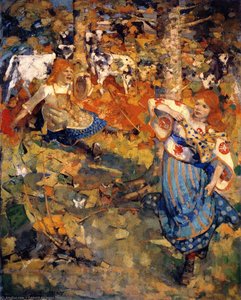
Edward Atkinson Hornel
1864 - 1933 , Australia
Kratke činjenice
- Artistic Movement Or Style: Glasgow Boys
- Artists Or Movements Influenced By This Artist:
- Impressionism
- Japonisme
- Artists Who Influenced This Artist:
- James Hornell
- George Henry
- Date Of Birth: 1864
- Full Name: Edward Atkinson Hornel
- Nationality: Scottish
- Notable Artworks:
- Japanese Figures in a Garden
- Dancing Geisha
- Place Of Birth: Kirkcudbright, Scotland

