

 Pregledaj u prostoru
 Pošalji
 Podeli
 Detalji o delu

 Преузми
 Slični predmeti
 Rendgenski snimak
 Slajdovi
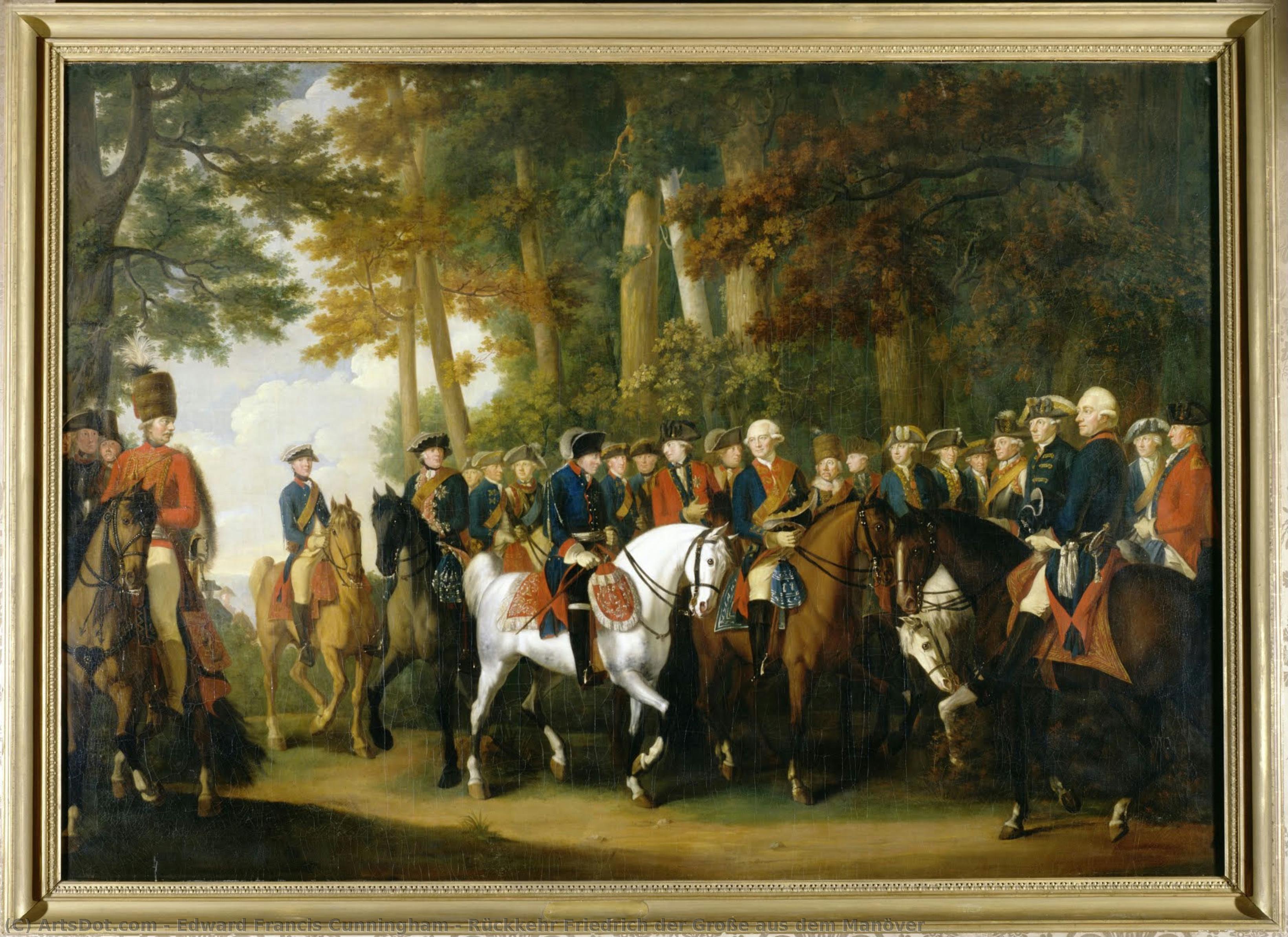
Rückkehr Friedrich der Große aus dem Manöver
 Oil On Canvas
- WallArt
- Baroque
 1784
1784- Early Modern
 170.0 x 243.0 cm
 Dvorac Sanssuci
 Pročitaj više
Giclee štampa / Umetnički otisak
Giclée štampa ili print na platnu muzejskog kvaliteta uz brzu proizvodnju i fleksibilne opcije završne obrade. ( Kupi ručno naslikanu sliku Kupi digitalnu sliku)




P118B $10

P118H $10

P118W $10

P438Z $10

P508JH $12

P508YH $12

P805H $10

P805Z $10

P919BZ $10

P919G $10

P919XJ $10

P959ZH $10

P968JZ $12

W106C $8

W218G $10

W218JH $8

W218Y $10

W307PJ $10

W316G $10

W316PJ $8

W316Y $10

W398PJ $8

W4111J $10

W500HY $15

W500JH $15

W692G $12

W849H $8

W940BG $15

W953PJ $8




Izaberite jednu od naših unapred definisanih veličina koje odgovaraju originalnim proporcijama umetničkog dela.

Možete uneti sopstvene dimenzije kako biste umetničko delo prilagodili specifičnom okviru ili prostoru. Ako odabrani format ne odgovara proporcijama originalne slike, mi ćemo ili iscrtati deo dela ili proširiti sliku pomoću ogledane ivice ili jednobojnog popunjavanja. Digitalni prikaz će vam biti poslat na odobrenje pre početka proizvodnje.
Imajte na umu da pregled na ekranu ne odražava stvarno iscrtavanje ili proširivanje. Samo će prikaz (mockup) precizno pokazati finalnu kompoziciju.
Iako su prilagođene dimenzije dostupne, preporučujemo da odaberete dimenziju sa unapred definisane liste kako biste očuvali originalne proporcije.
Dostava širom sveta () za 2 nedelje umesto uobičajenih 4/5 nedelja. (2 септембар)

Besplatna ekspresna dostava širom sveta

Visokokvalitetno laneno platno

Kompletno osiguranje transporta

Garancija povraćaja carine i uvoznih dažbina

Garancija vernosti boja

Politika povrata u roku od 60 dana (samo u slučaju nedostataka)

Garancija povrata novca od 100%

Popust pri grupnoj kupovini
 Opcija sa staklom dostupna je samo za dimenzije manje od 110 cm

Rückkehr Friedrich der Große aus dem Manöver
Giclee štampa / Umetnički otisak
Dimenzije reprodukcije
-


Konačna cena
$ 62
A Grand Procession Through Time
In the sweeping expanse of Edward Francis Cunningham’s 1784 masterpiece, Rückkehr Friedrich der Große aus dem Manöver, the viewer is transported into the heart of a Prussian military triumph. This large-scale oil painting captures more than just a moment in history; it encapsulates the very essence of 18-century grandeur and the theatricality of the Baroque tradition. As the eye wanders across the canvas, one is immediately struck by the rhythmic movement of a cavalry procession winding through a dense, atmospheric forest. The composition is masterfully orchestrated, using the verticality of the ancient trees to frame a central group of riders whose presence commands the space with an undeniable sense of authority and purpose.
The scene is a symphony of light and shadow, where dramatic chiaroscuro effects breathe life into every figure and equine form. Cunningham employs a rich, deep palette—dominated by regal blues, crimson reds, and shimmering golds—to highlight the intricate details of the military uniforms and the polished textures of the horses' coats. The interplay of sunlight filtering through the thick canopy creates a dappled effect across the forest floor, adding a layer of natural dynamism to the structured formality of the parade. This contrast between the untamed wilderness and the disciplined military order evokes a profound sense of transition, as if the weight of history is moving through the quiet stillness of nature.
Technique and Artistic Mastery
For the discerning collector or interior designer, the technical brilliance of this work offers endless inspiration. Cunningham, a painter whose career spanned the great courts of Europe from Paris to Russia, demonstrates his profound command over oil on canvas through a sophisticated use of texture. The artist utilizes impasto techniques in specific areas—particularly within the highlights of the fabrics and the lush foliage—to build a physical volume that catches the light, lending the painting a three-dimensional quality. This tactile richness ensures that the artwork possesses a captivating presence when viewed from different angles.
The brushwork is both precise and expressive, defining the sharp lines of the riders' silhouettes while maintaining the soft, organic fluidity of the surrounding woods. The perspective, though slightly flattened in keeping with the late Baroque aesthetic, creates an immersive depth that draws the observer into the procession. Every stroke serves to reinforce the narrative of power and prestige, making this piece not merely a historical record, but a sensory experience. For those seeking to anchor a room with a sense of heritage and classical elegance, such a reproduction provides a sophisticated focal point that speaks of timelessness and cultural depth.
A Legacy of Power and Prestige
Beyond its aesthetic splendor, the painting serves as a symbolic window into the era of Frederick the Great. The military attire and the organized movement of the troops are potent symbols of sovereignty, strength, and the structured hierarchy of the Prussian state. The forest setting itself acts as a metaphor for the journey of leadership—a passage through the unknown toward a destined victory. This layer of historical storytelling adds an intellectual dimension to the artwork, making it a profound choice for spaces dedicated to reflection, study, or the celebration of history.
Owning a high-quality reproduction of this work allows one to bring the majesty of the 18th century into a contemporary setting. Whether placed in a grand hallway, a formal dining room, or a curated gallery wall, Rückkehr Friedrich der Große aus dem Manöver offers an unparalleled opportunity to surround oneself with the drama and dignity of the past. It is an investment in atmosphere, providing a window into a world where every movement was a performance and every landscape was a stage for greatness.
Srodna umetnička dela




Biografija umetnika
The Wandering Brush: The Life and Legacy of Edward Francis Cunningham
The life of Edward Francis Cunningham, a name often whispered alongside the moniker Calze, reads like a dramatic 18th-century novel, marked by aristocratic privilege, continental wanderlust, and ultimate tragedy. Born around 1742 in the quiet Scottish town of Kelso, Cunningham’s early years were shaped by political upheaval. Following his father's involvement in the Jacobite rising of 1745, the family was forced into exile on the European continent. This displacement, while born of necessity and fear, proved to be the catalyst for a profound artistic education. Moving through the great cultural hubs of Parma, Rome, Venice, and Paris, the young Cunningham absorbed the rich textures of the Italian Renaissance and the refined elegance of French portraiture, developing a technical prowess that would later define his career.
Cunningham’s journey was as much about personal fortune as it was about artistic refinement. Upon arriving in Paris, he unexpectedly inherited significant family estates, yet his life became a cautionary tale of extravagance and dissipation. The wealth that could have secured a lifetime of quiet study was instead squandered through improvident habits. Driven by the need to sustain his lifestyle, he followed the glamorous Duchess of Kingston to Russia, eventually finding stable employment within the Russian court. This period of his life allowed him to refine his skills in an environment of imperial splendor, where the demand for high-quality portraiture was immense. His subsequent move to Berlin further expanded his repertoire, as he established himself as a sought-after painter capable of capturing the dignity and character of the European elite.
Mastery of Form and the Art of Portraiture
As a portraitist, Cunningham possessed an extraordinary ability to marry meticulous detail with a vibrant, emotive use of color. His work is characterized by a certain luminous quality, where the textures of silk, lace, and skin are rendered with such precision that they seem to breathe upon the canvas. While he ventured into historical subjects, it was in the intimate realm of the portrait that his true genius resided. He did not merely record a likeness; he captured the psychological depth of his sitters, imbuing them with a sense of presence and permanence.
The technical evolution of his style can be traced through his movements across Europe:
- The Italian Influence: His time in Venice and Rome instilled in him a mastery of light and shadow, reminiscent of the great masters of the previous century.
- French Refinement: In Paris, he adopted a more sophisticated, polished approach to composition, suitable for the high fashion of the era.
- Imperial Grandeur: His service in Russia and Germany demanded a certain scale and opulence, which he achieved through bold brushwork and rich pigments.
A Tragic Conclusion and Enduring Significance
Despite his undeniable talent and the prestigious courts he served, Cunningham’s life ended in a manner far removed from the splendor of his early career. The financial instability that had shadowed his travels eventually led him to London, where he succumbed to poverty in 1795. It is a poignant irony that an artist who once moved within the highest circles of European nobility died in such destitution.
Yet, the legacy of Edward Francis Cunningham remains untarnished by his personal struggles. His contributions to the art of portraiture continue to be studied and admired, with significant works preserved in prestigious institutions such as the Scottish National Gallery of Modern Art in Edinburgh. Through these surviving canvases, we are able to glimpse the brilliance of a man whose life was a turbulent odyssey across a changing Europe, leaving behind a trail of beauty that transcends the hardships of his final years.
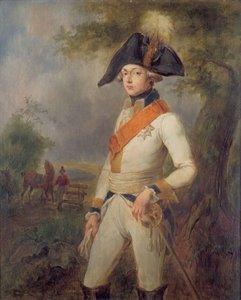
edward francis cunningham
1795 , United Kingdom
Osnovne informacije
- Artistic Movement Or Style: World Goes Pop
- Artists Or Movements Influenced By This Artist: ['']
- Artists Who Influenced This Artist: ['']
- Date Of Death: 1795
- Notable Artworks: ['Various works featured in The EY Exhibition: The World Goes Pop']
Povezani članci
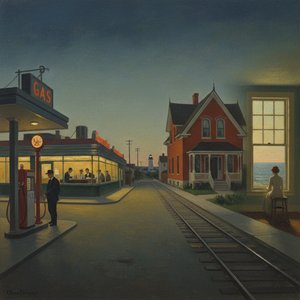
Edward Hopper: 25 Remek-dela Američkog Realizma za Vaš Dom | ArtsDot
Istražite 25 ремек-дела Edward Hopper-a! Otkrijte приче иза његових најпознатијих слика, симболизма америчког реализма и уметничке технике. Купите висококвалитетне репродукције на ArtsDot.com.

Барокна драма: Уношење величине и емоција у савремене ентеријере
Откријте барокну драму и унесите величину у ваш ентеријер! ArtsDot нуди ручно насликане репродукције, персонализоване портрете и стручне консултације за љубитеље класичне уметности. Потражите савршено дело већ данас!

The Dramatic Flourish: Exploring the Baroque Movement's Enduring Legacy in Art History
Explore the dramatic world of Baroque art! Discover iconic artists like Caravaggio & Rubens, defining techniques, and its lasting impact on art history. Expert insights for collectors & enthusiasts at ArtsDot.

Barok Majstor dela: Top 10 Umjetničkih Remeka za Vaš Dom
Otkrijte 10 remek dela koja su definisala baroknu umetnost! Karavagio, Bernini i više – istražite priče iza ovih ikoničnih slika. Inspiracija za vaš dom? Pogledajte kolekciju na ArtsDot.com!

The Visceral Stage: Exploring Dramatic Narratives & Emotional Intensity in Baroque Art
Explore the dramatic world of Baroque art! Discover iconic masters like Caravaggio & Rembrandt, their techniques, and the movement's lasting impact. Expert insights for collectors & enthusiasts at ArtsDot.

