

 Pregledaj u prostoru
 Pošalji
 Podeli
 Detalji o delu

 Преузми
 Slični predmeti
 Rendgenski snimak
 Slajdovi
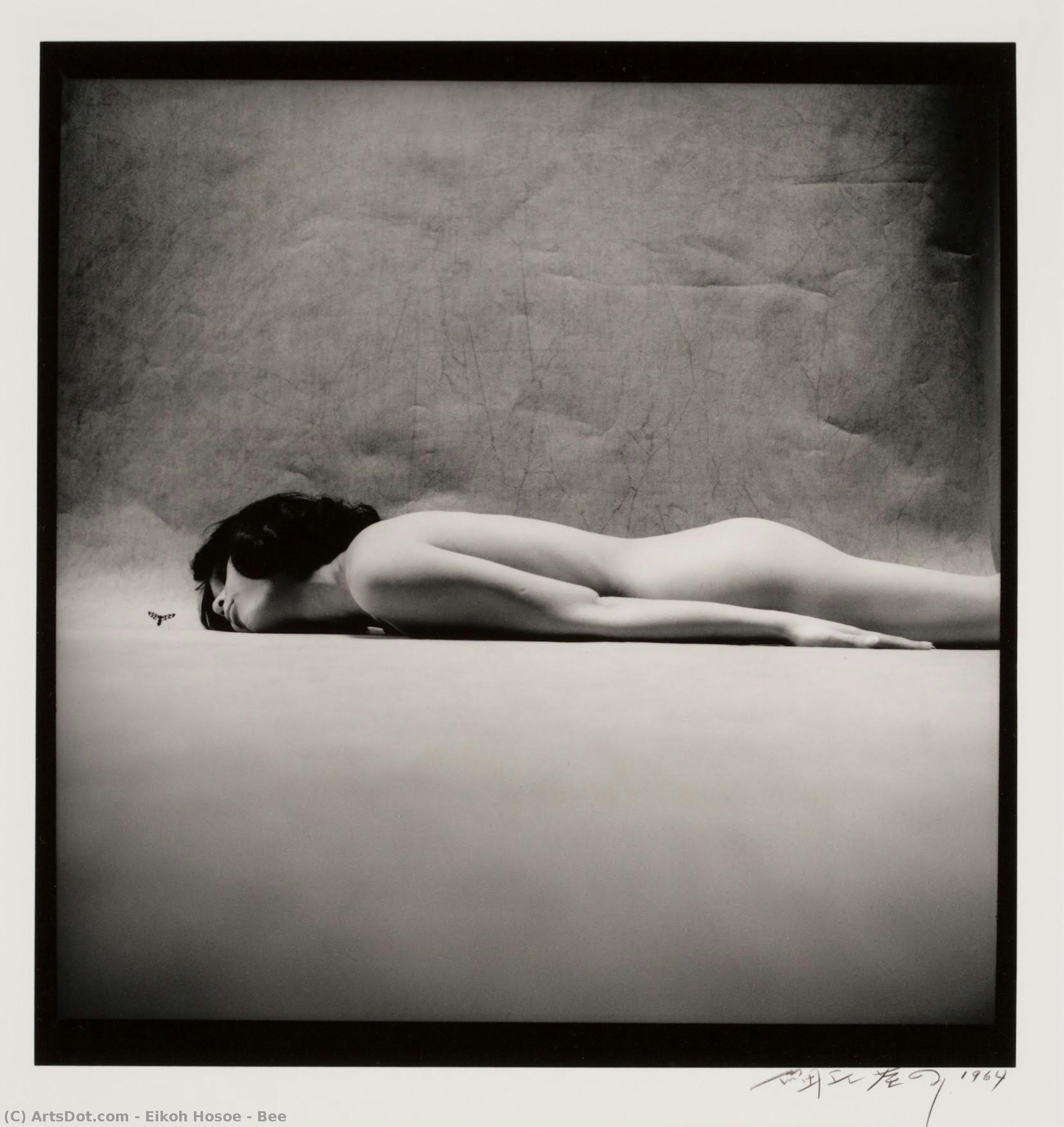
Bee

 Pročitaj više
Kupite digitalnu sliku visoke rezolucije i poboljšanog kvaliteta, koja je znatno superiornija od onoga što vidite u online prikazu.
Svaka datoteka je pedantno pripremljena od strane naših stručnjaka koristeći napredne alate i profesionalnu ručnu retušu. Osiguravamo da svaka slika ima izuzetnu oštrinu, preciznu reprodukciju boja i fine detalje.
Konačna datoteka se dostavlja putem e-pošte u roku od 72 sata, optimizovana za neposrednu upotrebu u profesionalnim, izdavačkim i štamparskim okruženjima. To je isti kvalitet kojem veruju vrhunski studiji dizajna, izdavači i galerije.
Digitalna slika
Preuzmite datoteku visoke rezolucije za ličnu upotrebu, štampanje i kreativne projekte. ( Kupi print Kupi ručno naslikanu sliku)
Uključeno uz svaku porudžbinu digitalne slike
Profesionalna digitalna isporuka, zagarantovana
Kada odaberete ArtsDot.com, ne dobijate samo sliku – vi primate profesionalno unapređeno digitalno umetničko delo, izrađeno sa najvećom preciznošću i uz garanciju zadovoljstva. Evo svega što automatski dolazi uz vašu porudžbinu:

Brza dostava putem e-pošte
Vaša digitalna slika visoke rezolucije biće vam poslata putem e-pošte u roku od 72 sata od poručivanja – spremna za trenutnu upotrebu.

Digitalna datoteka unapređena veštačkom inteligencijom
Vaše umetničko delo je profesionalno optimizovano korišćenjem naprednih AI alata i ručne obrade, čime se osiguravaju maksimalni detalji, oštrina i preciznost boja.

Besplatna ponovna isporuka doživotno
Slučajno ste obrisali ili izgubili svoju datoteku? Ne brinite – poslaćemo vam je ponovo u bilo kom trenutku, potpuno besplatno.

Bez troškova uvoza – zauvek
Uživajte u svojim umetničkim delima trenutno, bez carine, dažbina ili troškova dostave – digitalni download je uvek bez poreza.

Garancija vernosti boja
Uz pomoć profesionalnih alata i upravljanja bojama, osiguravamo da vaša digitalna slika što vernije odražava originalne boje.

Garancija zadovoljstva u roku od 100 dana
Ako niste zadovoljni svojom digitalnom slikom, revidirat ćemo je ili vratiti 100% novca u roku od 100 dana – bez ikakvih pitanja.

100% garancija povrata novca
Niste zadovoljni? Obezbedite pun povrat novca u roku od 100 dana od trenutka kada ste primili svoju digitalnu datoteku – bez suvišnih pitanja.

Popusti na velike porudžbine
Kupite 3 slike, uštedite 10% - Kupite 5 slika, uštedite 15% - Kupite 10+ slika, uštedite 20%. Odlično za kreativne projekte, galerije i agencije.
Srodna umetnička dela




Biografija umetnika
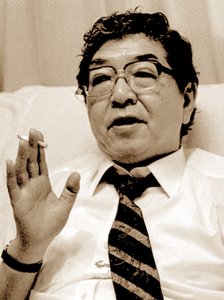
The Dawn of a New Vision: The Life and Legacy of Eikoh Hosoe
In the turbulent, smoke-filled aftermath of World War II, a new identity emerged from the ashes of Japan, much like the artist himself. Born Toshihiro Hosoe in Yonezawa in 1933, the man who would become Eikoh—a name signifying "new dawn"—carried within him the profound anxieties and the desperate hunger for renewal that defined his era. Having witnessed the devastating firebombing of Tokyo, Hosoe’s early life was marked by a sense of displacement and reconstruction. This visceral connection to the fragility of existence would later become the heartbeat of his photography, transforming the camera from a mere recording tool into a medium for exploring the deepest, often darkest, recesses of the human psyche.
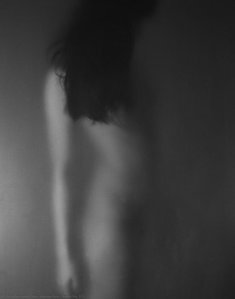
Hosoe’s ascent within the Japanese avant-garde was fueled by an insatiable intellectual curiosity and a refusal to accept conventional aesthetics. As a member of the Ei-Q collective, he embraced the experimental spirit of the post-war period, pushing against the boundaries of traditional portraiture. His technical foundation at the Tokyo College of Photography provided him with the precision required to master high-contrast, black-and-white imagery, but it was his philosophical depth that truly set him apart. He did not merely seek to capture light; he sought to capture the shadows of the soul, utilizing dramatic lighting and stark compositions to evoke themes of death, eroticism, and the irrationality of human desire.
Collaborations and the Architecture of Emotion
The trajectory of Hosoe’s career was irrevocably altered through his profound connections with some of the most provocative figures of twentieth-century Japanese culture. Perhaps his most legendary partnership was with the writer Yukio Mishima. Through their collaboration, Hosoe moved beyond simple documentation to create a haunting visual language for Mishima’s tormented inner world. In the seminal project Barakei (Oriente by Roses), Hosoe utilized the physical presence of Mishima to weave a narrative of ritual, beauty, and violence. These images, characterized by their intense textures and brooding atmosphere, remain some of the most powerful explorations of the intersection between flesh and philosophy ever captured on film.
Beyond the written word, Hosoe’s creative reach extended into the visceral world of Butoh dance. Working closely with the legendary dancer Tatsumi Hijikata, he helped translate the raw, primal movements of this avant-garde dance form into a static, yet pulsing, photographic medium. His work during this period, including the celebrated Kamaitachi series, utilized the human body as a landscape of struggle and transformation. This era of his work was not merely about movement; it was about the tension between the physical form and the unseen forces of nature and instinct, often resulting in images that bordered on the abstract and the surreal.
A Cinematic and Lasting Impression
Hosoe’s artistic impulse was too expansive to be contained solely within the frame of a photograph. He ventured into the realm of cinema, establishing the Jazz Film Laboratory alongside visionaries like Shuji Terayama. His filmic endeavors, such as the groundbreaking Navel (1960), mirrored the experimental textures of his photography—stark, provocative, and deeply rooted in the exploration of identity and the subconscious. This multidisciplinary approach allowed him to build a cohesive universe where image, movement, and narrative merged into a singular, immersive experience.
The historical significance of Eikoh Hosoe lies in his ability to act as a mirror to a changing nation. He captured the transition of Japan from the trauma of defeat to the complexities of modern identity, documenting the friction between tradition and the avant-garde. His work remains a cornerstone of contemporary photography because it refuses to look away from the uncomfortable truths of the human condition. Through his lens, we encounter:
- The Power of Contrast: Using light and shadow to define the boundaries of the physical and spiritual.
- Psychological Depth: Moving past the surface of the subject to reveal the underlying tensions of existence.
- Cultural Synthesis: Blending Japanese tradition with global surrealist and experimental movements.
Though he passed away in 2024, the "new dawn" that Eikoh Hosoe promised continues to illuminate the art world, leaving behind a legacy of images that are as hauntingly beautiful as they are profoundly unsettling.
Eikoh Hosoe
1933 -
Kratke činjenice
- Artistic Movement Or Style: Experimental photography
- Artists Or Movements Influenced By This Artist: ['Yukio Mishima']
- Artists Who Influenced This Artist: ['Ei-Q']
- Date Of Birth: 1933
- Date Of Death: Living
- Full Name: Eikoh Hosoe
- Nationality: Japanese
- Notable Artworks:
- Navel
- A-bomb
- Barakei (Ordeal by Roses)
- Kamaitachi
- Place Of Birth: Yonezawa, Japan