 Pregledaj u prostoru
 Pošalji
 Podeli
 Detalji o delu

 Преузми
 Slični predmeti
 Rendgenski snimak
 Slajdovi
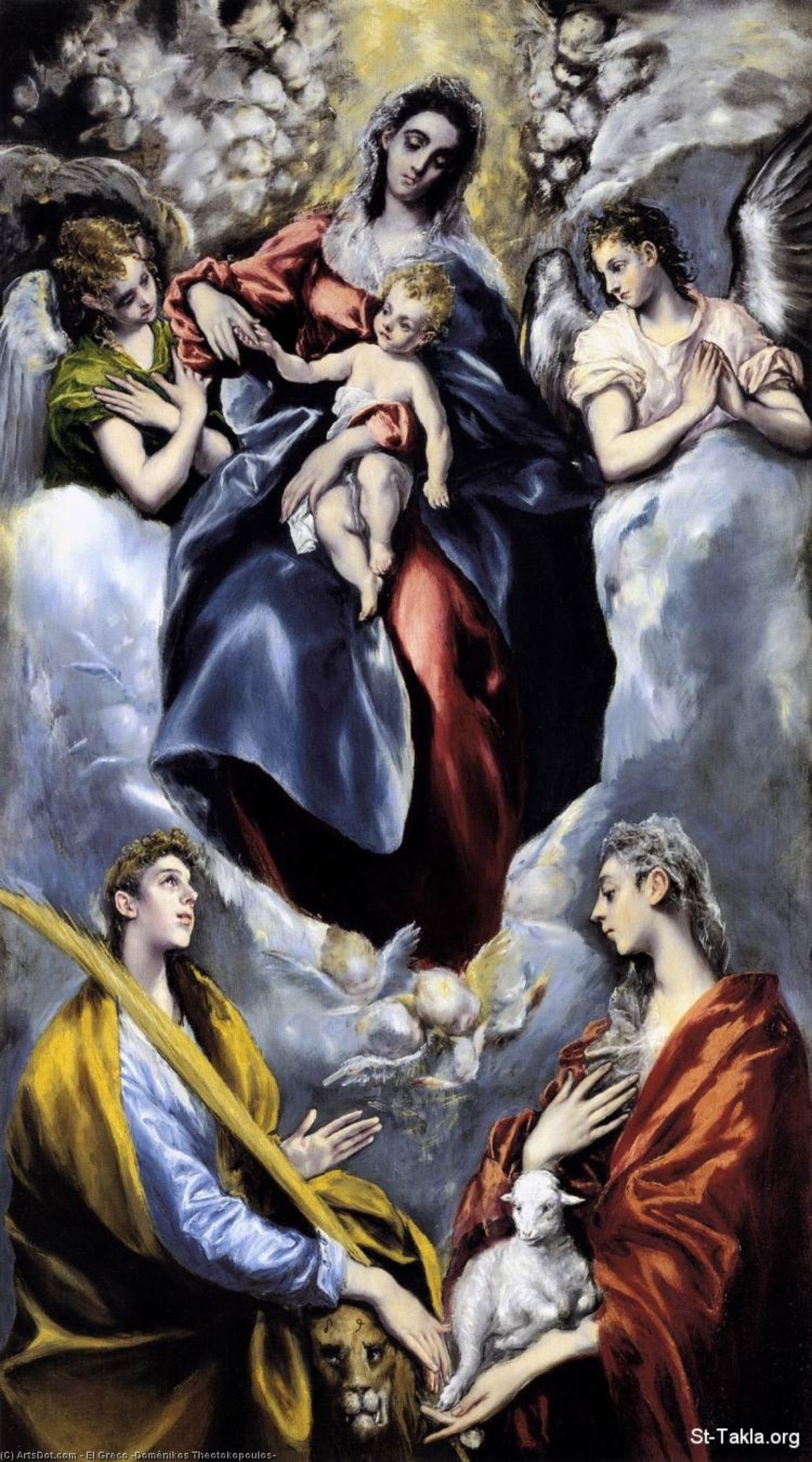
The Virgin and Child with St. Martina and St. Agnes
 Ulje na platnu
- Umetnost za zidove
- Baroque
 1599
1599- Renesansa
 193.0 x 103.0 cm
 National Gallery of Art
 Pročitaj više
Ručno rađena uljana reprodukcija
Ručno oslikano uljanim bojama na platnu u dimenzijama i okviru po vašem izboru, izrađeno po porudžbini od strane naših umetnika. ( Kupi print Kupi digitalnu sliku)




P118B $10

P118H $10

P118W $10

P438Z $10

P508JH $12

P508YH $12

P805H $10

P805Z $10

P919BZ $10

P919G $10

P919XJ $10

P959ZH $10

P968JZ $12

W106C $8

W218G $10

W218JH $8

W218Y $10

W307PJ $10

W316G $10

W316PJ $8

W316Y $10

W398PJ $8

W4111J $10

W500HY $15

W500JH $15

W692G $12

W849H $8

W940BG $15

W953PJ $8




Izaberite jednu od naših unapred definisanih veličina koje odgovaraju originalnim proporcijama umetničkog dela.

Можете унети сопствене димензије како бисте прилагодили дело одређеном оквиру или простору. Ако одабрана величина не одговара пропорцијама оригинала, слика ће бити исечена или проширена додатним елементима који се ручно насликавају. Дигитални prikaz ће вам бити послат на одобрење пре почетка производње.
Имајте на уму да преглед на екрану не одражава стварно исецање или проширење. Само приказ (mockup) ће тачно приказати коначну композицију.
Иако су доступне прилагођене величине, препоручујемо да одаберете димензију из дефинисане листе како бисте сачували оригиналне пропорције.
Nakon narudžbine, tim ArtsDot.com će klijentu putem e-pošte poslati uputstva i dostaviti prikaz predloženog rešenja
Isporuka širom sveta () za 3/4 nedelje umesto uobičajenih 5 nedelja. (23 август). Bez kompromisa po pitanju kvaliteta.

Besplatna ekspresna dostava širom sveta

Visokokvalitetno laneno platno

Kompletno osiguranje transporta

Garancija povraćaja carine i uvoznih dažbina

Garancija vernosti boja

Politika povrata u roku od 60 dana (samo u slučaju nedostataka)

Garancija povrata novca od 100%

Popust pri grupnoj kupovini
 Opcija sa staklom dostupna je samo za dimenzije manje od 110 cm

The Virgin and Child with St. Martina and St. Agnes
Tehnika reprodukcije
Dimenzije reprodukcije
-


Konačna cena
$ 263
Opis umetničkog dela
The Virgin and Child with St. Martina and St. Agnes: A Dance of Light and Faith
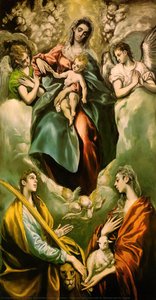
Doménikos Theotokópoulos, universally known as El Greco, possessed an extraordinary ability to distill the essence of religious experience into visual form. His “Virgin and Child with St. Martina and St. Agnes,” painted in 1599 and currently residing within the National Gallery of Art in Washington D.C., is a prime example of this talent—a luminous, emotionally charged tableau that transcends mere representation to become a profound meditation on faith, motherhood, and divine grace. Measuring a modest 193 x 103 cm, the painting belies its contained size with an astonishing depth of color, intricate detail, and a palpable sense of movement and drama.
The scene unfolds within a richly imagined space, bathed in a soft, diffused light that seems to emanate from an unseen source. At the heart of this composition stands the Virgin Mary, rendered not as a serene, idealized figure but as a woman imbued with both earthly tenderness and spiritual authority. Her gaze is directed towards her child, Jesus, who nestles securely within her embrace—a gesture simultaneously protective and intimate. Surrounding them are three angels, each positioned strategically to amplify the scene’s narrative complexity. One angel appears on the left side of the painting, another on the right, and a third hovers above, acting as a celestial witness to this sacred moment. The figures aren't simply placed; they seem to float within the space, contributing to an overall sense of ethereal beauty.
Beyond the central triad of Mary and child, two additional figures punctuate the composition: a man standing near the left edge and another on the right. A dog is also visible in the lower part of the image, closer to the center. These additions subtly enrich the scene, hinting at a broader context—perhaps a glimpse into the lives of ordinary people interwoven with the divine. The inclusion of these figures adds a layer of realism and human connection to an otherwise highly symbolic work.
El Greco’s Venetian-Spanish Synthesis
To fully appreciate “The Virgin and Child,” it's crucial to understand El Greco’s unique artistic journey. Born in Crete, he initially trained as an icon painter within the strict traditions of Byzantine art—a discipline characterized by meticulous detail, symbolic color palettes, and a reverence for established iconography. However, his time spent in Venice and Rome during the 1570s profoundly shaped his style, introducing him to the innovations of Mannerism and the vibrant colors of the Venetian Renaissance. This exposure led to a dramatic shift in his artistic approach—a move away from the rigid conventions of Byzantine art towards a more expressive, emotionally charged style.
El Greco’s distinctive technique is immediately apparent in this painting. His elongated proportions, particularly evident in the figures' limbs and torsos, create a sense of dynamism and movement that was quite unconventional for his time. He employed a masterful use of color—rich blues, reds, and golds—to heighten the emotional impact of the scene. Furthermore, El Greco’s treatment of light is remarkable; it seems to emanate from within the figures themselves, casting dramatic shadows and illuminating key elements of the composition. This interplay of light and shadow contributes significantly to the painting's overall sense of drama and spirituality.
Symbolism Woven into the Fabric
“The Virgin and Child” is replete with religious symbolism, inviting viewers to contemplate its deeper meanings. St. Martina and St. Agnes, both martyred for their Christian faith, represent purity and sacrifice—qualities highly valued within the Catholic tradition. The presence of these saints underscores the painting’s theme of devotion and spiritual fortitude. The angels themselves are not merely decorative elements; they symbolize divine protection and guidance. The overall composition can be interpreted as a visual representation of Mary's role as the Mother of God, embodying both earthly motherhood and heavenly grace.
The elongated figures, characteristic of El Greco’s style, aren’t simply stylistic flourishes—they serve to heighten the emotional intensity of the scene. They convey a sense of urgency and spiritual fervor, drawing the viewer into the heart of the narrative. The use of color is equally symbolic; the rich blues and reds evoke feelings of piety and devotion, while the golden hues suggest divine light and grace.
A Legacy of Emotion and Innovation
El Greco’s “Virgin and Child with St. Martina and St. Agnes” stands as a testament to his artistic genius—a masterpiece that seamlessly blends Byzantine tradition with Renaissance innovation. His unique style, characterized by elongated proportions, dramatic lighting, and emotionally charged figures, continues to captivate viewers centuries after its creation. This painting, alongside many of El Greco’s other works, exemplifies his ability to translate complex religious ideas into visually stunning and deeply moving art. For those seeking a profound artistic experience, a reproduction of this iconic work offers a remarkable opportunity to connect with the spirit and vision of one of history's most enigmatic artists.
Srodna umetnička dela

Biografija umetnika
Доменикос Теотокoполос, познат као Ел Греко: Живот изграђен вером и пламеном
Доменикос Теотокoполос, свету познатији као Ел Греко – „Грк“ – био је сликар чији живот и дело надмашују лаке категоризације. Рођен 1541. године на острву Крит, тада под влашћу Венеције, његово уметничко путовање га је одвело преко Венеције и Рима, да би свој највећи израз доживео у духовном срцу Шпаније: Толеду. Ел Греко није био само производ ових места; он је синтетизовао њихове утицаје у нешто сасвим јединствено, стил који је најављивао емоционалну интензивност експресионизма и фрагментиране облике кубизма вековима касније. Његов рани тренинг у византијској традицији усадио му је пажњу за детаље и дубоко разумевање религиозне иконографије. Ова основа, међутим, није га ограничила. Подносио је своја дела на грчком, често додајући „Krḗs“ – Критски – као поносан израз свог порекла, чак док се упуштао у нове уметничке територије. Семена његовог препознатљивог стила била су посејана не само у техници, већ и у жутој религијској клими своје домовине и богатом тесању венецијанске уметности.Од Венеције до Толеда: Трансформација
Прелазак у Венецију око 1567. године означио је преломни тренутак. Укључен у нагли уметнички поглед, Ел Греко је проучавао мајсторе – Тицијан, Тинторето, Веронезе – апсорбујући њихову способност боје, композиције и драматичног осветљења. Научио је да пусти свој четкицу, да пригрли сензуалност уљне боје и да прикаже фигуре са новом динамиком. Овај венецијански утицај видљив је у раним делима као што је *Свети Себастијан* (1600), где се анатомски детаљи беспрекорно мешају са готово позоришним коришћењем светлости и сенке. Наредна станица у Риму представила га је мањеризму, стилу карактерисаном дугачким облицима, изобличеним перспективама и софистицираним композицијама. Иако је показао значајан таленат, Ел Греко је имао потешкоћа да добије широку признавање у конкурентном римском свету уметности. Управо његов прелазак у Толедо 1577. године коначно је омогућио напретку његове јединствене визије. Град, тада средиште верске жуте током Контрареформације, пружио је и покровитељство и атмосферу повољну за његову интензивно религиозну слику.Стил без премца
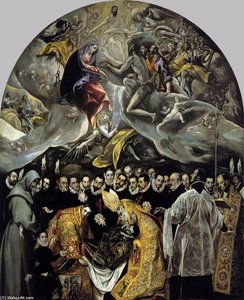
Уметнички стил Ел Грека одмах се препознаје – и сасвим задивљује. Његове фигуре су често драматично издужене, тела истегнута и искривљена у позе које преносе осећај духовне ектaзе или дубоке патње. Ово није једноставно стилско лудило; то је покушај да се прикаже непознато, емоционална и духовна реалност која лежи изван површине ствари. Мајсторски је користио боју – не нужно реалистичну боју, већ живе, често неуобичајене нијансе – како би појачао емотивни утисак свог рада. Драматично осветљење, са оштрим контрастом између светлости и сенке, ствара позоришни ефекат, увлачећи посматрача у срце сцене. *Полагање грофа од Оргаза* (1586-1588), сматра се његовим мајсторским делом, савршено илуструје ове особине. Слика приказује чудесни догађај – силазак светих да сахране благочестивог племића – са изузетном реалистичношћу у приказу савремених фигура поред етеричних, издужених облика који представљају божанску интервенцију. Он је спојио византијске традиције са техникама ренесансе, стварајући стил који је био иновативан и дубоко личан. Његова каснија дела постала су све мистичнија, одражавајући његове сопствене дубоке верске убеђења и растуће дистанцирање од уобичајених уметничких норми.Заоставштина и поновно откривање
Упркос значајном успеху који је постигао током свог живота – добијајући важне поруџбине од цркава и манастира у Толеду – рад Ел Грека пао је у релативну заборав након његове смрти 1614. године. Вековима је био углавном преглеђен од стране историчара уметности, одбачен као ексцентричан или провинцијски уметник. Једва је у 20. веку почела да се цени његова генијалност. Уметници попут Пикаса и Брака препознали су га као претечу модерне уметности, посебно кубизма, дивећи му се изобличеним облицима и неуобичајеним перспективама. Његов експресионистички стил резоновао је са експресионистима који су тражили да пренесу емоционалну интензивност смелим бојама и драматичним композицијама. Данас се Ел Греко слави као једна од најважнијих фигура у западном свету уметности – визионарски сликар чије дело наставља да задивљује публику својом духовном дубином, емотивном моћи и јединственом уметничком визијом. Његове слике нису само репрезентације религиозних сцена; они су прозори у душу, сведочанства о трајној моћи вере и прославе способности човечког духа за надраштавање.Истакнути радови
- Полагање грофа од Оргаза (1586-1588): Његово неспорно мајсторско дело, монументално дело које спојава реализам и духовну интензивност.
- Пут до Толеда (1596-1600): Драматичан пејзаж који приказује град у вртложачном, атмосферском стилу, хватајући његову суштину са готово визионарском квалитетом.
- Отварање петтег печата (1608-1614): Део серије инспирисане Књигом Откривања, ова слика илуструје Ел Грекову апокалиптичну визију и његову способност драматичне композиције.
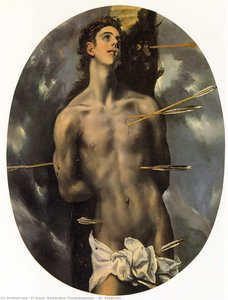
- Свети Себастијан (1600): Моћна представа свеца, која комбинује анатомске детаље са позоришним осветљењем и емоционалном интензивношћу.
- Есполио (Основни део Христа) (1577-1579): Рано дело које приказује његове венецијанске утицаје и драматичну употребу боја и светлости.
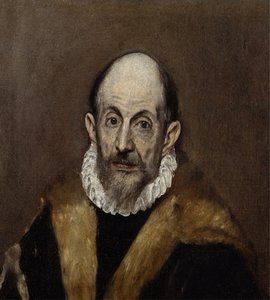
Ел Греко
1541 - 1614 , Grčka
Osnovne informacije
- Datum Rođenja: 1 oktobar 1541.
- Datum Smrti: 7 april 1614.
- Mesto Rođenja: Krita, Grčka
- Nacionalnost: Grk-Španski
- Pokreti Pod Uticajem:
- Ekspresionizam
- Kubizam
- Puno Ime: Domenikos Teotokópoulos
- Umetnički Pokret: Manirizam, Barok
- Uticajni Umetnici:
- Titian
- Tintoretto
- Značajna Dela:
- Sahranjivanje grofa Orgaza
- Pogled na Toledo
- El Espolio
- Sveti Sebastijan
Povezani članci

El Greco: 25 Remek-dela koji definišu Viziju i Duh (Reprodukcije za vaš Dom)
Istražite 25 remek-dela El Greka! Otkrijte priče iza njegovih ikoničnih slika, baroknog stila i duboke spiritualnosti. Reprodukcije vrhunskog kvaliteta za vaš dom na ArtsDot.com.
El Greco: Spirituality, Style & Innovation – A Renaissance Master's Legacy
Explore the captivating world of El Greco! Discover his unique style, spiritual intensity, and lasting impact on art history. Learn about this Renaissance master's life, iconic paintings & legacy.
Top 25 Remek-dela Prado Muzeja: Umetnička Baština Španije za Vaš Dom
Istražite 25 remek-dela Prado muzeja u Madridu! Otkrijte priče iza Velázqueza, Goye i El Greca. Pronađite inspiraciju za dekoraciju enterijera uz reprodukcije slika vrhunskog kvaliteta na ArtsDot.com.

Fra Anđeo: 25 Remek-dela Renesansnog Duha za Vaš Dom | ArtsDot
Uronite u svet Fra Anđela – 25 remek-dela renesansnog slikara. Otkrijte priče iza njegovih čuvenih fresaka i oltarskih slika, inspiracija za enterijer i duhovni mir. Kupite reprodukcije vrhunskog kvaliteta na ArtsDot.com!

Mary Agnes Yerkes: A Study in American Impressionism & Atmospheric Light
Explore the captivating world of Mary Agnes Yerkes, a resilient American Impressionist painter renowned for her vibrant landscapes of the West & National Parks. Discover her unique style and enduring legacy.