

 Pregledaj u prostoru
 Pošalji
 Podeli
 Detalji o delu

 Преузми
 Slični predmeti
 Rendgenski snimak
 Slajdovi
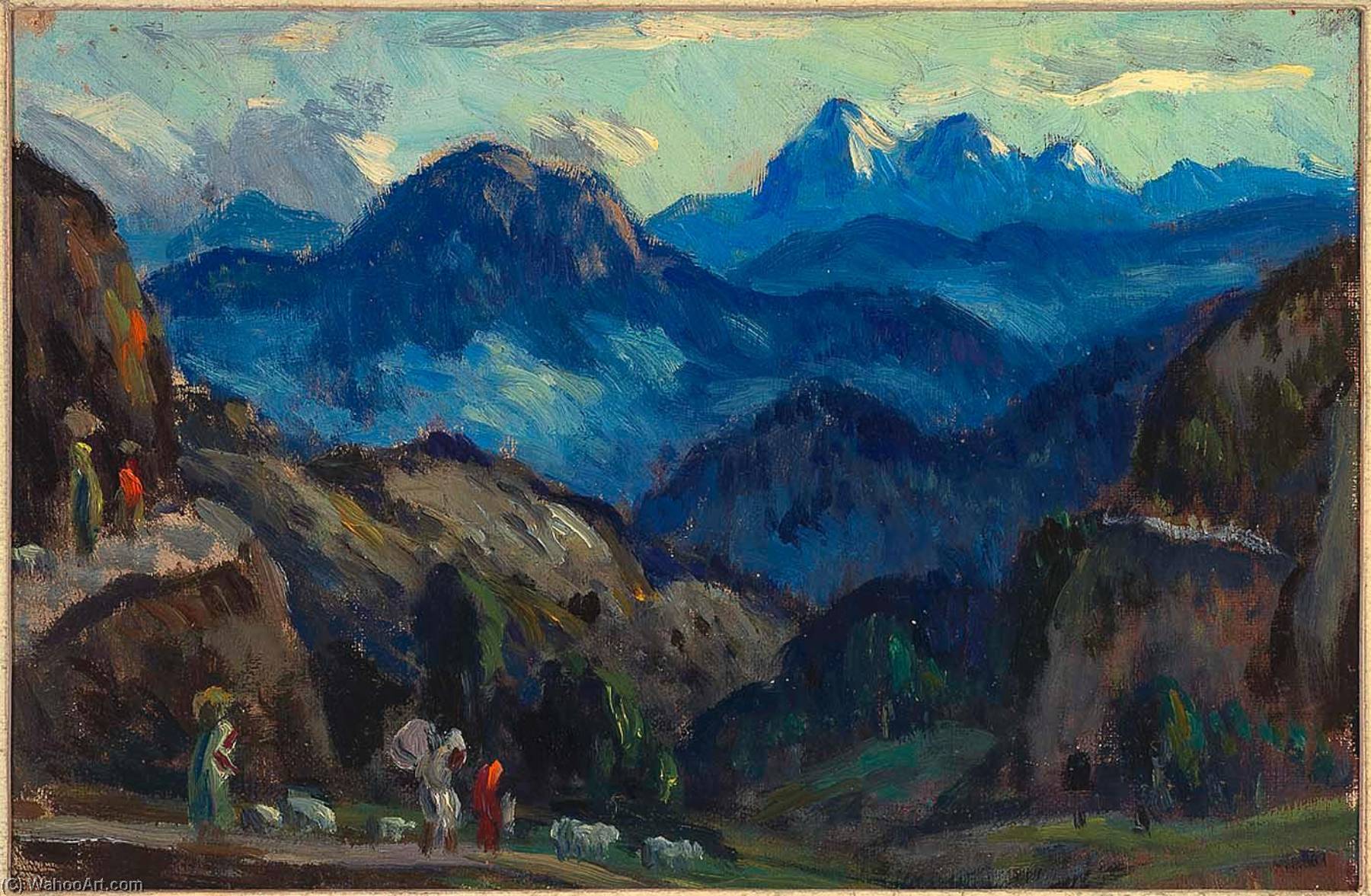
Sunset over Himalaya Nanda Devi
 21.0 x 31.0 cm
 Pročitaj više
Giclee štampa / Umetnički otisak
Giclée štampa ili print na platnu muzejskog kvaliteta uz brzu proizvodnju i fleksibilne opcije završne obrade. ( Kupi ručno naslikanu sliku Kupi digitalnu sliku)




































Izaberite jednu od naših unapred definisanih veličina koje odgovaraju originalnim proporcijama umetničkog dela.

Možete uneti sopstvene dimenzije kako biste umetničko delo prilagodili specifičnom okviru ili prostoru. Ako odabrani format ne odgovara proporcijama originalne slike, mi ćemo ili iscrtati deo dela ili proširiti sliku pomoću ogledane ivice ili jednobojnog popunjavanja. Digitalni prikaz će vam biti poslat na odobrenje pre početka proizvodnje.
Imajte na umu da pregled na ekranu ne odražava stvarno iscrtavanje ili proširivanje. Samo će prikaz (mockup) precizno pokazati finalnu kompoziciju.
Iako su prilagođene dimenzije dostupne, preporučujemo da odaberete dimenziju sa unapred definisane liste kako biste očuvali originalne proporcije.
Dostava širom sveta () za 2 nedelje umesto uobičajenih 4/5 nedelja. (7 септембар)

Besplatna ekspresna dostava širom sveta

Visokokvalitetno laneno platno

Kompletno osiguranje transporta

Garancija povraćaja carine i uvoznih dažbina

Garancija vernosti boja

Politika povraćaja u roku od 100 dana (isključivo u slučaju nedostataka)

Garancija povrata novca od 100%

Popust pri grupnoj kupovini
 Opcija sa staklom dostupna je samo za dimenzije manje od 110 cm

Sunset over Himalaya Nanda Devi
Giclee štampa / Umetnički otisak
Dimenzije reprodukcije
-


Konačna cena
$ 62
The Artist's Inspiration
Eliot Clark was an American artist known for his stunning landscapes, and Sunset over Himalaya Nanda Devi is one of his most notable works. The painting depicts a serene scene with snow-capped peaks in the background, set against a vibrant blue sky with clouds. The foreground features several people, some standing near the viewer while others are farther away, adding a sense of depth to the composition.Artistic Style and Technique
The use of oil on canvas allows for rich, vivid colors and textures, which Eliot Clark masterfully employs to convey the majesty of the Himalayas. The brushstrokes are bold and expressive, with a focus on capturing the play of light on the mountains and sky. This technique creates a sense of movement and energy, drawing the viewer into the scene.Reproductions and Availability
For art enthusiasts who wish to own a piece of this stunning landscape, ArtsDot.com offers high-quality, handmade oil painting reproductions of Sunset over Himalaya Nanda Devi. These reproductions are created using the same techniques and materials as the original, ensuring an authentic and beautiful piece of art.- Visit ArtsDot.com's Eliot Clark page to explore more of his works.
- Learn about the Hirshhorn Museum and Sculpture Garden and its collection on Wikipedia.
The Sunset over Himalaya Nanda Devi is a testament to Eliot Clark's skill as a landscape artist, and its beauty continues to inspire art lovers today. Whether you're an avid collector or simply appreciate the beauty of landscapes, this painting is sure to captivate and inspire.
Srodna umetnička dela









Biografija umetnika
Eliot Clark: A Spiritual Landscape Painter
Eliot Clark (1883-1980) wasn’t a name immediately recognized in the bustling galleries of his time, yet within the quiet depths of American Impressionism, he carved out a distinctive and profoundly moving space. Born in New York City amidst the vibrant cultural currents of the Gilded Age, Clark's artistic journey was shaped by a complex interplay of familial influences – notably his Tonalist father, Walter Clark – and a deep-seated yearning to capture the essence of nature’s grandeur, particularly the stark beauty of the Himalayas and the spiritual resonance of India. His work isn’t merely depictions of landscapes; they are imbued with a contemplative spirit, inviting viewers into a realm where earthly beauty intertwines with something far more profound.
Clark's early life was marked by both privilege and isolation. Raised in a prominent Boston Brahmin family, he spent his formative years navigating the social complexities of New York City before relocating to Washington, D.C., at the age of eleven. This move profoundly impacted him, fostering a deep connection to the American landscape – particularly the rolling hills of Virginia and the rugged beauty of the Appalachian Mountains. His father, Walter Clark, a Tonalist painter known for his muted palettes and atmospheric effects, instilled in young Eliot a reverence for nature’s subtle nuances. However, it was a brief stint with his uncle, a prominent figure in the burgeoning field of anthropology, that truly ignited Clark's fascination with Eastern cultures, particularly the Himalayas and India. This exposure to ancient spiritual traditions would become a recurring theme in his work, informing his color choices, compositional arrangements, and overall sense of atmosphere.
Clark’s artistic development unfolded gradually over several decades. Initially influenced by the Tonalist movement, characterized by its emphasis on tonal harmony and atmospheric effects, he steadily evolved toward a more Impressionistic style, embracing brighter colors, looser brushwork, and a greater focus on capturing fleeting moments of light and color. His early works in Virginia – landscapes of rolling hills, misty valleys, and sun-drenched fields – demonstrate this transition with remarkable clarity. However, it was his extended sojourns to India and the Himalayas in the 1920s and 30s that fundamentally reshaped his artistic vision. These experiences profoundly impacted his palette, introducing him to vibrant hues of saffron, turquoise, and ochre, which he skillfully integrated into his landscapes, creating a sense of otherworldly beauty. The scale of these vistas – towering peaks, vast plains, and seemingly endless skies – demanded a new approach to composition, often employing dramatic perspectives and expansive views to convey the immensity of nature’s power.
The Himalayas and India: A Spiritual Lens
Clark's travels to the Himalayas and India weren't simply expeditions for artistic inspiration; they were deeply spiritual journeys. He sought not just to document these exotic landscapes but to understand their underlying essence, believing that they held profound symbolic significance. His paintings of the Himalayas are particularly striking in this regard. Rather than literal representations, they convey a sense of awe and reverence, capturing the majesty of the mountains while simultaneously hinting at the spiritual realm. The use of color is crucial here – deep blues and purples evoke the vastness of the sky, while warm yellows and oranges suggest the warmth of the sun and the inner light of enlightenment.
Similarly, his depictions of Indian scenes—often featuring temples, bustling marketplaces, and serene riverbanks—are imbued with a sense of timelessness and spiritual depth. He wasn’t interested in portraying the superficial details of these cultures but rather in capturing their underlying spirit – a blend of ancient traditions, vibrant colors, and profound philosophical insights. The influence of Buddhist and Hindu iconography is subtly present in his compositions, often manifesting as stylized figures, intricate patterns, and symbolic motifs. Clark's approach to color was particularly influenced by the Indian tradition of using pigments derived from natural sources, resulting in a rich, earthy palette that perfectly complemented the landscapes he depicted.
Technique and Style
Clark’s technique evolved over his long career, reflecting his growing confidence and artistic maturity. Initially, his brushwork was relatively tight and controlled, characteristic of the Tonalist style. However, as he embraced Impressionism, his brushstrokes became looser and more expressive, allowing for a greater sense of spontaneity and immediacy. He favored layering colors to create depth and luminosity, often applying thin glazes over dry underpaintings to achieve a remarkable sense of transparency and atmospheric perspective. His use of light was particularly masterful – he skillfully captured the shifting qualities of sunlight, creating a dynamic interplay of highlights and shadows that brought his landscapes to life.
A key element of Clark’s style is his ability to evoke a sense of atmosphere—a feeling of stillness, contemplation, and connection to nature. He achieved this through careful attention to detail – the subtle variations in color, the delicate textures of foliage, and the evocative patterns of light and shadow. His paintings are not simply representations of landscapes; they are invitations to immerse oneself in their beauty and contemplate their profound meaning. He often worked *en plein air*, directly from nature, which allowed him to capture the fleeting effects of light and atmosphere with remarkable accuracy.
Legacy and Significance
Eliot Clark’s work represents a significant contribution to American Impressionism. While he shared many stylistic affinities with other Impressionist painters—such as Monet and Renoir—he developed a unique voice, characterized by his spiritual sensibility and his distinctive use of color. His paintings of the Himalayas and India are particularly noteworthy for their ability to transport viewers to distant lands and evoke a sense of wonder and awe. Clark’s legacy extends beyond his individual works; he helped to elevate the status of landscape painting as a vehicle for expressing profound philosophical and spiritual ideas.
Today, Eliot Clark's paintings are exhibited in museums and private collections around the world. His work continues to resonate with viewers who appreciate its beauty, its spirituality, and its enduring connection to nature. He remains an important figure in American art history, a testament to the power of observation, imagination, and artistic vision.
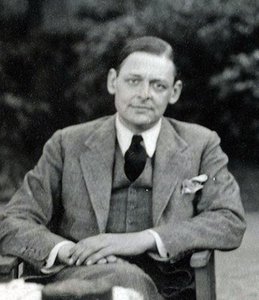
eliot clark
1883 - 1980
Osnovne informacije
- Artistic Movement Or Style: Impressionism
- Artists Or Movements Influenced By This Artist: ['Tonalism']
- Artists Who Influenced This Artist: ['Walter Clark']
- Date Of Birth: 1883-07-24
- Date Of Death: 1980-06-15
- Full Name: Eliot Clark
- Nationality: American
- Notable Artworks:
- Cape Blomaden, Nova Scotia
- Benares Scenes
- Virginia Landscapes
- Place Of Birth: New York City, USA