 Pregledaj u prostoru
 Pošalji
 Podeli
 Detalji o delu

 Преузми
 Slični predmeti
 Rendgenski snimak
 Slajdovi
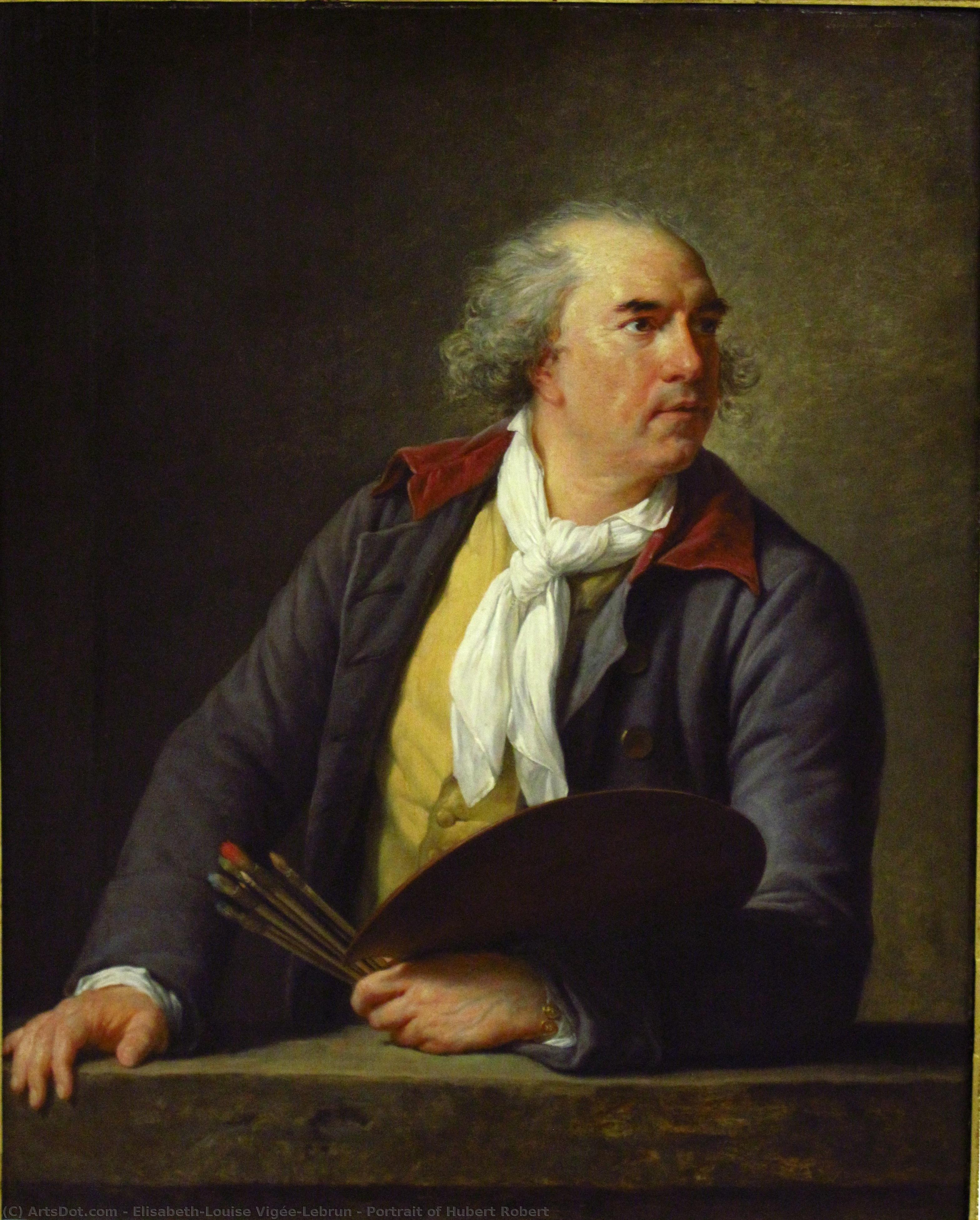
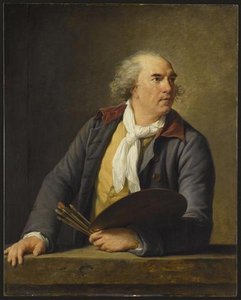
Portrait of Hubert Robert


 Pročitaj više
Kupite digitalnu sliku visoke rezolucije i poboljšanog kvaliteta, koja je znatno superiornija od onoga što vidite u online prikazu.
Svaka datoteka je pedantno pripremljena od strane naših stručnjaka koristeći napredne alate i profesionalnu ručnu retušu. Osiguravamo da svaka slika ima izuzetnu oštrinu, preciznu reprodukciju boja i fine detalje.
Konačna datoteka se dostavlja putem e-pošte u roku od 72 sata, optimizovana za neposrednu upotrebu u profesionalnim, izdavačkim i štamparskim okruženjima. To je isti kvalitet kojem veruju vrhunski studiji dizajna, izdavači i galerije.
Digitalna slika
Preuzmite datoteku visoke rezolucije za ličnu upotrebu, štampanje i kreativne projekte. ( Kupi print Kupi ručno naslikanu sliku)
Uključeno uz svaku porudžbinu digitalne slike
Profesionalna digitalna isporuka, zagarantovana
Kada odaberete ArtsDot.com, ne dobijate samo sliku – vi primate profesionalno unapređeno digitalno umetničko delo, izrađeno sa najvećom preciznošću i uz garanciju zadovoljstva. Evo svega što automatski dolazi uz vašu porudžbinu:

Brza dostava putem e-pošte
Vaša digitalna slika visoke rezolucije biće vam poslata putem e-pošte u roku od 72 sata od poručivanja – spremna za trenutnu upotrebu.

Digitalna datoteka unapređena veštačkom inteligencijom
Vaše umetničko delo je profesionalno optimizovano korišćenjem naprednih AI alata i ručne obrade, čime se osiguravaju maksimalni detalji, oštrina i preciznost boja.

Besplatna ponovna isporuka doživotno
Slučajno ste obrisali ili izgubili svoju datoteku? Ne brinite – poslaćemo vam je ponovo u bilo kom trenutku, potpuno besplatno.

Bez troškova uvoza – zauvek
Uživajte u svojim umetničkim delima trenutno, bez carine, dažbina ili troškova dostave – digitalni download je uvek bez poreza.

Garancija vernosti boja
Uz pomoć profesionalnih alata i upravljanja bojama, osiguravamo da vaša digitalna slika što vernije odražava originalne boje.

Garancija zadovoljstva u roku od 100 dana
Ako niste zadovoljni svojom digitalnom slikom, revidirat ćemo je ili vratiti 100% novca u roku od 100 dana – bez ikakvih pitanja.

100% garancija povrata novca
Niste zadovoljni? Obezbedite pun povrat novca u roku od 100 dana od trenutka kada ste primili svoju digitalnu datoteku – bez suvišnih pitanja.

Popusti na velike porudžbine
Kupite 3 slike, uštedite 10% - Kupite 5 slika, uštedite 15% - Kupite 10+ slika, uštedite 20%. Odlično za kreativne projekte, galerije i agencije.
Srodna umetnička dela

![Three Studies Of A Woman's Head And A Study Of Hands [recto], — Žan Antoan Vato, Rococo Style](/media/artworks/images-thumb/65/73/65730255a762c06e3235059db7ffcb5f.jpg)
Biografija umetnika
A Life Painted in Light: The World of Élisabeth Vigée Le Brun
Élisabeth-Louise Vigée Le Brun, a name synonymous with the elegance and refinement of 18th-century French portraiture, was more than just a painter; she was a master of capturing not merely likeness, but the very essence of her sitters. Born in Paris on April 16, 1755, into a family deeply immersed in the arts – her mother was a hairdresser and amateur artist, and her father a pastel portraitist – Vigée Le Brun’s artistic journey began early. Her childhood wasn't one of formal schooling but rather an apprenticeship steeped in observation and practice. She honed her skills by copying works from renowned masters, developing a remarkable talent for capturing texture, light, and the subtle nuances of human expression. This early training, coupled with her innate sensitivity, laid the foundation for a career that would see her become the most sought-after portraitist of her time.
Her initial success came through painting portraits of members of the nobility and bourgeoisie, quickly establishing a reputation for flattering yet realistic depictions. However, it was her association with Marie Antoinette in 1778 that truly catapulted her to fame. The Queen, seeking an artist who could portray her with both dignity and approachability, became Vigée Le Brun’s most important patron. This relationship, though fraught with the political complexities of the era, allowed Vigée Le Brun unprecedented access to the inner circles of power and solidified her position as the official portraitist of the French court. She painted over 30 portraits of Marie Antoinette alone, each a carefully constructed image designed to project an idealized vision of royalty.
The Rococo Embrace and Neoclassical Shifts
Vigée Le Brun’s style initially blossomed within the conventions of the Rococo period – characterized by its delicate brushwork, pastel palettes, and emphasis on grace and ornamentation. Her early portraits exude a sense of intimacy and charm, often depicting her subjects in idyllic settings with flowing fabrics and playful poses. However, as the political climate shifted towards revolution, so too did Vigée Le Brun’s artistic approach. The growing preference for Neoclassical simplicity and moral seriousness influenced her later work. While she never fully abandoned the Rococo aesthetic, she began to incorporate elements of greater realism and psychological depth into her portraits.
The ‘Boy with a Flintlock Rifle’ (1817) exemplifies this transition. The painting, while still possessing a degree of elegance, is marked by its stark realism and muted tones. The symbolic rifle hints at the changing times and the growing importance of civic duty. Her self-portraits also reveal her evolving artistic sensibilities. She painted numerous self-portraits throughout her life, each offering a glimpse into her own personality and artistic development. These works are not merely exercises in technical skill but rather profound explorations of identity and self-representation.
Exile and Artistic Resilience
The French Revolution brought upheaval to Vigée Le Brun’s world. As Marie Antoinette's portraitist, she became a target of suspicion and hostility. In 1792, fearing for her safety, she fled Paris with her daughter, embarking on an exile that would last over a decade. She traveled extensively throughout Europe – Italy, Austria, Russia, and England – continuing to paint portraits of the aristocracy and establishing new networks of patronage.
This period of exile proved remarkably productive for Vigée Le Brun. She adapted her style to suit the tastes of different courts, demonstrating a remarkable versatility and artistic resilience. She found success in Vienna, St. Petersburg, and London, where she was elected as an honorary member of the Royal Academy of Arts. Despite being far from her homeland, she remained deeply connected to French artistic traditions, continuing to paint with a distinctive elegance and sensitivity that set her apart from her contemporaries.
Legacy: A Portraitist for the Ages
Vigée Le Brun returned to France after the fall of Napoleon in 1804. Though the political landscape had changed dramatically, she was welcomed back into society and continued to paint until her death in Paris on March 30, 1842. Her legacy extends far beyond her technical skill as a portraitist.
- Capturing Personality: She possessed an extraordinary ability to capture not just the physical likeness of her sitters but also their inner character and emotional state.
- Influence on Feminine Identity: As a successful female artist in a male-dominated field, she paved the way for future generations of women artists. Her self-portraits challenged conventional notions of femininity and offered a powerful vision of female agency.
- Bridging Styles: Her work represents a fascinating transition between the Rococo and Neoclassical periods, blending elegance with realism and ornamentation with psychological depth.
- International Recognition: Her success in multiple European courts demonstrated her artistic versatility and established her as one of the most celebrated portraitists of her time.
Today, Vigée Le Brun’s paintings are held in major museums around the world. She remains a captivating figure – a testament to the power of art, resilience, and the enduring allure of capturing the human spirit on canvas. Her portraits offer not just glimpses into the lives of royalty and aristocracy but also a profound reflection of an era defined by both beauty and revolution.