

 Pregledaj u prostoru
 Pošalji
 Podeli
 Detalji o delu

 Преузми
 Slični predmeti
 Rendgenski snimak
 Slajdovi
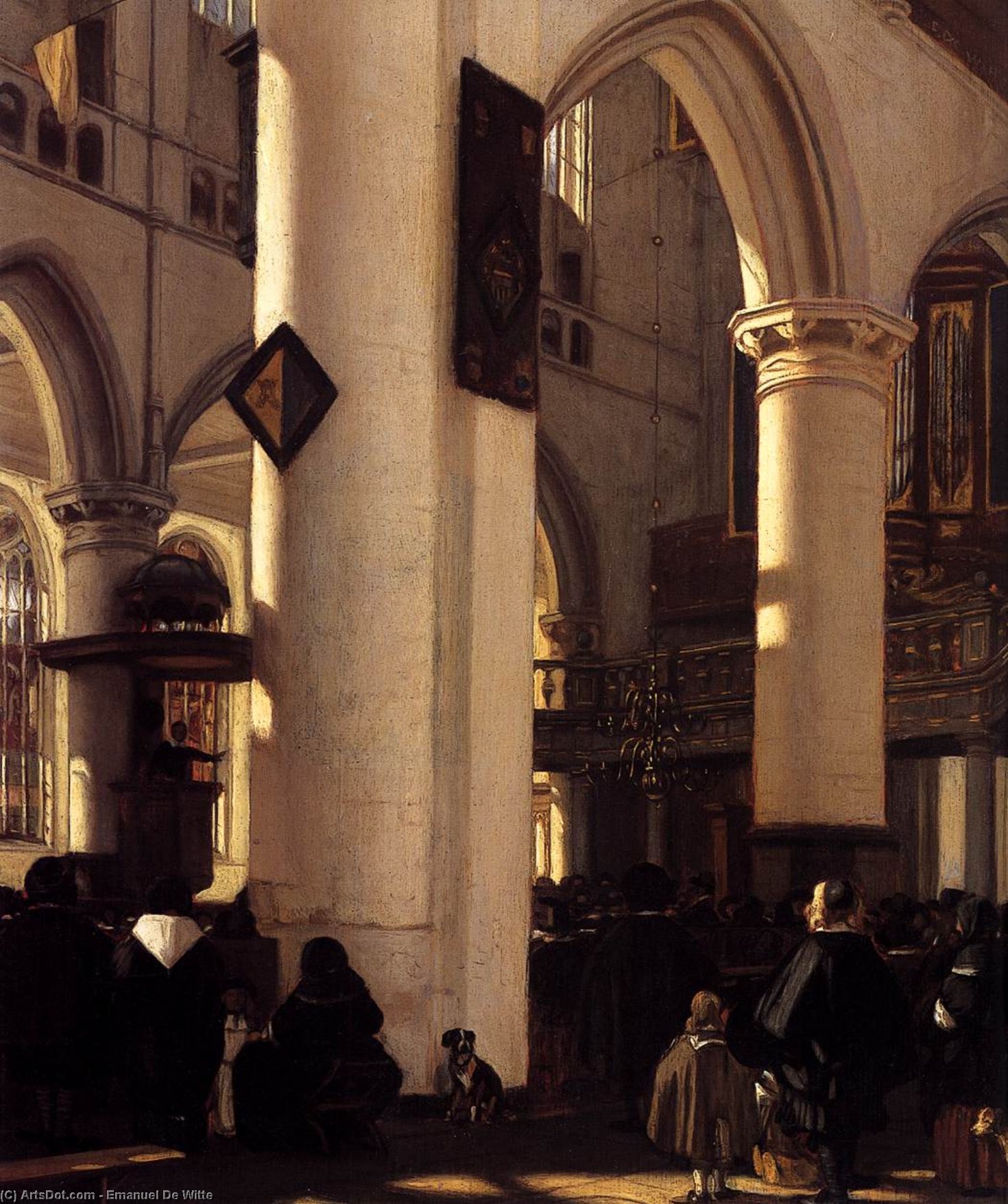
Interior of a Protestant Gothic Church (detail)


 Pročitaj više
Ručno rađena uljana reprodukcija
Ručno oslikano uljanim bojama na platnu u dimenzijama i okviru po vašem izboru, izrađeno po porudžbini od strane naših umetnika. ( Kupi print Kupi digitalnu sliku)




P118B $10

P118H $10

P118W $10

P438Z $10

P508JH $12

P508YH $12

P805H $10

P805Z $10

P919BZ $10

P919G $10

P919XJ $10

P959ZH $10

P968JZ $12

W106C $8

W218G $10

W218JH $8

W218Y $10

W307PJ $10

W316G $10

W316PJ $8

W316Y $10

W398PJ $8

W4111J $10

W500HY $15

W500JH $15

W692G $12

W849H $8

W940BG $15

W953PJ $8




Izaberite jednu od naših unapred definisanih veličina koje odgovaraju originalnim proporcijama umetničkog dela.

Можете унети сопствене димензије како бисте прилагодили дело одређеном оквиру или простору. Ако одабрана величина не одговара пропорцијама оригинала, слика ће бити исечена или проширена додатним елементима који се ручно насликавају. Дигитални prikaz ће вам бити послат на одобрење пре почетка производње.
Имајте на уму да преглед на екрану не одражава стварно исецање или проширење. Само приказ (mockup) ће тачно приказати коначну композицију.
Иако су доступне прилагођене величине, препоручујемо да одаберете димензију из дефинисане листе како бисте сачували оригиналне пропорције.
Nakon narudžbine, tim ArtsDot.com će klijentu putem e-pošte poslati uputstva i dostaviti prikaz predloženog rešenja
Isporuka širom sveta () za 3/4 nedelje umesto uobičajenih 5 nedelja. (23 август). Bez kompromisa po pitanju kvaliteta.

Besplatna ekspresna dostava širom sveta

Visokokvalitetno laneno platno

Kompletno osiguranje transporta

Garancija povraćaja carine i uvoznih dažbina

Garancija vernosti boja

Politika povrata u roku od 60 dana (samo u slučaju nedostataka)

Garancija povrata novca od 100%

Popust pri grupnoj kupovini
 Opcija sa staklom dostupna je samo za dimenzije manje od 110 cm

Interior of a Protestant Gothic Church (detail)
Tehnika reprodukcije
Dimenzije reprodukcije
-


Konačna cena
$ 263
Opis umetničkog dela
A Sanctuary Illuminated: Emanuel de Witte’s “Interior of a Protestant Gothic Church”
Emanuel de Witte's "Interior of a Protestant Gothic Church (detail)" is not merely a depiction of a sacred space; it’s an immersive experience, a carefully constructed evocation of atmosphere and spiritual resonance. Painted around 1669, this remarkable work transcends the limitations of simple architectural representation, offering instead a profound meditation on light, perspective, and the very essence of enclosed devotion. De Witte, a lesser-known yet profoundly insightful figure within the Dutch Golden Age, deliberately eschewed the meticulous documentation favored by contemporaries like Pieter Saenredam, choosing instead to capture the *feeling* of being within such a space – its quiet grandeur, its sense of hushed reverence, and the subtle drama of light filtering through stained glass.
The painting’s subject is instantly recognizable: a classic Protestant Gothic church interior, brimming with the details of everyday worship. A sizable congregation fills the space, their postures suggesting contemplation and prayer. A dog accompanies one of the attendees, adding a touch of domesticity to this solemn setting. Potted plants punctuate the room, softening the architectural lines and hinting at a connection between the sacred and the natural world. Two chairs stand ready for those who might seek respite during services or gatherings. However, it’s not the literal accuracy of these elements that commands attention; rather, it's De Witte’s masterful manipulation of light and perspective that truly elevates the work.
The Art of Atmospheric Perspective
De Witte’s genius lies in his ability to create a convincing illusion of depth without relying on traditional linear perspective. He achieves this through a sophisticated interplay of color, shadow, and carefully positioned light sources. The foreground is deliberately shrouded in soft shadows, drawing the viewer's eye towards the brighter, more distant areas of the church. A strong ray of sunlight streams in from the upper windows, illuminating patches of the floor and columns with an ethereal glow. This directional lighting not only creates a sense of volume but also imbues the scene with a palpable warmth and spiritual intensity. The use of muted browns and greys in the foreground contrasts sharply with the warmer yellows and golds of the background, further enhancing the illusion of recession.
The composition itself is carefully orchestrated. A diagonal line, created by the arches and columns, guides the viewer’s eye through the space, reinforcing the sense of depth. The placement of chandeliers hanging from ropes adds a dynamic element to the scene, their reflections dancing across the surfaces below. De Witte's technique demonstrates an understanding of how light interacts with architectural elements, transforming a simple church interior into a richly layered and emotionally resonant tableau.
Historical Context and Artistic Influences
Born in Alkmaar in 1617, Emanuel de Witte’s artistic journey was shaped by his early training under Evert van Aelst in Delft. While he initially produced portraits and mythological scenes, he later gravitated towards the depiction of church interiors – a genre largely pioneered by Pieter Saenredam. However, De Witte diverged significantly from Saenredam's approach, prioritizing atmosphere and emotional impact over strict architectural accuracy. His work reflects a broader trend within Dutch art during this period, characterized by a growing interest in capturing fleeting moments of light and shadow, and exploring the psychological effects of space.
Interestingly, De Witte’s focus on interior spaces can be linked to the religious climate of the time. The 17th century was a period of intense religious fervor in the Netherlands, with Protestantism gaining prominence. Churches served as central hubs for community life and spiritual reflection, and artists like De Witte sought to capture the essence of these sacred spaces for posterity. His work offers a poignant glimpse into the daily rituals and communal experiences of Protestants during this era.
Symbolic Resonance and Emotional Impact
Beyond its technical brilliance, “Interior of a Protestant Gothic Church” resonates with profound symbolic meaning. The gathering congregation represents the collective faith of the community, while the quiet atmosphere evokes a sense of peace and contemplation. The light streaming through the windows symbolizes divine grace, illuminating the space and guiding the souls of those within. De Witte’s masterful use of color and composition creates an emotional experience that transcends mere representation – it invites viewers to step inside the church and feel the spirit of devotion.
Reproductions of this work capture only a fraction of its original power, but they nonetheless offer a valuable opportunity to appreciate the artistry of Emanuel de Witte. His ability to transform a simple architectural scene into a deeply evocative meditation on faith and light remains a testament to his exceptional talent and artistic vision.
Srodna umetnička dela

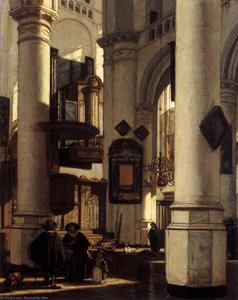
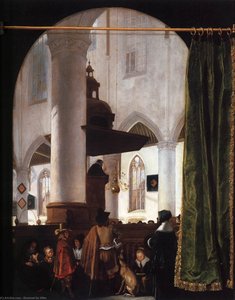
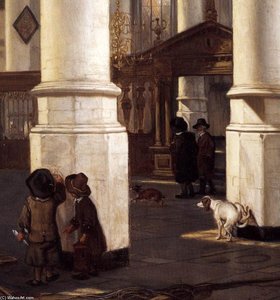
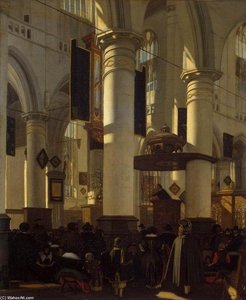
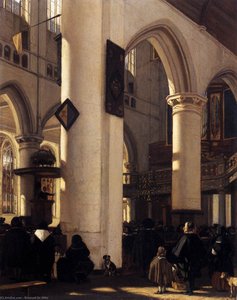
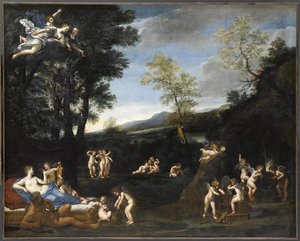
Biografija umetnika
Život u perspektivi: Svet Emanuela de Vitia
Emanuel de Witte, ime možda manje trenutno prepoznatljivo od nekih njegovih savremenika iz holandskog Zlatnog doba, ipak zauzima značajnu i fascinantnu nišu unutar panteona majstora 17. veka. Rođen u Alkmaru 1617. godine, De Vitov umetnički put bio je obeležen kako izvanrednim talentom, tako i značajnim ličnim nemirima – dualitet koji se suptilno utapa u samu atmosferu njegovih slika. Njegom umetnošću nije upravljala pedantna arhitektonska dokumentacija poput one koju je sprovodio Pieter Saenredam; umesto toga, on je težio da dočara osećaj prostora, kvalitet svetlosti i suptilnu dramu koja se odvija unutar svetih enterijera. Njegova platna nisu samo prikazi crkava; ona su proživljena iskustva koja gledaoce pozivaju u svet tihe kontemplacije i duhovnog odjeka.Od delfske obuke do zagrljaja Amsterdama
De Vitov rani život postavio je čvrste temelje za njegove umetničke težnje. Njegov otac, učitelj, u njemu je usadio poštovanje prema učenju i intelektualnu radoznalost – vrline koje će se kasnije manifestovati u njegovom pažljivom posmatrananju perspektive i svetlosti. U zvanični umetnički svet ušao je pridruživanjem eskadriji Svetog Luke u Alkmaru 1636. godine, ali je njegovo naknadno učenje kod Everta van Aelsta u Delftu bilo posebno presudno za njegov razvoj. Van Aelst, čuveni majstor mrtve prirode, preneo je na De Vitija oštro oko za detalje i vrhunsko vladanje svetlošću i senkom – veštine koje će postati zaštitni znak njegovog zrelog stila. U početku je De Witte istraživao različite žanrove—portrete, mitološke scene, religiozne narative—ali tek je preseljenjem u Amsterdam 1651. godine zaista pronašao svoju svrhu. Bogatstvo veličanstvenih crkava ovog grada pružilo je neiscrpan izvor inspiracije, te je on počeo da se specijalizuje za prikazivanje njihovih zastrašujućih i veličanstvenih enterijera.Majstor atmosfere i imaginarnih prostora
Amsterdam je bio ključan za De Vitov umetnički razvoj. On nije jednostavno replikao postojeće crkvene prostore; umesto toga, vešto je sintetizovao elemente iz različitih građevina, stvarajući idealizovane enterijere koji su delovali istovremeno poznato i suptilno vanzemaljski. Oude Kerk u Amsterdamu postala je česta tema, pojavljujući se više puta na njegovim platnama iz različitih uglova posmatranja. Ali to nisu bili puki prikazi. De Witte je manipulisao perspektivom, igrao se svetlom i senkom i naseljavao prostore pažljivo postavljenim figurama kako bi izazvao specifično raspoloženje ili atmosferu. Kako je Walter Liedtke primetio, njegovo primarno interesovanje nije ležalo u samoj arhitekturi, već u „samom prostoru – njegovoj svetlosti, boji, čistoj veličini i raspoloženju“. Ovaj naglasak na atmosferskom efektu izdvaja ga od rigidnijih topografskih slikara tog doba. On nije bio zabrinut za preciznu tačnost; bio je zainteresovan za stvaranje osećaja veličine, poštovanja i duhovne dubine.Život obeležen senkama
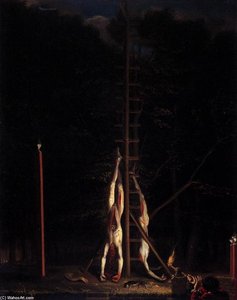
Uprkos umetničkom uspehu, De Vitov privatni život bio je opterećen nedaćama. Smrt njegove prve žene donela je duboku tugu, a kasniji pravni problemi koji su uključivali njegovu drugu ženu i ćerku bacili su dugačku senku na njegove poslednje godine. Finansijske poteškoće dovele su ga do ponižavajuće pozicije u službi kod trgovca umetninama, Jorisa de Wijsa, što je bila situacija koju je na kraju prekršio, što je dovelo do daljih komplikacija. Savremeni zapisi oslikavaju sliku nestabilnog temperamenta – čoveka sklonog vikanju klijentima i upadanju u sporove. Ovaj unutrašnji nemir je možda doprineo neravnomernosti njegovog kasnijeg rada, ali takođe dodaje još jedan sloj složenosti našem razumevanju umetnika i njegovih dela. Tragično, De Vitov život je dočekao razorno pitanje 1692. godine, kada je prema izveštajima pokušao samoubistvo viseći se na mostu preko kanala; uže je puklo i on se utopio. Bio je to mračan kraj za čoveka koji je posvetio svoj život hvatanju lepote i spokojstva svetih prostora.Nasleđe i trajni uticaj
Emanuel de Witte stoji kao važna figura u poslednjoj fazi arhitektonskog slikarstva u Holandiji, premošćujući jaz između pedantne dokumentacije i atmosferske interpretacije. Njegova inovativna upotreba svetlosti i perspektive uticala je na buduće generacije umetnika, a njegove slike nastavljaju da nude dragocene uvide u holandski religiozni život i društvene običaje 17. veka. Danas se dela De Vitija čuvaju u prestižnim kolekcijama širom sveta – u Metropolitan Museum of Art, National Gallery of Art i Rijksmuseumu, između ostalih – svedočeći o njegovom trajnom nasleđu kao majstora perspektive, atmosfere i emocionalnog odjeka. On nas podseća da umetnost nije samo ono što vidimo, već kako se osećamo dok gledamo.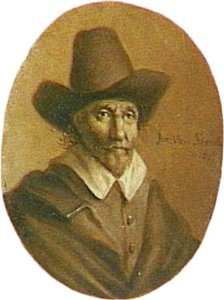
Emanuel De Witte
1617 - 1692 , Holandija
Osnovne informacije
- Artistic Movement Or Style: Barokna umetnost
- Artists Or Movements Influenced By This Artist: ['Kasniji umetnici']
- Artists Who Influenced This Artist: ['Evert van Aelst']
- Date Of Birth: 1617
- Date Of Death: 1692
- Full Name: Emanuel de Witte
- Nationality: Holandski
- Notable Artworks:
- Oude Kerk u Amsterdamu...
- Enterijer Oude Kerk
- Protestantska gotička crkva
- Place Of Birth: Alkmar, Holandija
Povezani članci

Francisco Goya: 25 Remek-dela Španskog Majstora za Vaš Dom | ArtsDot
Istražite 25 remek-dela Francisca Goya, španskog slikara romantizma i impresionizma. Portreti, tamne slike & istorija umetnosti na ArtsDot.com! Kupite reprodukcije slika vrhunskog kvaliteta za dekoraciju enterijera. Otkrijte celu kolekciju online.
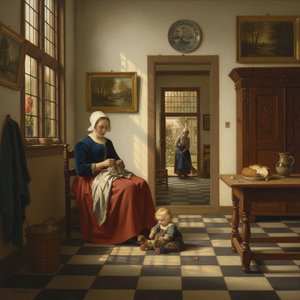
Pieter de Hooch: Illuminating Dutch Domestic Life & Golden Age Charm
Explore the captivating world of Pieter de Hooch, a master of Dutch Golden Age painting. Discover his innovative use of light, intimate domestic scenes, and lasting influence on art history. Learn more at ArtsDot.

About Us
Discover our story! We bring world-class art into your life through expert curation, personalized creations, and free previews. Trusted by individuals and businesses since 2000.
Willem van de Velde the Elder: Master of Maritime Painting & Chronicler of the Dutch Golden Age
Discover the captivating maritime paintings of Willem van de Velde the Elder, a master chronicler of the Dutch Golden Age. Explore his unparalleled realism and lasting influence on naval art history.
Beyond Borders: The Spiritual & Stylistic Innovations of International Gothic Art
Explore the exquisite beauty & spiritual depth of International Gothic art. Discover key artists like Simone Martini & Pol de Limbourg, its origins, symbolism, and lasting influence on European painting. Expert insights at ArtsDot.

